
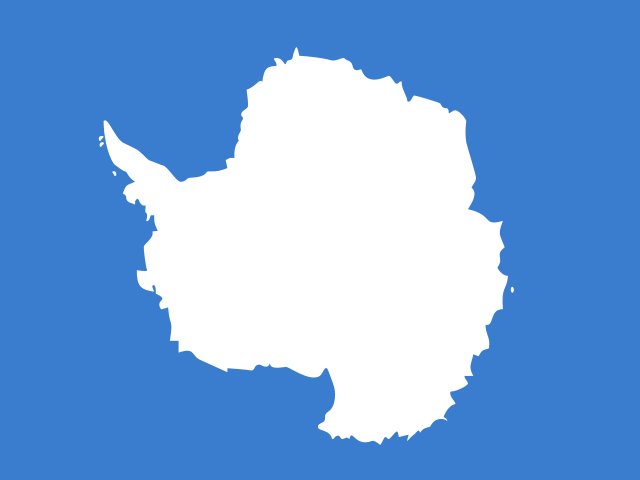
 Antarctic
a surrounds the South Pole and is the coldest and driest place on Earth. Trips are costly, need physical fitness, and mostly visit the Peninsula, nearby islands and Ross Sea.
Why go
Huge glaciers, icebergs and snow-covered mountains.
Penguin colonies, whales, seals and seabirds along the coast.
Historic expedition camps, abandoned bases and the museum at Port Lockroy.
The midnight sun within the Antarctic Circle in midsummer.
Best time to go: November to February is the main summer visiting season, when ships can reach coastal areas.
Getting there
By air
- Charter flights from Punta Arenas reach Villa las Estrellas on King George Island between December and February. This is a common meeting point for small-ship cruises.
- Flights from Christchurch reach McMurdo Station in about four hours. Its airfields for large aircraft open only in November and December.
- Union Glacier receives flights from Punta Arenas and Cape Town. Visitors use it to reach the South Pole, climb Mount Vinson or join the Antarctic Marathon.
By sea
- Most visitors arrive by sea. Ships can approach coastal areas from November through February.
- Most cruises focus on the Antarctic Peninsula. Visitors usually sleep aboard their ship.
Customs
- Visitors going south of 60° south latitude need permission from an Antarctic Treaty member country. Tour or cruise organisers normally arrange this.
- Independent travellers should apply for permission six months in advance.
- Antarctica has no immigration or border controls.
Getting around
Inflatable powerboats
Cruise ships use sturdy inflatable powerboats, often called zodiacs, to take visitors ashore. Follow crew instructions when boarding or stepping onto a landing stage. Be especially careful if the weather worsens during a shore visit.
Aircraft
Helicopters and aircraft fitted with skis are used for travel within Antarctica. Onward flights use small or medium aircraft. Bases have access to a ski runway or at least a helicopter landing area.
Travel on snow and ice
Skis, snowmobiles, tractors and tracked snow vehicles are used on land. McMurdo on Ross Island also has a bus service. Independent travellers need to bring their own fuel.
What to see and do
Glaciers and icebergs
See enormous glaciers breaking into the sea and icebergs the size of cities.
Penguin colonies
Coastal colonies are a major attraction. Close viewing depends on having a safe landing beach nearby.
Lemaire Channel
Ships pass between cliffs and towering ice through waters where whales live. Icebergs sometimes block the route.
Deception Island
This active volcano has a flooded crater forming a sheltered harbour. Sights include chinstrap penguins, hot springs and old whaling remains.
Port Lockroy and historic bases
Port Lockroy is a former British base now used as a museum. Ross Island also has a rich collection of historic exploration sites.
Coastal wildlife
Whales, seals and seabirds live along the coast, where they can reach open water.
Food and drink
Food aboard cruise ships
Cruise passengers may have buffet meals. The source identifies overeating as the main food risk for the average cruise passenger.
Food at research bases
Most food is frozen, dried, canned or otherwise preserved. Fresh produce is limited.
Food for field trips
Supplies need to be compact, energy-rich and dry because liquids freeze. Small camps and travelling teams rely on camping rations.
Planning supplies
Ask your organiser what food to bring, including spare supplies. Get suitable nutrition advice before an extended shore trip.
Drinking water
Plan your water supply carefully. Coastal freshwater lakes can contain bird waste and dead penguins.
Melted snow
Collecting and melting snow takes a lot of energy. Meltwater has few minerals and can taste flat.
Money
- There is little to buy beyond gifts and souvenirs.
- McMurdo's General Store is the largest shop mentioned.
- McMurdo Station has a cash machine that gives out United States dollars.
Typical costs
- Tourist visits are costly.
- Sightseeing flights from Australia are listed at AUD 1,200 for a centre economy seat without guaranteed window access to AUD 8,000 for first class; AUD means Australian dollars.
- A medical evacuation could cost close to US$1 million.
Staying safe
- Consider the risks and your physical abilities before booking. Antarctica is an extreme environment.
- At sea, keep one secure handhold and stay in your cabin during severe weather. Rough seas can cause falls and make heavy doors or loose objects dangerous.
- Follow crew instructions during boat transfers and landings. Survival time after falling into these waters is less than a minute.
- Get clothing advice from your organiser before travelling. Clothing must keep you warm, block wind and water, and allow movement; bring plenty of wool socks.
Local customs
Do
- Watch wildlife from a distance and leave animals room to move.
- Stay behind marked boundaries near penguin colonies. Eggs and chicks are especially vulnerable during hatching.
- Take all rubbish away and follow instructions for handling waste.
- Wash boots and follow advice designed to stop the spread of contamination.
Don't
- Do not touch, feed, help or closely approach wildlife unless you are a trained researcher.
- Do not surround animals, as this can frighten or confuse them.
- Do not enter protected habitats where access is forbidden.
- Do not eat wildlife or birds' eggs, even if you find them already dead.
Staying healthy
- You need to be healthy and moderately fit. Long-term conditions such as diabetes must be very well controlled.
- Wear sunglasses and use sunblock with a protection factor of at least 40 because sunlight is intense and shelter is limited.
- Prepare for seasickness and rough movement during the sea crossing.
- Follow hygiene and boot-cleaning advice to reduce the spread of contamination and illness.
Phone and internet
- Internet access uses satellites and is limited, with scientific work given priority.
- Websites are slow, and social media access is restricted because demand is high.
- Uploading photos is possible, but video calls, video streaming and most online gaming are not.
- Mobile phone service exists at only a few bases. Elsewhere, travellers rely on satellite phones.
Where to stay
- Most visitors sleep aboard their cruise ship.
- Inland trips, including trips to the South Pole, use prepared camps.
- There are no hotels or lodges, and research bases do not house tourists.
- Keep regular sleeping hours because continuous summer daylight can disturb your body clock.
Outdoor adventures in Antarctica
Antarctica offers coastal wildlife watching, dramatic cruise scenery, hot springs and demanding mountain climbs. Most visitors explore the Antarctic Peninsula in summer, from November to February; trips are costly and need good preparation and physical fitness.
Antarctic Peninsula wildlife watching
WildlifeAntarctic Peninsula
November–FebruaryJoin a cruise to the Peninsula. Shore visits depend on safe landing conditions.
- Follow crew instructions during small-boat transfers.
- Stay behind marked boundaries around penguin colonies.
Lemaire Channel cruise
SailingAntarctic Peninsula
November–FebruaryChoose a Peninsula cruise whose route includes Lemaire Channel.
- Icebergs can block the channel and force the ship to take another route.
Deception Island hot springs and swimming
Hot springSouth Shetland Islands
November–FebruaryVisit by ship, entering the island's sheltered harbour through the narrow Neptune's Bellows channel.
- Deception Island is an active volcano; its last eruption was in 1970.
- Follow crew instructions for landing and returning to the ship.
Mount Vinson climb
ClimbingWest Antarctica
Experts only Antarctic summer, November–FebruaryJoin a guided expedition. Specialist air tours reach inland Antarctica for mountaineering.
- Extreme cold and isolation make this a dangerous climb.
- The summit is at 4,892 m, where the air is thin.
Mount Erebus climb
ClimbingRoss Island, Ross Sea
Antarctic summer, November–FebruaryThe climb is on Ross Island. Ross Sea cruises usually visit this region from New Zealand or Australia.
- Erebus is an active volcano with continuous eruptive activity.
- The summit is at 3,794 m.
King George Island emperor penguin watching
WildlifeSouth Shetland Islands
November–FebruaryVisit the small, accessible emperor penguin colony on King George Island during a ship-based Antarctic trip.
- Respect marked viewing boundaries.
- Shore visits require a safe landing.
Danger Islands Adélie penguin watching
WildlifeTip of the Antarctic Peninsula
November–FebruaryThe colony is on the Danger Islands near the Peninsula's tip. Close viewing depends on a safe landing beach.
- Do not cross boundaries set to protect penguin colonies.
- Be especially careful to avoid disturbance when chicks hatch in January.
South Georgia king penguin watching
WildlifeSub-Antarctic islands
Visit South Georgia to see king penguins nesting on dry land. Close colony viewing needs a safe landing beach.
- Keep behind any marked colony boundaries.
- The Southern Ocean can be very rough, even in summer.
Ross Sea and Ross Island cruise
SailingRoss Sea
November–FebruaryJoin a cruise from New Zealand or Australia. Ross Island is the usual destination for these trips.
- Southern Ocean crossings can bring hurricane-force winds and very large waves.
- Keep a secure handhold aboard ship.
South Pole specialist air trip
More to doSouth Pole
November–FebruaryJoin one of the occasional specialist air tours that travel inland to the South Pole.
- The South Pole is at 2,835 m, with thin, dry air.
- Inland summer temperatures can remain around -15°C.
West Antarctica marathon
More to doWest Antarctica
Hard Antarctic summer, November–FebruaryTake part in a marathon in West Antarctica. No departure point or access arrangements are specified.
- Weigh the risks against your fitness and abilities.
- Inland Antarctica has extreme cold and high altitude.
Who can visit without a visa
Travellers from 0 of 3 countries can visit Antarctica easily: no visa, a visa at the airport, or a short online form.
- Entry permit required3
Who can visit easily, by part of the world
For each part of the world: how many countries' travellers can come easily. Easy means no visa, a visa at the airport, or a short online form.
- Asia0 of 3 countries
Questions
When should I visit Antarctica?
The main summer visiting season is November to February. Coastal seas are open enough for ships to approach during these months.
Do I need to be very fit?
You need to be healthy and moderately fit. Even standing ashore involves effort, preparation and some risk.
Can I fly there?
Yes, charter and specialist tour flights reach several Antarctic airfields. Some visitors fly to King George Island to join a cruise.
Where will I sleep?
Most visitors sleep on their ship, while inland trips use camps. There are no hotels or lodges, and research bases do not house tourists.
What clothes should I bring?
Ask your organiser about clothing that keeps you warm and blocks wind and water while allowing movement. Plenty of wool socks help keep feet warm during boat trips.
Will I see penguins at the South Pole?
No penguins live at the South Pole or on the remote inland plateau. Penguins live near the coast, where they can reach the sea.
Can I see the southern aurora during my trip?
Summer skies are too bright to see it in Antarctica. You may have a better chance on the voyage home as nights become longer.
What happens if I need medical evacuation?
Evacuation can take days and could cost close to US$1 million. Your travel and medical insurance should cover your planned activities.
Can I make video calls home?
The source says video calls are not possible with the limited satellite internet. Uploading photos is possible, but websites are slow.
Can I use a cash machine?
McMurdo Station has a cash machine that dispenses United States dollars. Shopping elsewhere is mostly limited to small gift and souvenir shops.
 Reviewed by @snuck