
Central Europe
 Central Europe
PolandTravel guide
- Warsaw
- Gdańsk
- Katowice
- Kraków
- Lublin
- Łódź
Poland offers historic cities, countryside, forests, lakes and mountains. Its capital is Warsaw, and its history is reflected in museums, monuments and architecture.
Why go
Explore historic towns, including the Gothic old town of Toruń.
See the Baltic Sea coast in the north and the Tatra Mountains in the south.
Discover forests with bison in Białowieża.
Enjoy lakes, rivers and water sports in Warmińsko-Mazurskie.
Visit Gdańsk for its trading heritage and Łódź for its industrial history.
Getting there
By air
- Warsaw Chopin Airport is Poland's main international airport. It has connections within Europe and to destinations further away.
- Warsaw also has Modlin Airport, normally used by low-cost airlines. Check which airport your flight uses.
- Other international airports include Kraków, Katowice, Gdańsk, Poznań, Wrocław, Rzeszów and Łódź.
By land
- International trains connect Poland with Germany, the Czech Republic, Slovakia, Austria and Hungary.
- Trains also connect Poland with Lithuania and Ukraine. Allow for train changes and border checks on routes from the east.
- At a station ticket counter, show your destination and preferred departure time in writing. Credit cards are usually accepted.
By sea
- Ferries connect Poland with Sweden, including services from Ystad, Karlskrona and Nynäshamn.
- There is also a ferry connection from Rostock in Germany.
Getting around
Train
Intercity trains are generally modern, comfortable and fairly punctual. Warsaw–Kraków and Warsaw–Gdańsk journeys take under three hours. Station signs are generally in Polish. “Główny” means main station, but Warsaw Centralna is the station to look for in Warsaw.
Bus
Private buses have a wide network and are often cheaper than trains. They are especially popular for journeys under 100 kilometres. You can usually buy a ticket from the driver, and sometimes at the station. Tell the driver your destination; drivers rarely speak English. Find schedules at central bus stations or compare trains and buses in English at e-podroznik.pl. FlixBus tickets can only be bought online.
City transport
Cities have buses and trams, and public transport is generally inexpensive. The Jakdojade mobile app lets you check schedules and buy city transport tickets. Official schedules and announcements are usually in Polish.
Car
Drive on the right. Some sections of the A1, A2 and A4 motorways charge tolls. Expect heavy traffic near major cities during busy travel periods. Navigation devices may suggest shortcuts on poor local roads. Unless traffic justifies a change, the source recommends staying on national or regional roads.
What to see and do
Toruń
See its well-preserved Gothic old town.
Gdańsk
Explore the city's heritage as a historic trading centre.
Łódź
See evidence of Poland's industrial growth in the 19th century.
Białowieża
Discover ancient forests that are home to bison.
Tatra Mountains
See mountain landscapes in southern Poland.
Baltic Sea coast
Visit the coast and beaches in northern Poland.
Food and drink
Breakfast
Breakfast is usually light, often sandwiches with tea or coffee.
Meal times
The larger meal is traditionally eaten around 13:00–14:00. Supper is around 19:00.
Vegetarian and vegan food
Many restaurants offer at least one vegetarian dish, and major cities have vegetarian restaurants. Vegan options are described as very limited.
Beer
Beer is Poland's most popular alcoholic drink.
Vodka and wine
Both are available, and Poland is known as a birthplace of vodka.
Mead
Mead is a traditional alcoholic drink.
Money
Polish złoty (PLN), written zł; one złoty is divided into 100 groszy.
- Currency exchange offices are called “kantor”. They commonly exchange euros and US dollars.
- Exchange offices at stations and tourist attractions tend to offer poor rates. The source specifically warns against orange Interchange offices.
- Credit cards are usually accepted at train station ticket counters.
- Most shops close on Sundays, except designated trading Sundays. Restaurants, filling stations, some pharmacies and bakeries remain open.
Tipping: Around 10% is a usual restaurant tip, but tipping is not always practised. You can also tip guides and drivers if you are happy with their service; Poles do not usually tip bar staff.
Language
- Polish is the official language, and most official signs and announcements are in Polish.
- Many younger people speak English. Older people, especially outside major cities, may speak little or none.
- Airports and a few major train stations usually provide information in English.
- German is common in western Poland and tourist destinations such as Kraków and Gdańsk.
- Some older people speak French, German or Russian. Ask before using Russian, as it can be a sensitive subject.
- Dziękuję
- Thank you; when handing over payment, this can mean “keep the change”.
- Główny
- Main; often used in the name of a main railway station.
- kantor
- Currency exchange office.
- Policja
- Police.
Staying safe
- Report trouble to the police immediately.
- Call 112 for an emergency; the source says it works on all mobile phones and most landlines.
- Municipal guards deal mainly with parking offences and minor antisocial behaviour in large cities.
Local customs
Do
- Try a few Polish words; local people generally appreciate the effort.
- Start in Polish and ask whether someone speaks Russian before using it.
- Leave a tip if you are happy with the service; around 10% is usual in restaurants.
Don't
- Do not assume everyone speaks English, especially older people outside major cities.
- Do not start a conversation in Russian without asking; use it as a last resort.
- Do not say “thank you” while handing over cash if you still expect change.
Staying healthy
- Tap water is safe to drink, particularly in larger settlements. Chlorine treatment may give it an unpleasant smell.
- Water from wells in some rural areas may contain iron and be unsafe to drink.
- Smog can be serious in winter, especially in southern Poland and mountain valleys.
Where to stay
- Accommodation is available even in remote parts of Poland.
- Large cities offer hotels and hostels where staff generally speak reasonable English.
- Smaller towns and less visited places may have little choice and lower standards.
- English may be less widely spoken at accommodation outside popular destinations.
Schengen Area
One visa, 29 countries
A Schengen visa from any member lets you travel across all of them, with no passport checks at the borders between them. With it, a trip to Poland can also take in:
- Austria
- Belgium
- Bulgaria
- Croatia
- Czech Republic
- Denmark
- Estonia
- Finland
- France
- Germany
- Greece
- Hungary
- Iceland
- Italy
- Latvia
- Liechtenstein
- Lithuania
- Luxembourg
- Malta
- Netherlands
- Norway
- Portugal
- Romania
- Slovakia
- Slovenia
- Spain
- Sweden
- Switzerland
 Austria
 Belgium
 Bulgaria
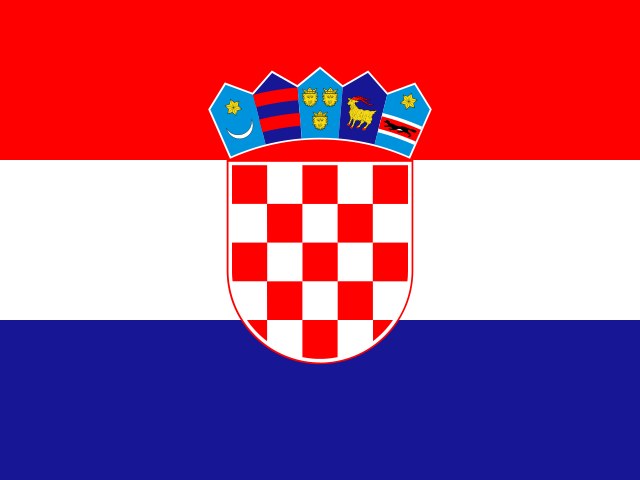 Croatia
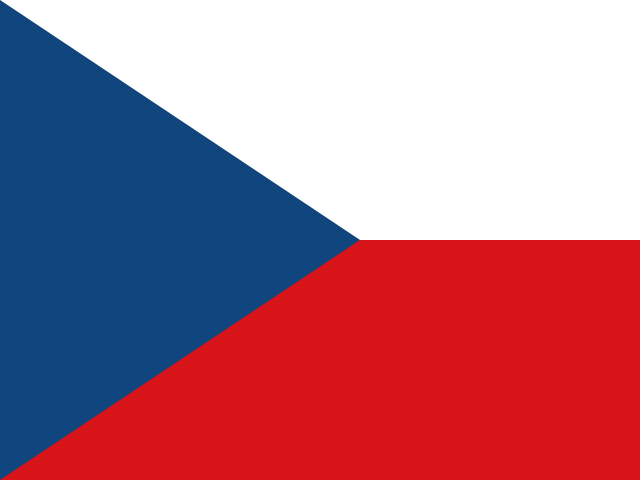 Czech Republic
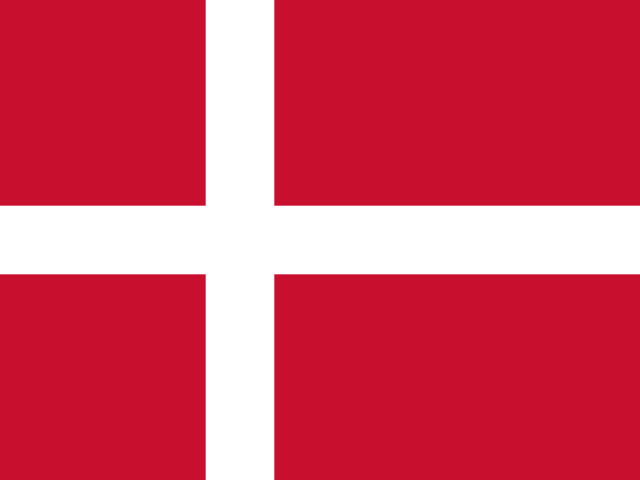 Denmark
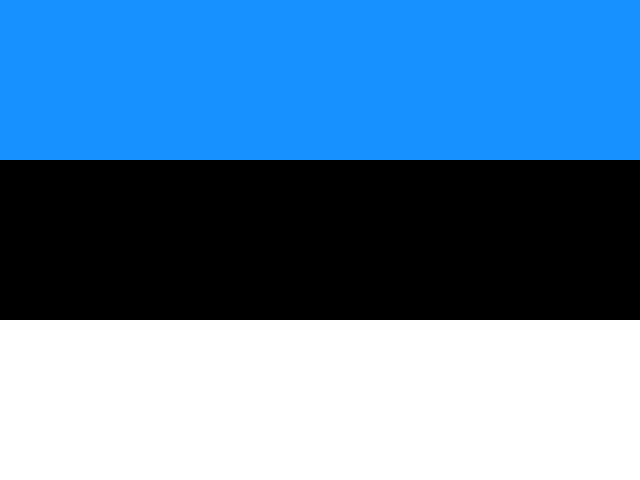 Estonia
 Finland
 France
 Germany
 Greece
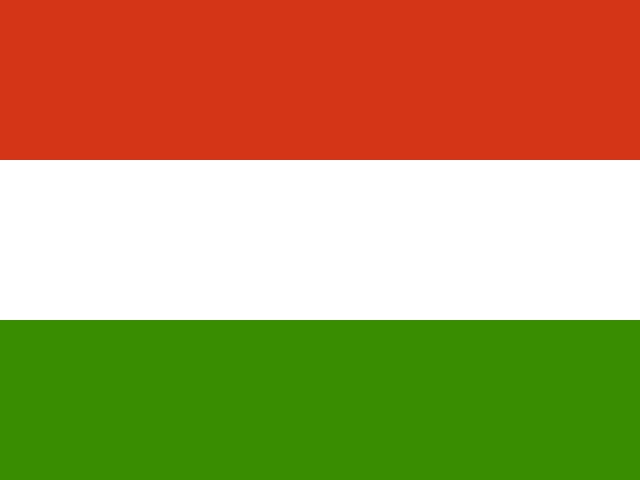 Hungary
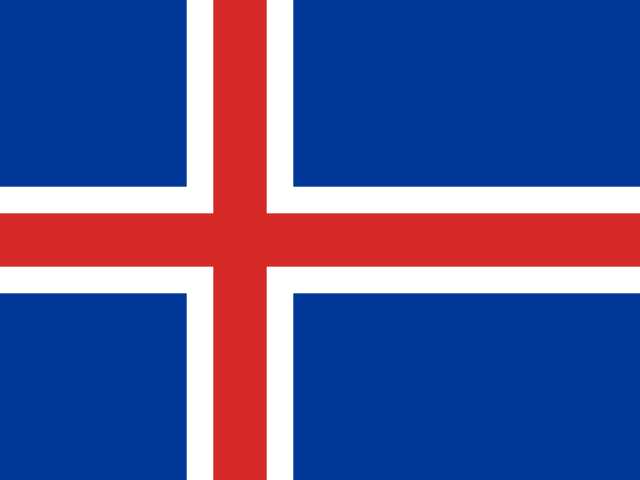 Iceland
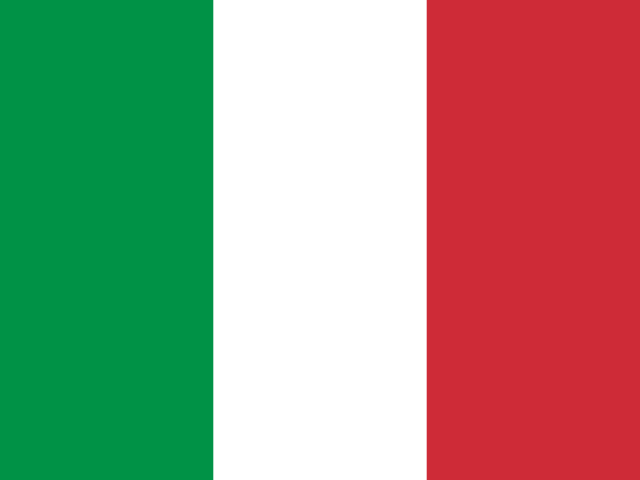 Italy
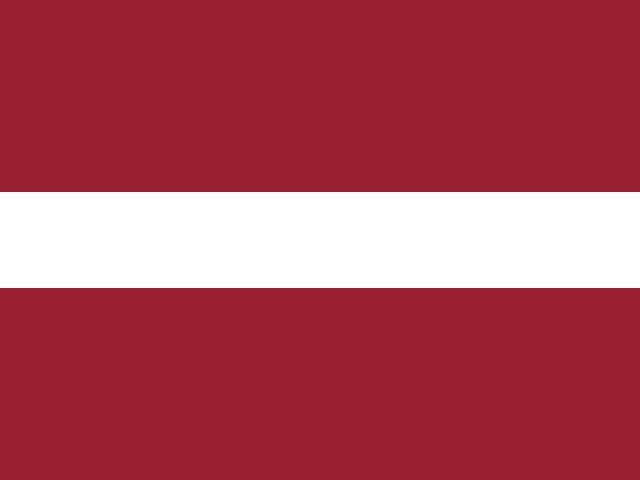 Latvia
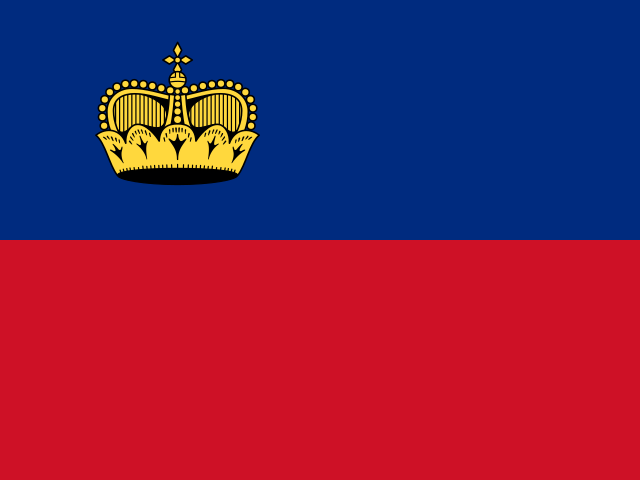 Liechtenstein
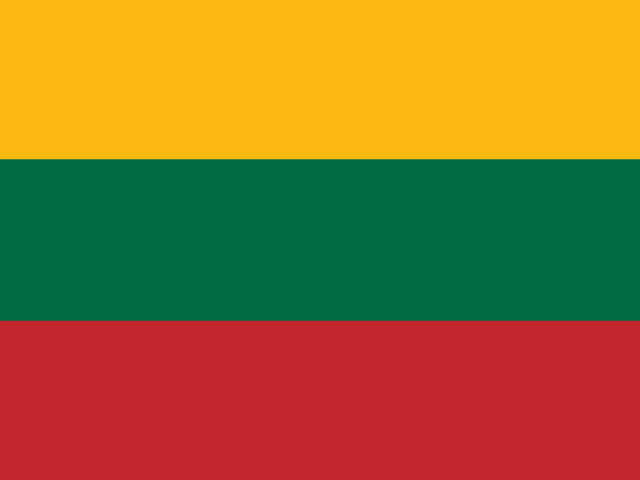 Lithuania
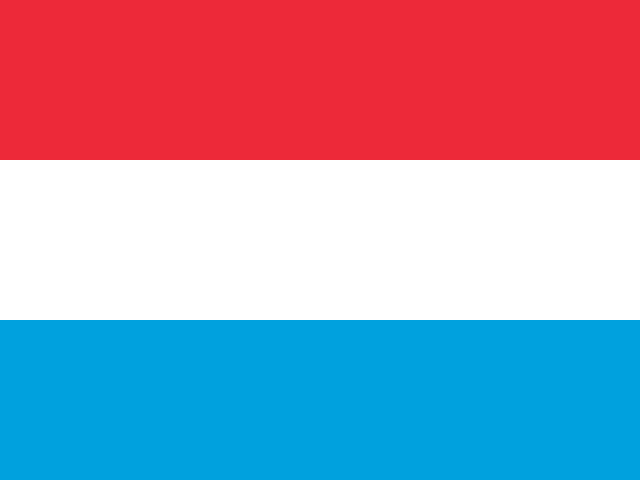 Luxembourg
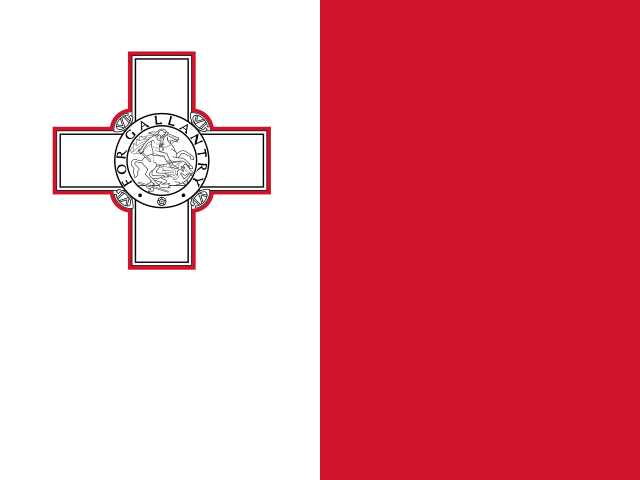 Malta
 Netherlands
 Norway
 Portugal
 Romania
 Slovakia
 Slovenia
 Spain
 Sweden
 Switzerland
- Up to 90 days in any 180
- One visa for every member
- No border checks between members
Whether you need the visa at all depends on your passport. Check the entry rules for Poland before you plan the route.
Outdoor adventures in Poland
Poland has mountain trails in the south, lakes and rivers for paddling and sailing, and sandy beaches on the Baltic coast. You can also explore ancient woodland, look for wildlife and follow cycling routes across the country.
Giewont hike
HikeTatra Mountains
SummerFollow a hiking trail to Giewont in the Tatras.
- Bring a waterproof jacket, good shoes and warm clothing.
- Tatra trails can cross exposed rock and ice. Ice may remain until June.
Tatra mountain and valley trails
HikeTatra Mountains
SummerFollow the well-marked mountain trails, or choose a less demanding route through a valley.
- Higher routes can cross exposed rock and ice. Ice may remain until June.
- Carry waterproof clothing, warm layers and good shoes.
Karkonosze National Park and Śnieżka
HikeSudety
SummerUse the park's usually well-marked mountain trails. Śnieżka is a popular hiking destination.
- Bring a waterproof jacket, good shoes and warm clothing.
- Rain and sudden temperature drops are possible.
Białowieża National Park
Wildlife
Visit the ancient woodland in Białowieża National Park. Access arrangements are not specified.
Masurian lakes sailing
SailingMasurianear Giżycko and Mikołajki
Use Giżycko or Mikołajki as a sailing centre. Both are close to Poland's largest lakes.
EuroVelo routes through Poland
CyclingAcross Poland
Cycle along one of the five EuroVelo routes that cross Poland.
- Cycling infrastructure may be limited outside major cities.
Drawa River canoeing
More to do
Multi-day trips are possible.Rent a canoe from a local tourism agency. Agencies can collect the canoe after your trip and return you to the base.
Biebrza River canoeing
More to doEastern Poland
Multi-day trips are possible.Arrange canoe rental through a local tourism agency, with collection after the trip and a return to the base.
Brda River canoeing
More to do
Multi-day trips are possible.Rent a canoe through a local tourism agency. Arrange collection at the end and transport back to the base.
Barycz River and Milicz ponds canoeing
More to do
Multi-day trips are possible.Arrange canoe rental through a local tourism agency, including collection after your trip and a return to the base.
Pilica River canoeing
More to do
Multi-day trips are possible.Rent a canoe from a local tourism agency. Agencies can arrange collection and transport back to the base.
Table Mountains National Park hiking
HikeSouthern Poland
Easy SummerFollow the park's usually well-marked hiking trails.
- Carry a waterproof jacket, good shoes and warm clothing.
- Rain and sudden temperature drops are possible.
Kłodzko Land hiking
HikeKłodzko Land
Easy SummerUse the area's usually well-marked mountain trails.
- Bring a waterproof jacket, good shoes and warm clothing.
- Rain and sudden temperature drops are possible.
Bieszczady National Park hiking
HikeSouthern Poland
SummerExplore the park's hiking routes for a quieter mountain outing.
- Carry plenty of supplies because mountain shelters are rare.
- Bring a waterproof jacket, good shoes and warm clothing.
Babia Góra National Park hiking
HikeSilesia
SummerChoose a hiking route in Babia Góra National Park.
- Bring a waterproof jacket, good shoes and warm clothing.
- Rain and sudden temperature drops are possible.
Gorce National Park hiking
HikeMałopolskie
SummerExplore hiking routes in Gorce National Park.
- Bring a waterproof jacket, good shoes and warm clothing.
- Rain and sudden temperature drops are possible.
Pieniny National Park hiking
HikeMałopolskie
SummerExplore hiking routes in Pieniny National Park.
- Bring a waterproof jacket, good shoes and warm clothing.
- Rain and sudden temperature drops are possible.
Magura National Park hiking
HikeSouthern Poland
SummerExplore the park's low, forested hills on a hike.
- Bring a waterproof jacket, good shoes and warm clothing.
Świętokrzyski National Park hiking
Hike
SummerExplore the park's low, forested hills on a hike.
- Bring a waterproof jacket, good shoes and warm clothing.
Jelitkowo beach
BeacheBaltic coastnear Gdańsk
Take tram 2, 4, 6 or 8 to the Jelitkowo stop.
- The water is usually cold.
Brzeźno beach
BeacheBaltic coastnear Gdańsk
Take tram 3 or 5 to Brzeźno Dom Zdrojowy or Wczasy.
- The water is usually cold.
Stogi beach
BeacheBaltic coastnear Gdańsk
Take tram 9 to Stogi Plaża, east of the city centre.
- The water is usually cold.
Sobieszewo beach
BeacheBaltic coastnear Gdańsk
Use bus line 115, 186 or 212 to reach Gdańsk's eastern outskirts.
- The water is usually cold.
Zemborzycki Lake boating and water skiing
More to donear Lublin
Rent a boat or water skis at Zemborzycki Lake.
Łódź Hills Landscape Park and Łagiewnicki Forest
CyclingBetween Łódź and Brzezinynear Łódź
For the landscape park, take a bus from Plac Dąbrowskiego or the Academy of Art. Bus 88 takes about 30 minutes from the Academy. Bus 56 reaches Łagiewnicki Forest.
Airports, metros and trains in Poland
Airports with scheduled flights
- WROCopernicus Wrocław AirportWrocławMain international airport
- GDNGdańsk Lech Wałęsa AirportGdańskMain international airport
- KTWKatowice Wojciech Korfanty International AirportKatowiceMain international airport
- KRKKraków John Paul II International AirportBaliceMain international airport
- LCJŁódź Władysław Reymont AirportŁódźMain international airport
- LUZLublin AirportLublinMain international airport
Metro and subway
- WarsawWarsaw Metro39 stations41.2 kmsince 1995
Trains
- Rail network
- 19,663 km
- Electrified
- 12,250 km
- High-speed lines
- 285.047 km
- Top speed
- 200 km/h
People and safety in Poland
Religion
Most people are Christian. Mixed.
- Christian72%
- Jewish21%
- No religion7%
LGBT+ travellers
Legal
- Same-sex marriages from abroad are recognised.
- Legal gender change is recognised.
- Some laws protect against discrimination.
Women travellers
Ranked #27 of 181 countries for women's safety, inclusion and justice.
60% of women say they feel safe walking alone at night where they live.
Who can visit without a visa
Travellers from 93 of 198 countries can visit Poland easily: no visa, a visa at the airport, or a short online form.
- Visa not required83
- Freedom of movement10
- Visa required104
- Admission refused1
Who can visit easily, by part of the world
For each part of the world: how many countries' travellers can come easily. Easy means no visa, a visa at the airport, or a short online form.
- Europe43 of 45 countries
- Americas26 of 35 countries
- Oceania10 of 14 countries
- Asia12 of 50 countries
- Africa2 of 54 countries
Questions
What money should I use in Poland?
Poland uses the złoty, written zł, with the currency code PLN. One złoty is divided into 100 groszy.
Can I travel without buying tickets online?
You can buy train tickets at station counters and usually buy bus tickets from the driver. FlixBus requires online booking.
Will people understand English?
Many younger people speak English, and hotel staff in large cities generally do too. English may be limited among older people and outside major destinations.
Can I drink the tap water?
Yes, tap water is safe to drink, though it may smell of chlorine. Water from rural wells may be unsafe.
Are shops open on Sundays?
Most shops close except on designated trading Sundays. Restaurants, filling stations, some pharmacies and bakeries remain open.
Should I leave a tip?
Around 10% is usual in restaurants, though some people do not tip. Wait for your change before saying “thank you”, or your payment may be treated as including a tip.
What number do I call in an emergency?
Call 112. The source says it works on all mobile phones and most landlines.
Is vegetarian food easy to find?
Many restaurants offer a vegetarian dish, and major cities have vegetarian restaurants. Vegan choices are much more limited.
What accommodation can I expect?
Large cities have hotels and hostels with staff who generally speak English. Smaller or less visited places may have fewer choices and lower standards.
What is the air quality like in winter?
Poland has a serious winter smog problem linked to coal and wood heating. It is especially pronounced in southern regions and mountain valleys.
 Reviewed by @snuck