
Southern Europe
 Southern Europe
SpainTravel guide
- Madrid
- Barcelona
- Bilbao
- Córdoba
- Granada
- Málaga
Spain is known for friendly people, a relaxed lifestyle, food, nightlife and festivals. It has historic cities, beaches, mountains and many different regional cultures.
Why go
Explore historic cities and famous buildings such as the Alhambra in Granada.
Enjoy beaches on the Mediterranean coast, the Balearic Islands and the Canary Islands.
Walk in the Sierra Nevada, Central Cordillera or Pyrenees.
Experience regional food, lively nightlife and traditional festivals.
Best time to go: Summer is the busiest season. Winter can mean fewer crowds at major sights, but central and northern Spain can be cold. Winter and spring bring greener scenery in southern and central Spain, while the north gets rain throughout the year.
Getting there
By air
- Madrid–Barajas, Barcelona El Prat and Malaga are the main international arrival airports for mainland Spain.
- For the islands, you can often fly straight to your destination island.
- Iberia, Vueling and Air Europa are major Spanish airlines. Many other airlines connect Spain with Europe, Africa, the Americas and Asia.
By land
- High-speed trains connect Spain with France. Some slower border routes require a train change or a change to the train's wheel spacing.
- Rail links also connect Spain with Portugal, but these are not high-speed services.
- Flixbus, Alsa and Linebus offer international bus routes. Buses may have wireless internet or power sockets, but trains are generally faster and more comfortable.
By sea
- Brittany Ferries connects Portsmouth and Plymouth with Santander, and Portsmouth with Bilbao. Portsmouth to Santander takes about 24 hours.
- Ferries connect Spain with North Africa, particularly Morocco and Tunisia.
Getting around
Train
Buy your ticket before boarding; tickets are not sold on board. Buy long-distance tickets in advance, as prices can change. Renfe runs most trains, while Adif manages most stations. Station information includes departure times and platforms. High-speed trains are useful between Madrid and many major cities. Some journeys across northern Spain or between the east and Andalusia may be easier by bus. For short trips, regional trains can be a cheaper choice. Tickets can be bought at some stations on the day, although station purchases may carry an extra fee. Commuter trains serve many cities and nearby areas. You usually need to tap your ticket or travel card when entering and leaving.
Bus
Buses are usually the cheapest way to travel around most of Spain. Many major routes have frequent services. At a bus station, ask staff which company serves your destination. Each company usually has its own ticket window. You can usually turn up and buy a ticket for the next available bus. Advance booking is often unnecessary. Compare bus and train routes before choosing. Nearby towns can take longer to reach by train if the route goes through Madrid.
Ferry
Ferries from mainland Spain to the Balearic Islands take about 3–7 hours. Crossings to the Canary Islands take about 36–40 hours. Barcelona is the main mainland port for Mallorca, and Denia is the main port for Ibiza. Ferries to the Canary Islands leave from Huelva and Cádiz.
Car
Drive on the right. A driving map is useful because many streets are one-way. Driving and parking in cities such as Madrid, Barcelona and San Sebastián can be expensive and stressful. Many motorways called autopistas charge tolls. Roads called autovías are generally free. A car can suit a trip between several cities, especially if you avoid overnight parking in large cities. Trains are often faster. Driving barefoot or wearing flip-flops can lead to a fine of up to €200.
What to see and do
Alhambra Palace, Granada
A major historic attraction that is less crowded in winter.
La Gran Mezquita, Cordoba
A major cultural sight that is less crowded in winter.
Mediterranean coast and island beaches
The Mediterranean coast, Balearic Islands and Canary Islands have Spain's most popular beaches.
Spain's national parks
They offer places to explore the country's varied natural scenery.
Go hiking
The Sierra Nevada, Central Cordillera and northern Pyrenees are highlighted for walking in the mountains.
Go skiing
Spain has ski resorts, including those in the Sierra Nevada, which can get very crowded in winter.
Food and drink
Spanish cuisine
Expect vegetables and a wide variety of meat and fish. Pork is common, and dishes generally use few spices.
Restaurants popular with local people
These are generally a better choice for reasonably priced food. Be ready to use some Spanish, as English-speaking servers may be hard to find.
Paella
Paella is traditionally eaten at lunch. Restaurants serving it for dinner may be aimed at tourists.
Tapas
Tapas are widely available in bars, although takeaway food is less common.
Meal times
Lunch is usually between 13:00 and 14:30, sometimes later, and is the main meal. Dinner is usually between 20:30 and 21:30.
Tap water
Ask for “agua del grifo” in a restaurant. It must be provided free on request.
Money
Euro (€; currency code EUR). One euro equals 100 cents.
- Carry euros, as other currencies are generally not accepted.
- Banks are the main places to exchange money, but some only serve account holders.
- Airport businesses may accept US dollars, usually at a poor exchange rate.
- Many shops do not accept €500 notes. Carry smaller notes.
Tipping: Tipping is optional and is not generally expected in simple restaurants. For excellent service in a more expensive restaurant, you can leave 5–10%; hand it to the server in cash.
Typical costs
- Restaurants must provide tap water free when you ask for it.
Language
- Spanish, also called Castilian, is spoken throughout Spain.
- Catalan is spoken in Catalonia, the Balearic Islands and Valencia, where it is often called Valencian.
- Basque is spoken in the Basque Country and Navarre.
- Galician is spoken in Galicia and parts of Asturias and León.
- Asturian, Aragonese and Aranese are also spoken in parts of Spain.
- English is more likely to be spoken in tourist businesses and major international hotels than elsewhere.
- Buenos días
- Good morning.
- Gracias
- Thank you.
- Agua del grifo
- Tap water.
- Un taper / una caja
- A container or box for restaurant leftovers.
- Pagar a escote
- Split the bill equally.
- Propina
- Tip.
Staying safe
- Call the free number 112 for any emergency.
- Keep away from street shell games. People watching them may be pickpocketed.
- Check restaurant bills for extra items or inflated charges before paying.
- Check taxi fare tables and remember that tips are optional.
Local customs
Do
- Try a few words of the local language. People appreciate the effort.
- Wait until everyone is seated and ready before starting a meal.
- Stay at the table until everyone has finished eating.
- Be prepared for a group restaurant bill to be split equally.
- If someone politely refuses your offer of a gift, drink or meal, offer again. An initial refusal can be a sign of politeness.
Don't
- Avoid appearing drunk in public, as this is generally frowned upon.
- Do not assume eating or drinking in the street is usual local behaviour; Spaniards rarely do it.
- Do not assume Spanish dishes are the same as Latin American dishes with the same names.
Laws to know
- Fines for improper parking can start at €85.
- Driving barefoot or in flip-flops can lead to a fine of up to €200.
Staying healthy
- Avoid long periods in direct sunlight during summer to reduce the risk of sunburn and heatstroke.
- Drink water, walk in the shade and keep sunscreen handy.
- Pack suitable clothing for winter cold, particularly in central and northern Spain, and for rain.
Phone and internet
- Some international buses may offer wireless internet.
Where to stay
- Accommodation includes hotels, guesthouses, rented villas, holiday homes, campsites and monasteries.
- A hostal is similar to a guesthouse and is generally cheaper than a hotel. A hostel usually has shared rooms for backpackers.
- Hotel-like accommodation may be called a hotel, hostal or pension.
- Check the small print for added tax before choosing accommodation. Value-added tax is called IVA in Spanish.
Schengen Area
One visa, 29 countries
A Schengen visa from any member lets you travel across all of them, with no passport checks at the borders between them. With it, a trip to Spain can also take in:
- Austria
- Belgium
- Bulgaria
- Croatia
- Czech Republic
- Denmark
- Estonia
- Finland
- France
- Germany
- Greece
- Hungary
- Iceland
- Italy
- Latvia
- Liechtenstein
- Lithuania
- Luxembourg
- Malta
- Netherlands
- Norway
- Poland
- Portugal
- Romania
- Slovakia
- Slovenia
- Sweden
- Switzerland
 Austria
 Belgium
 Bulgaria
 Croatia
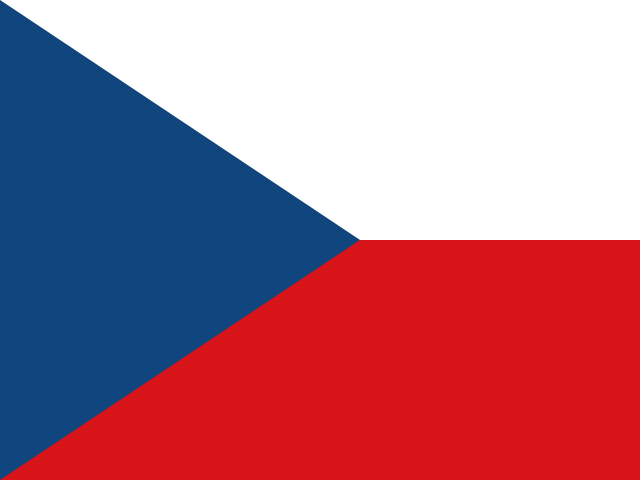 Czech Republic
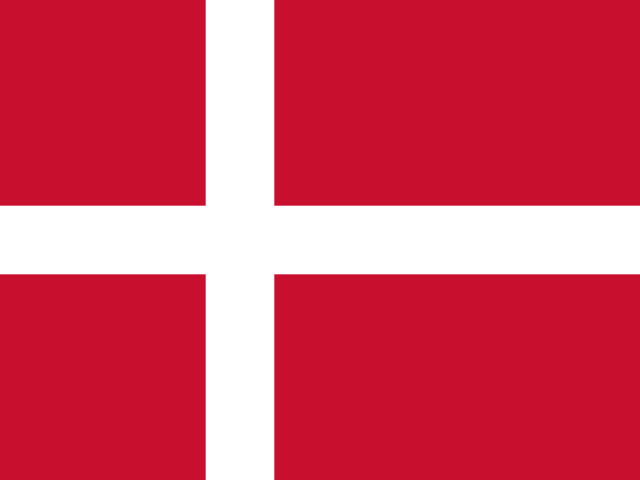 Denmark
 Estonia
 Finland
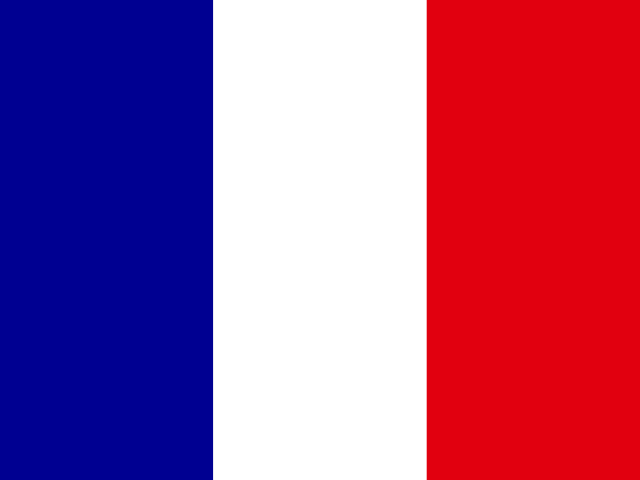 France
 Germany
 Greece
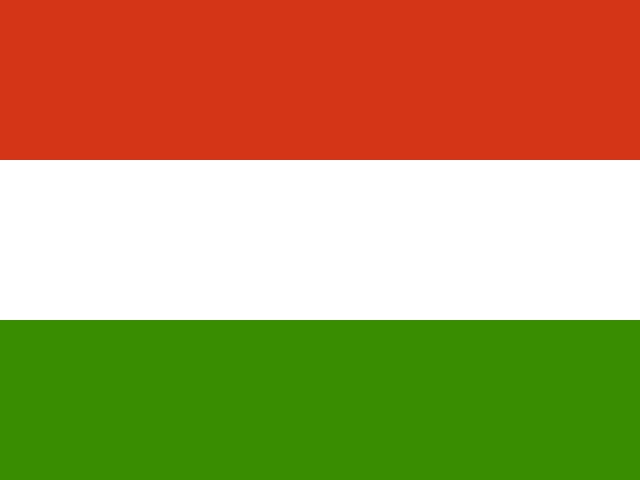 Hungary
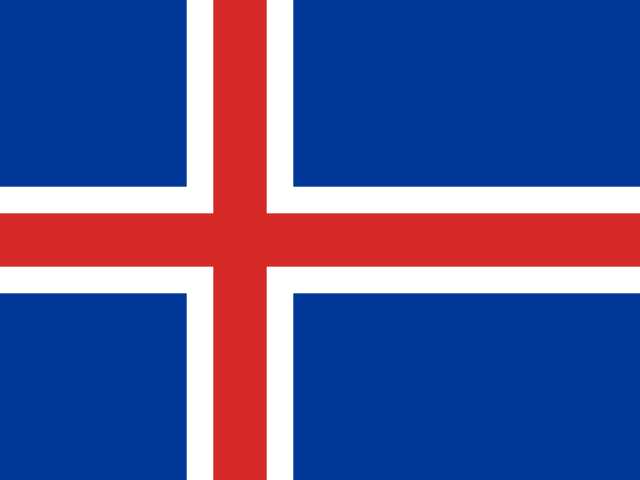 Iceland
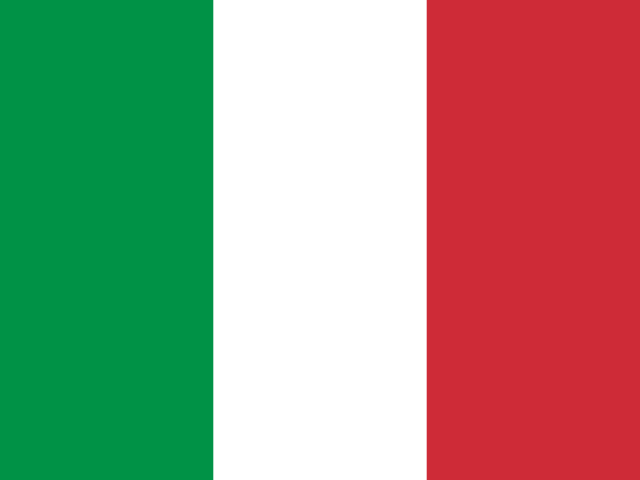 Italy
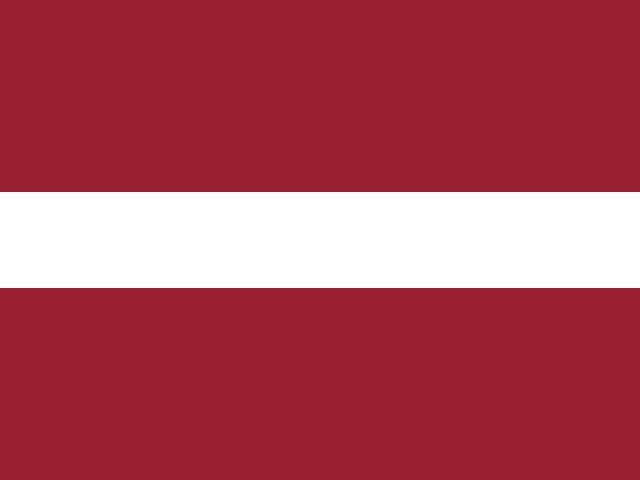 Latvia
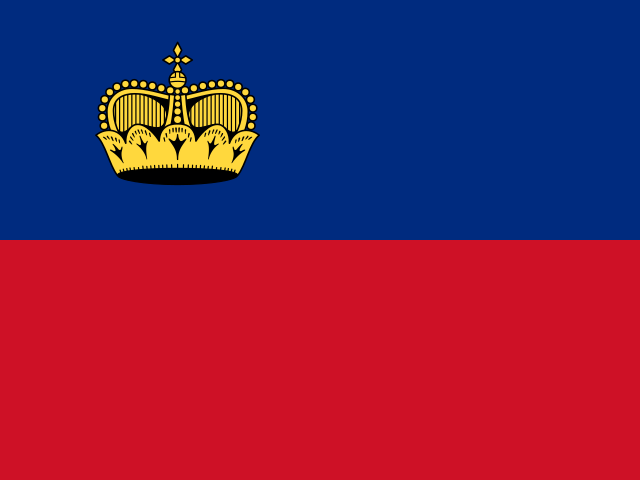 Liechtenstein
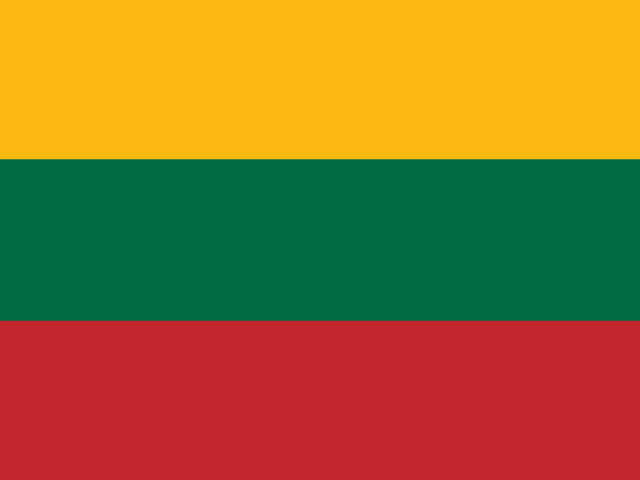 Lithuania
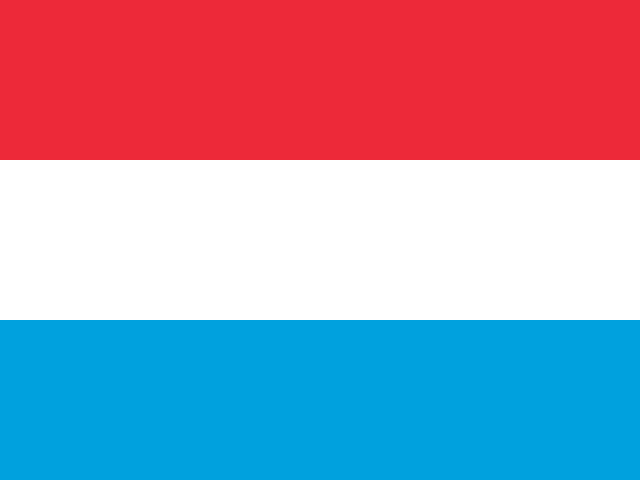 Luxembourg
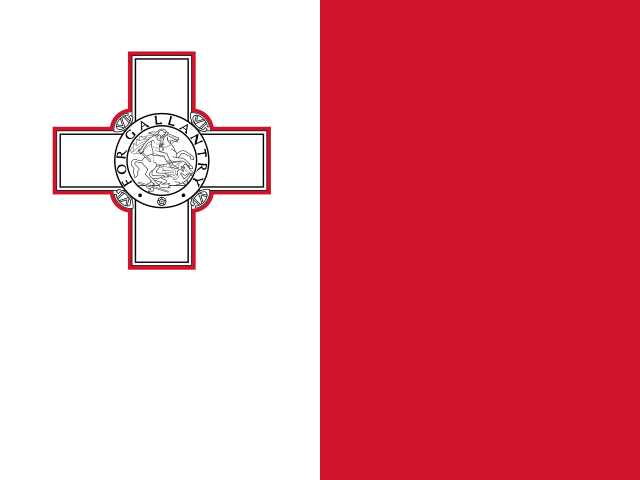 Malta
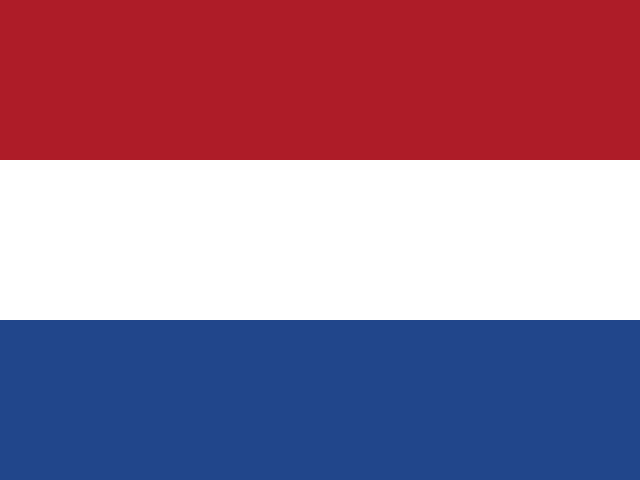 Netherlands
 Norway
 Poland
 Portugal
 Romania
 Slovakia
 Slovenia
 Sweden
 Switzerland
- Up to 90 days in any 180
- One visa for every member
- No border checks between members
Whether you need the visa at all depends on your passport. Check the entry rules for Spain before you plan the route.
Trips to Spain
Day-by-day itineraries by snuck, shaped around you.
Outdoor adventures in Spain
Spain has mountain walks, ski resorts and beaches on the mainland and islands. You can also climb near Málaga, kayak in Bilbao and sail along Barcelona’s coast.
Sierra Nevada walking
HikeSouthern Spain
Explore the Sierra Nevada on foot. No specific route or starting point is given.
- Bring suitable clothes for cold winter weather.
- In summer, drink water and avoid long periods in direct sun.
Sierra Nevada skiing
SkiingSouthern Spain
WinterVisit the ski resorts in Sierra Nevada. Transport and booking details are not specified.
- Bring suitable clothes for cold weather.
Pyrenees hiking
HikeNorthern Spain
Go hiking in the Pyrenees. No specific trail or starting town is given.
- Prepare for cold winter weather.
- Some places have rain even in summer.
Central Cordillera hiking
HikeCentral Spain
Explore the Central Cordillera on foot. No specific trail or access details are given.
- Central Spain can be cold in winter.
- In summer, drink water and avoid long periods in direct sun.
Costa del Sol beaches
BeacheAndalusia
Visit the beaches along the Costa del Sol in southern Spain. No individual beach access details are given.
- Avoid long periods in direct summer sun.
- Drink water and use sunscreen.
Costa Brava beaches
BeacheEastern Spain
Visit the seaside resorts along the Costa Brava. Transport details are not specified.
Costa Blanca beaches
BeacheEastern Spain
Visit the beaches and small villages along the Costa Blanca. No specific access routes are given.
Mallorca beaches
BeacheBalearic Islands
Visit Mallorca for its beaches. No individual beaches or transport details are specified.
Ibiza beaches
BeacheBalearic Islands
Visit Ibiza as a Mediterranean beach destination. No individual beach access details are given.
Menorca beaches
BeacheBalearic Islands
Visit Menorca as a Mediterranean beach destination. No individual beach access details are given.
Formentera beaches
BeacheBalearic Islands
Visit Formentera as a Mediterranean beach destination. No individual beach access details are given.
Tenerife beaches
BeacheCanary Islands
Visit Tenerife for its coastline and beaches. The Canary Islands are about a two-hour flight from mainland Spain.
El Chorro rock climbing
Climbingnear Málaga
Drive about 50 minutes northwest from Málaga to El Chorro gorge. Climbing operator details are not specified.
King’s Little Pathway at El Chorro
Hikenear Málaga
Reach El Chorro gorge by driving about 50 minutes northwest from Málaga. Entry and booking details are not specified.
- The pathway is suspended high above the gorge.
El Torcal rock climbing
Climbingnear Málaga
Go rock climbing at El Torcal near Málaga. Transport and operator details are not specified.
Nervión River kayaking
KayakingBasque Countrynear Bilbao
Rent a kayak from Bilbobentura on the bank of the Nervión River in Bilbao.
Barcelona coastal sailing
SailingCatalonianear Barcelona
3 hours, or a day trip on a classic yachtTake a sailing trip from Barcelona to see the city from the sea. A classic yacht day trip along the coast is another option.
Barceloneta beach and waterfront
BeacheCatalonianear Barcelona
Start at Barceloneta to visit the beach or walk along the beachfront boardwalk.
- Avoid long periods in direct summer sun and use sunscreen.
La Malagueta and Málaga’s coastal beaches
BeacheAndalusianear Málaga
Visit La Malagueta, the nearest beach to central Málaga. Walk along the waterfront to beaches farther away, or take a bus near the bullring towards El Palo, such as line 33.
- Avoid long periods in direct summer sun and drink water.
San Sebastián beaches
BeacheBasque Countrynear San Sebastián
Visit the beaches in San Sebastián. No individual beaches or access details are specified.
Airports, metros and trains in Spain
Airports with scheduled flights
- MADAdolfo Suárez Madrid–Barajas AirportMadridMain international airport
- ALCAlicante-Elche Miguel Hernández AirportAlicanteMain international airport
- OVDAsturias AirportRanónMain international airport
- BIOBilbao AirportBilbaoMain international airport
- ACECésar Manrique-Lanzarote AirportSan BartoloméMain international airport
- FUEFuerteventura AirportEl MatorralMain international airport
Metro and subway
- BarcelonaBarcelona Metro132 stations128.3 kmsince 1924
- BilbaoBilbao Metro42 stations45.1 kmsince 1995
- MadridMadrid Metro242 stations296.4 kmsince 1919
Trains
- Rail network
- 16,355 km
- Electrified
- 11,127 km
- High-speed lines
- 3,973 km
- Top speed
- 300 km/h
People and safety in Spain
Religion
Most people are Christian. Mixed.
- Christian52%
- No religion44%
- Muslim2%
LGBT+ travellers
Legal and protected
- Same-sex couples can marry.
- Legal gender change is recognised.
- Laws protect against discrimination.
Women travellers
Ranked #25 of 181 countries for women's safety, inclusion and justice.
75% of women say they feel safe walking alone at night where they live.
Who can visit without a visa
Travellers from 93 of 198 countries can visit Spain easily: no visa, a visa at the airport, or a short online form.
- Visa not required83
- Freedom of movement10
- Visa required105
Who can visit easily, by part of the world
For each part of the world: how many countries' travellers can come easily. Easy means no visa, a visa at the airport, or a short online form.
- Europe43 of 45 countries
- Americas26 of 35 countries
- Oceania10 of 14 countries
- Asia12 of 50 countries
- Africa2 of 54 countries
Questions
When can I visit with fewer crowds?
Winter usually brings fewer visitors to sights such as the Alhambra and La Gran Mezquita. Ski resorts in the Sierra Nevada can still be very crowded.
Can I buy transport tickets without booking online?
Yes. Bus stations have company ticket windows, and some stations sell regional train tickets on the day; buy train tickets before boarding.
Do I need to rent a car?
Public transport connects almost all places of interest to travellers, and trains are often faster than driving. Driving and parking in large cities can be expensive and stressful.
What money should I bring?
Spain uses euros. Carry smaller notes, as many shops do not accept €500 notes.
Do I have to leave a tip?
No. Tipping is optional, and it is generally not expected in simple restaurants.
Will people speak English?
English is more common in tourist businesses and major international hotels. Outside these places, be ready to use some Spanish.
What time do people eat?
Lunch is usually between 13:00 and 14:30, sometimes later. Dinner is usually between 20:30 and 21:30.
Is a hostal the same as a hostel?
No. A hostal is like a guesthouse, while a hostel usually offers shared rooms.
What number should I call in an emergency?
Call 112 for any emergency. The call is free.
Will shops close in the afternoon?
Almost all small businesses close between 14:30 and 17:00. Shopping malls and supermarkets usually stay open from 09:30 until 21:00 or 22:00.
 Reviewed by @snuck