
 Western Europe
Belgium is a small country in Western Europe with historic cities, modern buildings, sandy beaches and wooded hills. Its capital, Brussels, is home to the headquarters of the European Union.
Why go
Explore historic Brussels, Bruges, Ghent and Antwerp.
Walk, cycle or camp in the wooded hills of the Ardennes.
Discover Belgian beer, chocolate, fries and comic books.
Visit art museums, castles and World War memorials.
Getting there
By air
- Brussels Airport, also called Zaventem, is Belgium's main airport. Trains to central Brussels take about 25 minutes.
- Brussels South Charleroi Airport mainly serves low-cost airlines. Coaches reach Brussels Midi station in about an hour.
- From Charleroi Airport, you can buy a combined bus and train ticket at the TEC transport company's machines outside the airport.
By land
- Direct trains connect Brussels with cities including London, Paris, Amsterdam, Cologne, Frankfurt and Luxembourg.
- Book high-speed trains early for cheaper fares. You can book through a travel agency if you do not book online.
- For trains from London, allow 90 minutes before departure for passport or identity checks.
Getting around
Train
Frequent trains connect the main cities. Belgian Railways uses the names NMBS in Dutch and SNCB in French. InterCity trains are usually the best choice for visitors because they are faster and more frequent. Local trains stop at every station. Use the official Belgiantrain.be journey planner to check routes and prices. Smoking is not allowed on trains.
Bus, tram and metro
Buses cover the country, while larger cities also have trams and metro services. Buses between cities are usually slower than trains. Brussels transport is run by STIB/MIVB, Flanders by De Lijn and Wallonia by TEC. Outside Brussels, these companies do not accept each other's tickets. Tickets are cheaper when bought at ticket machines. The coastal tram runs along almost the whole Flemish coast, from France to the Netherlands.
Walking
Many visitors can take trains between cities and explore on foot. The historic centre of Brussels is compact, measuring about 300 metres by 400 metres. Antwerp is much larger than the historic centre of Brussels.
Bicycle
Cycling routes and bike rentals are widely available, especially in Flanders. Blue Bike rents bicycles and electric bikes at most train stations. Usually, you must return a Blue Bike to its collection point. In Ghent, Leuven and Brussels Airport, you can return it to another station in the same region.
What to see and do
Grand Place, Brussels
This historic square is surrounded by guildhouses and a Gothic town hall.
Atomium, Brussels
This striking steel landmark remains from the 1958 World's Fair.
Bruges
Its old centre preserves much of its medieval architecture. Popular sights include the 13th-century bell tower.
Ghent
See medieval buildings, the bell tower and the former cloth hall.
Antwerp
Explore its historic centre and cathedrals, alongside its fashion, art and diamond scenes.
Mons and Spiennes
Visit the bell tower in Mons and the prehistoric flint mines at nearby Spiennes.
Food and drink
Belgian cooking
Belgium is known for good food and generous portions. Eating at restaurants is popular.
Fries
Fries are among the Belgian foods that locals appreciate visitors taking an interest in.
Chocolate
Chocolate is another Belgian speciality that locals are proud of.
Belgian beer
Brewery tours introduce visitors to a wide range of beers.
Leuven nightlife
This university city has a strong student culture and is a starting point for nights out.
Liège nightlife
The carré district is known for nightlife. Belgium's bars and clubs offer music ranging from jazz to electronic music and heavy metal.
Money
Euro (€; EUR), divided into 100 cents.
- Euro notes and coins from other countries using the euro are accepted.
- Exchange rates change.
- Buy local transport tickets at machines for lower prices.
Tipping: Service is included, so tipping is optional and uncommon. You can show appreciation by letting the waiter keep some change.
Typical costs
- Blue Bike rental: €6 for 12 hours.
- Blue Bike membership: €2 a month, with rental rates reduced by about half.
- A normal city transport ticket for one zone is listed at no more than €2.50.
- Flowercorso Loenhout entry: €2–8.
Language
- Dutch is the official language of Flanders.
- French is the official language in most of Wallonia.
- Brussels has Dutch and French as official languages, with French more widely spoken.
- German is official in nine municipalities around Eupen in Wallonia.
- English is useful in Brussels and Flanders, but is less widely spoken in Wallonia.
Staying safe
- General emergency: police, fire and ambulance112
- Emergency medical services and fire100
- Police101
- Awel102
- Belgium is generally safe with basic precautions. Avoid showing expensive jewellery and walking along poorly lit streets.
- Take extra care in northern and western Brussels, southern Antwerp, and Walloon cities near France such as Mons and Mouscron.
- Do not drive after drinking alcohol or taking drugs. Road checks are common on main roads at weekends.
- Keep control when drinking and avoid causing a public disturbance or damaging property.
Local customs
Do
- Ask which language someone speaks before starting a conversation. English is often a useful first choice for visitors.
- Show interest in Belgian food, beer, chocolate and comic books.
- Give friendships time to develop, as locals may seem reserved.
- Enjoy nightlife with discretion and self-control.
Don't
- Do not assume French will be welcome in Flanders or Dutch in Wallonia. Language can be a sensitive issue.
- Avoid arguments about the divide between Flanders and Wallonia or suggestions that Belgium should be split up.
- Do not call French-speaking Belgians French, Dutch-speaking Belgians Dutch, or German-speaking Belgians German.
- Do not call residents of Brussels Walloons.
- Avoid asking about salaries or discussing personal political and religious views before you know someone well.
Staying healthy
- Tap water is safe to drink throughout Belgium.
- Influenza can be an inconvenience in winter.
- Air pollution affects both cities and rural areas.
Phone and internet
- Mobile phone coverage extends nationwide.
- Internet access is available in cities and is free in most libraries.
- Many cafés offer free Wi-Fi, even when they do not advertise it.
- Wi-Fi is also available at some petrol stations, railway stations and motorway diners.
Where to stay
- Mechelen has a youth hostel beside a train station, with onward trains every 30 minutes.
Schengen Area
One visa, 29 countries
A Schengen visa from any member lets you travel across all of them, with no passport checks at the borders between them. With it, a trip to Belgium can also take in:
- Austria
- Bulgaria
- Croatia
- Czech Republic
- Denmark
- Estonia
- Finland
- France
- Germany
- Greece
- Hungary
- Iceland
- Italy
- Latvia
- Liechtenstein
- Lithuania
- Luxembourg
- Malta
- Netherlands
- Norway
- Poland
- Portugal
- Romania
- Slovakia
- Slovenia
- Spain
- Sweden
- Switzerland
 Austria
 Bulgaria
 Croatia
 Czech Republic
 Denmark
 Estonia
 Finland
 France
 Germany
 Greece
 Hungary
 Iceland
 Italy
 Latvia
 Liechtenstein
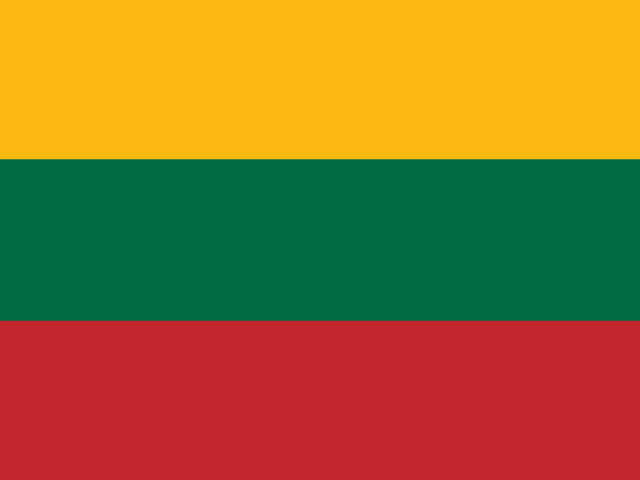 Lithuania
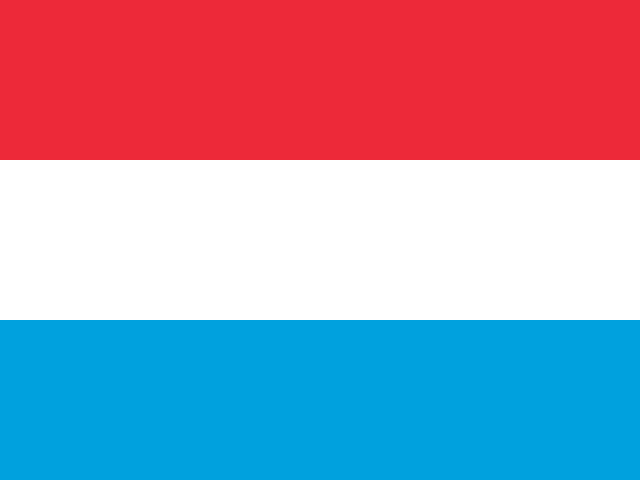 Luxembourg
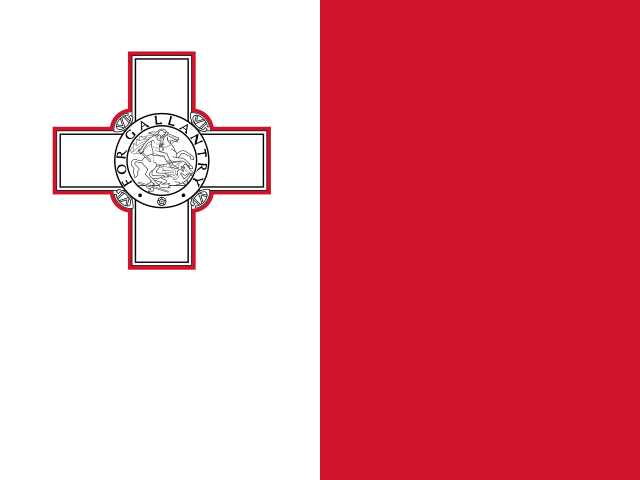 Malta
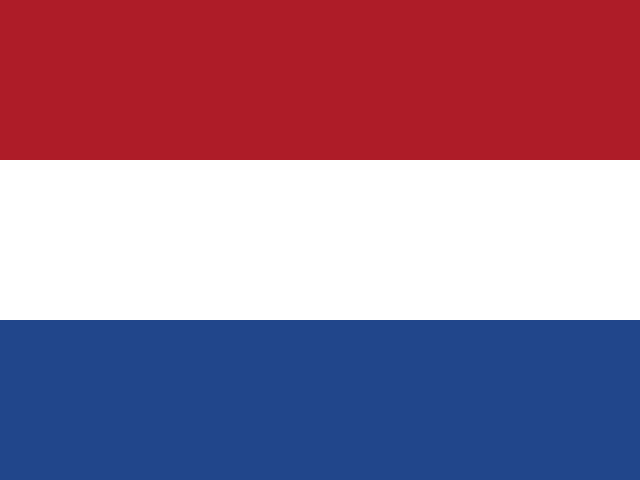 Netherlands
 Norway
 Poland
 Portugal
 Romania
 Slovakia
 Slovenia
 Spain
 Sweden
 Switzerland
- Up to 90 days in any 180
- One visa for every member
- No border checks between members
Whether you need the visa at all depends on your passport. Check the entry rules for Belgium before you plan the route.
Outdoor adventures in Belgium
Belgium offers forest walks, countryside cycling, canoeing and rock climbing. The Ardennes are a main area for outdoor trips, while quieter options include the Sonian Forest, Pajottenland and riverside routes. The climate is often rainy, humid and cloudy.
Ardennes hiking
HikeArdennesnear Namur
Use Namur as a base to explore the Ardennes and its wooded hills.
Ardennes cycling
CyclingArdennesnear Namur
Base yourself in Namur to explore the Ardennes by bike.
Sonian Forest walks
HikeSouth of Brusselsnear Brussels
Head south of Brussels for a walk in the Sonian Forest. Tervuren is also close to the forest.
Dinant canoeing
More to donear Dinant
WinterHead to Dinant for canoeing. No particular operator or launch point is specified.
Dinant rock climbing
Climbingnear Dinant
WinterHead to Dinant for rock climbing. No particular climbing site or operator is specified.
Han-sur-Lesse caves
CaveArdennes
Include the caves at Han-sur-Lesse when exploring the Ardennes. Tour arrangements are not specified.
Spa hot-water treatments
Hot springnear Spa
Visit the town of Spa for hot-water treatments. No particular treatment centre is specified.
Bruges to Damme and the coast
Cyclingnear Bruges
Rent a bike near Bruges' main square or at the train station. Cycle 5 km to Damme, then optionally continue another 15 km to the coast.
- Cost: €8 for 4 hours or €12 for a day at most rental shops.
Pajottenland hiking
HikePajottenland, west of Brusselsnear Brussels
Head west of Brussels to explore Pajottenland on foot. No particular route is specified.
Pajottenland cycling
CyclingPajottenland, west of Brusselsnear Brussels
Head to Pajottenland, west of Brussels, for countryside cycling. No rental shop or route is specified.
Pajottenland horse-riding tours
More to doPajottenland, west of Brusselsnear Brussels
Explore Pajottenland on a horse-riding tour. No particular operator is specified.
Sint-Annastrand
BeacheLeft Bank of the Scheldenear Antwerp
Cycle through the St. Anna pedestrian tunnel to Antwerp's Left Bank, then continue a few kilometres north to the beach.
- Swimming is prohibited because of dangerous currents and heavy ship traffic.
Ter Kameren Park walks
HikeBrusselsnear Brussels
Visit Ter Kameren Park, also called Bois de la Cambre, for a walk when the weather allows.
- Visit during the day. Lighting is limited at night.
- Avoid the park at night because assaults have occurred.
Blaarmeersen climbing wall
Climbingnear Ghent
Go to the Blaarmeersen sports grounds in Ghent to use the climbing wall.
Blaarmeersen open-water swimming
More to donear Ghent
Thursday, 18:00–20:00Go to Blaarmeersen in Ghent for its listed open-water swimming session on Thursday evenings.
Blaarmeersen beaches
Beachenear Ghent
Book a visit to the beaches beside the Blaarmeersen sports facilities in Ghent.
Blaarmeersen stand-up paddleboarding
More to donear Ghent
Head to the Blaarmeersen sports grounds in Ghent for stand-up paddleboarding.
Watersportbaan rowing at Blaarmeersen
More to donear Ghent
Head to the Watersportbaan at the Blaarmeersen sports grounds for rowing.
Blaarmeersen cycling track
Cyclingnear Ghent
Visit the Blaarmeersen sports grounds in Ghent to use the cycling track.
Meuse riverside cycling
Cyclingnear Liège
Follow the quays along the Meuse in Liège by bike.
Condroz hiking and mountain biking
HikeCondroznear Liège
Head into the Condroz countryside near Liège for hiking or mountain biking. No particular route is specified.
Hesbaye hiking and mountain biking
HikeHesbayenear Liège
Explore the Hesbaye countryside near Liège on foot or by mountain bike. No particular route is specified.
Herve hiking and mountain biking
HikeHervenear Liège
Head into the Herve countryside near Liège for hiking or mountain biking. No particular route is specified.
RCAE caving and parachuting
More to donear Liège
Use RCAE, a university sports club in Liège that is open to everyone and offers caving and parachuting.
Nemo 33 indoor diving
Scuba divingBrusselsnear Brussels
Visit Nemo 33 in Brussels for diving in a heated indoor pool.
Airports, metros and trains in Belgium
Airports with scheduled flights
- BRUBrussels AirportZaventemMain international airport
- CRLBrussels South Charleroi AirportCharleroiMain international airport
- OSTOstend-Bruges International AirportOostendeMain international airport
Metro and subway
- BrusselsBrussels Metro59 stations39.9 kmsince 1976
Trains
- Rail network
- 3,785 km
- Electrified
- 3,333 km
- High-speed lines
- 260.8 km
- Top speed
- 300 km/h
People and safety in Belgium
Religion
Most people are Christian. Mixed.
- Christian64%
- No religion29%
- Muslim6%
LGBT+ travellers
Legal and protected
- Same-sex couples can marry.
- Legal gender change is recognised.
- Laws protect against discrimination.
Women travellers
Ranked #7 of 181 countries for women's safety, inclusion and justice.
63% of women say they feel safe walking alone at night where they live.
Who can visit without a visa
Travellers from 93 of 198 countries can visit Belgium easily: no visa, a visa at the airport, or a short online form.
- Visa not required82
- Freedom of movement11
- Visa required105
Who can visit easily, by part of the world
For each part of the world: how many countries' travellers can come easily. Easy means no visa, a visa at the airport, or a short online form.
- Europe43 of 45 countries
- Americas26 of 35 countries
- Oceania10 of 14 countries
- Asia12 of 50 countries
- Africa2 of 54 countries
Questions
What weather should I expect?
Belgium has mild winters and cool summers. Rain, humidity and cloudy skies are common.
Can I travel around Belgium without a car?
Yes. Frequent trains connect larger cities, buses serve smaller places, and many city centres can be explored on foot.
Can I book international trains without using the internet?
Yes. High-speed train tickets can be booked through a travel agency, and booking early can mean cheaper fares.
Will I be able to use English?
English is useful in Brussels and Flanders, especially in tourism. It is less widely spoken in Wallonia, so ask first.
What money does Belgium use?
Belgium uses the euro, written as €. One euro is divided into 100 cents.
Do I need to tip in restaurants?
No. Service is included, but you can leave some change to show appreciation.
Can I drink the tap water?
Yes. Tap water is safe to drink throughout Belgium.
Is Brussels a useful base for day trips?
Yes. Brussels is a good starting point for trips to Antwerp, Ghent, Bruges, Namur and Leuven.
Where can I find free Wi-Fi?
Most libraries and many cafés offer free Wi-Fi. Several food and coffee chains also provide it.
Which topics should I avoid with people I have just met?
Avoid salaries, personal political or religious views, and arguments about dividing Belgium. Language and regional identity can also be sensitive.
 Reviewed by @snuck