
Northern Europe
 Northern Europe
LithuaniaTravel guide
- Vilnius
- Trakai
- Kaunas
- Klaipėda
- Šiauliai
- Panevėžys
Lithuania is one of the three Baltic states in northeast Europe. Its capital, Vilnius, is the main attraction, with castles, forests, lakes, traditional villages and sandy beaches elsewhere in the country.
Why go
Explore the historic streets of Vilnius Old Town.
See the red towers of Trakai Island Castle reflected in the water.
Visit the sand dunes and forests of the Curonian Spit.
See over 100,000 crosses at the Hill of Crosses.
Enjoy lakes, forests and wildlife in Aukštaitija National Park.
Best time to go: Summer averages 16°C but has the most rain. Spring is the driest season. Winter averages -5°C, with snow and sleet. Bring warm clothes and waterproof clothing at any time of year.
Getting there
By air
- Vilnius Airport has the widest choice of flights.
- Kaunas Airport has Ryanair and other low-cost flights from across Europe.
- Palanga Airport, near Klaipėda, has fewer flights, mostly seasonal.
By land
- A daily train from Kraków travels through Warsaw towards Lithuania. Change at the border for Kaunas or Vilnius.
- Railway construction may cause disruption or replacement buses on routes from Poland.
- A daily train from Tallinn through Tartu reaches Riga, where you can connect to Vilnius. The Riga–Vilnius train often sells out.
By sea
- DFDS car ferries sail overnight to Klaipėda from Kiel in Germany and Karlshamn in Sweden. The journeys take about 21 hours and 15 hours respectively.
Customs
- Lithuania belongs to the Schengen travel area. Border checks between member countries are normally absent, but temporary checks can occur.
- Transport companies may check your identity before international flights, ferries or trains, even within the Schengen area.
- You can take food produce home within the European Union. Check the destination country's rules carefully before taking food elsewhere.
Getting around
Train
LTG Link runs the rail network. Vilnius–Kaunas trains run hourly and take 70–90 minutes. Buy tickets at stations, online, or on the train when boarding at a rural station without ticket facilities. Buying on the train adds a €2 service fee. Station ticket machines accept bank cards. Information Centre staff can help you use the machines, but do not sell tickets. Many routes have few trains and can sell out. Tickets are for a specific train, and earlier bookings are likely to cost less. Trains have more room than buses for large bags, skis and bicycles. Low platforms and high doors can make boarding difficult for people with limited mobility.
Bus
Buses serve all towns, all three airports and most villages. Vilnius–Kaunas buses run every 30 minutes and take about 90 minutes. Autobusubilietai.lt has timetables and tickets in English and other languages. It accepts bank cards and includes some international routes. Check the journey time, shown as “trukmės”. Some routes take long detours or require a change in Vilnius. Town buses and trolleybuses are cashless. Pay with a travel card or tap your bank card. Students with Lithuanian or European International Student Identity Cards can get a 50% bus discount.
Car
Drive on the right and keep headlights on at all times. Follow posted speed limits, which are shown in kilometres per hour. Some limits change with the season and road conditions. Turn right at a red light only when a green arrow allows it and the turn is safe. Lanes marked “A” are bus lanes, while “A / TAKSI” lanes also allow taxis. Other drivers may enter these lanes only to turn right. Winter tyres are required from November 10 to April 1. Studded tyres are allowed from November 1 to April 10. Minor roads may have potholes. Watch for wild animals, especially when it gets dark early in winter.
Journey planning
Google Maps covers public transport well in Vilnius and includes intercity buses and trains. Local transport information may have gaps in smaller towns and rural areas. Bus and railway booking websites cannot plan a journey combining both types of transport. Check each part separately.
What to see and do
Vilnius Old Town
Explore a partly pedestrianised historic district with churches, the university quarter, a cathedral and a castle. It is recognised by the United Nations Educational, Scientific and Cultural Organization as a World Heritage Site.
Užupis
This artistic district in eastern Vilnius playfully declares itself an independent republic.
Trakai Island Castle
Its red towers and waterside setting make it one of the country's most attractive castles.
Curonian Spit and Hill of Witches
A short ferry ride from Klaipėda reaches this long strip of dunes and forest. Near Juodkrantė, wooden sculptures illustrate local stories and legends.
Hill of Crosses
This site, 12 kilometres north of Šiauliai, holds over 100,000 crosses of many sizes.
Aukštaitija National Park
Its lakes and forests are home to elk, deer and wild boar.
Food and drink
Cepelinai
Potato dumplings filled with meat, also called “Zeppelins”.
Šaltibarščiai and rye bread
A summer soup made with beetroot and soured milk. Dark rye bread, called ruginė duona, goes well with soup.
Kugelis and bulviniai blynai
Kugelis is a baked potato dish. Bulviniai blynai are grated potato pancakes served with sauces.
Traditional meat dishes
Vėdarai is pig intestine stuffed with potato. Skilandis is pig stomach filled with ground meat and garlic, then cold-smoked.
Fish
Pike and perch may be baked whole or stuffed. Silkė is herring, served marinated, baked, fried or in jelly.
Pastries and desserts
Žagarėliai are thin, curled fried pastries with powdered sugar. Spurgos are doughnuts, often filled with jam.
Money
Euro (€), currency code EUR. One euro equals 100 cents.
- Railway ticket machines and Autobusubilietai.lt accept bank cards.
- Town buses and trolleybuses require cashless payment.
- Check whether a tip is already included before adding one.
- Compare the Lithuanian menu with an English or German version, as the Lithuanian menu may have lower prices.
Tipping: Tips are appreciated, especially for service. About 5% is standard and may already be included in the bill; a card machine may also offer a tipping option.
Typical costs
- In 2025, a standard adult single train ticket between Vilnius and Kaunas cost €8–10.
- In 2025, the bus between Vilnius and Kaunas cost €10.
- Buying a train ticket on board adds a €2 service fee.
- Train first class costs 50% more than standard class and includes water, coffee and a cookie.
Language
- Lithuanian is the official language.
- English is widely spoken by younger people, but many older people do not speak it.
- Russian is commonly spoken as a second or third language, especially among older people.
- Viešbutis
- Hotel.
- Alus
- Beer.
- Trukmės
- Journey time on bus booking information.
- Kavinės
- Cafés or coffee houses.
- Lietuvos paštas
- Lithuania's national postal service.
Staying safe
- Lithuania is generally safe, but take normal precautions. Avoid rough neighbourhoods and unlit parks or alleys at night.
- Use lit main roads and pavements after dark. Take a taxi if the distance or route concerns you.
- Watch your belongings in crowds and keep money and valuables out of sight.
- Be cautious around strangers selling things or asking for donations in busy visitor areas.
Local customs
Do
- Be aware that communities outside central Vilnius can be traditional and conservative.
- Respect religious customs in a country where Roman Catholicism is the main religion.
- Treat symbols of Lithuanian identity and national pride with respect.
- Learn a few basic Lithuanian courtesies, even for a short visit.
Don't
- Do not drink alcohol in public spaces.
- Do not smoke in cafés, restaurants, bars, nightclubs or other public establishments. Some places have designated smoking rooms.
Staying healthy
- Have adequate health insurance, including cover for hospital costs and transport home for medical care.
- Keep routine vaccinations up to date. Bring your usual medicines, some extra for delays, and evidence of the prescription.
- Tap water is safe to drink.
- Have bites from dogs or wild animals treated because they can become infected.
Phone and internet
- The three mobile operators are Bitė, Telia and Tele2. Telia also uses the Ežys brand, while Tele2 also uses Pildyk.
- Prepaid SIM cards are available at kiosks and chain stores.
- Check whether your plan includes use in other European Union countries or charges extra for it.
- Longer stays may suit a monthly plan. You may need proof of residence.
Where to stay
- Vilnius has the widest choice of accommodation across price ranges. Kaunas also has a good selection.
- You can use Vilnius or Kaunas as a base for day trips to much of the country.
- Viešbutis means hotel. Larger provincial towns usually have one or two, mainly serving business travellers.
- “Staying with grandmother” means renting someone's spare room.
Schengen Area
One visa, 29 countries
A Schengen visa from any member lets you travel across all of them, with no passport checks at the borders between them. With it, a trip to Lithuania can also take in:
- Austria
- Belgium
- Bulgaria
- Croatia
- Czech Republic
- Denmark
- Estonia
- Finland
- France
- Germany
- Greece
- Hungary
- Iceland
- Italy
- Latvia
- Liechtenstein
- Luxembourg
- Malta
- Netherlands
- Norway
- Poland
- Portugal
- Romania
- Slovakia
- Slovenia
- Spain
- Sweden
- Switzerland
 Austria
 Belgium
 Bulgaria
 Croatia
 Czech Republic
 Denmark
 Estonia
 Finland
 France
 Germany
 Greece
 Hungary
 Iceland
 Italy
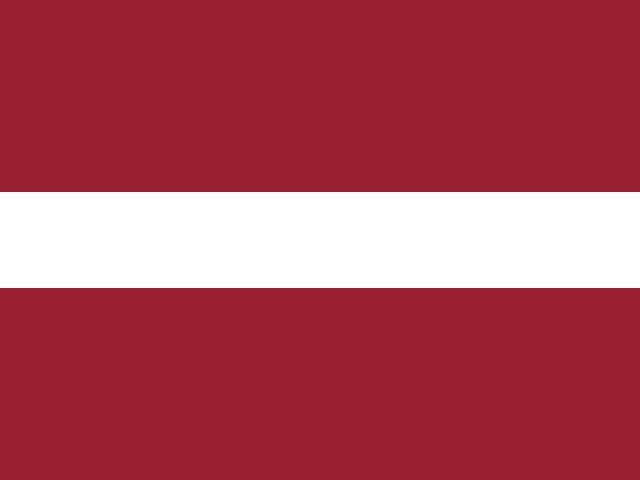 Latvia
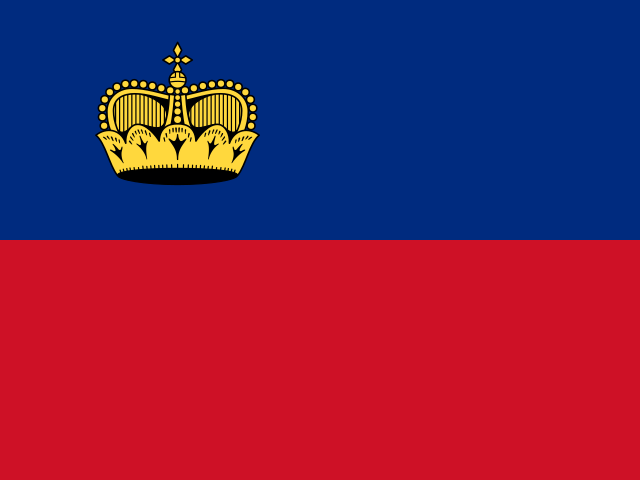 Liechtenstein
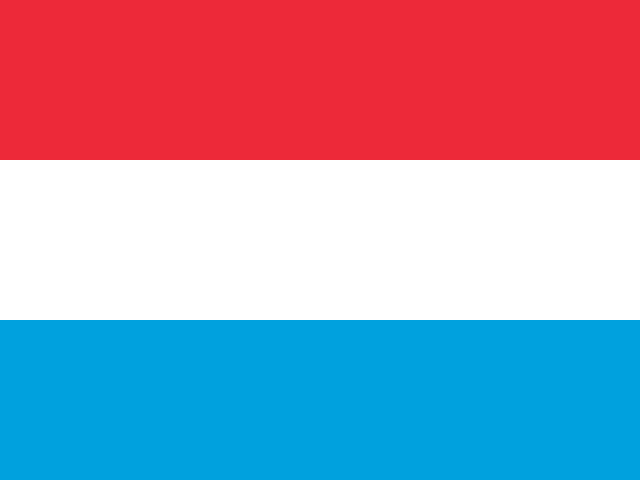 Luxembourg
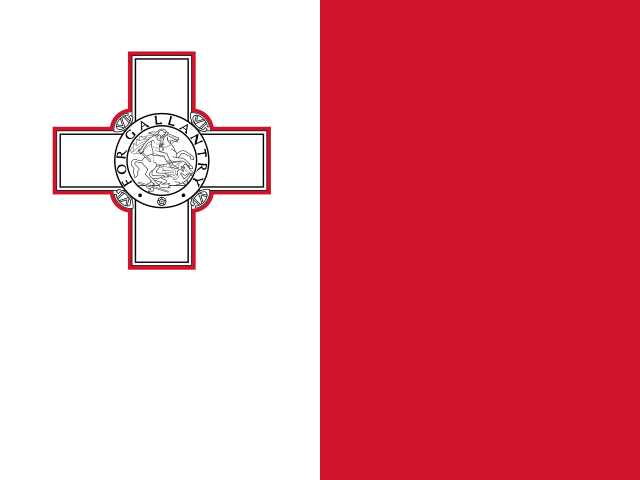 Malta
 Netherlands
 Norway
 Poland
 Portugal
 Romania
 Slovakia
 Slovenia
 Spain
 Sweden
 Switzerland
- Up to 90 days in any 180
- One visa for every member
- No border checks between members
Whether you need the visa at all depends on your passport. Check the entry rules for Lithuania before you plan the route.
Outdoor adventures in Lithuania
Lithuania has sandy Baltic beaches, forest lakes and wetlands for wildlife watching. Outdoor options include boat trips around Trakai, coastal water sports, cycling and hot-air balloon flights.
Curonian Spit water sports
More to doLithuania Minornear Klaipėda
Take the short ferry ride from Klaipėda to the Curonian Spit. The west coast is described as good for water sports.
- The west coast is breezy.
- Bring waterproofs and warm clothes.
Palanga beaches
Beachenear Palanga
Head to the long sandy beaches at Palanga, where there is an L-shaped pier.
Aukštaitija National Park wildlife watching
WildlifeAukštaitija
Visit Aukštaitija National Park for its lakes, forests and wildlife. Access details and guided trips are not listed.
- Forest ticks can carry Lyme disease and viral encephalitis.
- Bring waterproofs and warm clothes.
Nemuno Delta birdwatching
Wildlifenear Šilutė
Visit the Nemuno Delta wetlands near Šilutė for birdwatching. Specific access points and operators are not listed.
Trakai lake boat trips and hire
More to donear Trakai
Find boat-trip and boat-hire operators along the shore facing Trakai Island Castle.
- The nearby Olympic Sports Centre's training waters are not open to casual visitors.
Vilnius hot-air balloon flights
More to donear Vilnius
Arrange a flight with an operator such as Oreiviai or Smile. Flights take place above Vilnius and elsewhere in Lithuania.
- Cost: About €140 per person in 2023.
Smiltynė Beach
BeacheLithuania Minornear Klaipėda
Take the short ferry ride from Klaipėda to the Curonian Spit. Smiltynė is at its northern tip, across the channel from downtown.
Curonian Lagoon bathing
BeacheLithuania Minornear Klaipėda
Reach the Curonian Spit by the short ferry ride from Klaipėda, then use the lagoon side for bathing.
- The sheltered lagoon is described as better for children's bathing than the breezy west coast.
Giruliai Beach
BeacheLithuania Minornear Klaipėda
The beach is north of Klaipėda. Bus routes 4, 6 and 24 provide access to the Giruliai and Melnragė beaches.
Melnragė Beach
BeacheLithuania Minornear Klaipėda
The beach is north of Klaipėda. Bus routes 4, 6 and 24 provide access to the Giruliai and Melnragė beaches.
Panemunės Park Beach
BeacheSūduvanear Kaunas
Find the beach on the river loop west of Panemunės Park. From the city-centre side, cross Panemunės Bridge 2 km south or Three Virgins footbridge 2 km north.
Kaunas Lake Beach
BeacheSūduvanear Kaunas
Head to Pažaislis peninsula, 200 m west of the monastery. Trolleybuses 9 and 12 serve the beach in summer only.
Lampedžiai Lake Beach
BeacheSūduvanear Kaunas
The beach is 4 km west of central Kaunas. Take bus 48 from Kaunas Castle or bus 9 from the Silainiai district.
- The sand is coarse, so beach shoes may help.
Žemaičių Kalvarija Stations of the Cross walk
HikeSamogitia
Follow the Stations of the Cross walking route around Žemaičių Kalvarija village.
Vilnius Yacht Club annual regatta
Sailingnear Trakai
May–June, when the annual regatta takes place.The club is based on the promontory west of Varnikai Mound in Trakai. Visitor participation arrangements are not listed.
Aluona Golf and Country Club
More to donear Trakai
The golf club is 10 km south of Trakai, near Anglininkai village.
Plytinės outdoor go-karting
More to donear Vilnius
Head to Plytinės, a full-scale outdoor go-kart track 5 km northeast of central Vilnius.
Ekrano Lake water sports and fishing
More to doAukštaitijanear Panevėžys
Find Ekrano Lake 500 m east of Skaistakalnis Park in Panevėžys.
Panevėžys Culture and Leisure Park cycling trails
CyclingAukštaitijanear Panevėžys
Use the cycling trails in Culture and Leisure Park on Parko street. The park stretches west of town along the south riverbank.
Airports, metros and trains in Lithuania
Airports with scheduled flights
- KUNKaunas International AirportKaunasMain international airport
- PLQPalanga International AirportPalangaMain international airport
- VNOVilnius International AirportVilniusMain international airport
Trains
- Rail network
- 1,910 km
- Electrified
- 156 km
People and safety in Lithuania
Religion
Most people are Christian. Mixed.
- Christian79%
- Jewish14%
- No religion6%
- Other<1%
LGBT+ travellers
Legal
- Same-sex couples can form civil unions, but not marry.
- Legal gender change is recognised.
- Laws protect against discrimination.
Women travellers
Ranked #15 of 181 countries for women's safety, inclusion and justice.
65% of women say they feel safe walking alone at night where they live.
Who can visit without a visa
Travellers from 93 of 198 countries can visit Lithuania easily: no visa, a visa at the airport, or a short online form.
- Visa not required82
- Freedom of movement11
- Visa required104
- Admission refused1
Who can visit easily, by part of the world
For each part of the world: how many countries' travellers can come easily. Easy means no visa, a visa at the airport, or a short online form.
- Europe43 of 45 countries
- Americas26 of 35 countries
- Oceania10 of 14 countries
- Asia12 of 50 countries
- Africa2 of 54 countries
Questions
What clothes should I pack?
Bring waterproof clothing and warm layers in every season. Summer has the most rain, while winters bring snow, sleet and average temperatures around -5°C.
Can I travel around without booking online?
You can buy train tickets at stations using ticket machines that accept bank cards. Staff at the Information Centre can help with the machines, and onboard purchase is available when you board at a rural station without ticket facilities.
Can I get by with English?
English is widely spoken by younger people. Many older people do not speak English, so learning a few Lithuanian basics is useful.
What money does Lithuania use, and should I tip?
Lithuania uses the euro. A tip of about 5% is appreciated, but check whether it is already included in your bill.
Is tap water safe to drink?
Yes, tap water is safe to drink.
Where should I stay for a first visit?
Vilnius has the widest choice of accommodation, and Kaunas also has a good selection. Either can be a base for day trips.
Is it easy to find vegetarian or vegan food?
Vilnius and Kaunas offer better choices. Finding suitable meals may be harder elsewhere, as traditional food often includes meat.
Where can I go to the beach?
Palanga has long sandy beaches and an L-shaped pier. The Curonian Spit offers water sports on its west coast and a sheltered lagoon better suited to children bathing.
Can I buy a local SIM card after arriving?
Yes, prepaid SIM cards are sold at kiosks and chain stores. Compare coverage and charges for use in other countries before choosing.
What number should I call for medical help?
Call 112 for urgent medical or rescue help. Call 113 for non-urgent medical information or advice about first aid.
 Reviewed by @snuck