
Northern Europe
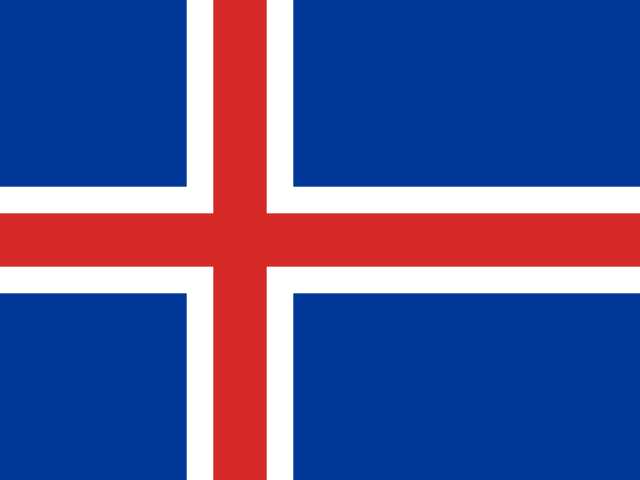 Northern Europe
IcelandTravel guide
- Reykjavík
- Akureyri
- Egilsstaðir
- Hafnarfjörður
- Höfn
- Húsavík
Iceland is an island country in the North Atlantic Ocean. Its landscapes include glaciers, volcanoes, rivers and waterfalls. Reykjavík is the capital.
Why go
See waterfalls, geysers and volcanic landscapes.
Relax in geothermal pools and hot springs.
Go hiking, glacier walking or ice climbing.
Look for the Northern Lights during the darker months.
Take a whale-watching trip.
Best time to go: Summer is the best time to visit, though it is busier. Early or late winter can offer lower prices and snowy scenery, but some places are inaccessible.
Getting there
By air
- Keflavík International Airport is the main international airport. It is about 40 km from Reykjavík.
- FlyBus connects the airport with Reykjavík BSÍ bus terminal in about 45 minutes. Flybus+ also serves selected hotels.
- Some airport buses stop at the Blue Lagoon before continuing to Reykjavík.
By sea
- Smyril Line's Norröna ferry sails from Hirtshals in Denmark through Tórshavn in the Faroe Islands to Seyðisfjörður. It runs once or twice a week.
- The ferry carries cars, so you can bring your own vehicle from mainland Europe.
Customs
- All travellers entering Iceland must pass through customs checks, including those arriving from European Union countries.
- Passengers who must collect and recheck their baggage also go through customs at their entry point.
Getting around
Car
A car gives you the most flexibility. Booking a rental in advance is often cheaper. Drive on the right. Keep headlights on and wear seat belts at all times. Route 1, also called the Ring Road, goes around the country. Roads marked with an F require a four-wheel-drive vehicle. Most mountain roads remain closed until late June or later. Driving off roads is forbidden and can lead to large fines. Slow down before a paved road changes to gravel. At a one-lane bridge, let a vehicle that arrived first cross first. Check road and weather information before travelling. Carry extra food in case roads close. Do not drink and drive.
Bus
Strætó runs buses around the capital and between towns. PublicTransport.is lists public transport services. Capital-area buses accept cash or payment through the Klappið phone app. Drivers do not give change. Ask for a ticket if you pay cash. The source states that tickets allow travel for 75 minutes. Some buses stop as early as 18:00. Sunday services start around 09:30 to 10:00. Long-distance buses can cost more than flights, and some routes have only a few services each day.
Domestic flight
Domestic flights are a main way to travel within Iceland alongside road transport. Flights from Reykjavík use Reykjavík Airport, rather than Keflavík International Airport. Flights into fjords, such as at Akureyri, can be bumpy.
Organised tour
Golden Circle day tours leave from Reykjavík and visit waterfalls, geysers and historic landscapes. Summer tours use special four-wheel-drive buses to reach places in the interior. Check the currency before booking. Tour prices may be shown in euros, dollars or Icelandic krónur.
What to see and do
Gullfoss
A spectacular waterfall.
Geysir and Strokkur
Geysir gave geysers their name. Nearby Strokkur erupts about every five minutes.
Þingvellir National Park
See water-cut lava fields and the site of Iceland's parliament from 930.
Vatnajökull
Europe's largest glacier lies in southeast Iceland.
Jökulsárlón
Iceland's largest glacier lake lies off Route 1 and is part of Vatnajökull glacier.
Northern Lights
Look away from city lights from September to April. Seeing them requires darkness, clear skies and solar activity, so a sighting is uncertain.
Food and drink
Skyr
A yoghurt-like cheese sold in plain and flavoured varieties. It is low in fat and high in protein.
Harðfiskur
Dried fish pieces eaten as a snack, often with butter.
Hangikjöt
Smoked lamb.
Rúgbrauð
A sweet rye bread baked underground using geothermal heat.
Pylsa
A hot dog made with lamb sausage. Common toppings include onions, ketchup, mustard and remoulade sauce.
Kjötsúpa
Lamb soup sold by some food trucks and carts in Reykjavík. A version without meat is also available.
Money
Icelandic króna (ISK), written as kr.
- Iceland is generally very expensive. Food, accommodation and everyday shopping can take a large share of your budget.
- Bónus, Netto and Krónan offer lower grocery prices than other shops.
- Second-hand shops in central Reykjavík can be useful for buying cheaper warm clothing.
- The Reykjavík City Card is a tourist discount card run by the city.
Tipping: Tipping is not customary and can sometimes cause offence. Verbal praise is a better way to thank someone for good service.
Typical costs
- A pint of beer or glass of wine: 700–1,200 kr.
- A pizza for one person: 1,900–2,400 kr.
- Coffee or an espresso drink: 350–900 kr.
- Camping: 1,200–2,000 kr per person per night.
- Car rental: at least 4,000 kr per day for a two-wheel-drive car, or upwards of 12,000 kr for four-wheel drive. These figures include basic insurance.
- FlyBus to Reykjavík BSÍ terminal: 3,999 kr one way or 7,299 kr return, as of September 2025.
- Metered taxi from Keflavík Airport to Reykjavík: about 22,000 kr, as of May 2025.
Language
- Icelandic is the official language.
- English is widely spoken, and most people visitors meet speak it fluently.
- Attempts to speak Icelandic are appreciated.
- malbik endar
- The paved road ends and changes to gravel.
- einbreið brú
- A one-lane bridge is ahead.
- hálf tíu
- Half past nine, or 9:30.
Staying safe
- Crime is uncommon, but isolated incidents occur, especially in Reykjavík. Take normal precautions when out at night.
- Check alerts from the Icelandic weather institution for severe weather and volcanic eruptions.
- Keep your phone switched on. Alerts may arrive by text message on phones in the affected area.
- Weather changes quickly, and strong winds can occur in any season. Carry warm, waterproof clothing.
Local customs
Do
- Use people's first names, as Icelanders do in most situations.
- Treat waiters and other service workers as equals.
- Take your shoes off when entering a private home, unless your host says otherwise.
- Be polite when asked what you think of Iceland. Excessive praise is unnecessary.
- Respect traditions about the hidden people, called huldufólk. Open scepticism can seem rude.
Don't
- Do not call an Icelandic horse a pony.
- Do not brag, show off or expect special treatment.
- Do not assume family members share the same last name. Many Icelandic last names come from a parent's first name.
- Do not feel obliged to eat unfamiliar traditional dishes. A polite refusal is acceptable.
Staying healthy
- Medical facilities are good. A European Health Insurance Card and passport can give eligible travellers access to subsidised treatment.
- Travellers from outside the European Union should check whether their travel insurance covers medical treatment.
- Accidental injury and bad weather are major health risks. Pack more than enough warm, waterproof clothing.
- Tap water is safe to drink. Hot tap water can smell of sulphur because of geothermal heating, but the source also describes it as safe.
Where to stay
- Book a month or more ahead for July, August and even September to improve your chances of finding suitable, affordable accommodation.
- Hotels are generally clean and well maintained, but expensive. You can phone ahead to reserve a room.
- Guesthouses usually sit between hotels and hostels in price and service. They can be cheaper than hostels for groups.
- Farm accommodation includes rooms, cottages and camping. Tourist information centres have brochures, and calling ahead is best in summer.
Schengen Area
One visa, 29 countries
A Schengen visa from any member lets you travel across all of them, with no passport checks at the borders between them. With it, a trip to Iceland can also take in:
- Austria
- Belgium
- Bulgaria
- Croatia
- Czech Republic
- Denmark
- Estonia
- Finland
- France
- Germany
- Greece
- Hungary
- Italy
- Latvia
- Liechtenstein
- Lithuania
- Luxembourg
- Malta
- Netherlands
- Norway
- Poland
- Portugal
- Romania
- Slovakia
- Slovenia
- Spain
- Sweden
- Switzerland
 Austria
 Belgium
 Bulgaria
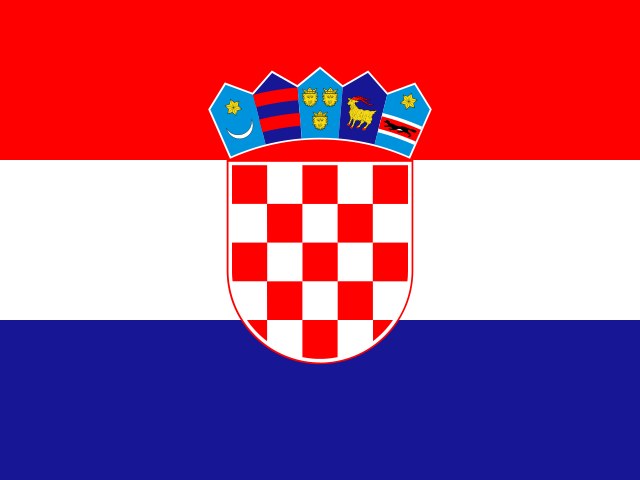 Croatia
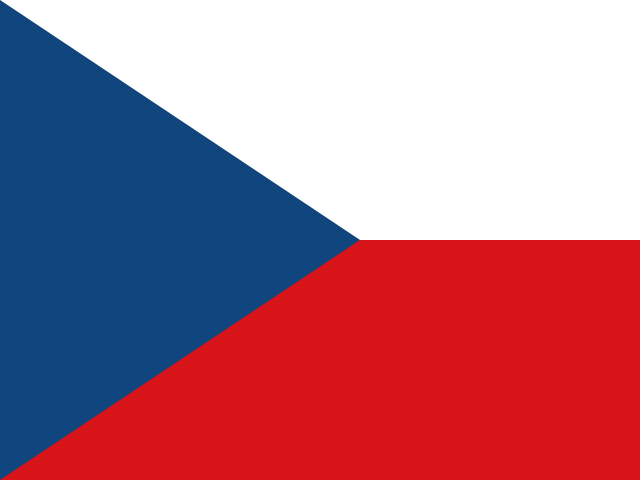 Czech Republic
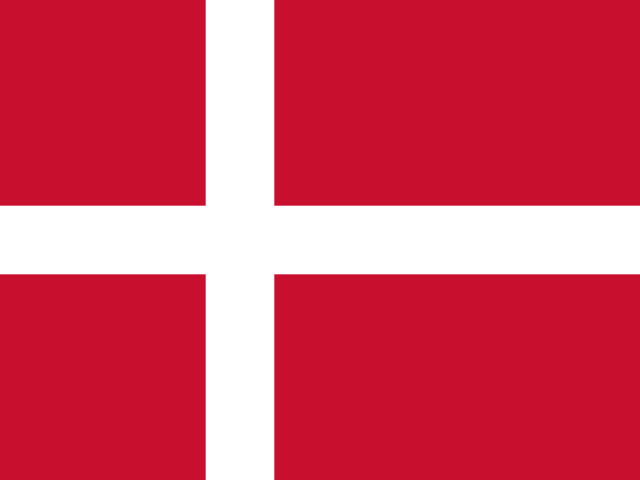 Denmark
 Estonia
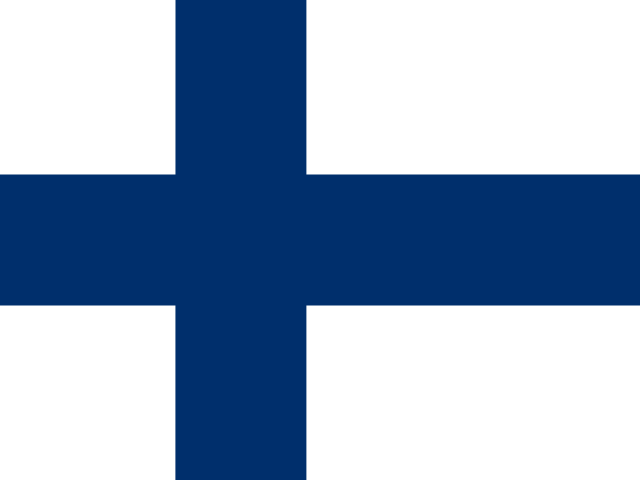 Finland
 France
 Germany
 Greece
 Hungary
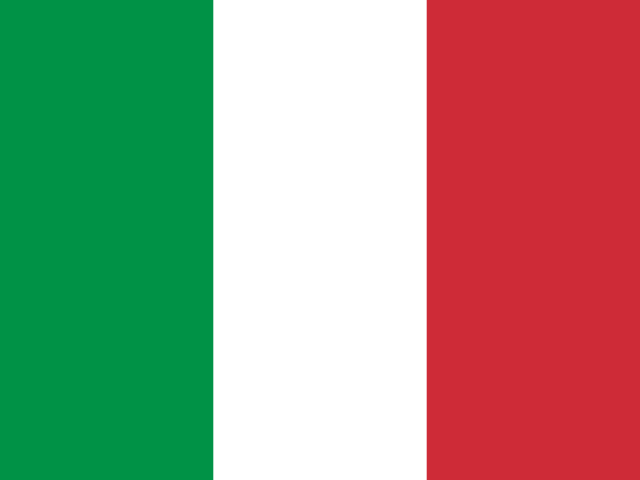 Italy
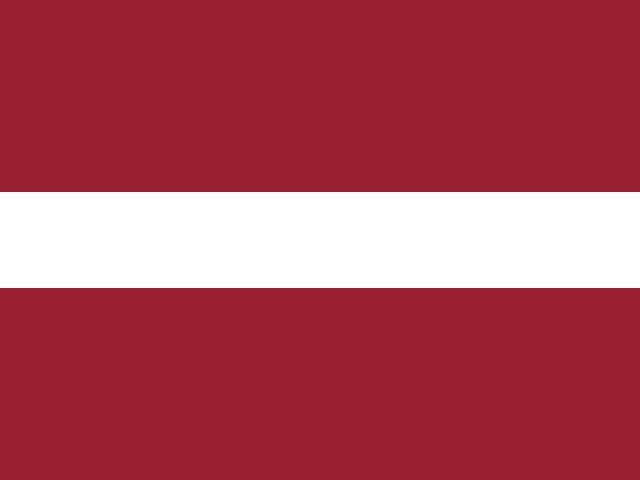 Latvia
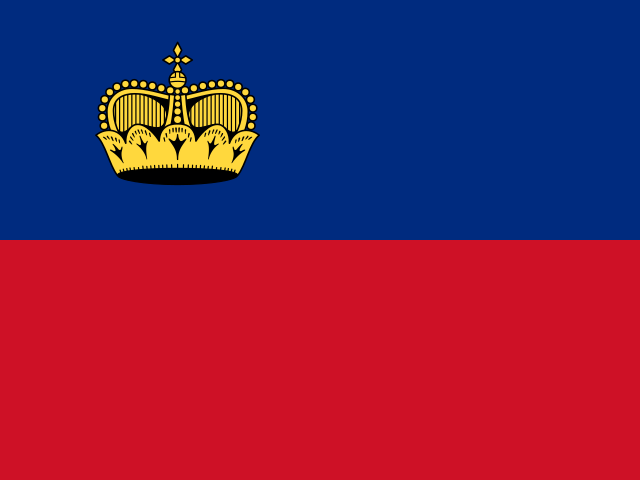 Liechtenstein
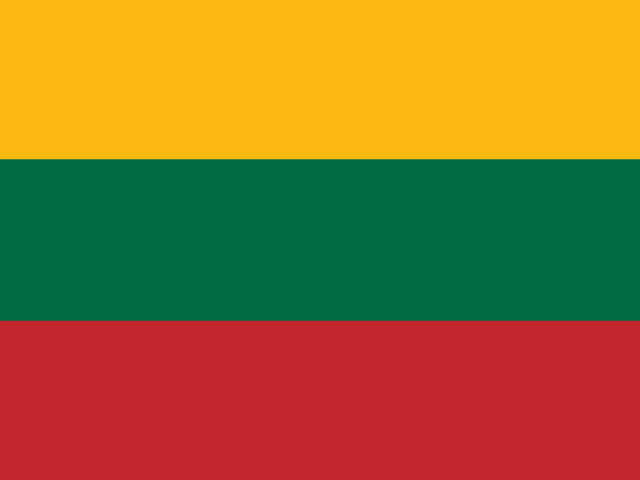 Lithuania
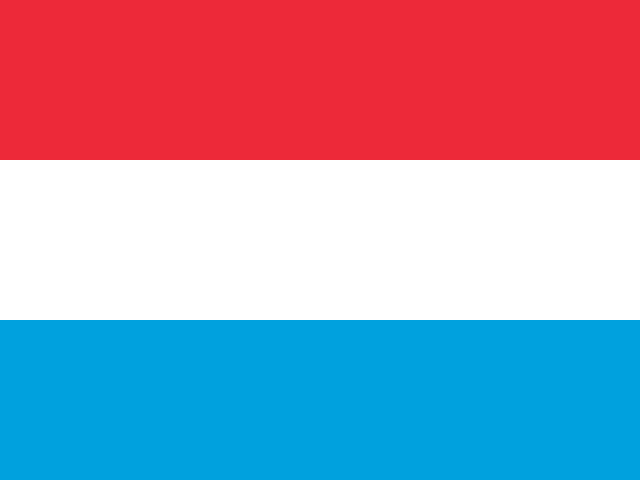 Luxembourg
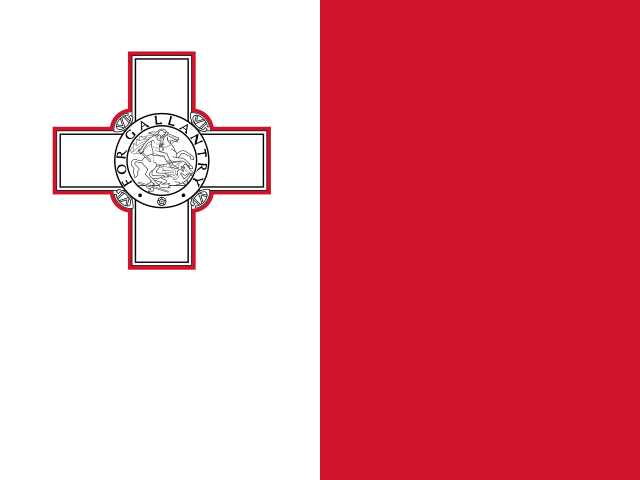 Malta
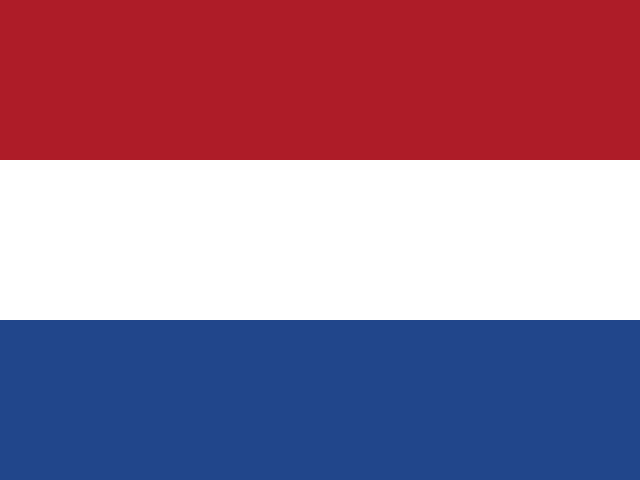 Netherlands
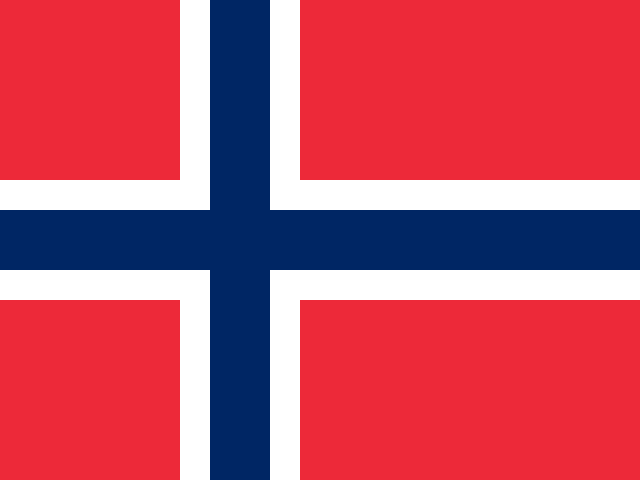 Norway
 Poland
 Portugal
 Romania
 Slovakia
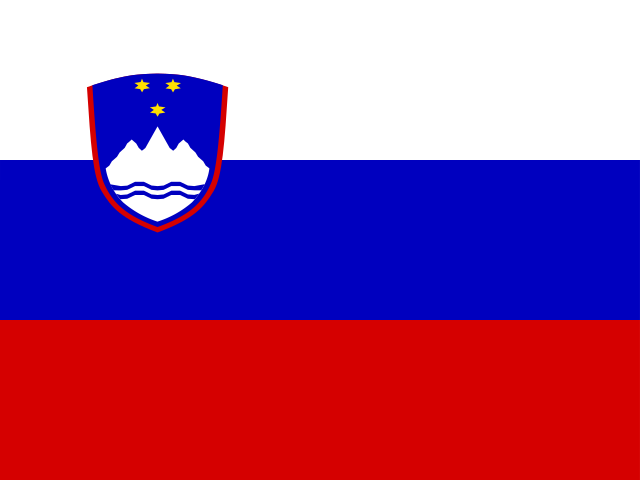 Slovenia
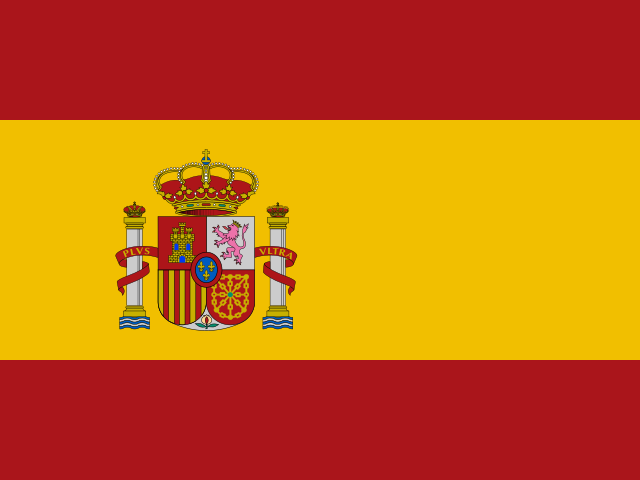 Spain
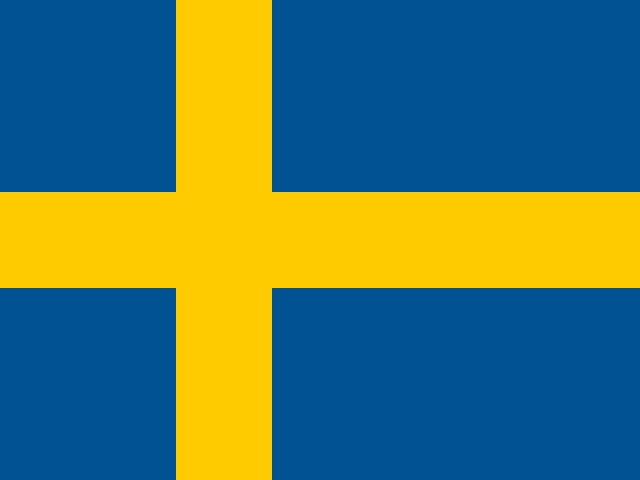 Sweden
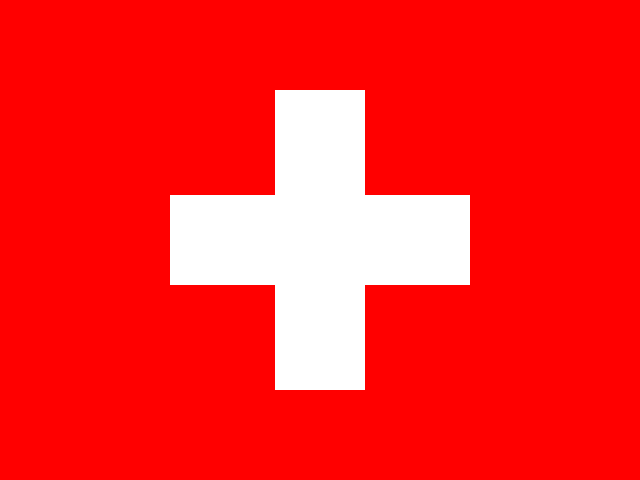 Switzerland
- Up to 90 days in any 180
- One visa for every member
- No border checks between members
Whether you need the visa at all depends on your passport. Check the entry rules for Iceland before you plan the route.
Trips to Iceland
Day-by-day itineraries by snuck, shaped around you.
Outdoor adventures in Iceland
Iceland offers glacier walks, volcanic landscapes, whale watching and warm geothermal baths. Summer is the best general season for exploring, but weather can change suddenly at any time of year.
Vatnajökull glacier hiking at Skaftafell
HikeSoutheast Iceland
Join a guided glacier walk. Skaftafell is a main centre for glacier hiking.
- Do not walk on glaciers without proper training and equipment.
- Do not approach the front of a glacier.
Blue Lagoon
Hot springSouthwest Icelandnear Reykjavík
Visit the geothermal spa between Reykjavík and the main airport.
Þingvellir National Park
More to donear Reykjavík
Drive a rental car to the park, 30–50 km east of Reykjavík.
- Check weather and road conditions daily.
Jökulsárlón glacier lagoon
More to doSoutheast Iceland
Visit by rental car from Route 1.
- Do not approach the front of a glacier.
- Prepare for sudden weather changes.
Gullfoss waterfall
More to do
Visit by rental car or arrange an excursion through a tour company.
- Keep away from the waterfall's edge and use signposted safe areas.
Geysir and Strokkur
More to do
Visit the neighbouring geysers by rental car.
- Take extra care in geothermal areas. Ground can break underfoot above boiling water.
Húsavík whale watching
Wildlifenear Húsavík
SummerTake a whale-watching trip from Húsavík.
Reykjavík whale watching
WildlifeSouthwest Icelandnear Reykjavík
Available all yearTake a whale-watching trip from Reykjavík.
Mývatn Nature Baths
Hot spring
Visit the baths for geothermal bathing.
Snæfellsjökull National Park
More to doWest Iceland
Drive to the tip of the Snæfellsnes Peninsula to visit the park.
- Do not walk on glaciers without proper training and equipment.
- Check weather and road conditions daily.
Strýtan hydrothermal chimney
Scuba divingEyjafjörður, North Icelandnear Akureyri
Join a guided dive through Strýtan DiveCenter in Hjalteyri.
- Permit: Diving at this protected site is allowed with a guide.
- This dive is reserved for more experienced divers.
- The water is cold all year; dry suit diving is suitable.
Arnarnesstrýtur
Scuba divingNorth Icelandnear Akureyri
Arrange a guided dive with the local dive centre. The site is reached by a small inflatable boat.
- The water is cold all year; dry suit diving is suitable.
- The minimum age for scuba diving is 17.
Akureyri ski area
SkiingNorth Icelandnear Akureyri
Use Akureyri as your base for visiting its small ski area.
- Prepare for sudden weather changes and bitter winter winds.
Troll Peninsula skiing
SkiingNorth Iceland
Explore skiing options in the mountains of the Troll Peninsula.
- Prepare for sudden weather changes and bitter winter winds.
Elding Whale Watching Akureyri
WildlifeNorth Icelandnear Akureyri
Book with Elding Whale Watching Akureyri at Oddeyrarbót 2.
- Cost: Adults: ISK 10,990–17,990 depending on the tour. Children: 50% off. Under 7: free.
Hengifoss waterfall walk
HikeEast Icelandnear Egilsstaðir
Cross the Lagarfljót bridge on Route 1, turn left onto Route 931, and park at the end of the lagoon. Walk uphill towards the waterfall.
- Keep a safe distance from the waterfall.
Stuðlagil canyon
More to doUpper Jökuldalur, East Icelandnear Egilsstaðir
Visit the canyon in Upper Jökuldalur.
Hallormsstaðaskógur forest walks
HikeEast Icelandnear Egilsstaðir
Follow walking paths in the forest on the eastern side of the Lagarfljót river.
Snæfell reindeer watching
WildlifeEast Icelandnear Egilsstaðir
SummerTravel by four-wheel-drive vehicle to the mountain near road F909.
- Access requires a four-wheel-drive vehicle.
- Check weather and road conditions daily.
Helgafell hike
HikeSouthwest Icelandnear Hafnarfjörður
Go hiking on Helgafell, the town mountain of Hafnarfjörður.
- Prepare for sudden weather changes.
Hvaleyrarvatn lake walk
HikeSouthwest Icelandnear Hafnarfjörður
Take a walk around Hvaleyrarvatn on the outskirts of Hafnarfjörður.
Íshestar horse riding
More to doSouthwest Icelandnear Hafnarfjörður
Join an Íshestar horse-riding tour from its stables on the outskirts of town.
Viðey island visit
More to doKollafjörðurnear Reykjavík
Take the ferry from Sundahöfn. Bus route 5 serves the departure area.
Grótta island walk
Hikenear Reykjavík
Outside May 1–July 15, when the island is closed; cross only at low tide.Go to the western end of Reykjavík's peninsula and cross to the island at low tide.
- Return before the tide rises so you do not get stranded.
- Do not approach coastal waves.
Gásir northern lights watching
More to doNorth Icelandnear Akureyri
September–April, after dark with clear skies and solar activityDrive 11 km north of Akureyri and use the parking area after dark.
- Wear warm, waterproof clothing.
- Check weather and road conditions daily.
Airports, metros and trains in Iceland
Airports with scheduled flights
- AEYAkureyri International AirportAkureyriMain international airport
- KEFKeflavik International AirportReykjavíkMain international airport
People and safety in Iceland
Religion
Most people are Christian. Mixed.
- Christian75%
- Other15%
- No religion8%
- Folk religions1%
LGBT+ travellers
Legal and protected
- Same-sex couples can marry.
- Legal gender change is recognised.
- Laws protect against discrimination.
Women travellers
Ranked #2 of 181 countries for women's safety, inclusion and justice.
82% of women say they feel safe walking alone at night where they live.
Who can visit without a visa
Travellers from 93 of 198 countries can visit Iceland easily: no visa, a visa at the airport, or a short online form.
- Visa not required82
- Freedom of movement11
- Visa required105
Who can visit easily, by part of the world
For each part of the world: how many countries' travellers can come easily. Easy means no visa, a visa at the airport, or a short online form.
- Europe43 of 45 countries
- Americas26 of 35 countries
- Oceania10 of 14 countries
- Asia12 of 50 countries
- Africa2 of 54 countries
Questions
When is the best time to visit Iceland?
Summer is the best time, though it is busier. Early or late winter can be cheaper, but some places are inaccessible.
Can I travel without speaking Icelandic?
Yes. English is widely spoken, though trying a few Icelandic words is appreciated.
How do I get from Keflavík Airport to Reykjavík?
FlyBus runs to Reykjavík BSÍ bus terminal in about 45 minutes. Hotel transfers, taxis and pre-booked private transfers are also available.
Do I need to rent a car?
A car offers the most flexibility. You can also use buses, domestic flights and organised tours.
Is Iceland expensive?
Yes. Lower-priced supermarkets, hostels and campsites can help reduce costs.
Can I drink the tap water?
Yes. Tap water is safe to drink and of excellent quality.
When can I see the Northern Lights?
September to April offers dark enough nights. You also need clear skies and solar activity, so sightings are uncertain.
Can I book accommodation by phone?
Yes. Hotels can take reservations by phone, and calling farm accommodation ahead is recommended, especially in summer.
What clothes should I bring?
Bring warm, waterproof clothing in every season. Strong boots with ankle support are recommended for walking away from paths.
Should I leave a tip?
Tipping is not customary and can sometimes cause offence. Thanking someone with words is a better choice.
 Reviewed by @snuck