
Northern Europe
 Northern Europe
DenmarkTravel guide
- Copenhagen
- Aalborg
- Aarhus
- Esbjerg
- Nykøbing Falster
- Odense
Denmark is a small Nordic country with Viking history, well-preserved heritage, and distinctive design and architecture. Its capital is Copenhagen, and travel is generally convenient, safe and clean, but expensive.
Why go
Explore Denmark's cultural heritage, design and architecture.
Visit amusement parks such as Tivoli, Dyrehavsbakken and Legoland.
Try traditional Danish food and Copenhagen's celebrated restaurant scene.
Explore islands by ferry or follow scenic country roads.
Visit decorated town centres and enjoy seasonal food in December.
Best time to go: Summer offers mild temperatures and long days, with up to 18 hours of daylight in late June. September and October can also have bright days, but bring warm clothes and rainwear.
Getting there
By air
- Copenhagen Airport is in Kastrup, 8 km from central Copenhagen. Trains connect it with Copenhagen Central Station and towns in Sweden; buses and taxis are also available.
- Billund Airport serves Jutland and has many European connections. Regional buses and taxis connect it with nearby towns and cities.
- Aalborg Airport has flights to European destinations, though many routes are seasonal.
By land
- Trains connect Copenhagen with Sweden, including services through Malmö. Some journeys from Stockholm require a change in Malmö.
- Trains link Hamburg and Copenhagen in under five hours. Travellers heading to Aarhus can change at Kolding.
- From Germany, road E45 runs through eastern Jutland and passes Aarhus on its way to Frederikshavn.
By sea
- Hirtshals has frequent ferry connections with Norway, including routes from Kristiansand and Larvik.
- Ferries link Puttgarden with Rødby and Rostock with Gedser, connecting Germany and Denmark.
Customs
- If you need to visit customs outside a major airport, check its location and opening hours.
- Operators may check your identity before international flights, ferries or trains, even between countries in the Schengen travel area.
- Temporary border checks can take place during major events or crises.
Getting around
Public transport and tickets
Trains connect major cities, while buses serve smaller towns and rural areas. Use the online journey planner Rejseplanen to plan train, bus and ferry trips. Local tickets use travel zones and usually cover public transport for one to two hours. Regional passes may save money. The Rejsebillet app sells train and bus tickets.
Train
Buy your ticket before boarding; tickets are not sold on the train. You can buy tickets at station ticket offices, DSB 7-Eleven shops and station machines. Train doors can close up to one minute before departure. Travelling without a valid ticket can lead to a penalty fare or being asked to leave. Orange and Orange Fri tickets offer limited discounts for a specific departure. They are only sold through the Danish State Railways website or app. Seat reservations are strongly advised on the fastest express trains. Ordinary InterCity trains are often less crowded. Buy food and drinks before a long journey, as most trains do not sell them. Many trains have power sockets, and some have free wireless internet. Keep completely quiet in marked quiet zones, including avoiding phone calls.
Bus
Buses are useful for places without railway connections. Long-distance buses can cost less than trains, but some routes have only a few departures each day. If several people share one Rejsekort travel card on a bus, tell the driver before starting the journey.
Car
Drive on the right. Roads between cities are generally well maintained. The Storebælt and Øresund bridges charge tolls. The Marguerite Route follows 4,200 km of scenic roads past many attractions. Look for brown signs with a white daisy.
What to see and do
Copenhagen Botanical Garden
Visit botanical gardens in the capital.
Rundetårn
See a historic landmark tower in Copenhagen.
Louisiana
Explore a museum of modern art.
Copenhagen Zoo
Visit one of the country's major paid attractions.
Spring beech forests
May brings fresh leaves to the beech trees.
Visit an amusement park
Choose from Tivoli or Dyrehavsbakken in Copenhagen, Legoland in Billund, or parks in Jutland.
Food and drink
Pickled herring
A traditional choice served plain, with curry, or with red spices.
Leverpostejmad
A liver pâté sandwich, often served with pickled cucumber or beetroot.
Stjerneskud
Bread topped with fried and steamed fish, shrimp, vegetables and mayonnaise or dill dressing.
Flæskesteg
Sliced roast pork served with toppings such as pickled red cabbage, cucumber or mustard.
Kartoffel
Boiled, sliced potatoes served with toppings such as tomatoes, chives, fried onions and mayonnaise.
Frikadelle
A meatball served with accompaniments such as red cabbage, pickles and remoulade sauce.
Money
Danish krone (DKK), written as kr; the plural is kroner.
- Some tourist shops and beach resorts accept euros, but Denmark's currency is the krone.
- Swedish, Norwegian and Icelandic currencies are not legal tender in Denmark.
- Shops can refuse cash between 20:00 and 06:00, with exceptions including pharmacies.
- Try to use up Danish cash before leaving. Exchanging it abroad can be difficult or expensive.
Tipping: Tipping is not expected or required. Restaurant and hotel bills include service charges, and taxi drivers do not expect a tip; you can leave one for outstanding service.
Typical costs
- The source gives an average hotel double-room price of about 1,200 kr in 2024.
- Listed long-distance bus fares include 150–300 kr with Abildskou and 99–180 kr with Rød Billet.
- An anonymous Rejsekort travel card costs 80 kr, which is not refundable. The listed minimum starting balance is 70 kr, or 600 kr for journeys between regions.
- The source lists campsite prices of €40–€200 per night for a family with a caravan.
- Flights from Roskilde to small islands are listed at about 1,000 kr one way.
Language
- Danish is the national language.
- English is widely spoken, and many Danes speak it fluently.
- German is widely studied and is spoken in Southern Jutland.
- Dansk
- Danish.
- Vandrehjem
- Hostel.
- Apotek
- Pharmacy.
- Badning forbudt
- Bathing is forbidden.
- Økologisk
- Organic.
- Børnemenu
- Children's menu.
Staying safe
- Emergency services for serious accidents, crime, fire or other immediate danger; free, including from mobile phones without a SIM card.112
- Police for non-emergencies.114
- Denmark is generally very safe, but pickpocketing can happen. Some outer districts of major cities call for extra care at night.
- Obey pedestrian crossing signals, even when roads look empty. Watch for fast cyclists when crossing bike lanes, where they have right of way.
- Do not swim alone or far from land. Swim along the coast and obey warnings about dangerous currents.
- A blue beach flag means excellent water quality, green means good, and red means bathing is not advised. Do not enter water where signs say Badning forbudt.
Local customs
Do
- Be on time, especially for appointments.
- Respect personal space and use a handshake with people you do not know well.
- Be honest and keep your word.
- Handle complaints politely and calmly, including in restaurants.
- Bring a small gift, such as chocolate, flowers or wine, when invited to someone's home.
- Accept that first names and informal speech are normal. Missing formal greetings does not necessarily mean someone is rude.
Don't
- Do not talk or make phone calls in marked train quiet zones.
- Do not touch or slap the back of someone you do not know well.
- Do not brag or show off your achievements.
- Do not ask about someone's income, house price or other private finances unless you know them well.
- Do not assume a Dane is Swedish or Norwegian.
- Avoid pressing people about their religion. Immigration and politics can also be sensitive subjects.
Staying healthy
- Tap water is safe to drink unless a sign says otherwise. Restaurants may charge for serving it.
- Visitors receive free emergency care until they are well enough to travel home. Travel insurance matters for further treatment and transport home, which the public system does not cover.
- Dental treatment can be expensive, and visitors may need to pay the full bill or claim through insurance.
- Pharmacies are called Apotek, and major cities usually have a 24-hour pharmacy. Check medicines by their generic name because brands can differ and some medicines require a prescription.
Phone and internet
- Free wireless internet is available on InterCity and express InterCity trains, and on some regional trains.
- Many campsites include wireless internet access.
- Rejseplanen is an online journey planner for trains, buses and ferries.
Where to stay
- Danhostel is the national hostel network. Look for signs saying Vandrehjem, the Danish word for hostel.
- Copenhagen and Aarhus also have some independent youth hostels.
- Hotels are expensive, and breakfast is usually not automatically included. Budget chains include Zleep and Cab-inn.
- Bed and breakfasts and farm stays offer alternatives to hotels.
Schengen Area
One visa, 29 countries
A Schengen visa from any member lets you travel across all of them, with no passport checks at the borders between them. With it, a trip to Denmark can also take in:
- Austria
- Belgium
- Bulgaria
- Croatia
- Czech Republic
- Estonia
- Finland
- France
- Germany
- Greece
- Hungary
- Iceland
- Italy
- Latvia
- Liechtenstein
- Lithuania
- Luxembourg
- Malta
- Netherlands
- Norway
- Poland
- Portugal
- Romania
- Slovakia
- Slovenia
- Spain
- Sweden
- Switzerland
 Austria
 Belgium
 Bulgaria
 Croatia
 Czech Republic
 Estonia
 Finland
 France
 Germany
 Greece
 Hungary
 Iceland
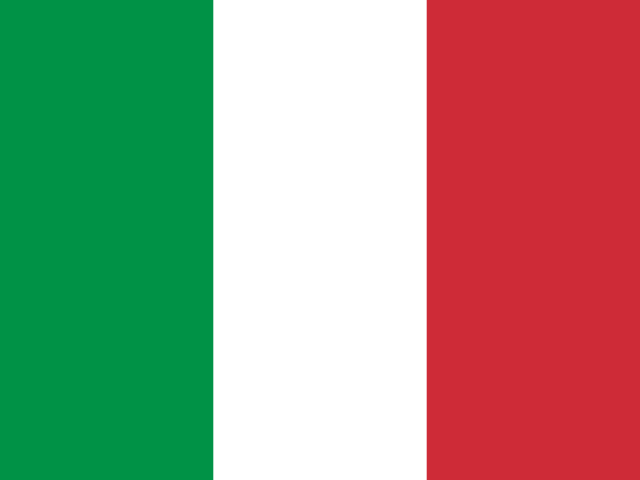 Italy
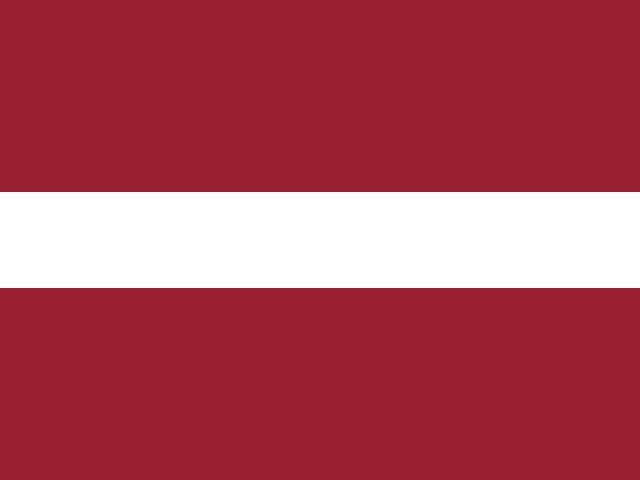 Latvia
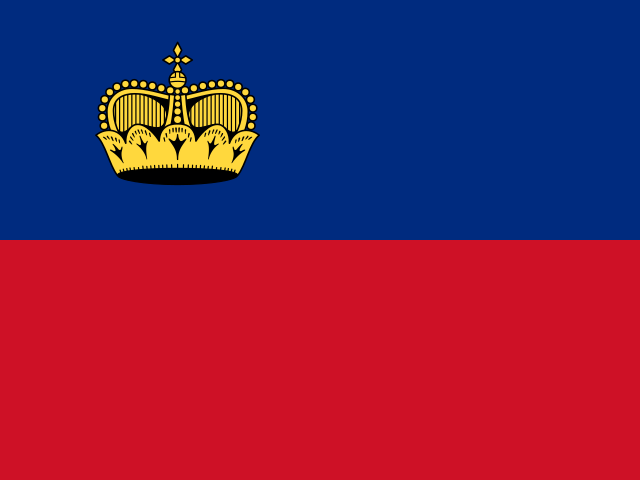 Liechtenstein
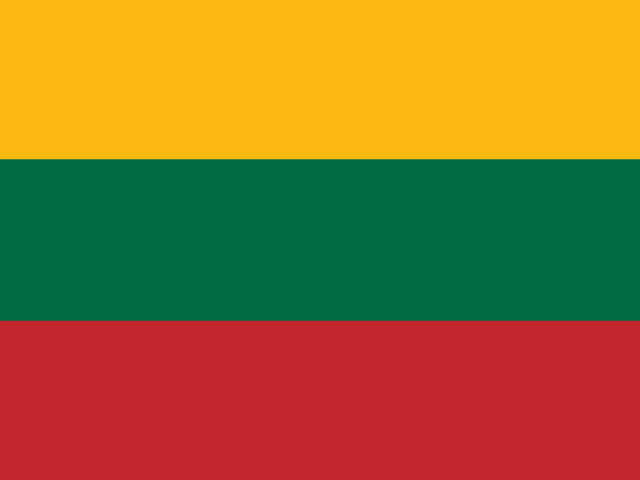 Lithuania
 Luxembourg
 Malta
 Netherlands
 Norway
 Poland
 Portugal
 Romania
 Slovakia
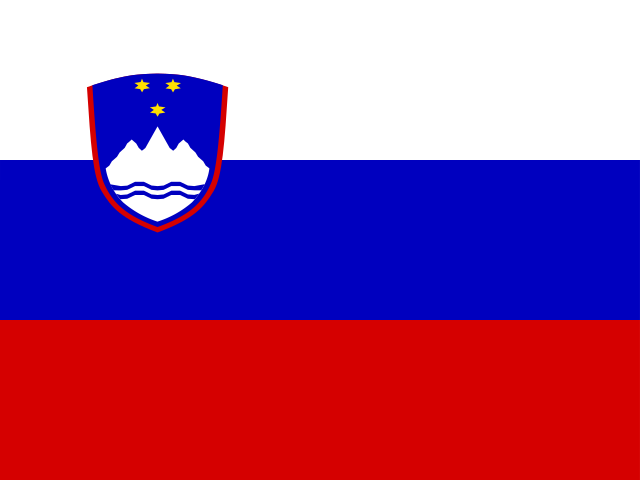 Slovenia
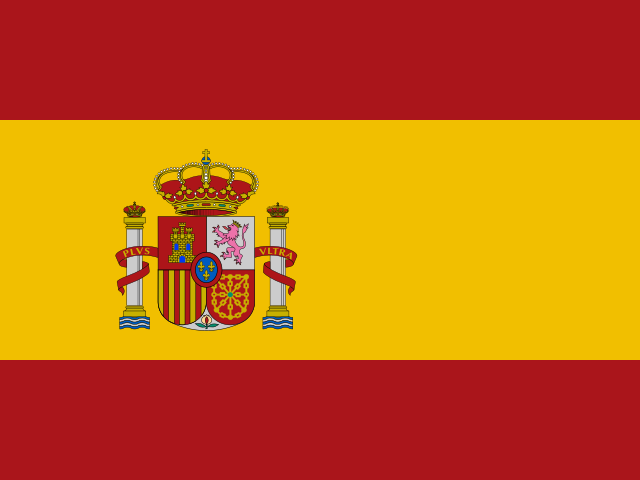 Spain
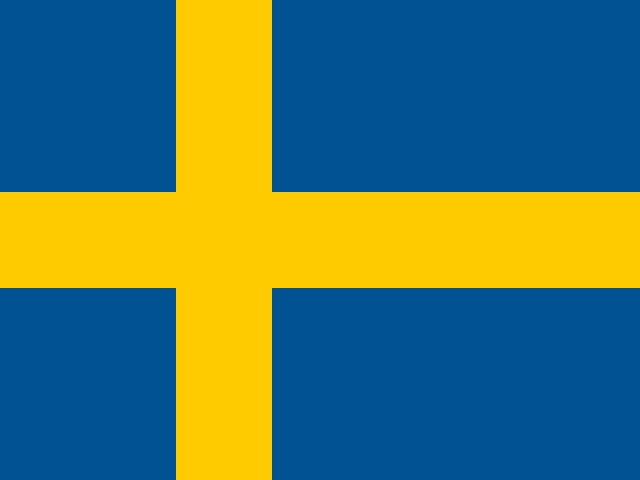 Sweden
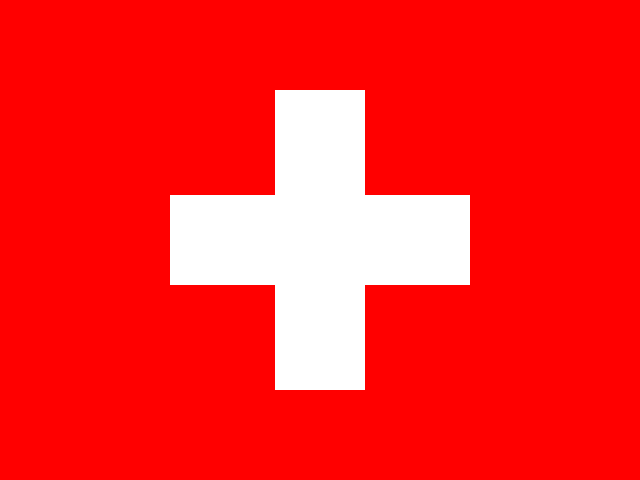 Switzerland
- Up to 90 days in any 180
- One visa for every member
- No border checks between members
Whether you need the visa at all depends on your passport. Check the entry rules for Denmark before you plan the route.
Outdoor adventures in Denmark
Denmark has sandy beaches, coastal national parks and flat countryside suited to cycling. You can surf on the North Sea coast, paddle rivers and island waters, or watch birds and seals. Weather changes quickly, so bring rainwear and keep your plans flexible.
Cold Hawaii surfing
SurfingNorth Sea coast
Head to Cold Hawaii on the North Sea coast for surfing.
- Weather can change quickly.
Thy National Park
More to doNorth Jutland
Visit the national park on North Jutland's North Sea coast.
- Bring rainwear and allow for changing weather.
Wadden Sea National Park
WildlifeSouth Jutland
Visit the tidal coastal landscape on the west coast of South Jutland.
- Small-island beaches in the Wadden Sea are affected by tides.
- Obey beach warnings about currents and swimming.
Denmark cycling network
CyclingNationwide
EasyUse Ruter.dk to explore the national network of bike routes and plan a cycling holiday.
- Some narrow rural roads have fast traffic and no bike lanes.
- Avoid those roads unless you are a skilled, alert cyclist.
South Funen Archipelago sea kayaking
KayakingSydfynske Øhavnear Svendborg
Explore the waters around the islands south of Svendborg by sea kayak.
- Allow for changing weather.
Limfjorden sea kayaking
KayakingLimfjorden
Paddle the Limfjorden sound, especially around the islands of Fur and Mors.
- Allow for changing weather.
Copenhagen channels kayaking
KayakingZealandnear Copenhagen
Explore Copenhagen's channels by kayak.
Silkeborg lakes and rivers canoeing
KayakingSilkeborg areanear Silkeborg
Canoe the lakes and rivers around Silkeborg. Canoe and kayak equipment is generally easy to rent in Denmark.
Skjern Å canoeing
KayakingSkjern Å National Park
Explore the Skjern Å area by canoe. Equipment rental is generally easy to find for paddling in Denmark.
Ribe creek canoeing
Kayakingnear Ribe
Paddle Ribe creek by canoe. Canoe and kayak equipment is generally easy to rent in Denmark.
Uggerby creek canoeing
KayakingNorthern Jutland
Explore Uggerby creek by canoe. Equipment rental is generally available for paddling in Denmark.
Mølle Å canoeing
KayakingZealandnear Copenhagen
Canoe Mølle Å, also called Mill Creek, near Copenhagen.
Suså canoeing
KayakingSouthern Zealand
Explore Suså by canoe. Canoe and kayak equipment is generally easy to rent in Denmark.
Mols Bjerge National Park
More to doEast Jutland
Visit the national park by the Kattegat Sea in East Jutland.
- Check your body for ticks after spending time in tall vegetation.
Kongernes Nordsjælland National Park
More to doNorth Zealand
Visit the national park north of Copenhagen.
- Check your body for ticks after spending time in tall vegetation.
Skjoldungernes Land National Park
More to doZealandnear Roskilde
Visit the landscape of inlets, marshes and fjords near Roskilde.
Amager Strandpark
BeacheZealandnear Copenhagen
SummerVisit the beach park in Copenhagen.
- Do not swim alone.
- Stay close to shore and obey swimming warnings.
Fanø beaches
BeacheFanønear Esbjerg
SummerTake the ferry from Esbjerg Harbour. The crossing takes 10 minutes.
- Do not swim alone.
- Obey warnings about currents and tides.
Den Permanente sea bath
BeacheEast Jutlandnear Aarhus
Public section year-round; inner beach in June and AugustCycle along the bay below Riis Skov forest, or walk through the forest to the sea bath.
- Cost: Free
- Check bathing water quality after heavy rain.
- Do not swim alone.
Moesgaard Beach
BeacheEast Jutlandnear Aarhus
SummerTravel 12 kilometres south of central Aarhus by bicycle, car or bus. Bus 31 runs from Aarhus Bus Station. You can also walk along the coast or follow the Prehistoric Trail from Moesgaard Museum.
- Lifeguards patrol during the peak season.
- Check bathing water quality after heavy rain.
Bellevue Beach Park
BeacheEast Jutlandnear Aarhus
SummerHead to the northern outskirts of Aarhus, beyond Riis Skov forest.
- Water can be less clean than at other Aarhus beaches, especially after heavy rain.
- Check bathing water quality before swimming.
Åkrogen windsurfing and kitesurfing
SurfingEast Jutlandnear Aarhus
Visit the beach park around the marina north of central Aarhus.
- The beach has no lifeguard patrol.
Aarhus Havbane snorkelling and sea swimming
SnorkellingEast Jutlandnear Aarhus
Go to the marked sea swimming course along Aarhus Ø. Snorkel around the large granite boulders in the water.
- Cost: Free
- Do not swim alone.
- Check bathing water quality after heavy rain.
Lille Vildmose birdwatching
WildlifeNorth Jutlandnear Aalborg
Take bus 56 on the Aalborg–Mou route, or bus 58/458 on the Hobro–Hadsund route via Als and Øster Hurup. Walk the final 1.5 kilometres to the visitor centre.
- Check your body for ticks after spending time in tall vegetation.
Anholt seals and desert landscape
WildlifeAnholt
Visit the secluded island between Denmark and Sweden, more than 45 kilometres from the nearest mainland.
Airports, metros and trains in Denmark
Airports with scheduled flights
- AALAalborg AirportAalborgMain international airport
- AARAarhus AirportAarhusMain international airport
- BLLBillund AirportBillundMain international airport
- CPHCopenhagen Kastrup AirportCopenhagenMain international airport
- ODEOdense Hans Christian Andersen AirportOdenseMain international airport
Metro and subway
- CopenhagenCopenhagen Metro44 stations43.3 kmsince 2002
Trains
- Rail network
- 2,610 km
- Electrified
- 964 km
- High-speed lines
- 60 km
- Top speed
- 200 km/h
People and safety in Denmark
Religion
Most people are Christian. Mixed.
- Christian76%
- No religion19%
- Muslim4%
- Other<1%
LGBT+ travellers
Legal and protected
- Same-sex couples can marry.
- Legal gender change is recognised.
- Laws protect against discrimination.
Women travellers
Ranked #1 of 181 countries for women's safety, inclusion and justice.
85% of women say they feel safe walking alone at night where they live.
Who can visit without a visa
Travellers from 93 of 198 countries can visit Denmark easily: no visa, a visa at the airport, or a short online form.
- Visa not required82
- Freedom of movement11
- Visa required105
Who can visit easily, by part of the world
For each part of the world: how many countries' travellers can come easily. Easy means no visa, a visa at the airport, or a short online form.
- Europe43 of 45 countries
- Americas26 of 35 countries
- Oceania10 of 14 countries
- Asia12 of 50 countries
- Africa2 of 54 countries
Questions
Which territories belong to Denmark?
Faroe Islands and Greenland.
Do I need a separate visa for Denmark's territories?
Often yes. Territories such as Faroe Islands and Greenland can have their own entry rules, so check each one before you travel.
Can I manage without speaking Danish?
Yes. English is widely spoken, and many Danes speak it fluently.
What should I pack for the weather?
Bring rainwear and clothes for changing conditions. Spring still needs warm clothing, and autumn becomes colder and windier.
Can I explore Denmark without a car?
Yes. Trains connect major cities, buses serve smaller places, and ferries reach many islands.
Can I buy train tickets without booking online?
Yes. Buy them at station ticket offices, DSB 7-Eleven shops or station ticket machines before boarding.
Which currency should I use?
Use Danish kroner, written as kr. Some tourist businesses accept euros, but neighbouring countries' currencies are not legal tender.
Do I need to leave a tip?
No. Service charges are included, though a tip for outstanding service is appreciated.
Is tap water safe to drink?
Yes, unless a sign says otherwise. Restaurants may charge for serving tap water.
Are restaurants suitable for children?
Most cafés and restaurants welcome children. Many have a cheaper children's menu.
 Reviewed by @snuck