
Western Europe
 Western Europe
FranceTravel guide
- Paris
- Bordeaux
- Lille
- Lyon
- Marseille
- Nantes
France offers famous cities, small villages, castles, beaches and mountains. Visitors come for its food, wine, art, history and countryside.
Why go
Paris has famous landmarks, museums and lively cafés.
The Loire Valley is known for its castles.
The French Riviera has sunny coastal scenery.
The Alps offer snowy resorts and mountain landscapes.
Brittany and Normandy offer distinctive countryside, coastlines and history.
Best time to go: Spring and autumn usually offer pleasant weather and fewer tourists. August brings busy roads, crowded attractions, higher room prices in Paris and closures at many local businesses.
Getting there
By land
- Direct trains connect France with many European countries. Eurostar runs through the Channel Tunnel between London and France.
- High-speed trains connect France with Belgium, the Netherlands, Germany, Switzerland and Italy.
- International buses include ALSA from Spain, BlaBlaCar Bus from several European countries, FlixBus from Germany and Itabus from Italy.
By sea
- Ferries connect England with several French ports. Dover to Calais is generally the cheapest crossing.
- Ferries also connect Ireland with France, including Cork to Roscoff and Rosslare to Cherbourg.
Getting around
Train
TGV means Trains à Grande Vitesse, France's high-speed trains. Reservations are required. Regional trains serve most stations and can be useful for slower journeys through the countryside. Many fast routes pass through Paris. Changing trains there may require a journey between stations by metro or suburban train. First class is less crowded and more comfortable, but can cost about 50% more than second class. Live platforms and delays are available through the French national railway company's Gares & Connexions website and free SNCF app. Night trains mainly connect Paris with southern France. They offer reclining seats and compartments with beds.
Bus
BlaBlaCar Bus and FlixBus run long-distance services. They are often cheaper than trains, especially when booked ahead. Local and regional buses operate throughout France. Validate your ticket when required. Tourist information centres may suggest trains first. Ask for bus information too if you want to compare options.
Car
Drive on the right. Most motorways charge tolls. Keep your motorway entry ticket. Losing it means paying for the longest possible distance. Toll stations accept major credit cards, but some foreign cards may not work. Automatic booths require a card with a suitable chip. Old town centres can be difficult to drive through, especially in a large car. Parking and using public transport often makes sense. Avoid busy holiday changeover Saturdays when possible. These can bring long traffic jams. Flashing headlights can signal right of way or warn of a police speed check. Use the horn only in a real emergency.
Domestic flights
Domestic flights remain available, especially between Paris and southern France or as connections to international flights. Air France has the largest domestic network, followed by easyJet. Air Corsica connects Corsica with mainland France.
What to see and do
Paris
See the Eiffel Tower, Arc de Triomphe and Mona Lisa, and explore the cafés and historic nightlife of Montmartre.
Loire Valley
Visit the region's many castles, including those from the Renaissance.
French Riviera
Enjoy sunny coastal scenery.
Brittany
Explore a rugged region with Celtic heritage.
Normandy
Explore a region especially rich in history.
French countryside
Discover villages, vineyards and fields of lavender.
Food and drink
Bistros and brasseries
These are common places to try French food, especially in cities. Ask locals or hotel staff for recommendations.
Lyon's local restaurants
Lyon is highly regarded for fine dining and has local restaurants called bouchons lyonnais.
Crêperies
Find these restaurants in Brittany and the Montparnasse area of Paris.
Flemish fries
In northern France, frites flamandes are traditionally cut from fresh potatoes and fried twice.
Fixed-price menus
A menu fixe usually includes a starter, main course, and dessert or cheese. Drinks are usually extra.
Restaurant hours and bookings
Lunch service usually starts at noon and accepts guests until 13:30; dinner commonly runs from around 19:30 to 21:30. Some restaurants require a booking, even when tables appear empty.
Money
Euro (€), currency code EUR. One euro equals 100 cents.
- French prices use a decimal comma: 2,99€ or 2€99 means two euros and 99 cents.
- Visa and Mastercard debit cards are widely accepted. Some shops require a minimum spend for card payments.
- Some machines require a card with a chip. Arrange a personal identification number, or PIN, with your bank before travelling.
- Cash machines are widely available, including at many post offices. Check that the machine displays a logo matching your card.
Tipping: Tips are not expected because service is included in menu prices. If pleased with the service, people often leave small change or one to five euros.
Typical costs
- The source's 2018 estimate for a two- or three-course lunch for two, including wine and coffee, is €30–50.
- The source's 2018 estimate for a dinner main course in a typical restaurant is €15–30.
- The source's 2018 estimate for dinner for two with drinks is €50–110, or about €35–55 with beer at a local bistro or crêperie.
Language
- French is the sole official language.
- Basic English is often spoken at major hotels and tourist attractions, but English ability varies.
- Regional languages include Alsatian, Breton, Occitan, Catalan, Basque and Corsican.
- French Sign Language is the standard sign language.
- Bonjour / Bonsoir
- Hello during the day / Good evening.
- Excusez-moi, Monsieur/Madame
- Excuse me, sir/madam.
- S'il vous plaît
- Please.
- Merci
- Thank you.
- Au revoir
- Goodbye.
- Parlez-vous anglais ?
- Do you speak English?
- Une carafe d'eau
- A jug of tap water.
Staying safe
- General emergency112
- Emergency medical services15
- Police17
- Fire department18
- Emergency service for the deaf community114
- Violent crime against visitors is generally rare, but pickpocketing, bag-snatching and muggings occur. Take precautions against theft.
- Some areas of large cities, especially Paris and Marseille, are best avoided. The source says these are usually away from tourist areas.
- Carry an official identity document. Police may ask for it in situations such as travelling without a valid public transport ticket.
- Armed police and military patrols are common at monuments, stations, airports and on the Paris metro.
Local customs
Do
- Begin conversations with bonjour during the day or bonsoir in the evening. Wait for a reply before making your request.
- Greet staff as soon as you enter a shop or other business.
- Try a few words of French before asking whether someone speaks English.
- Use Monsieur for men and Madame for women you do not know well.
- Expect direct opinions and lively discussion. These are common parts of social life.
Don't
- Do not assume someone speaks English or begin a request without a greeting.
- Do not drink wine or spirits straight from a large bottle; this is considered poor manners.
- Do not assume a direct comment is meant as an insult.
Staying healthy
- Tap water is safe to drink. In restaurants, ask for a carafe d'eau to get it free.
Where to stay
- Accommodation includes log chalets in the Alps.
- Some countryside stays are in castles.
- The Riviera has beachfront villas.
- Paris room prices can rise sharply in August.
Schengen Area
One visa, 29 countries
A Schengen visa from any member lets you travel across all of them, with no passport checks at the borders between them. With it, a trip to France can also take in:
- Austria
- Belgium
- Bulgaria
- Croatia
- Czech Republic
- Denmark
- Estonia
- Finland
- Germany
- Greece
- Hungary
- Iceland
- Italy
- Latvia
- Liechtenstein
- Lithuania
- Luxembourg
- Malta
- Netherlands
- Norway
- Poland
- Portugal
- Romania
- Slovakia
- Slovenia
- Spain
- Sweden
- Switzerland
 Austria
 Belgium
 Bulgaria
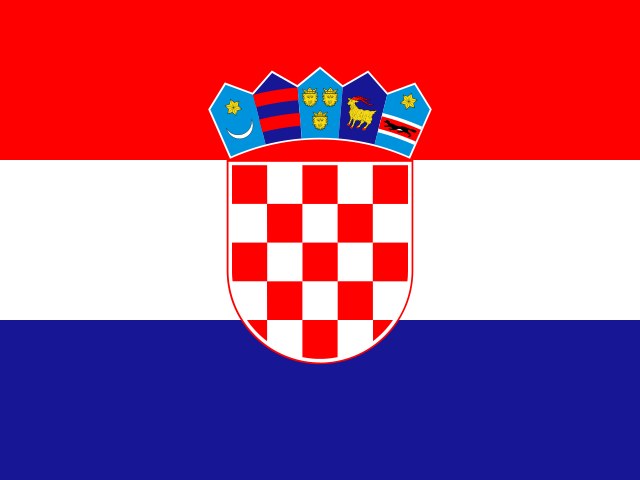 Croatia
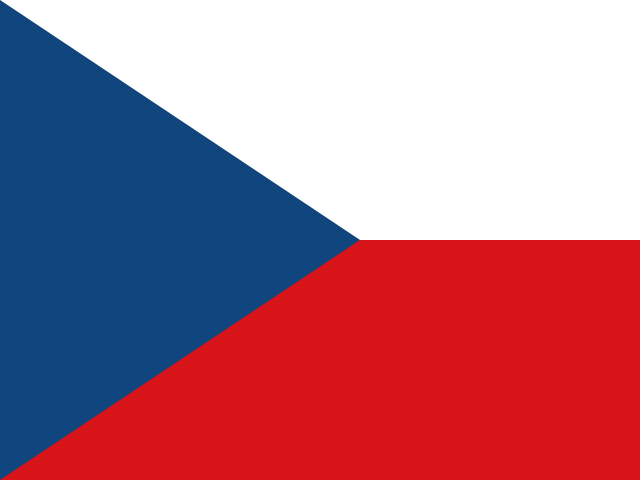 Czech Republic
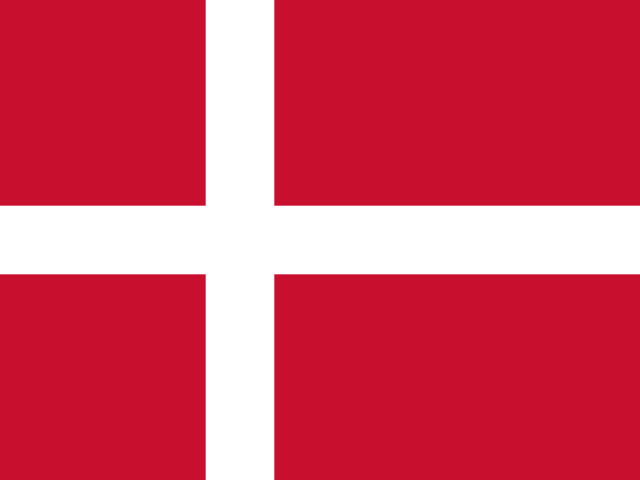 Denmark
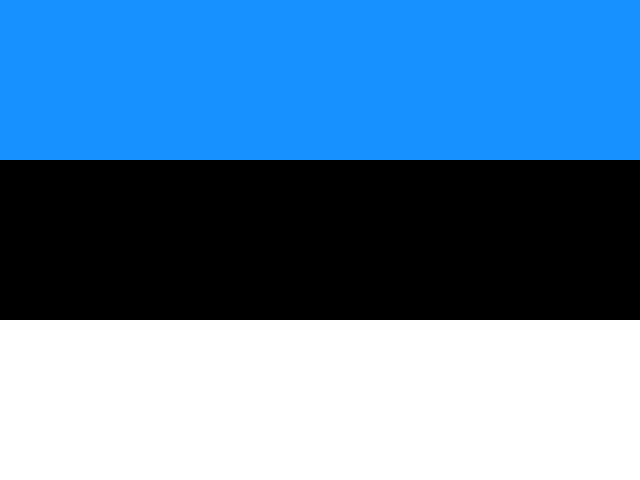 Estonia
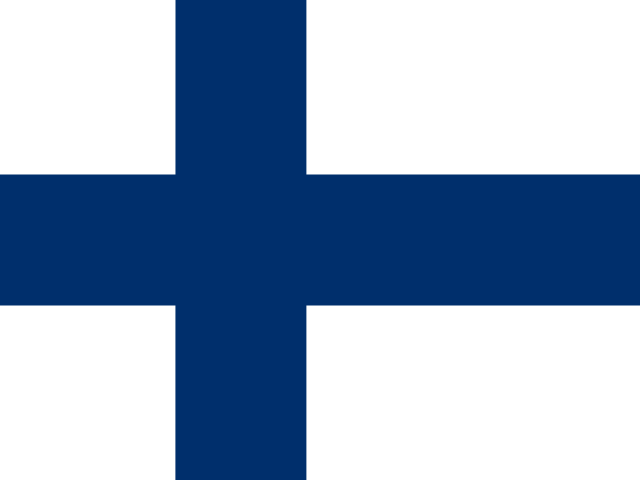 Finland
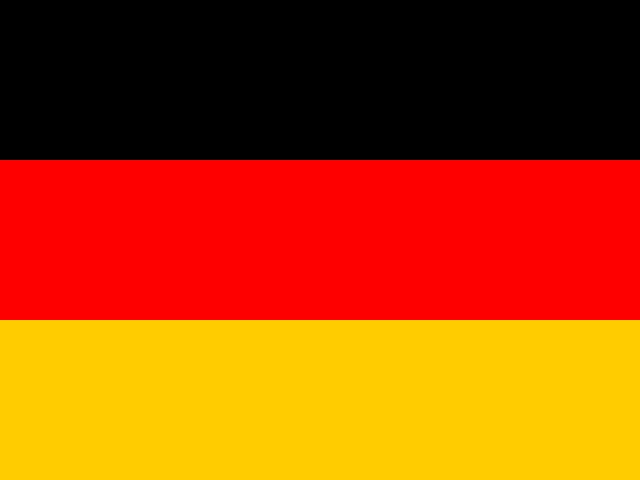 Germany
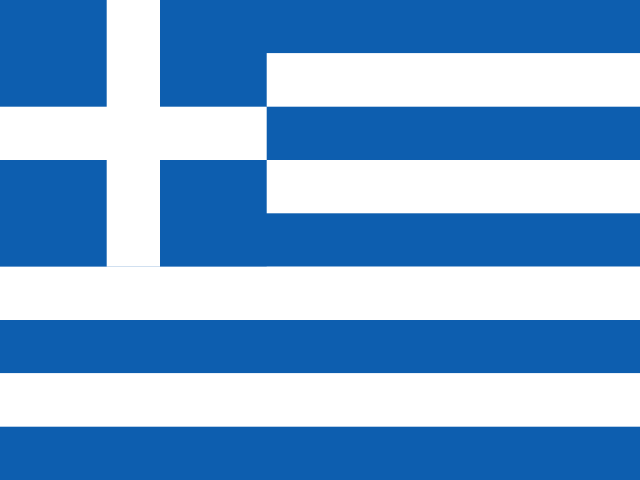 Greece
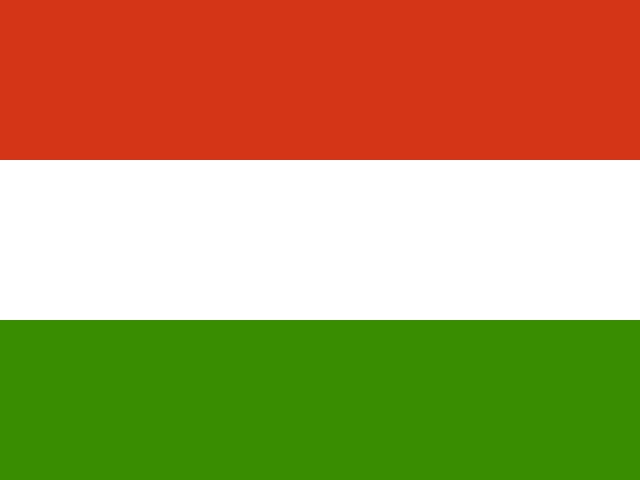 Hungary
 Iceland
 Italy
 Latvia
 Liechtenstein
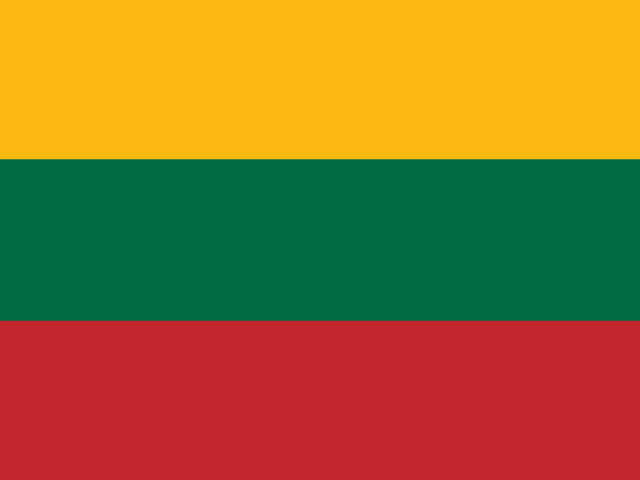 Lithuania
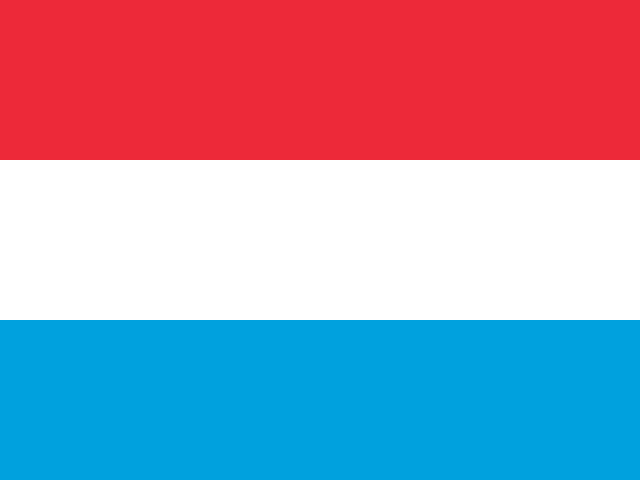 Luxembourg
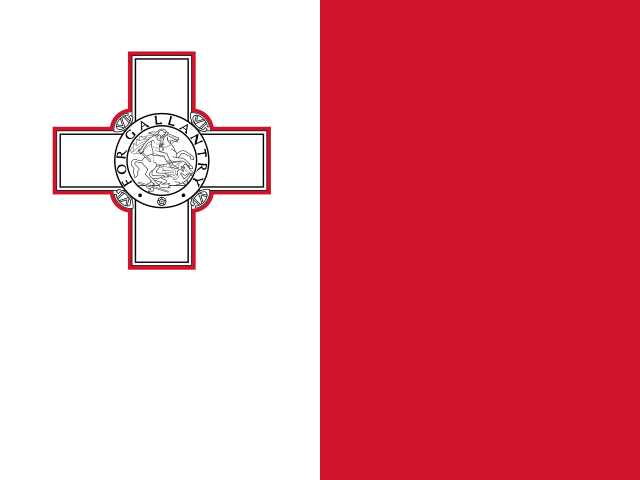 Malta
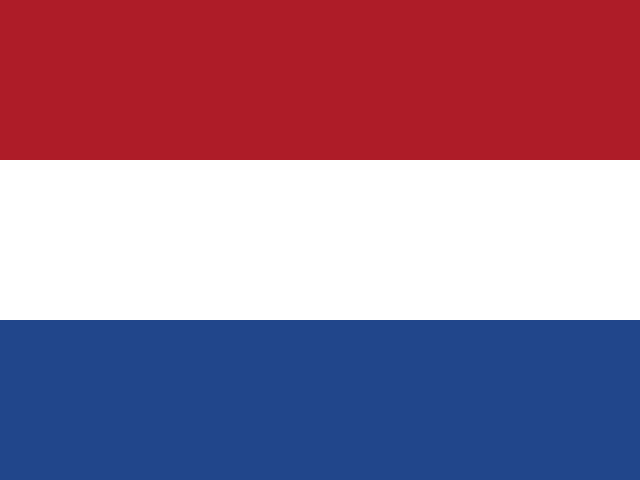 Netherlands
 Norway
 Poland
 Portugal
 Romania
 Slovakia
 Slovenia
 Spain
 Sweden
 Switzerland
- Up to 90 days in any 180
- One visa for every member
- No border checks between members
Whether you need the visa at all depends on your passport. Check the entry rules for France before you plan the route.
Trips to France
Day-by-day itineraries by snuck, shaped around you.
Outdoor adventures in France
France has snowy mountains, long coastlines and river valleys to explore. You can ski in the French Alps, kayak or hike in Verdon Gorge, and climb above the sea near Marseille. Spring and autumn generally bring pleasant weather and fewer crowds.
French Alps skiing
SkiingFrench Alps
WinterVisit a ski resort in the French Alps.
- Mountain winters are cold and snowy, but some winters are mild.
Verdon Gorge kayaking
KayakingVerdon Gorge
Go kayaking in Verdon Gorge. Equipment hire and access details are unspecified.
Verdon Gorge hiking
HikeVerdon Gorge
Visit Verdon Gorge for hiking. No particular trail or starting point is specified.
Verdon Gorge rock climbing
ClimbingVerdon Gorge
Visit Verdon Gorge for rock climbing. Guide and route arrangements are unspecified.
Calanques climbing
ClimbingCoast between Marseille and La Ciotatnear Marseille
Head to the calanques between Marseille and La Ciotat for climbing. Specific access points and guides are unspecified.
French Riviera beaches
BeacheFrench Riviera
Visit the seaside resorts along the French Riviera for time by the Mediterranean.
Marseille diving
Scuba divingnear Marseille
Go diving from Marseille. Dive sites and operator details are unspecified.
Marseille boat hire
More to donear Marseille
Hire a boat in Marseille. Boat types and hire providers are unspecified.
La Pointe Rouge to La Madrague beaches
BeacheSouth of Marseille city centrenear Marseille
Head to the small beaches between La Pointe Rouge harbour and La Madrague harbour.
- Marseille beaches can be polluted depending on the weather.
L'Estaque sandy beaches
BeacheMarseillenear Marseille
Take bus 35 from Joliette to the end of the line. The journey takes 20–25 minutes.
- Marseille beaches can be polluted depending on the weather.
Rhône banks cycling
CyclingLyonnear Lyon
Explore the 5-km Rhône banks promenade by bicycle. Nearby metro stops include Foch, Guillotière and Stade de Gerland.
Parc des Hauteurs mountain biking
CyclingLyonnear Lyon
Take the Fourvière funicular to reach the park near place de Fourvière and Montée Nicolas de Lange. The park has a mountain bike slope.
Parc des Hauteurs ski slope
SkiingLyonnear Lyon
Reach Parc des Hauteurs using the Fourvière funicular. A skiing slope is listed in the park; operating details are unspecified.
Parc des Hauteurs aerial adventure course
More to doLyonnear Lyon
Take the Fourvière funicular to visit Parc des Hauteurs, which has an aerial adventure course.
Airports, metros and trains in France
Airports with scheduled flights
- BIABastia-Poretta International airportBastiaMain international airport
- BVABeauvais-Tillé airportBeauvaisMain international airport
- BODBordeaux–Mérignac AirportBordeauxMain international airport
- BESBrest Bretagne airportBrestMain international airport
- CDGCharles de Gaulle International AirportParis (Roissy-en-France, Val-d'Oise)Main international airport
- CFEClermont-Ferrand Auvergne airportClermont-FerrandMain international airport
Metro and subway
- LilleLille Metro60 stations45 kmsince 1983
- LyonLyon Metro42 stations34.4 kmsince 1978
- MarseilleMarseille Metro29 stations22.7 kmsince 1977
- ParisParis Metro321 stations245.6 kmsince 1900
- RennesRennes Metro28 stations22.4 kmsince 2002
- ToulouseToulouse Metro37 stations28.2 kmsince 1993
Trains
- Rail network
- 27,483 km
- Electrified
- 16,067 km
- High-speed lines
- 3,516.346 km
- Top speed
- 320 km/h
People and safety in France
Religion
Most people are Christian. Mixed.
- Christian50%
- No religion33%
- Muslim4%
- Buddhist2%
- Jewish1%
- Other1%
LGBT+ travellers
Legal and protected
- Same-sex couples can marry.
- Legal gender change is recognised.
- Laws protect against discrimination.
Women travellers
Ranked #23 of 181 countries for women's safety, inclusion and justice.
70% of women say they feel safe walking alone at night where they live.
Who can visit without a visa
Travellers from 93 of 198 countries can visit France easily: no visa, a visa at the airport, or a short online form.
- Visa not required82
- Freedom of movement11
- Visa required105
Who can visit easily, by part of the world
For each part of the world: how many countries' travellers can come easily. Easy means no visa, a visa at the airport, or a short online form.
- Europe43 of 45 countries
- Americas26 of 35 countries
- Oceania10 of 14 countries
- Asia12 of 50 countries
- Africa2 of 54 countries
Questions
Which territories belong to France?
French Guiana, French Polynesia, French Southern and Antarctic Lands, Guadeloupe, Martinique, Mayotte, New Caledonia Réunion, and 4 more and more.
Do I need a separate visa for France's territories?
Often yes. Territories such as French Guiana, French Polynesia French Southern and Antarctic Lands, and 9 more can have their own entry rules, so check each one before you travel.
When is a good time for a first visit?
Spring and autumn usually combine pleasant weather with fewer tourists. August is especially busy, and many local businesses close for the month.
Can I manage without speaking French?
Major hotels and attractions often have staff who speak basic English, but ability varies. Start with a French greeting, then ask Parlez-vous anglais ?
What money should I bring?
Bring access to euros through a suitable bank card and carry some euro cash. Visa and Mastercard are widely accepted, but foreign currency and traveller's cheques are unreliable.
Do I need to reserve train seats?
Reservations are required on TGV high-speed trains. Regional trains serve most stations and offer a slower way to see the countryside.
Are buses a cheaper way to travel?
Long-distance buses are often cheaper than trains, especially when booked ahead. Trains are usually more comfortable and can be much faster.
Is driving in France straightforward?
France has a developed road network and traffic drives on the right. Most motorways charge tolls, and old town centres can be difficult for cars.
Should I book restaurants ahead?
Some restaurants require a booking, especially outside tourist areas. Check opening days and meal times too, as service hours can be limited.
Do I need to tip?
Tipping is optional because service is included in menu prices. People often leave small change or one to five euros when pleased with the service.
 Reviewed by @snuck