
Western Europe
 Western Europe
GermanyTravel guide
- Berlin
- Bremen
- Cologne
- Dresden
- Düsseldorf
- Frankfurt
Germany is the largest country in Central Europe. It offers historic cities, varied countryside, cultural activities and strong regional traditions.
Why go
Explore European history and German culture.
Enjoy varied landscapes and outdoor activities.
Experience regional holidays and festivities.
Discover cities, rural areas and local traditions.
Getting there
By air
- Visitors travelling from further away will probably arrive by air.
By land
- From neighbouring European countries, a car, train or bus can be a convenient way to reach Germany.
- EuroCity trains connect Germany with Switzerland, Poland, the Netherlands, Denmark, the Czech Republic, Austria, Italy and Hungary.
- Advance train tickets can cost less than standard fares. Local trains across the border can sometimes be cheaper, especially for journeys to or from Poland and the Czech Republic.
Getting around
Train
Expect possible delays and cancellations, especially on long-distance trains. Leave extra time when your arrival time matters. Advance tickets can be surprisingly affordable. Booking can open up to 180 days before departure. If your long-distance train is cancelled or delayed by more than 20 minutes at your departure station, you can take another train connection to your final destination without asking staff first. The Deutschlandticket covers regional trains and local public transport across Germany for a calendar month. Regional trains from different operators can be booked through bahn.com. Most long-distance trains are run by Deutsche Bahn, with Flixtrain as another option.
Bus
Intercity buses are often much cheaper than trains. Many offer wireless internet, air conditioning and power sockets. Flixbus is the largest operator. The Busradar website and app list services from other intercity bus companies. Check rural services carefully, as some run only once a day. Some buses, especially at night or in rural areas, must be ordered by phone.
Car
Drive on the right. Germany's motorways, called Autobahns, have no tolls for cars. Check that your driving licence is valid in Germany before driving. Many foreign licences are not valid for longer stays. Obey speed limits and red lights. A fixed green arrow sign allows a right turn at a red light only after a full stop and giving way. Do not let your fuel tank run empty on an Autobahn. Stopping because you have run out of fuel can lead to a fine. Expect busy roads from Friday afternoon and at the start of school holidays. Snow can make traffic near Alpine ski resorts worse. Free parking is less common than paid parking. Park and ride sites, marked P&R, let you leave your car near public transport.
Shared car rides
Sharing a car ride is popular and often cheaper than taking a train. Blablacar arranges shared rides within Germany and across borders.
What to see and do
Rhine valley
The railway lines through the valley offer particularly beautiful scenery.
Bad Hersfeld
The city has statues of dictionary author Konrad Duden and computer pioneer Konrad Zuse, who were both citizens.
German countryside
Rural areas and varied landscapes are major draws for visitors.
Explore German culture
Germany offers a wide range of cultural activities and regional traditions.
Enjoy outdoor activities
Outdoor and sporting activities are among the country's main visitor attractions.
Experience holidays and festivities
German celebrations are a major draw for visitors.
Food and drink
Pubs
Pubs stay open until 02:00 or later, and food is generally available until midnight. Popular places can already be full by 18:00.
Beer and wine
People aged 16 or over may buy fermented drinks such as beer and wine without a parent or legal guardian. At age 14, they may buy these in a restaurant when accompanied by a parent or legal guardian.
Spirits and mixed drinks
Drinks containing distilled alcohol are restricted to people aged 18 or over, even when the drink has a low overall alcohol content.
Money
Euro (€), divided into 100 cents.
- Carry some cash. Small cafés, independent shops and market stalls may not accept cards.
- Foreign debit cards and credit cards are less widely accepted than German debit cards. Major shops, supermarkets and fast-food chains usually accept them.
- Carry smaller banknotes. Some small shops and public transport ticket machines do not accept notes of €50 or more.
- Use bank-operated cash machines where possible. Your own bank may still charge for international withdrawals.
Tipping: Tips are appreciated but optional, and restaurant tips rarely exceed 10%. Round up the bill and tell the server the total you want to pay.
Typical costs
- The Deutschlandticket cost €58 for a calendar month in January 2025.
- Independent cash machines often charge a convenience fee of €4–€5.
- The deposit refund for plastic bottles is usually €0.25.
- Suggested taxi and delivery tips are 5–10%, with at least €1.
- Suggested housekeeping tips are €1–€2 per day, and luggage tips are €1 per piece.
Language
- German is the official language, and standard German is widely understood.
- English ability varies, but it is generally stronger among younger people and in large international cities.
- Regional German dialects remain important, especially in parts of the south and rural areas.
- Other languages spoken include French, Sorbian, Russian, North Frisian, Danish and Turkish.
- Sie
- The polite, formal form of 'you'; generally use it with adults you do not know.
- du
- The informal form of 'you', used with people you know well and with children.
- Danke!
- Thank you; when paying, it can also tell the server to keep the change.
- Stimmt so!
- Keep the change.
- kein Trinkwasser
- Not drinking water.
- Leitungswasser
- Tap water.
Staying safe
- Germany is generally very safe, with low crime rates and rare violent crime.
- Watch your belongings in large cities and crowded events, where pickpockets can be a problem.
- Take care near demonstrations in parts of Berlin and Hamburg around 1 May. Some can lead to clashes between police and demonstrators.
Local customs
Do
- Use the polite form 'Sie' with adults you do not know, unless a more informal approach is established.
- Try a little German; attempts are often appreciated.
- Expect direct speech and short replies, including in English.
Don't
- Do not assume everyone speaks English fluently, especially older people or those in rural areas.
- Do not assume all German regions share the same culture or dialect.
- Do not feel obliged to tip for poor service; tipping is optional.
Staying healthy
- Germany has excellent sanitary and medical facilities.
- Tap water is generally of excellent quality and safe to drink.
- Some regions have elevated nitrate levels in tap water. Women in early pregnancy should not drink this water over a prolonged period.
- Do not drink water marked 'kein Trinkwasser' or with a crossed-out glass symbol. These signs can appear in public toilets, on trains and planes, or at decorative fountains.
Phone and internet
- Most intercity buses offer wireless internet.
Where to stay
- Accommodation choices include hotels, bed and breakfasts, hostels and campsites.
- Staying with members of a hospitality exchange network is another option.
- Beds commonly have one duvet per person and a large square feather pillow. Mattresses tend to be moderately firm.
Schengen Area
One visa, 29 countries
A Schengen visa from any member lets you travel across all of them, with no passport checks at the borders between them. With it, a trip to Germany can also take in:
- Austria
- Belgium
- Bulgaria
- Croatia
- Czech Republic
- Denmark
- Estonia
- Finland
- France
- Greece
- Hungary
- Iceland
- Italy
- Latvia
- Liechtenstein
- Lithuania
- Luxembourg
- Malta
- Netherlands
- Norway
- Poland
- Portugal
- Romania
- Slovakia
- Slovenia
- Spain
- Sweden
- Switzerland
 Austria
 Belgium
 Bulgaria
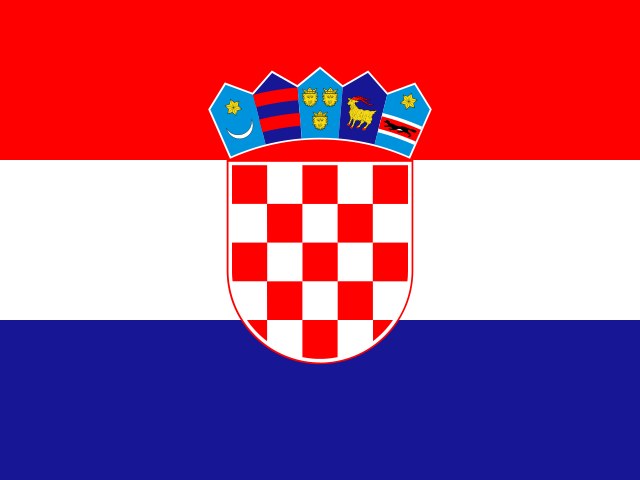 Croatia
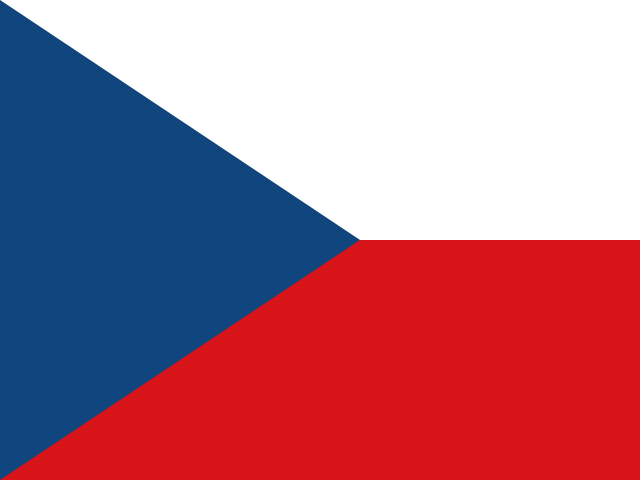 Czech Republic
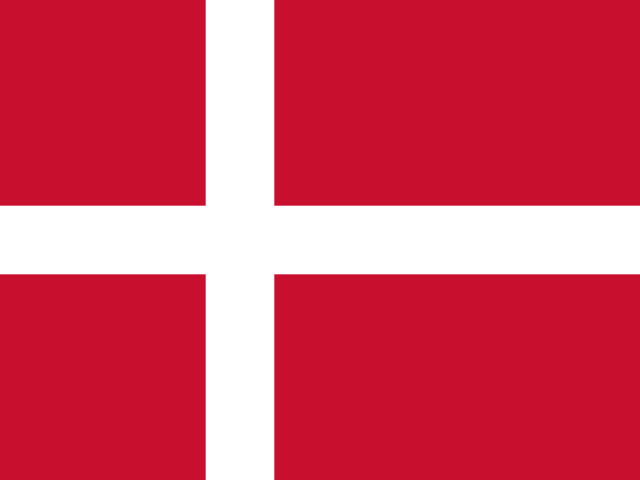 Denmark
 Estonia
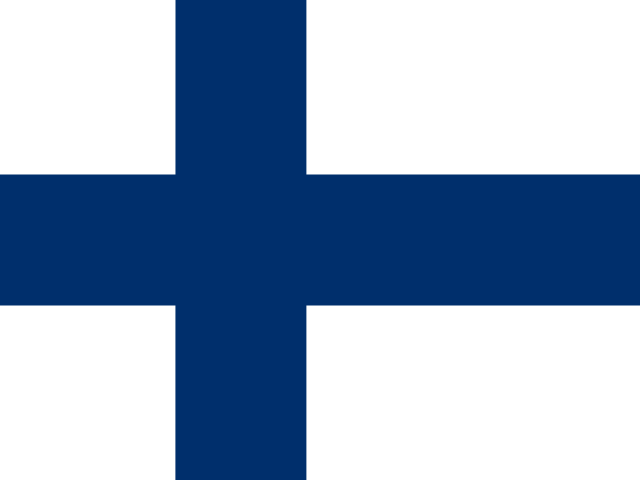 Finland
 France
 Greece
 Hungary
 Iceland
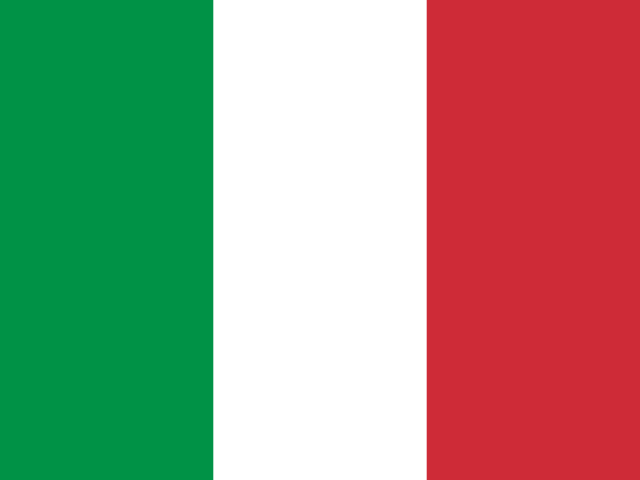 Italy
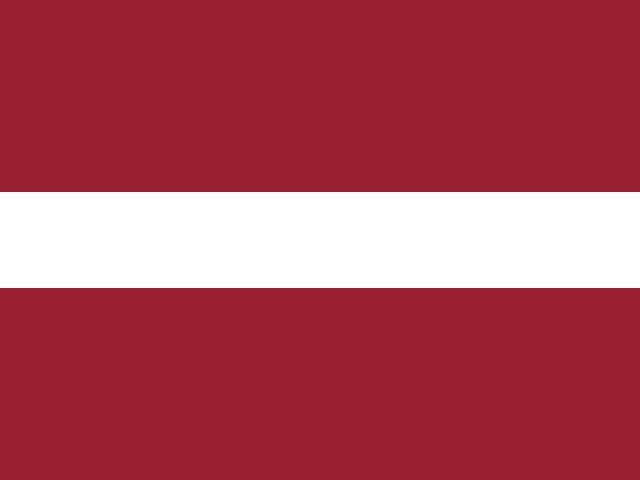 Latvia
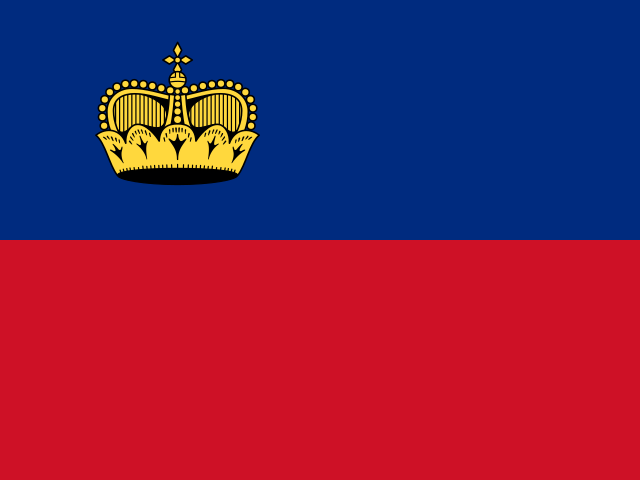 Liechtenstein
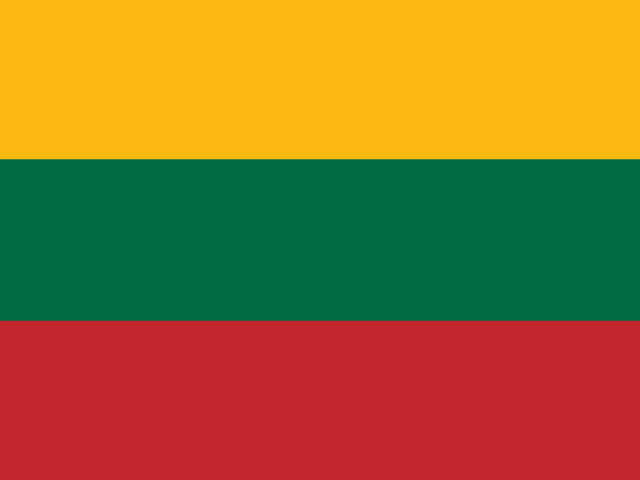 Lithuania
 Luxembourg
 Malta
 Netherlands
 Norway
 Poland
 Portugal
 Romania
 Slovakia
 Slovenia
 Spain
 Sweden
 Switzerland
- Up to 90 days in any 180
- One visa for every member
- No border checks between members
Whether you need the visa at all depends on your passport. Check the entry rules for Germany before you plan the route.
Trips to Germany
Day-by-day itineraries by snuck, shaped around you.
Outdoor adventures in Germany
Germany offers summer hiking and winter skiing in the Bavarian Alps, climbing and caves in Franconian Switzerland, and hiking in the Harz. Lakes, rivers and parks offer swimming, cycling, boating and wildlife watching.
Bavarian Alps hiking
HikeBavaria
SummerVisit the Bavarian Alps for summer hiking. No specific trail or starting town is described.
Bavarian Alps skiing
SkiingBavaria
WinterHead to the Bavarian Alps for winter skiing. No specific ski area is named.
Franconian Switzerland climbing
ClimbingFranconian Switzerland
Visit Franconian Switzerland, a region known worldwide for climbing. No climbing operator or route is specified.
Harz hiking
HikeHarz
Visit the Harz for hiking. No specific trail or access point is described.
Lake Constance water activities
More to doLake Constance
Visit Lake Constance for water activities. No specific sport, operator or launch point is described.
Franconian Switzerland caves
CaveFranconian Switzerland
Visit the caves of Franconian Switzerland. No individual cave, tour or access arrangement is described.
Strandbad Wannsee swimming
BeacheSteglitz-Zehlendorf, Berlinnear Berlin
Take S-Bahn line S1 or S7 to Nikolassee station, then walk towards Strandbad Wannsee.
Müggelsee swimming
BeacheTreptow-Köpenick, Berlinnear Berlin
Head to Müggelsee in southeast Berlin for swimming.
Tiergarten birdwatching
WildlifeMitte, Berlinnear Berlin
Spring and summer for songbirdsVisit Großer Tiergarten in central Berlin to watch and listen for birds.
Treptower Park boating
More to doTreptow-Köpenick, Berlinnear Berlin
Go to Treptower Park beside the Spree. Boat rentals and boat trips are available there.
Blockland dyke cycling
CyclingBlockland, Bremennear Bremen
Head north of Bremen University to Blockland, between the motorway and the Wümme River. Cycle along the raised river bank.
Blockland inline skating
More to doBlockland, Bremennear Bremen
Go to Blockland north of Bremen University and skate along the raised bank beside the Wümme River.
Blockland canoeing and kayaking
KayakingBlockland, Bremennear Bremen
Warmer monthsRent a canoe or kayak in Blockland to explore the nature preserve from the water.
Blockland ice skating
More to doBlockland, Bremennear Bremen
WinterBlockland has winter ice skating on the river and small canals. No access arrangements or ice-condition guidance are given.
Bürgerpark rowing
More to doBremennear Bremen
Visit Bürgerpark in central Bremen. Rent a boat and row around its ring-shaped pond.
Stadtwaldsee swimming
BeacheBremennear Bremen
From Bremen University and the Universum Museum, go about 1 km west to Stadtwaldsee, also called Unisee. Swim at the public beach.
- Cost: Free
Stadtwaldsee windsurfing
SurfingBremennear Bremen
Reach Stadtwaldsee about 1 km west of Bremen University and the Universum Museum. Windsurfing is possible on the lake; rental details are not given.
Stadtwaldsee boating
More to doBremennear Bremen
Go about 1 km west from Bremen University and the Universum Museum to Stadtwaldsee. Boating is possible, but rental arrangements are not described.
Stadtwaldsee lakeside cycling
CyclingBremennear Bremen
Reach Stadtwaldsee about 1 km west of Bremen University and the Universum Museum. Follow the path around the lake by bike.
Stadtwaldsee lakeside walk
HikeBremennear Bremen
Go about 1 km west from Bremen University and the Universum Museum to Stadtwaldsee. Walk along the path around the lake.
Stadtwaldsee fishing
More to doBremennear Bremen
Visit Stadtwaldsee about 1 km west of Bremen University and the Universum Museum. Fishing is possible, but access arrangements are not described.
Rhine fishing in Cologne
More to doNorth Rhine-Westphalianear Cologne
Fish on the Rhine in Cologne with the required fishing licence. No specific fishing spot or operator is named.
- Permit: A fishing licence, meaning official permission to fish, is required.
Airports, metros and trains in Germany
Airports with scheduled flights
- BERBerlin Brandenburg AirportBerlinMain international airport
- FDHBodensee Airport FriedrichshafenFriedrichshafenMain international airport
- BREBremen AirportBremenMain international airport
- CGNCologne Bonn AirportKöln (Cologne)Main international airport
- DTMDortmund AirportDortmundMain international airport
- DRSDresden AirportDresdenMain international airport
Metro and subway
- BerlinBerlin U-Bahn175 stations155.6 kmsince 1902
- HamburgHamburg U-Bahn93 stations106 kmsince 1912
- MunichMunich U-Bahn96 stations95 kmsince 1971
- NurembergNuremberg U-Bahn49 stations38.4 kmsince 1972
Trains
- Rail network
- 39,773 km
- Electrified
- 21,100 km
- High-speed lines
- 2,683.14 km
- Top speed
- 300 km/h
People and safety in Germany
Religion
Most people are Christian. Mixed.
- Christian69%
- No religion25%
- Muslim6%
LGBT+ travellers
Legal and protected
- Same-sex couples can marry.
- Laws protect against discrimination.
Women travellers
Ranked #21 of 181 countries for women's safety, inclusion and justice.
78% of women say they feel safe walking alone at night where they live.
Who can visit without a visa
Travellers from 93 of 198 countries can visit Germany easily: no visa, a visa at the airport, or a short online form.
- Visa not required83
- Freedom of movement10
- Visa required105
Who can visit easily, by part of the world
For each part of the world: how many countries' travellers can come easily. Easy means no visa, a visa at the airport, or a short online form.
- Europe43 of 45 countries
- Americas26 of 35 countries
- Oceania10 of 14 countries
- Asia12 of 50 countries
- Africa2 of 54 countries
Questions
Can I get by with English?
Often, especially in large international cities and when speaking with younger people. English ability varies widely, so a little German helps.
Should I carry cash?
Yes. Small cafés, market stalls and independent shops may not accept cards, and foreign cards are less widely accepted than German debit cards.
Do I need to tip?
Tipping is optional but appreciated for good service. Restaurant customers often round up the bill, with tips rarely above 10%.
Can I drink tap water?
Generally yes, unless it is marked 'kein Trinkwasser' or has a crossed-out glass symbol. Some regions have elevated nitrate levels, which matter for prolonged consumption during early pregnancy.
Are trains reliable?
Delays and cancellations can be significant, especially on long-distance trains. Regional trains have better on-time performance.
What is a cheaper way to travel between cities?
Intercity buses are often significantly cheaper than trains. Advance train tickets and shared car rides can also offer savings.
Is Germany safe for visitors?
Germany is generally very safe. Watch for pickpockets in large cities and crowds, and take care around demonstrations.
Can I drive with my foreign licence?
Check whether your licence is valid before driving. Many foreign licences are not valid for longer stays.
What types of accommodation are available?
Germany offers hotels, bed and breakfasts, hostels and camping. Hospitality exchange networks are another option.
Can I get money back for empty bottles?
Yes, Germany has a bottle deposit system called Pfand. Return deposit bottles to supermarkets; the refund for plastic bottles is usually €0.25.
 Reviewed by @snuck