
 Western Europe
Luxembourg is a small, landlocked country in Western Europe. It has historic towns, castles, forests and vineyards. Prices are high, especially in the capital, Luxembourg City.
Why go
Explore Luxembourg City's old town, fortifications and river valleys.
Visit the medieval castle at Vianden.
Walk or cycle through the forests of Müllerthal, also called Little Switzerland.
Explore Echternach, the country's oldest city.
Discover the wines of the Moselle Valley.
Best time to go: May to August is usually the sunniest time. July and August are the busiest months, with outdoor festivals. Spring brings flowers, while autumn brings wine events in the Moselle Valley.
Getting there
By air
- Luxembourg Findel Airport (LUX) is 6 km outside Luxembourg City. Luxair and other airlines connect it with many European destinations.
- A free tram connects the airport directly to the city. Services run every 8 minutes.
- Travellers without a direct flight can connect through Amsterdam Schiphol, Paris Charles de Gaulle, Frankfurt Airport or London Heathrow.
By land
- Direct trains reach Luxembourg from Paris in about 2.5 hours, Metz in 1 hour, Brussels in 3 hours and Trier in 43 minutes.
- Trains from Paris must be booked in advance through the French railway company SNCF's website. Early bookings can cost less.
- Trains from Metz, Brussels, Trier and other local destinations have no advance-booking discounts or seat reservations. There is no advantage to booking these ahead.
Customs
- Drivers of right-hand-drive cars are more likely to be stopped for a customs check when entering the country.
Getting around
Public transport
Most public transport within Luxembourg is free. You need a ticket for cross-border journeys and first-class train travel. Nearly any town can be reached in an hour or less by public transport. Use the Mobilitéit website or mobile app to plan train and bus journeys.
Train
Luxembourg City is the main railway hub. Trains are modern, comfortable and generally on time. The south has a fairly extensive network. The north mainly relies on one line through Mersch, Ettelbruck, Clervaux and Troisvierges. Diekirch has a branch line from Ettelbruck. Wiltz has a branch line from Kautenbach.
Bus
Buses reach villages throughout the country. Most services run at least hourly, with fewer services on Saturdays and Sundays. Almost all city buses stop at Hamilius bus station and Luxembourg train station at some point along their routes. For northern destinations, you may need to take a train first and then change to a bus. Raise your hand towards the road as your bus approaches to show that you want it to stop. Most buses have screens and announcements showing the next stop.
Car
Drive on the right. Roads and motorway connections are well developed. Unless signs say otherwise, limits are 50 km/h in towns, 90 km/h outside built-up areas and 130 km/h on motorways. The motorway limit falls to 110 km/h in rain. Watch for signs setting different limits, including 30 km/h in residential areas. Police checks and cameras enforce speed limits. Use your indicators when joining a motorway. Keep to the slower lane and use the faster lane for overtaking. Watch for fast-approaching vehicles when overtaking. Traffic slows during peak hours. Parking is paid throughout Luxembourg City, including residential areas. Weekend spaces can be hard to find, and some garages close early. Parking near the train station lets you continue on foot into the centre. Park and Ride facilities, where you can leave your car and continue by public transport, are at Stadion, Howald gare and Luxexpo tram stops.
What to see and do
Luxembourg City's old town
Explore cobbled lanes, fortifications and views over deep river valleys. Parts of the old town have World Heritage status from UNESCO, the United Nations Educational, Scientific and Cultural Organization.
Cathedral of Notre Dame and Grand Ducal Palace
These are among the capital's main historic sights. The cathedral has Gothic architecture, and charming cobbled lanes surround the palace.
Bock casemates and Neumünster Abbey
These are notable historic sights in Luxembourg City. The capital also has several Second World War memorial sites and museums.
Chemin de la Corniche
This walk offers beautiful views of the capital. Nearby bridges lead across to neighbouring plateaus.
Echternach
Luxembourg's oldest city has an abbey basilica where St Willibrord is buried. Annual Whit Tuesday celebrations bring dancers into the old town.
Vianden
Its medieval castle overlooks the Our river valley, forests and a lake. The village also has Gothic churches, fortified towers and the Victor Hugo house.
Food and drink
Judd mat gaardebounen
Smoked pork neck served with boiled broad beans. It is considered the unofficial national dish.
Gromperekichelchen
Fried shredded potato cakes with onions, shallots and parsley. Look for them at markets, funfairs and other outdoor events.
Bamkuch
A layered cake traditionally cooked on a spit, with rings resembling a tree trunk. It is mainly eaten at celebrations such as weddings and baptisms.
French and Italian food
French cooking with generous portions is common in restaurants. Italian food is also popular.
Moselle white wines
Local varieties include Riesling, Auxerrois, Pinot Gris, Pinot Blanc, Rivaner and Elbling.
Local beer
Popular local lagers include Diekirch, Bofferding, Battin, Simon and Mousel.
Money
Euro (€; EUR). One euro equals 100 cents.
- Prices are generally higher than in France and Germany, especially in central Luxembourg.
- Euro coins from other countries are accepted. Their different national designs do not affect their use.
- Staying across the border in Trier and visiting Luxembourg for the day may save money.
- Petrol and alcohol are comparatively cheap.
Typical costs
- Even cheaper hotels tend to cost more than €100 a night.
- A modest dinner and a drink cost about €20.
- Most public transport within the country is free.
Language
- Luxembourgish, French and German are the three official languages.
- French is the most commonly used language. Many street notices are written only in French.
- German is widely understood and commonly used in writing.
- English is almost universally understood, though some workers who commute from neighbouring countries may speak little or none.
- Portuguese is spoken by a large Portuguese community.
- Moien
- Hello in Luxembourgish.
Staying safe
- Luxembourg is generally very safe. Take the usual precautions when travelling.
- Some areas can feel less safe late at night or when travelling alone. The source does not identify specific locations.
- Watch for drivers travelling well above the speed limit, especially when overtaking.
Local customs
Do
- Try a few Luxembourgish words, such as Moien for hello. Greet people in small towns and villages.
- Respect Luxembourg's distinct national identity and its language.
- Speak tactfully and be patient. People value a careful, measured approach.
- Respect people's privacy. Finances, religion and politics are considered personal matters.
- Be modest about your achievements. Humility is valued.
Don't
- Do not call Luxembourgers German, Belgian or French, or compare their country with its neighbours.
- Do not suggest that Luxembourgish is merely a variety of another language.
- Avoid being overly blunt, impatient or confrontational.
- Do not boast or press people with personal questions.
- Insulting or criticising the Grand Duke and his family may cause offence.
Staying healthy
- Tap water is safe to drink.
- The food supply is safe, and the healthcare system is described as excellent.
- Summer can be hot, though temperatures rarely rise much above 30 °C.
Phone and internet
- European roaming lets eligible SIM card holders use their home pricing while travelling in participating countries. Operator exceptions and data limits can apply.
- Activate roaming on your phone to use the European roaming service. Mobile internet use is subject to the service's data limits.
Where to stay
- Hotels in central Luxembourg City are expensive. Even cheaper hotels tend to cost more than €100 a night.
- Luxembourg City has a youth hostel.
- Staying across the border in Trier may cost less, with travel into Luxembourg for visits.
- The Association of Independent Hotels in Luxembourg offers a booking service at hotels.lu. It covers smaller hotels, mainly in the countryside, with some in the city.
Schengen Area
One visa, 29 countries
A Schengen visa from any member lets you travel across all of them, with no passport checks at the borders between them. With it, a trip to Luxembourg can also take in:
- Austria
- Belgium
- Bulgaria
- Croatia
- Czech Republic
- Denmark
- Estonia
- Finland
- France
- Germany
- Greece
- Hungary
- Iceland
- Italy
- Latvia
- Liechtenstein
- Lithuania
- Malta
- Netherlands
- Norway
- Poland
- Portugal
- Romania
- Slovakia
- Slovenia
- Spain
- Sweden
- Switzerland
 Austria
 Belgium
 Bulgaria
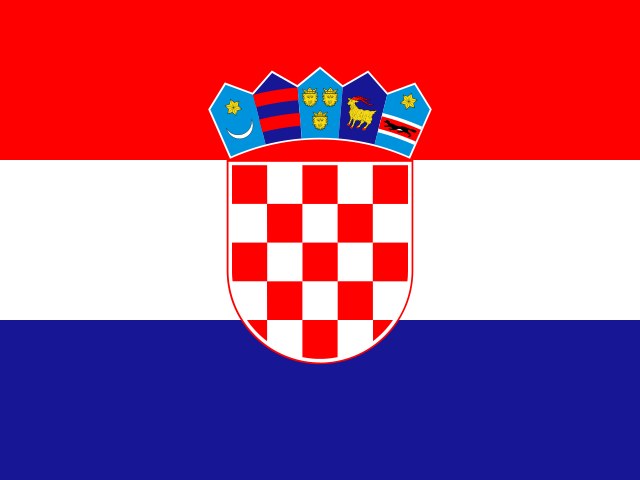 Croatia
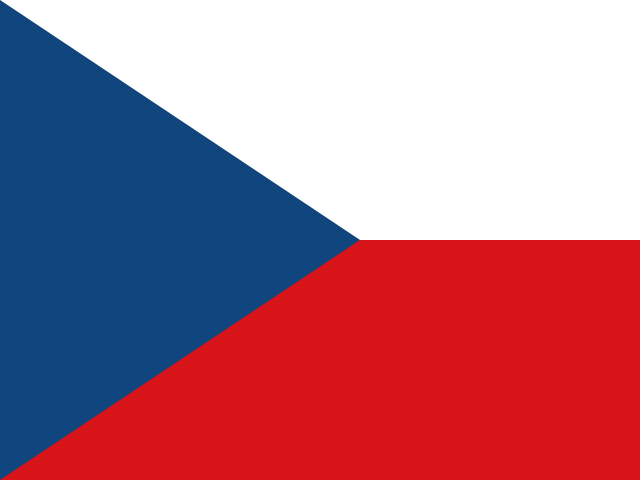 Czech Republic
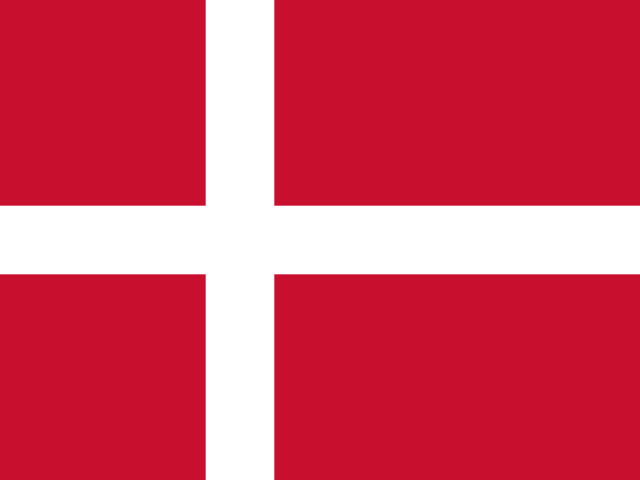 Denmark
 Estonia
 Finland
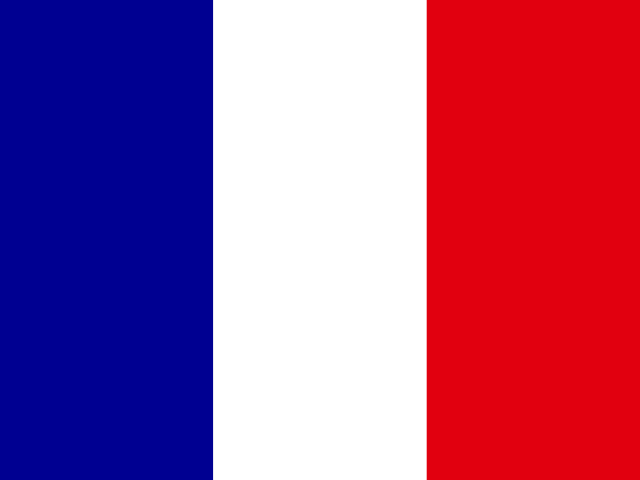 France
 Germany
 Greece
 Hungary
 Iceland
 Italy
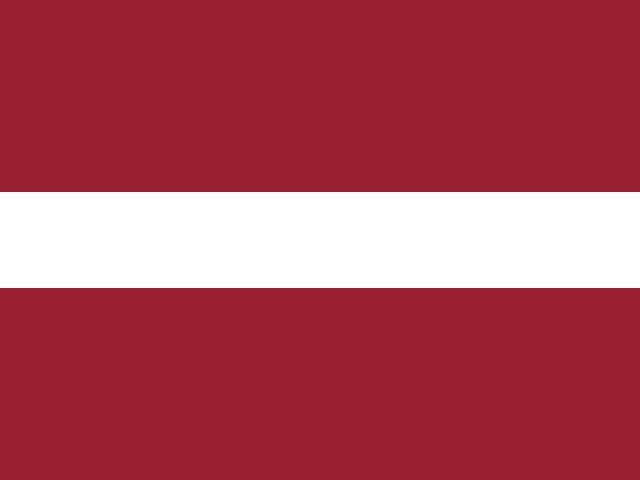 Latvia
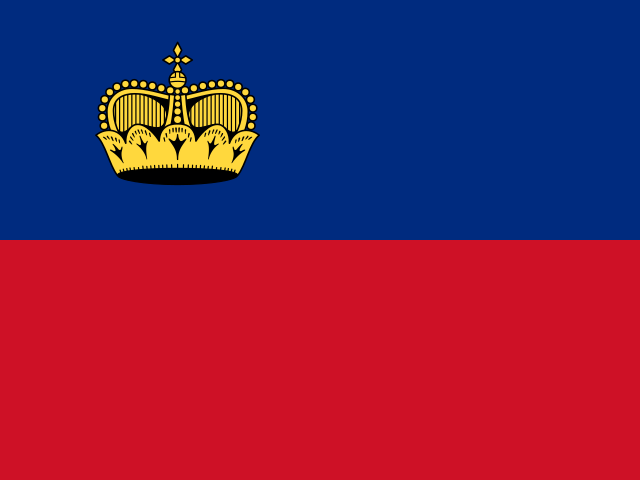 Liechtenstein
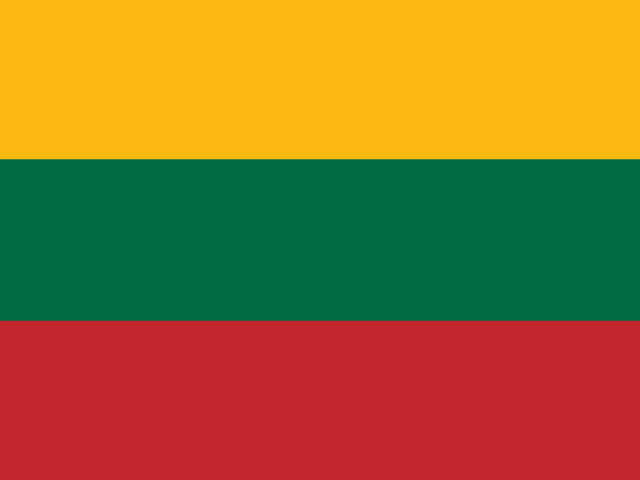 Lithuania
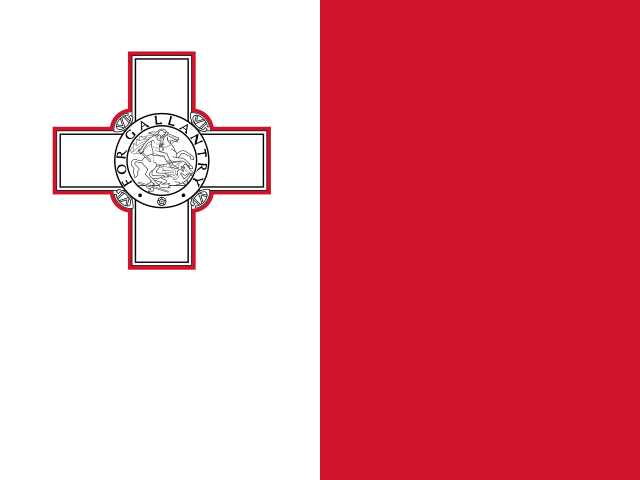 Malta
 Netherlands
 Norway
 Poland
 Portugal
 Romania
 Slovakia
 Slovenia
 Spain
 Sweden
 Switzerland
- Up to 90 days in any 180
- One visa for every member
- No border checks between members
Whether you need the visa at all depends on your passport. Check the entry rules for Luxembourg before you plan the route.
Outdoor adventures in Luxembourg
Luxembourg has forested hills, streams and many well-marked outdoor trails. Müllerthal and Éislek offer hiking and off-road cycling, with May to August generally the sunniest months to visit.
Müllerthal forest hikes
HikeMüllerthalnear Echternach
May to August is generally the sunniest period.Use Echternach as a base to explore the region's forest trails. Find trail locations and GPS tracks on Géoportail.lu.
Müllerthal off-road cycling
CyclingMüllerthalnear Echternach
May to August is generally the sunniest period.Base yourself in Echternach to explore Müllerthal by bike. Look up trail locations and GPS tracks on Géoportail.lu.
Éislek hill and forest hikes
HikeÉislek
May to August is generally the sunniest period.Explore the hiking terrain of Éislek in the Ardennes. Use Géoportail.lu to find trail locations and GPS tracks.
- Northern Luxembourg is generally colder and can receive substantial snow in winter.
Éislek off-road cycling
CyclingÉislek
May to August is generally the sunniest period.Explore Éislek's forested terrain by bike. Find trail locations and GPS tracks on Géoportail.lu.
- Northern Luxembourg is generally colder and can receive substantial snow in winter.
Airports, metros and trains in Luxembourg
Airports with scheduled flights
- LUXLuxembourg-Findel International AirportLuxembourgMain international airport
Trains
- Rail network
- 275 km
- Electrified
- 275 km
People and safety in Luxembourg
Religion
Most people are Christian. Mixed.
- Christian70%
- No religion27%
- Muslim2%
LGBT+ travellers
Legal and protected
- Same-sex couples can marry.
- Legal gender change is not recognised.
- Laws protect against discrimination.
Women travellers
Ranked #6 of 181 countries for women's safety, inclusion and justice.
86% of women say they feel safe walking alone at night where they live.
Who can visit without a visa
Travellers from 93 of 198 countries can visit Luxembourg easily: no visa, a visa at the airport, or a short online form.
- Visa not required82
- Freedom of movement11
- Visa required105
Who can visit easily, by part of the world
For each part of the world: how many countries' travellers can come easily. Easy means no visa, a visa at the airport, or a short online form.
- Europe43 of 45 countries
- Americas26 of 35 countries
- Oceania10 of 14 countries
- Asia12 of 50 countries
- Africa2 of 54 countries
Questions
When is the best time to visit?
May to August is usually the sunniest period. July and August are busiest, while spring brings flowers and autumn brings wine events.
Is public transport free?
Most public transport within Luxembourg is free. Cross-border journeys and first-class train travel require a ticket.
How do I get from the airport to Luxembourg City?
A free tram connects Luxembourg Findel Airport directly with the city. It runs every 8 minutes.
Do I need to speak Luxembourgish?
English is almost universally understood, and French is widely used. A greeting such as Moien is appreciated.
How expensive is Luxembourg?
Prices are generally higher than in France and Germany. Even cheaper hotels tend to exceed €100 a night, and a modest dinner with a drink costs about €20.
Can I drink the tap water?
Yes. The tap water supply is safe.
What local food should I try?
Try judd mat gaardebounen, smoked pork neck with broad beans, or gromperekichelchen, fried potato cakes. Bamkuch is a layered celebration cake.
Where can I go walking or cycling?
Müllerthal has forests, streams and caves to explore on foot or by bicycle. Luxembourg also has many well-marked outdoor trails.
Can I stay outside Luxembourg and visit for the day?
Yes. Staying in Trier across the border may save money, and direct trains from Trier take about 43 minutes.
Which number should I call in an emergency?
Call 112 for emergencies or 113 for the police.
 Reviewed by @snuck