
Central Europe
 Central Europe
AustriaTravel guide
- Vienna
- Bregenz
- Eisenstadt
- Graz
- Innsbruck
- Klagenfurt
Austria is a German-speaking country in Central Europe with no coastline. Its capital is Vienna. Visitors come for historic cities, Alpine scenery, skiing and summer hiking.
Why go
Explore Vienna's palaces, churches and museums.
Visit Salzburg, Mozart's birthplace, for its historic centre and Alpine surroundings.
Enjoy mountain views, green valleys and picturesque villages in the Alps.
Discover vineyards and river scenery in the Wachau valley.
Try Austrian pastries and spend time in Vienna's coffee houses.
Best time to go: Summer runs from early June to mid-September and suits hiking and city visits. Winter runs from December to March, with a longer winter sports season at higher mountain locations. Mountain nights can be cold even in summer.
Getting there
By air
- Vienna Airport is Austria's main international airport, with connections to most major airports worldwide.
- Graz, Innsbruck, Klagenfurt, Linz and Salzburg have smaller international airports. Their flights mainly connect to European destinations.
- Munich and Memmingen airports can be useful for western Austria. Munich Airport has regular train and bus connections to Salzburg and Innsbruck.
By land
- Trains connect Austria with every neighbouring country at least hourly. Vienna is the largest rail hub, with international trains also serving places such as Innsbruck, Villach and Graz.
- ÖBB, the Austrian federal railways, runs international Railjet trains. Westbahn and Regiojet also offer international services, sometimes at lower prices.
- Nightjet sleeper trains connect Austria with several European countries. They take longer than daytime trains but can save a night's accommodation.
Customs
- Austria belongs to the Schengen area, a group of countries that normally have no immigration checks at their shared borders. Temporary checks can still take place.
- The source reports temporary checks when entering from Slovenia, and sometimes Hungary, as of 2026. Be ready to show identification and travel documents.
- Transport operators may check identification before international flights or trains, including journeys within the Schengen area.
Getting around
Train
Trains are the main form of public transport. They connect major cities and many towns, and are comfortable and moderately priced. Services between Vienna, Linz and Salzburg run every 30 minutes or more often. Connections between Vienna, Graz, Innsbruck and Bregenz run at least hourly. Most trains are run by ÖBB, the Austrian federal railways. Westbahn is another option and is generally a little cheaper. Westbahn uses Vienna's Hütteldorf and Westbahnhof stations rather than Meidling and Hauptbahnhof, the main station. Check your departure station carefully. Railjet trains to Vienna Airport split at Vienna Main Station. Only one half goes to the airport; the other goes to Budapest. Buying tickets in advance can save money. Some accommodation guest cards also include free public transport.
Bus
Buses serve smaller towns and lakes that trains do not reach. Train and bus services are designed to work together. Long-distance buses are less common than trains. FlixBus is the main operator, with some Eurolines connections.
Car
A car can help in sparsely populated areas where buses are infrequent. Some mountain places can only be reached by car, on foot or on skis. Drive on the right. Keep your headlights on at all times. Motorways and expressways require a vignette toll pass. Buy one at a petrol station, at the border or through the ASFiNAG road operator's website. A physical vignette must be attached inside the windscreen, at the top left or behind the rear-view mirror. Some roads, tunnels and mountain passes charge extra tolls. Toll stations accept banknotes or credit cards rather than coins. The source gives general speed limits of 130 kilometres per hour on motorways and 100 on expressways and main national roads. Other limits are often 50–80 kilometres per hour. Take particular care on icy mountain roads. The source states that winter tyres are mandatory from November 1 to April 15, and rental companies may charge extra for them.
Domestic flight
Domestic flights serve Vienna, Graz, Innsbruck, Klagenfurt, Linz and Salzburg. Austria is small and has a strong train network. Flying is unlikely to make the whole journey faster than travelling by train or even bus. The source lists typical return fares of €300–500. Limited €99 tickets usually need booking two to three months ahead.
What to see and do
Schönbrunn Palace, Vienna
This palace has 1,441 rooms and is a major highlight of Vienna. Its zoo is the oldest in the world.
St. Stephen's Cathedral, Vienna
This 12th-century cathedral is Vienna's most prominent religious building.
Salzburg
Mozart's birthplace combines a well-preserved historic centre with Alpine scenery.
Grossglockner High Alpine Road
The road offers panoramic views of Austria's highest mountain and the surrounding landscape.
Wachau
This protected valley in Lower Austria has Danube scenery and famous vineyards.
Thayatal National Park
Visit for valley landscapes, castles and ruined fortresses.
Food and drink
Wiener Schnitzel
A thin piece of veal coated in breadcrumbs and fried. It is one of Austria's best-known dishes.
Knödel
Dumplings that can be sweet or savoury.
Tafelspitz
Boiled beef with potatoes and horseradish. In Vienna, it is traditionally served on Sundays.
Apfelstrudel
One of Austria's most famous pastries and desserts.
Bread and rolls
Village bakeries offer fresh sweet and savoury rolls. Try traditional rye bread or a white roll called a Semmel.
Sweet main dishes
Some Austrians eat sweet flour-based dishes as a main course. Examples include Kaiserschmarren, Marillenknoedel and Germknoedel.
Money
Euro (€; currency code EUR). One euro equals 100 cents.
- Carry cash because many shops still do not accept cards.
- Banks generally offer the best exchange rates, but some only exchange money for their own customers.
- Banks usually charge an exchange fee of €3–6, or more for large amounts.
- Cash machines are widely available and are another way to obtain euros.
Tipping: A tip of 5–10% is common for service, though it is not legally required. Rounding up small bills is also common; tips are not usual for counter service, and government employees must not be tipped.
Typical costs
- The source lists family accommodation in smaller towns at €20–30.
- A locally produced bottle of wine can cost less than €5 in a supermarket.
- Vignette prices listed for July 2025 are €9.30 for one day, €12.40 for 10 days, €31.80 for two months and €103.80 for one year.
- Some tunnels and motorway sections charge an extra €8.50–18.50, according to the July 2025 figures.
- Domestic return flights typically cost €300–500 in the source.
- A mountain rescue helicopter bill can exceed €1,000.
Language
- German is the national official language. Austrian German has some different words, especially for food.
- Local German dialects are common, but almost everyone in larger cities can also speak standard German.
- English is widely spoken. Some older people in rural areas may not speak it.
- Slovenian has local official status in Carinthia. Burgenland Croatian and Hungarian have local official status in Burgenland.
- Some people near Italy, including in Tyrol, speak Italian.
- Grüß Gott
- A formal hello, useful when entering a small shop.
- Hallo
- A less formal hello.
- Auf Wiedersehen
- Goodbye.
- Servus
- An informal hello or goodbye, used among friends and in the countryside.
- Prost
- Cheers, said when making a toast.
- Zimmer Frei
- A sign indicating rooms are available.
- Sie
- The formal way to say 'you', normally used with strangers or older people.
- Du
- The informal way to say 'you', used with friends and family, and commonly in the countryside and mountains.
Staying safe
- General emergencies112
- Fire department122
- Police133
- Emergency medical services144
- Mountain rescue140
- ÖAMTC motoring organisation120
- Auto-, Motor- und Radfahrerbund Österreichs motoring organisation123
- Violent crime is rare, but take normal care when walking alone at night in quiet parts of large cities.
- Watch for pickpockets in crowded places.
- Always lock your bicycle to a fixed object. Bicycle theft is common in bigger cities.
- Keep out of cycle lanes, especially in Vienna. Check before crossing them because cyclists may be travelling fast.
Local customs
Do
- Say hello when entering a small shop or public place, and goodbye when leaving.
- When introduced, shake hands, say your name and make eye contact. Keep your other hand out of your pocket.
- Use the formal German Sie with strangers and older people, especially in formal city settings.
- Wait for a toast before drinking alcohol. Say Prost or cheers and make eye contact.
- Ask others at the table if they want more wine before refilling your own glass.
- Take off your shoes in most Austrian homes.
- Wait for the other person to begin if you are unsure whether cheek kisses are appropriate.
- Follow local sauna rules: nudity is required in Austrian hotel saunas, and bathing suits should not be worn.
Don't
- Do not display Nazi symbols, praise Nazi actions or make Nazi salutes, even as a joke. These acts are forbidden by law.
- Do not shout, raise your voice or lose your temper in public.
- Do not smoke in restaurants, bars, cafés, hotels or other places covered by smoking bans. Some stations have designated smoking areas.
- Do not offer tips to government employees. This may be treated as a bribe.
- Do not rest your elbows on the table while eating.
- Do not walk along cycle lanes.
Staying healthy
- Austria has modern, clean and well-equipped hospitals.
- Travellers from the European Union can use a European Health Insurance Card and passport for covered urgent treatment, free or for a small fee. Non-urgent treatment is not covered.
- At a doctor's office, Alle Kassen means public health insurance is accepted. Keine Kassen means it is not, so the European Health Insurance Card is not valid there.
- Travellers from outside the European Union without travel insurance must generally pay treatment costs upfront, except at the emergency room. Medical bills can be expensive.
Where to stay
- Hotels can be found even in smaller cities, but they are fairly expensive. Prices are higher in bigger cities.
- Youth hostels are a cheaper option in larger cities.
- In smaller towns, look for Pension or Zimmer Frei signs for family accommodation. The source gives prices of €20–30.
- Farmers in the countryside may rent rooms for a few nights. You can ask at a farmhouse, and the owner may know somewhere nearby if no room is available.
Schengen Area
One visa, 29 countries
A Schengen visa from any member lets you travel across all of them, with no passport checks at the borders between them. With it, a trip to Austria can also take in:
- Belgium
- Bulgaria
- Croatia
- Czech Republic
- Denmark
- Estonia
- Finland
- France
- Germany
- Greece
- Hungary
- Iceland
- Italy
- Latvia
- Liechtenstein
- Lithuania
- Luxembourg
- Malta
- Netherlands
- Norway
- Poland
- Portugal
- Romania
- Slovakia
- Slovenia
- Spain
- Sweden
- Switzerland
 Belgium
 Bulgaria
 Croatia
 Czech Republic
 Denmark
 Estonia
 Finland
 France
 Germany
 Greece
 Hungary
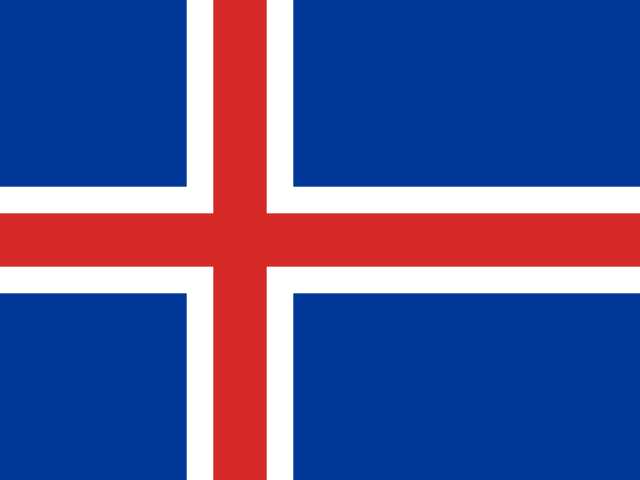 Iceland
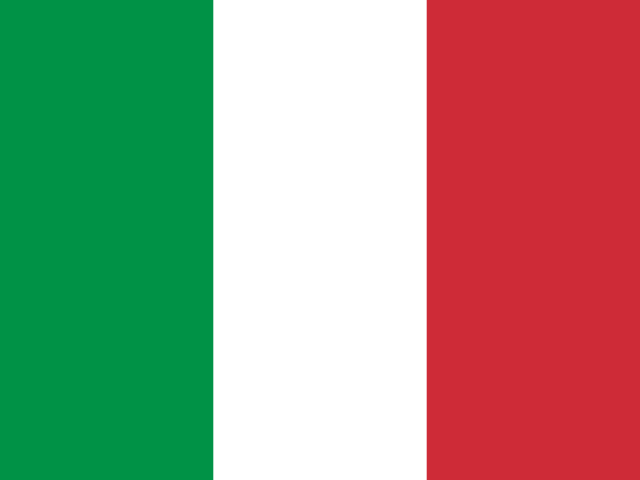 Italy
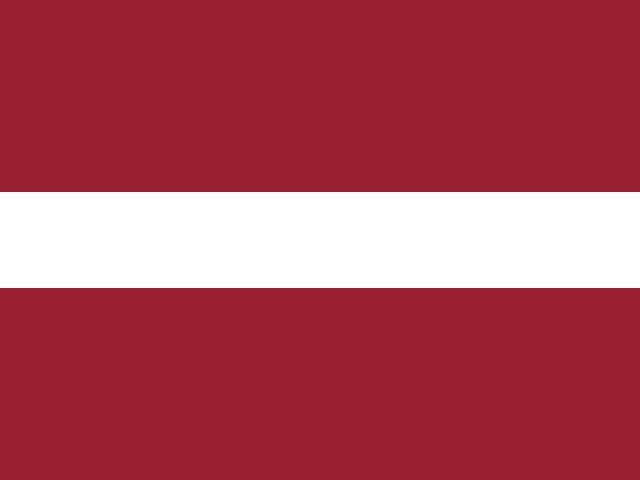 Latvia
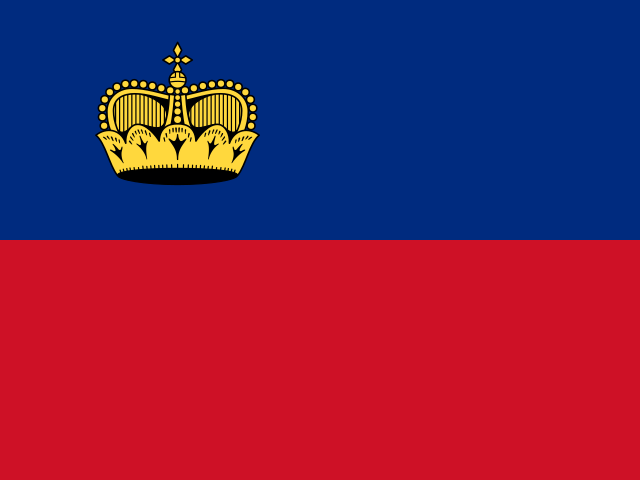 Liechtenstein
 Lithuania
 Luxembourg
 Malta
 Netherlands
 Norway
 Poland
 Portugal
 Romania
 Slovakia
 Slovenia
 Spain
 Sweden
 Switzerland
- Up to 90 days in any 180
- One visa for every member
- No border checks between members
Whether you need the visa at all depends on your passport. Check the entry rules for Austria before you plan the route.
Trips to Austria
Day-by-day itineraries by snuck, shaped around you.
Outdoor adventures in Austria
Austria is known for skiing in winter and hiking in the Alps in summer. You can also watch birds at Neusiedler See, swim at Wörthersee, explore lakes by boat and visit the spas of Styria.
Austrian Alps hiking
HikeAustrian Alps
SummerFollow marked trails on your own. Before leaving, ask the local tourist office whether your chosen trail suits your ability. Mountain huts provide basic overnight shelter.
- Cost: Mountain hut mattress rooms usually cost around €10–20 per night, with half-price stays for Alpine Club members. Meals and drinks cost extra.
- Stay on marked trails and carry suitable equipment.
- Check the forecast and avoid hiking in bad weather. Sudden thunderstorms are more likely in the afternoon.
Kitzbühel skiing
SkiingTyrol
WinterVisit Kitzbühel, one of Tyrol's famous ski areas.
Ischgl skiing
SkiingTyrol
WinterVisit Ischgl, one of Tyrol's famous ski areas.
Sölden skiing
SkiingTyrol
WinterVisit Sölden, one of Tyrol's famous ski areas.
Lech skiing
SkiingVorarlberg
WinterVisit the village and ski area of Lech.
Seegrube–Nordkette skiing
SkiingTyrolnear Innsbruck
Hard WinterReach Nordpark by public transport from Innsbruck, then take the Nordkettenbahn cable car up the mountain.
- The ski routes are steep.
Igls–Patscherkofel skiing
SkiingTyrolnear Innsbruck
WinterTake bus J towards Patscherkofelbahn or Olympiaexpreß, or tram 6 to Igls. Use the Patscherkofelbahn to reach the mountain.
Axamer Lizum skiing and snowboarding
SkiingTyrolnear Innsbruck
Hard WinterTake the free ski bus from Innsbruck's main railway station.
- Cost: Listed adult high-season price: €49, dated December 2022.
- The resort has challenging terrain, including areas away from the marked ski runs.
Kühtai skiing
SkiingTyrolnear Innsbruck
WinterUse Innsbruck as a base to visit Kühtai, one of the nearby ski areas.
Schlick-2000 skiing
SkiingTyrolnear Innsbruck
WinterUse Innsbruck as a base to visit Schlick-2000, one of the nearby ski areas.
Stubaital skiing
SkiingTyrolnear Innsbruck
WinterVisit Stubaital from an Innsbruck base. The valley has several winter ski resorts.
Neusiedler See birdwatching
WildlifeBurgenland
Visit Neusiedler See in Burgenland to watch birds around the lake.
Strandbad Klagenfurt swimming and beach
BeacheCarinthianear Klagenfurt
Visit Strandbad Klagenfurt on Wörthersee for swimming and sunbathing.
- Cost: Entrance is approximately €2–3.
Lake Constance boat cruises
More to doVorarlbergnear Bregenz
April–OctoberTake a Vorarlberg Lines cruise from Bregenz. Options include a three-country cruise and trips to Lindau, Mainau, Konstanz and Friedrichshafen.
- Cost: The short Lindau cruise is listed at €5 per adult each way. A regional train back to Bregenz is listed from €2.40 when bought at an ÖBB ticket machine. Prices are dated October 2023.
Thermenland spas
Hot springStyria
Day tripVisit the Thermenland spas on a day trip from Graz or Vienna.
Nordkette summit hike
HikeTyrolnear Innsbruck
HardWalk all the way to the summit without using the cable cars. Alternatively, take the Nordkettenbahn to Seegrube or Hafelekar, where hiking routes begin.
- The full uphill hike is strenuous.
- The route is unclear in some places.
Patscherkofel forestline hiking
HikeTyrolnear Innsbruck
SummerTake bus J towards Patscherkofelbahn or Olympiaexpreß, or tram 6 to Igls. Use the mountain access to explore walks along the upper edge of the forest.
Nordpark Singletrail mountain biking
CyclingTyrolnear Innsbruck
Experts onlyReach Nordpark from Innsbruck using tram 1 or one of its listed bus connections to access the mountain biking area.
- This is described as one of Europe's most demanding downhill mountain bike routes.
Plabutsch hike
HikeStyrianear Graz
HardTake tram 1 to its terminus at the bottom of Plabutsch, on Graz's western edge, then hike uphill.
- The hike is quite strenuous.
- Wear walking boots and consider taking a map.
Gösting castle ruins hike
HikeStyrianear Graz
Take bus 40 to its terminus, then walk uphill to the castle ruins.
- The walk uphill is very steep.
Hilmteich boating and skating
More to doStyrianear Graz
Boating or skating, depending on the seasonVisit Hilmteich for boating or skating, depending on the season.
Thalersee boating and skating
More to doStyrianear Graz
Boating or skating, depending on the seasonVisit Thalersee just outside Graz for boating or skating, depending on the season.
Igls Olympic run bobrafting
More to doTyrolnear Innsbruck
Try bobrafting on the Olympic bobsled run in Igls.
- The ride is fast, although described as tamer than bobsledding.
Graz to Austrian Sculpturepark cycle ride
CyclingStyrianear Graz
Cycle from Graz to the Austrian Sculpturepark on a route passing the airport.
- Cost: Entry to the park is free.
Ironman Austria triathlon
More to doCarinthianear Klagenfurt
JunePlan a visit to Klagenfurt around the Ironman Austria triathlon in June.
Airports, metros and trains in Austria
Airports with scheduled flights
- GRZGraz AirportFeldkirchen bei GrazMain international airport
- INNInnsbruck AirportInnsbruckMain international airport
- KLUKlagenfurt AirportKlagenfurt am WörtherseeMain international airport
- LNZLinz-Hörsching AirportLinzMain international airport
- SZGSalzburg AirportSalzburgMain international airport
- VIEVienna International AirportViennaMain international airport
Metro and subway
- ViennaVienna U-Bahn99 stations83.3 kmsince 1978
Trains
- Rail network
- 4,859 km
- Electrified
- 3,650 km
- High-speed lines
- 410.2 km
- Top speed
- 250 km/h
People and safety in Austria
Religion
Most people are Christian. Mixed.
- Christian68%
- No religion22%
- Muslim8%
LGBT+ travellers
Legal and protected
- Same-sex couples can marry.
- Legal gender change is recognised.
- Laws protect against discrimination.
Women travellers
Ranked #9 of 181 countries for women's safety, inclusion and justice.
82% of women say they feel safe walking alone at night where they live.
Who can visit without a visa
Travellers from 93 of 198 countries can visit Austria easily: no visa, a visa at the airport, or a short online form.
- Visa not required82
- Freedom of movement11
- Visa required105
Who can visit easily, by part of the world
For each part of the world: how many countries' travellers can come easily. Easy means no visa, a visa at the airport, or a short online form.
- Europe43 of 45 countries
- Americas26 of 35 countries
- Oceania10 of 14 countries
- Asia12 of 50 countries
- Africa2 of 54 countries
Questions
When should I visit Austria?
Summer, from early June to mid-September, suits hiking and city visits. Winter sports draw visitors from December to March, with a longer season at higher elevations.
Which airport should I use?
Vienna is the main international airport. For western Austria, Munich or Memmingen may be useful; for skiing, compare the full flight and transfer time.
Can I travel around without a car?
Yes. Trains connect major cities and many towns, while buses serve smaller places and lakes; a car can help in remote areas with infrequent buses.
Can I pay by card everywhere?
No. Many shops still take cash only, so carry euros; cash machines are widely available.
Will I manage with English?
English is widely spoken. Older people in some rural areas may not speak it, and menus can be harder to understand.
What Austrian food should I try?
Try Wiener Schnitzel, sweet or savoury dumplings called Knödel, and Tafelspitz, a boiled beef dish. Apfelstrudel is a well-known dessert.
Where can I find cheaper accommodation?
Look for youth hostels in big cities and Pension or Zimmer Frei signs in smaller towns. Some farmers also rent rooms in the countryside.
Is tap water safe to drink?
Generally, yes. In some parts of Lower Austria, ask about local water quality first.
Does ordinary health cover pay for mountain rescue?
The source says the European Health Insurance Card and most travel insurance do not cover mountain helicopter rescue. Mountain sports insurance is strongly recommended.
How much should I tip?
A tip of 5–10% is common for service, and rounding up small bills is usual. Tips are not customary for counter service.
 Reviewed by @snuck