
Northern Europe
 Northern Europe
LatviaTravel guide
- Riga
- Sigulda
- Cēsis
- Jūrmala
- Daugavpils
- Ventspils
Latvia is one of Europe's three Baltic states. Its capital, Riga, is the main visitor destination, but the country also has quiet beaches, forests, historic towns and castles.
Why go
Explore Riga's Old Town, a World Heritage Site.
Discover 500 km of coastline with quiet beaches, white sand and pine-covered dunes.
Walk through forests, nature parks and wildlife reserves.
Visit Liepāja for its beach and Karosta, a formerly secret military neighbourhood.
See Kuldīga, a World Heritage Site with Europe's widest waterfall.
Explore the medieval castle ruins in Cēsis.
Best time to go: June to early September is the best time for warm weather, with temperatures around 15–20°C. Spring and autumn are fairly mild, while winter can bring snow and brief periods near -30°C.
Getting there
By air
- Riga International Airport, airport code RIX, is Latvia's only airport with regular international flights. It is 10 km southwest of Riga.
- Bus 22 connects the airport with central Riga, and a ticket from the driver costs €2. Yellow tickets valid for 1, 3 or 5 days are sold at the Narvesen kiosk just outside the airport.
- Taxis are also available at the airport. Another option is to fly to Kaunas in Lithuania and take the Flybus to Riga.
By land
- Elron runs a daily train between Tallinn and Riga through Tartu and Valga. Other journeys involve changing between Elron and Vivi trains at Valga.
- LTG Link runs a daily train between Vilnius and Riga. Train services to and from Russia and Belarus have been suspended because of Russia's war on Ukraine.
- International buses connect Riga with cities including Tallinn, Tartu, Vilnius, Kaunas, Warsaw and Berlin. Operators include Ecolines, Lux Express and FlixBus.
By sea
- Stena Line runs ferries from Nynäshamn in Sweden to Ventspils. The journey takes about 8½ hours.
- Stena Line also runs ferries from Travemünde in Germany to Liepāja. The journey takes about 27 hours.
Getting around
Train
Vivi runs domestic trains, which are generally reliable and can be cheaper than other transport. Services reach several larger towns, but the west coast has fewer trains. Buy tickets at station ticket offices before boarding. If the office is closed or there is none, you can buy from train staff for €0.50 extra. Tickets are also sold online and through the Pasažieru vilciens and Mobilly phone apps. Show the square barcode on your ticket to train staff; there are no seat reservations. Use Majori station for Jūrmala's beaches and centre. Ķemeri station is closest to the national park.
Regional and long-distance bus
Buses reach most towns and cities. Ask at a local bus station or use 1188.lv or the Autoosta website for information. Buy tickets at ticket offices, when boarding or online. Advance tickets are usually available up to 10 days before departure. Buses leaving Riga can be crowded on Fridays and Saturdays. Buying at the departure station's ticket office beforehand lets you board before other passengers. Large bags may need to go in the luggage compartment. Some companies charge extra and issue a separate luggage ticket. Express buses make fewer stops between major cities. Some buses offer free wireless internet.
City transport
Riga has buses, trams and trolleybuses, which are buses powered by overhead wires. Several other cities have local bus services. Check both the route number and the type of vehicle in Riga. A bus and trolleybus with the same number may follow different routes. Riga tickets are sold through ticket machines, shops and phone apps, including Mobilly. Drivers sell tickets on bus 22.
Car
Drive on the right. Unless signs say otherwise, limits for cars without trailers are 50 km/h in towns, 90 km/h outside towns and 80 km/h on rural gravel roads. Many local roads are gravel, and a longer paved route may be quicker. Ask someone who knows the route about road conditions. Driving can be aggressive, and many roads lack space to stop safely at the side. Watch for risky overtaking and animals, especially at night. A lit green arrow allows you to proceed only when the way is clear. Give way to trams and do not pass a stopped tram when passengers must cross the road. Central Riga has parking charges, payable through apps such as Mobilly or EuroPark. Some towns use parking discs to show arrival time. Rental offices are available around Riga and at the airport. CityBee and Forus Autolevi offer rentals through phone apps. Motor vehicles are prohibited in coastal dune zones.
What to see and do
Riga Old Town
The capital's historic centre is a World Heritage Site and Latvia's main visitor destination.
Liepāja and Karosta
See Liepāja's beach and its formerly secret military neighbourhood.
Kuldīga
This town became a World Heritage Site in 2023 and has Europe's widest waterfall.
Cēsis castle ruins
Explore the remains of a medieval castle.
Latvia's coast
The 500-km coastline has many empty beaches, soft white sand and dunes covered with pine trees.
Walk nature trails
Forests cover about half of Latvia, with trails, nature parks and wildlife reserves.
Food and drink
Rye bread
Dark rye bread, called rupjmaize, is a Latvian staple. Buy it fresh and avoid storing it for too long.
Pork and potatoes
Pork and potatoes feature in many meals. Food is often rich in butter or fat, with relatively little spice.
Smoked and raw fish
Both are common, reflecting Latvia's Baltic coast and Livonian heritage.
Milk products
Milk products and many kinds of bread are staples of Latvian food.
Honey
Local products include different kinds of honey, including honey with nuts.
Laima sweets and Gotiņa fudge
Laima sweets and Skrīveru's soft Gotiņa fudge are widely sold in grocery and convenience shops.
Money
Euro (€), currency code EUR. One euro equals 100 cents.
- Cash machines are widely available, including at Riga Airport and in many small towns.
- Latvijas Banka in Riga exchanges euro notes for smaller or larger notes without a fee.
- Banks accept traveller's cheques but charge a fee, usually at least 1% or a flat €10.
- Some supermarket offers require a customer card or phone app. A physical Rimi customer card costs €1, and registration needs a phone number that can receive text messages.
Tipping: Tipping is optional. Rounding up by around 5–10% is usually enough; check the receipt because a few places already include a service charge.
Typical costs
- Airport bus 22: €2 when buying from the driver.
- Buying a train ticket onboard: €0.50 extra.
- Hotels generally start at €30 outside Riga and €60 in Riga.
- Hostel dormitory beds cost around €10–15; single and double rooms start at €30.
- Country guest houses usually cost less than hotels.
Language
- Latvian is the country's only official language.
- English is widely spoken by younger people, but older people may speak little or none.
- Russian is widely spoken, especially among older people and some minority communities. Language choice can be sensitive.
- German is a popular foreign language, and tourism workers may know enough to help.
- Latgalian is closely related to Latvian and is officially regarded as a variant of it.
- Livonian has very few speakers.
- iela
- Street; used in street names.
- alus
- Beer.
- pirts
- Latvian-style sauna.
- dzeramnauda
- Tip; literally, drink money.
- rupjmaize
- Dark rye bread.
Staying safe
- Latvia is generally safe for solo travel, though petty crime occurs. Watch for bicycle theft and keep valuables out of sight in parked cars.
- Take care when crossing roads, as some drivers are reckless. Dedicated cycle lanes are rare.
- Watch for wild animals when driving on smaller roads through forests, especially at night.
- Check bar and restaurant prices before ordering and inspect the bill for added charges, especially in Riga.
Local customs
Do
- Respect personal space. People are generally reserved and do not usually greet strangers without an introduction.
- Hold doors open and let others board buses or trains first.
- Be careful with language choice, especially Russian. If someone reacts badly, explaining that you are a visitor may help.
- Treat discussions of politics, history and the Soviet Union with care.
- Recognise that the traditional Latvian fire-cross ornament has a centuries-old religious meaning. Linking this folk symbol to Nazi Germany can offend people.
Don't
- Do not ask about someone's salary or discuss your own.
- Avoid personal, political or religious questions until you know someone better.
- Do not litter; it is against the law and can lead to a fine.
- Do not insist on speaking Latvian if someone cannot comfortably answer in it. Try English instead.
- Avoid insensitive comments about ethnic Russians or citizenship, which are sensitive subjects.
Staying healthy
- Tap water is generally safe to drink. Some residents prefer boiled or bottled water.
- You can seek help from a doctor or hospital during your stay, but urgent care may involve a fee.
- Medical care can be difficult to reach in remote areas. Carry a first aid kit; operators on 112 can help in Latvian, English and Russian.
- Bring any medicine you need, as few medicines are available without a prescription.
Phone and internet
- Some intercity buses offer free wireless internet with good coverage along the journey.
- Fifth-generation mobile coverage can be weak in some places. Switching your phone to fourth-generation service may help.
Where to stay
- Hotels are widely available, with prices generally starting at €30 outside Riga and €60 in Riga.
- A small hostel network offers dormitory beds around €10–15. Single and double rooms start at €30.
- Family-run country guest houses often cost less than hotels and offer personal service. Some provide saunas, horseback riding and advice about nearby sights.
- Contact country guest houses a day or a few days before arrival. You usually cannot simply arrive without arranging a stay.
Schengen Area
One visa, 29 countries
A Schengen visa from any member lets you travel across all of them, with no passport checks at the borders between them. With it, a trip to Latvia can also take in:
- Austria
- Belgium
- Bulgaria
- Croatia
- Czech Republic
- Denmark
- Estonia
- Finland
- France
- Germany
- Greece
- Hungary
- Iceland
- Italy
- Liechtenstein
- Lithuania
- Luxembourg
- Malta
- Netherlands
- Norway
- Poland
- Portugal
- Romania
- Slovakia
- Slovenia
- Spain
- Sweden
- Switzerland
 Austria
 Belgium
 Bulgaria
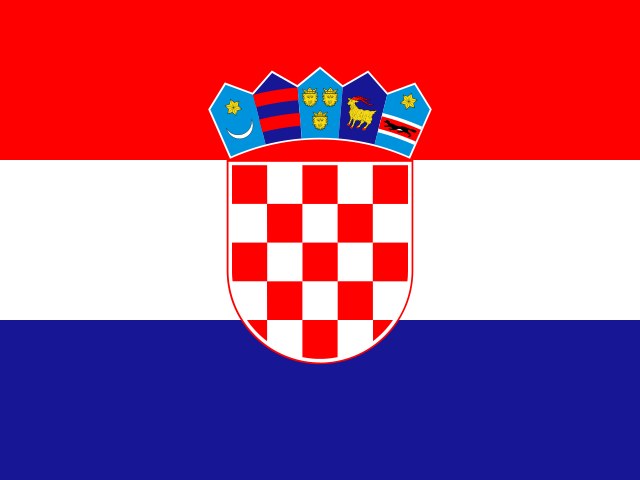 Croatia
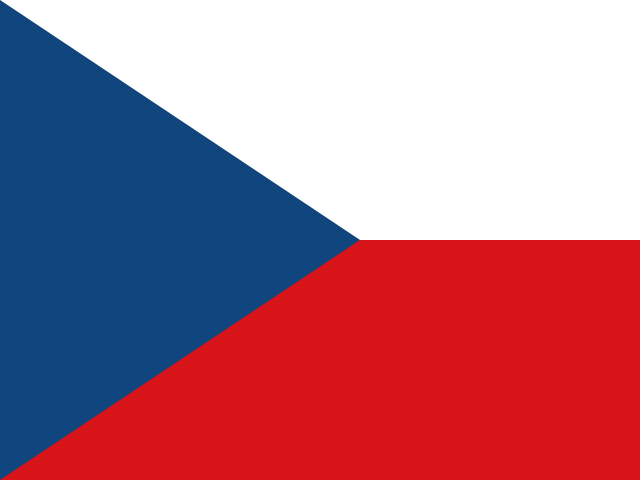 Czech Republic
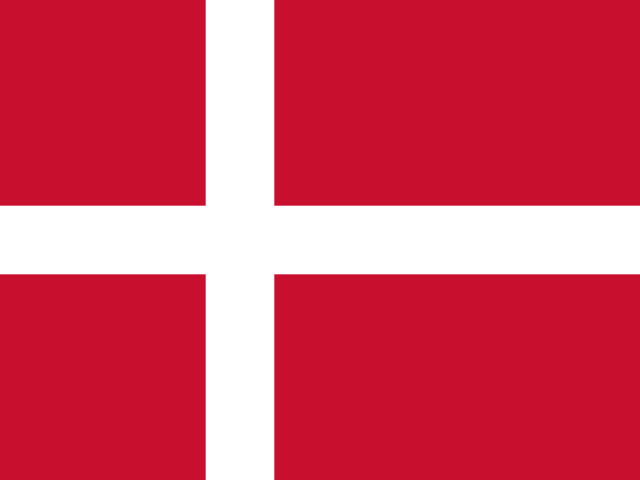 Denmark
 Estonia
 Finland
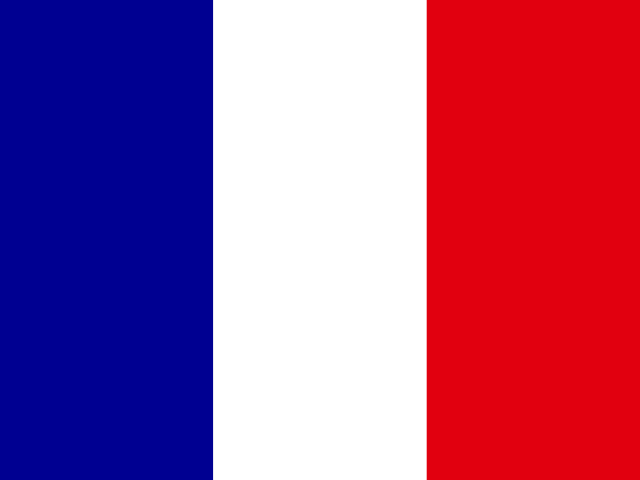 France
 Germany
 Greece
 Hungary
 Iceland
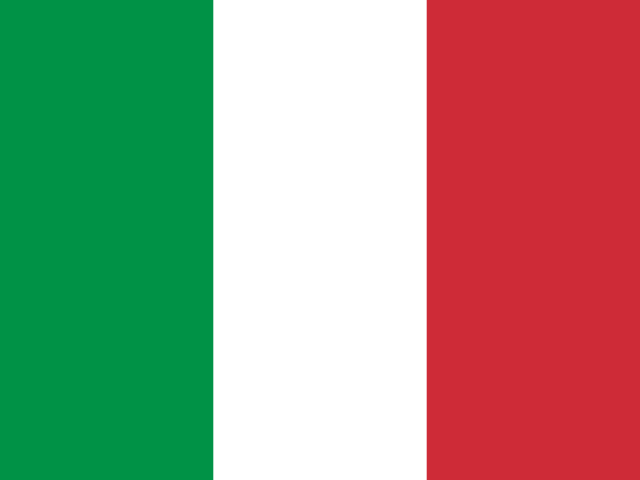 Italy
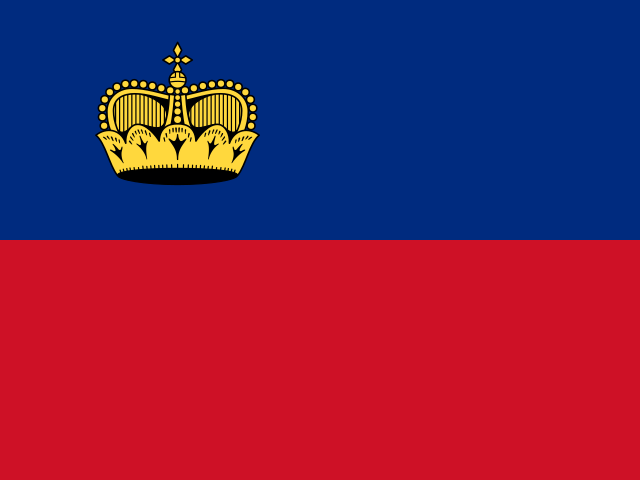 Liechtenstein
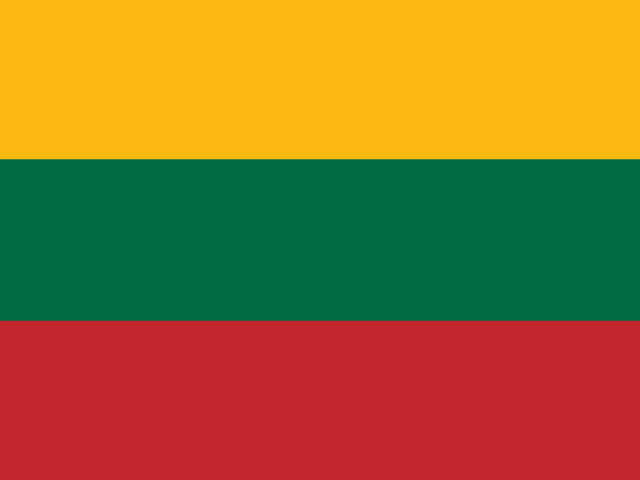 Lithuania
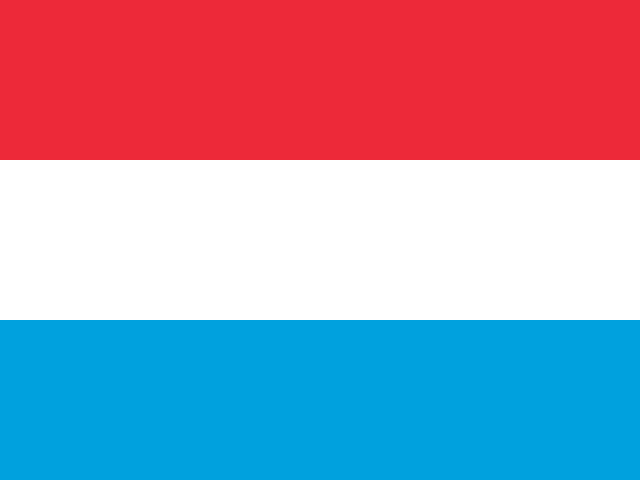 Luxembourg
 Malta
 Netherlands
 Norway
 Poland
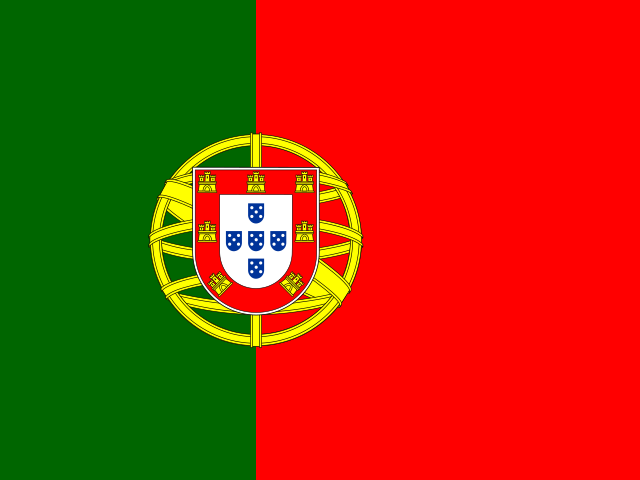 Portugal
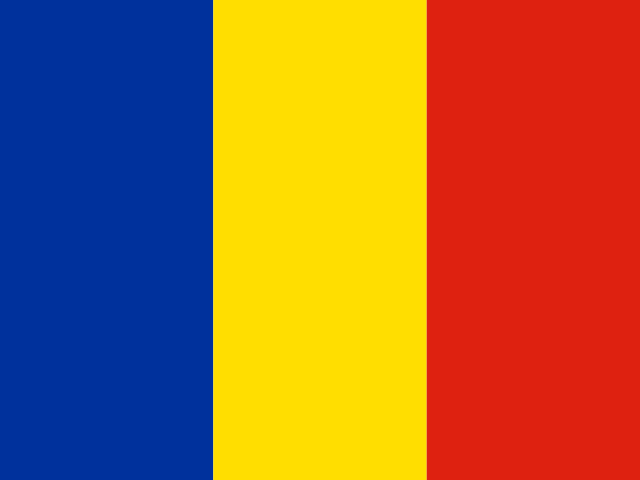 Romania
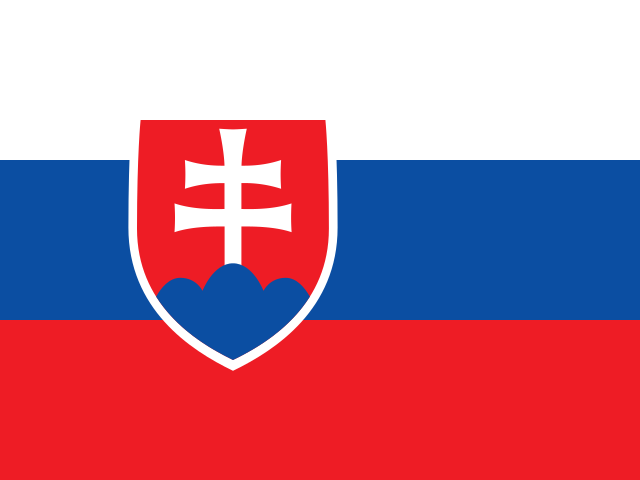 Slovakia
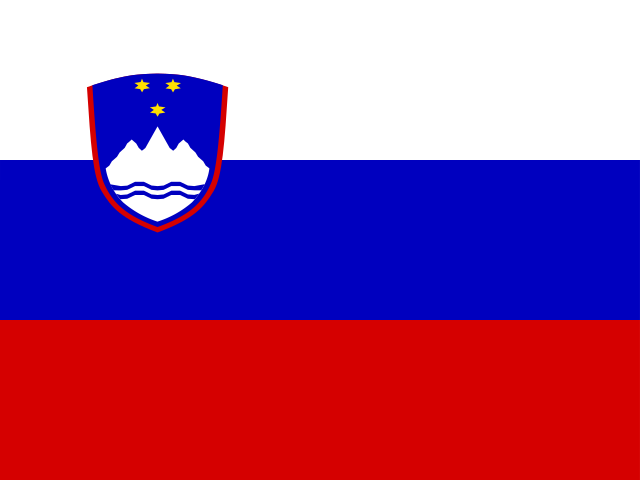 Slovenia
 Spain
 Sweden
 Switzerland
- Up to 90 days in any 180
- One visa for every member
- No border checks between members
Whether you need the visa at all depends on your passport. Check the entry rules for Latvia before you plan the route.
Outdoor adventures in Latvia
Latvia has long sandy beaches, pine-covered dunes, forests and wetlands. Explore national parks on foot, canoe through the Gauja valley, or try coastal surfing and winter skiing. June to early September is generally the warmest time to visit.
Gauja National Park walks
HikeVidzemenear Sigulda and Cēsis
Autumn for colourful leaves, especially near SiguldaExplore the forested Gauja river valley on foot from Sigulda or Cēsis. Cēsis sits on the edge of the park.
- Ticks are most active from May to September in forests and brushwood.
- Carry a first aid kit in remote areas, where medical help can be harder to reach.
Great Ķemeri Moorland boardwalk
HikeRiga regionnear Jūrmala
Visit Ķemeri National Park, described as 11 km west of Jūrmala. Follow the wooden walkway through the moorland to its observation platform.
Jūrmala beaches
BeacheRiga regionnear Jūrmala
June to early September for generally warm weatherVisit the beaches along Jūrmala's coastline for bay views and pine forests.
Gauja National Park canoeing
More to doVidzemenear Sigulda
Take a canoe tour in Gauja National Park as an activity from Sigulda.
- Take care of your arms while paddling.
Gutman's Cave
CaveVidzemenear Sigulda
Visit the cave halfway between Sigulda and Turaida Castle.
- Cost: Free
- The claimed health benefits of drinking the creek water are a legend; drinking it is at your own risk.
Slītere National Park and Cape Kolka
HikeKurzeme
Explore the coastal national park on the Liv Coast, including Cape Kolka.
Rāzna National Park
HikeLatgale
Explore the national park on foot in the eastern region of Latgale.
- Carry a first aid kit in remote areas.
Ventspils Blue Flag Beach
BeacheKurzemenear Ventspils
June to early September for generally warm weatherVisit the city's white-sand beach to walk, play or swim in the sea.
Liepāja beach
BeacheKurzemenear Liepāja
June to early September for generally warm weatherVisit the beach in Liepāja on Latvia's western coast.
Ski Centre Žagarkalns
SkiingVidzemenear Cēsis
During the ski seasonUse Ski Centre Žagarkalns near Cēsis and buy a ski pass.
- Cost: €15–18 for a one-day adult ski pass
Lemberga hūte skiing hill
SkiingKurzemenear Ventspils
WinterVisit the skiing hill at Saules street 141 in Ventspils.
Dzintari Forest Park cross-country skiing
SkiingRiga regionnear Jūrmala
WinterVisit Dzintari Forest Park in Jūrmala to use its winter cross-country skiing trail.
Sigulda Adventure Park Tarzan
ClimbingVidzemenear Sigulda
Visit the adventure park at Peldu 1 in Sigulda for tree climbing and other outdoor activities.
- Cost: €15–36
Mežakaķis Adventure Park
ClimbingVidzemenear Sigulda
May to SeptemberVisit the park, also called Amusement Park Wild Cat, for walks in the trees and outdoor activities.
- Cost: €8–18
Sigulda bungee jumping
More to doVidzemenear Sigulda
Use the bungee operation at the Sigulda cable car. Jumps take place from the cable car over the Gauja valley.
- Cost: €60 single; €105 tandem
Sigulda Gauja valley zipline
More to doVidzemenear Sigulda
Use the zipline operation at the Sigulda cable car to travel over the Gauja valley.
- Cost: €55 single; €95 tandem
Sigulda bobsleigh ride
More to doVidzemenear Sigulda
About 1 minute November to March and May to September; weekend ridesVisit Sigulda's bobsleigh and luge track. Summer weekend rides use bobsleighs fitted with wheels.
- Cost: €10 per person
- Rides can reach speeds of up to 85 km/h.
Sigulda bobsleigh track mini ski resort
SkiingVidzemenear Sigulda
WinterVisit the mini ski resort at Sigulda's bobsleigh and luge track.
Ieriķu nature trail
HikeVidzemenear Cēsis
Visit the nature trail listed at Ieriķu dzirnavas.
- Cost: €3 per adult
- Ticks are most active from May to September in forests and brushwood.
Vidzeme Aero-club parachute jumping
More to doVidzemenear Cēsis
Arrange parachute jumping through Vidzeme Aero-club.
Riga canal and Daugava boat ride
More to doRiga regionnear Riga
Join a boat ride starting near the Freedom Monument. The route follows the canal and the Daugava around the Old Town.
Ventspils Blue Flag Beach surfing area
SurfingKurzemenear Ventspils
Head to the designated surfing area at Ventspils Blue Flag Beach.
Stropi lakeside recreation
More to doLatgalenear Daugavpils
Visit Stropi in northeast Daugavpils, near Big Stropu Lake.
Svētavots Nature Park and Holy Spring
HikeVidzemenear Cēsis
Visit the nature park and spring at Atpūtas iela 12 on the western outskirts of Cēsis.
Sigulda cable car across the Gauja valley
More to doVidzemenear Sigulda
Take the cable car between Sigulda and Krimulda across the Gauja valley.
- Cost: Adult: €7 one-way or €12 return; child: €5 one-way or €8 return
Airports, metros and trains in Latvia
Airports with scheduled flights
- RIXRiga International AirportRigaMain international airport
Trains
- Rail network
- 1,860 km
- Electrified
- 257 km
People and safety in Latvia
Religion
Most people are Christian. Mixed.
- Christian66%
- No religion29%
LGBT+ travellers
Legal
- Same-sex couples can form civil unions, but not marry.
- Legal gender change is recognised.
- Some laws protect against discrimination.
Women travellers
Ranked #17 of 181 countries for women's safety, inclusion and justice.
65% of women say they feel safe walking alone at night where they live.
Who can visit without a visa
Travellers from 93 of 198 countries can visit Latvia easily: no visa, a visa at the airport, or a short online form.
- Visa not required83
- Freedom of movement10
- Visa required104
- Admission refused1
Who can visit easily, by part of the world
For each part of the world: how many countries' travellers can come easily. Easy means no visa, a visa at the airport, or a short online form.
- Europe43 of 45 countries
- Americas26 of 35 countries
- Oceania10 of 14 countries
- Asia12 of 50 countries
- Africa2 of 54 countries
Questions
When is the best time to visit Latvia?
June to early September offers warm weather, usually around 15–20°C. Winter can bring snow and brief periods near -30°C.
How do I get from Riga Airport to the city?
Take bus 22 to central Riga; a ticket from the driver costs €2. Taxis are also available.
Can I travel around without a car or online tickets?
Yes. Buses reach most towns, trains serve several larger destinations, and tickets can be bought at ticket offices or onboard.
Will people speak English?
English is widely spoken among younger people. Older people and people in rural areas may speak little English.
What money should I use, and should I tip?
Latvia uses the euro, and cash machines are widely available. Tipping is optional; rounding up by around 5–10% is usually enough.
Can I arrange accommodation by phone?
Yes, and booking directly may bring a discount. Contact country guest houses a day or a few days before arrival.
Is tap water safe to drink?
Tap water is generally safe, although some residents prefer to boil it or buy bottled water.
What should vegetarians watch for in local food?
Meat, especially pork, appears in many main dishes. Even some dishes without meat may be cooked in bacon fat.
Which number should I call in an emergency?
Call 112 for general emergencies; operators can help in Latvian, English and Russian. Police are on 110, ambulance services on 113 and natural gas emergencies on 114.
What plugs and electricity does Latvia use?
Latvia uses Europlug and Schuko plugs, with electricity at 230 volts and 50 hertz.
 Reviewed by @snuck