
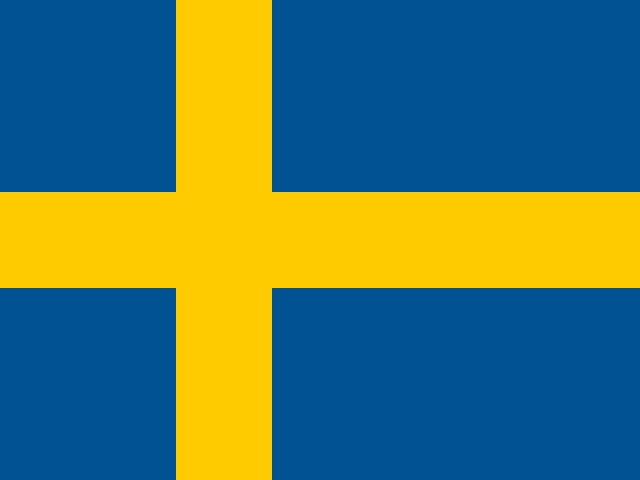
 Northern Europe
Sweden is the largest Nordic country by area and population. Its capital is Stockholm, and visitors come for forests, lakes, islands, historic towns and music.
Why go
Explore historic Stockholm and the Vasa Museum.
Visit the Stockholm Archipelago and other islands.
See Gothenburg's canals, cobbled streets and botanical garden.
Discover medieval history in Visby and Ystad.
Enjoy deep forests, lakes and northern wilderness.
Getting there
By air
- Stockholm Arlanda is Sweden's main airport, about 40 km from central Stockholm. It has flights from Europe and several other parts of the world.
- Göteborg Landvetter is about 25 km from Gothenburg. It has flights from most major European airports.
- Copenhagen Airport in Denmark has a direct train connection to southern Sweden.
By land
- Trains connect Copenhagen and its airport with Malmö across the Öresund Bridge. Tickets can be bought from machines, but the two train operators do not accept each other's tickets.
- Trains from Norway connect with Stockholm, Gothenburg and several northern destinations.
- Direct overnight trains run from Berlin to Stockholm through Hamburg and Malmö. Some other international overnight services are seasonal.
By sea
- Baltic Sea ferries offer accommodation, duty-free shopping and views of the Stockholm Archipelago.
- Nearly all ferries to Sweden carry cars. Compare direct ferries from Germany with routes through Denmark, as direct ferries can be cheaper.
Customs
- If driving into Sweden from Norway, visit customs because Norway is not part of the European Union.
Getting around
Trains
Trains are usually the fastest and most comfortable way to travel between cities. SJ, the state railway company, runs most long-distance routes. You can call +46 771 75 75 75 for tickets or information. Tickets bought online in advance are usually cheaper, but offer less flexibility. A Sweden-only Interrail rail pass may cost less if you plan several train journeys.
Buses
Buses are useful for smaller towns and the countryside. Local buses are often more frequent and cheaper than trains for short journeys. FlixBus and Bus4You serve routes in southern Sweden. Y-buss, Tapanis and Härjedalingen connect Stockholm with northern Sweden. Check routes and timetables with the local transport authority.
Combined public transport
Resplus lets you combine participating transport companies in one journey. Its travel guarantee provides help when disruption affects your trip. Resrobot is a journey planner that also sells tickets. Advance booking may be unnecessary outside major holiday periods. Buying early online can still save money.
Domestic flights
Flights can save time over the long distances of northern Sweden. Lower-priced tickets usually need to be bought well in advance. Domestic airlines include Scandinavian Airlines, Norwegian, BRAATHENS and Amapola.
What to see and do
Stockholm
The compact historic capital has plenty of heritage, the Vasa Museum and access to the Stockholm Archipelago.
Gothenburg
Visit its canals, cobbled streets and well-known botanical garden.
Malmö
The city is known for its modern architecture.
Visby
This historic port town is a United Nations Educational, Scientific and Cultural Organization World Heritage Site.
Ystad and Ales stenar
Explore a medieval town known from the Kurt Wallander novels and an ancient Iron Age burial monument.
Rök runestone
This ninth-century stone in Östergötland is the world's largest of its kind. Its writing is in Old Norse.
Food and drink
Smörgåsbord
A traditional buffet with herring, seafood, cold meats, hot dishes, cheese and dessert. The Christmas version is called julbord.
Köttbullar
Swedish meatballs served with potatoes, brown sauce and lingonberry jam.
Sill and gravlax
Sill is pickled herring, often served with bread or potatoes. Gravlax is cured salmon.
Pytt i panna
Diced meat, onions and potatoes fried together, served with beetroot and an egg.
Ärtsoppa
Pea soup with diced pork, traditionally eaten on Thursdays and followed by thin pancakes.
Renskav
Sliced, sautéed reindeer meat, preferably served with wild mushrooms, lingonberries and potatoes.
Money
Swedish krona (SEK), written as kr; the plural is kronor.
- Bring a payment card, as many businesses and machines do not accept cash.
- Do not rely on foreign currency being accepted. Places that accept euros may offer poor exchange rates.
- Specialist exchange companies handle foreign cash, while many banks do not. Forex may be expensive.
- Old Swedish money may no longer be valid, so avoid saving cash for a future visit.
Tipping: Tipping is voluntary and not customary. You can round up for good service or leave 5–10% for exceptional service; walking tours advertised as free may expect a tip.
Typical costs
- Airport coaches: around 70–120 kronor.
- Hotel accommodation: around 1,300 kronor in the source's 2015 price examples.
- Hostel room: 150–350 kronor in the source's 2015 price examples.
- A meal: around 100 kronor in the source's 2015 price examples.
- A beer in a bar: around 45 kronor in the source's 2015 price examples.
- A public transport ticket in Stockholm, Gothenburg or Malmö: around 25 kronor in the source's 2015 price examples.
Language
- Swedish is the national language.
- English is widely spoken, especially by younger adults.
- Finnish, Sami, Meänkeäli, Yiddish and Romani are officially recognised minority languages.
- Hej
- Hello or goodbye; pronounced like 'hey'.
- Tack
- Thanks; pronounced roughly 'tuck'.
- Ursäkta
- Excuse me; pronounced roughly 'OR-sek-ta'.
- Snälla
- Please; pronounced roughly 'SNELL-la', though Swedes use it less often than English speakers use 'please'.
Staying safe
- Sweden is generally safe for travellers. Avoid drunken fights on weekend nights.
- Watch your belongings in airports, stations, public transport, shopping areas and festivals, where pickpockets operate.
- Lock your bicycle when leaving it.
- Look carefully before crossing roads, even at pedestrian crossings.
Local customs
Do
- Use numbered queue slips where provided, and wait for your turn.
- Arrive on time for meetings and meals. Avoid arriving early for a private invitation.
- Remove your shoes when entering most homes, or check what other guests have done.
- Respect personal space and privacy. Choose an empty pair of seats on public transport when one is available.
- Get a server's attention when you need help; staff may give you space out of respect for privacy.
- At supermarket checkouts, place items separately with barcodes facing up or towards you. Add the divider and pack your own bags.
Don't
- Do not approach celebrities outside official fan events.
- Do not assume someone's background from their appearance. Racist, sexist or homophobic behaviour is often met with hostility.
- Do not swim naked at public beaches unless they are designated nudist beaches.
- Do not expect bargaining in ordinary shops. Flea markets are among the places where it is accepted.
- Avoid asking people you do not know well about personal finances or religion.
- Do not carry or use non-medical drugs, including cannabis. Possession and intoxication can lead to a fine and a criminal record.
Staying healthy
- Pharmacies display a green cross and the word Apotek. They can help with minor medical problems.
- Major cities have a pharmacy open at night. Many supermarkets sell basic supplies such as dressings and antiseptics.
- Medical appointments can be difficult to obtain, and emergency departments may have long waits.
- Bring your European Health Insurance Card if you are eligible for one.
Phone and internet
- You need a passport or official identity document to register a prepaid phone account.
Where to stay
- Hotels and hostels are available; the source gives average hotel and hostel prices from 2015.
- Car camping is described as convenient and economical, with overnight stays possible nearly anywhere.
- Baltic Sea ferries offer accommodation described as among the cheapest in Scandinavia.
Schengen Area
One visa, 29 countries
A Schengen visa from any member lets you travel across all of them, with no passport checks at the borders between them. With it, a trip to Sweden can also take in:
- Austria
- Belgium
- Bulgaria
- Croatia
- Czech Republic
- Denmark
- Estonia
- Finland
- France
- Germany
- Greece
- Hungary
- Iceland
- Italy
- Latvia
- Liechtenstein
- Lithuania
- Luxembourg
- Malta
- Netherlands
- Norway
- Poland
- Portugal
- Romania
- Slovakia
- Slovenia
- Spain
- Switzerland
 Austria
 Belgium
 Bulgaria
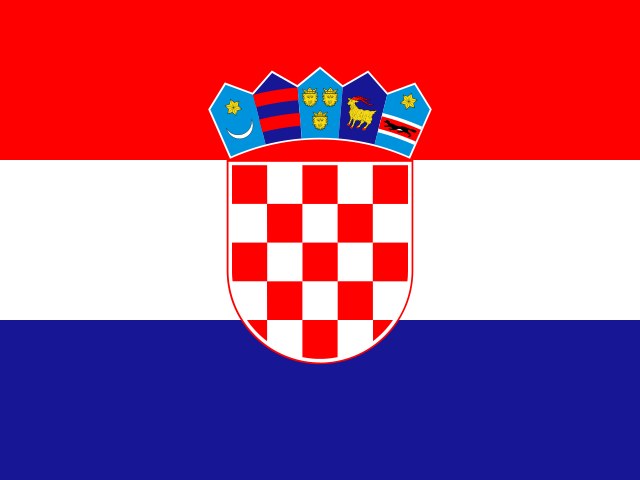 Croatia
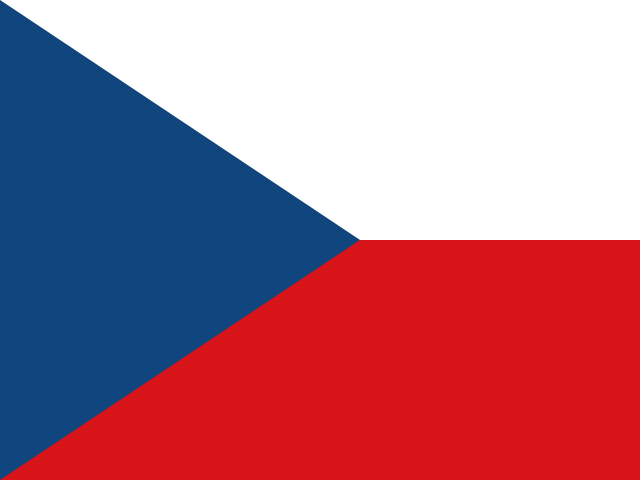 Czech Republic
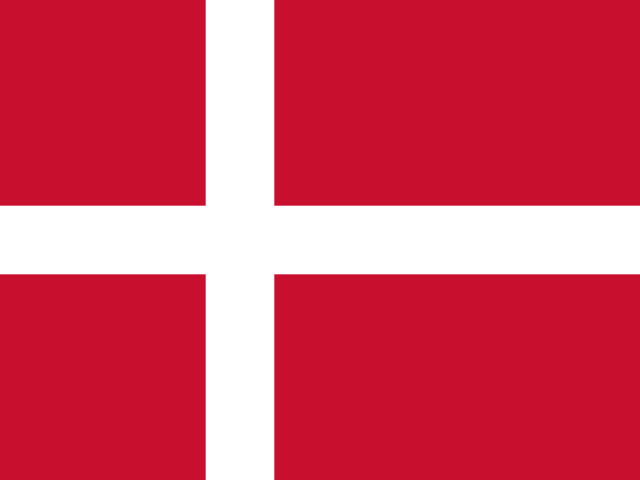 Denmark
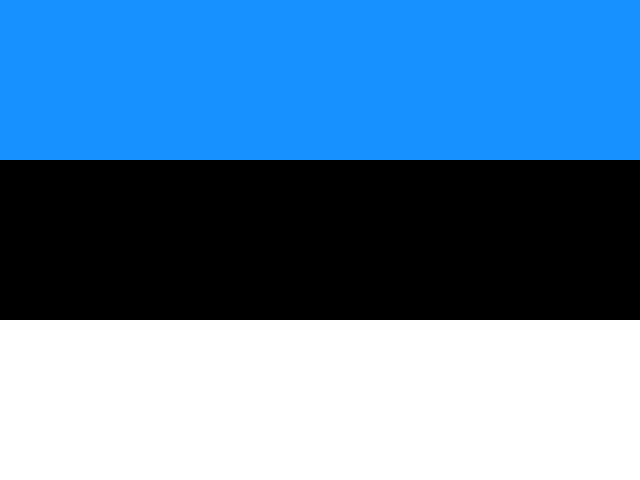 Estonia
 Finland
 France
 Germany
 Greece
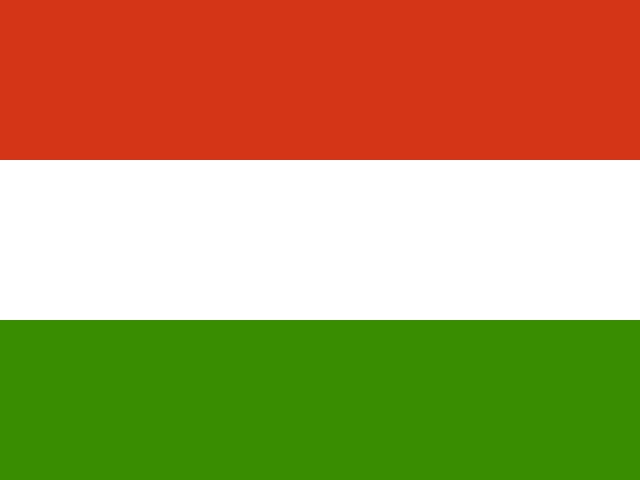 Hungary
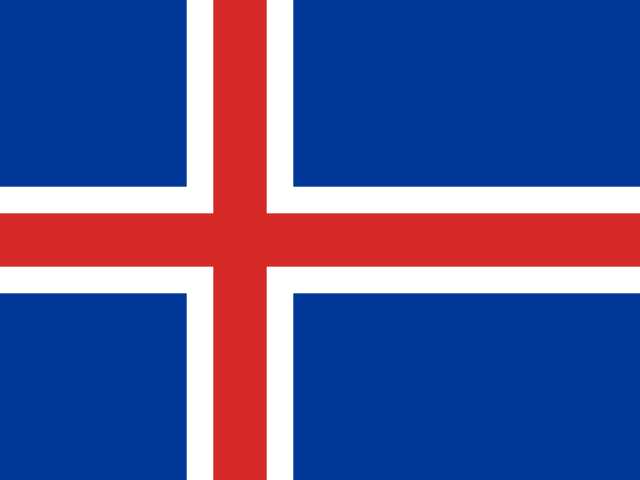 Iceland
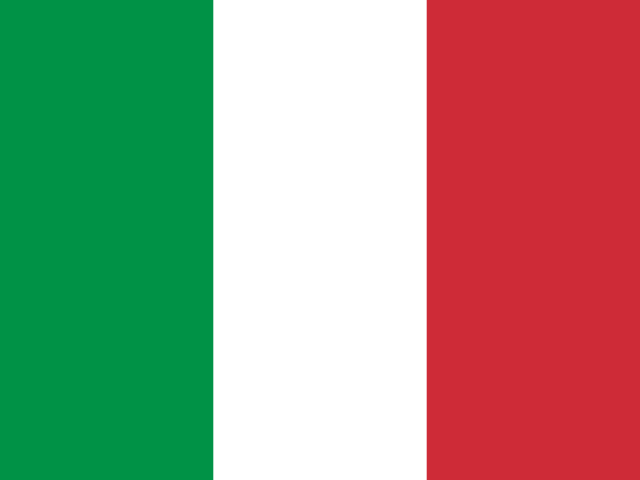 Italy
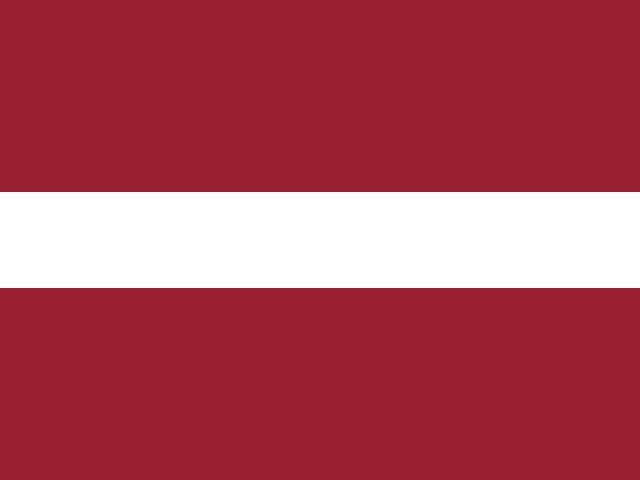 Latvia
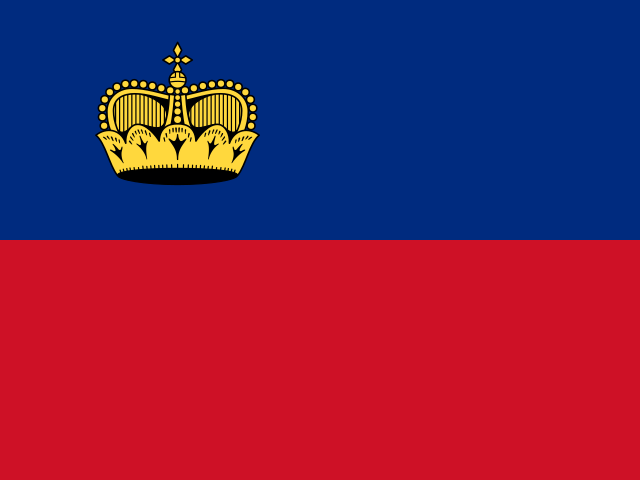 Liechtenstein
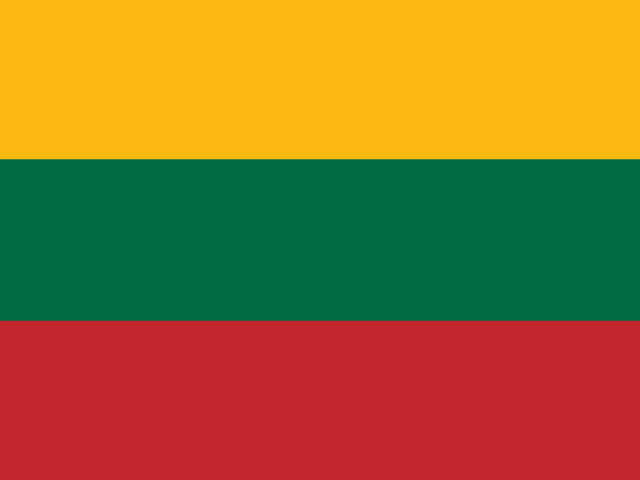 Lithuania
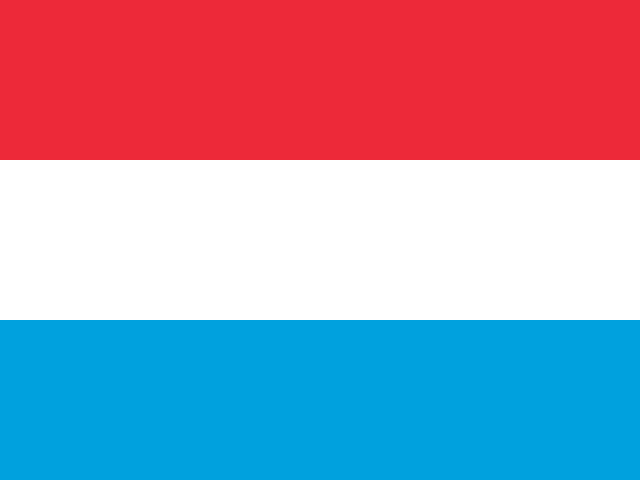 Luxembourg
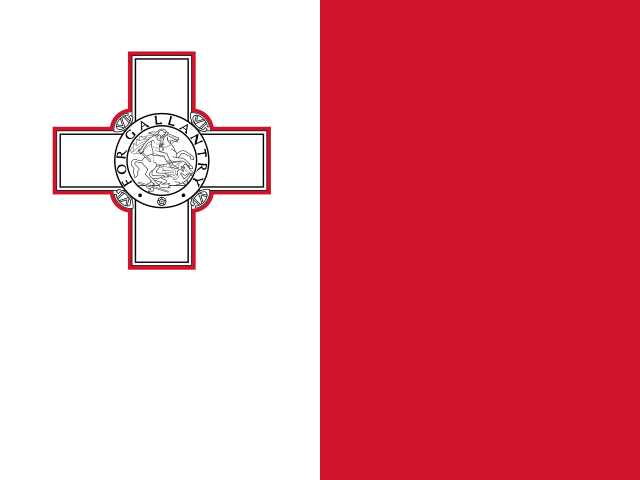 Malta
 Netherlands
 Norway
 Poland
 Portugal
 Romania
 Slovakia
 Slovenia
 Spain
 Switzerland
- Up to 90 days in any 180
- One visa for every member
- No border checks between members
Whether you need the visa at all depends on your passport. Check the entry rules for Sweden before you plan the route.
Outdoor adventures in Sweden
Sweden has deep forests, lakes, mountain wilderness and thousands of islands. You can hike between mountain cabins, sail and canoe in the Stockholm archipelago, watch wildlife or ski in winter.
Kungsleden
TrekNorthern Sweden
SummerFollow the mountain route, staying in cabins or camping between walking days.
- Leave your travel plans with a friend or the authorities before entering remote wilderness.
- Cold weather is a major concern on winter hikes in northern Sweden.
Åre
Skiingnear Åre
WinterVisit Åre to ski at one of Sweden's largest ski resorts.
- Dress warmly in layers.
- Wear good sunglasses to protect your eyes from bright snow, especially in spring.
Stockholm archipelago sailing and island camping
SailingStockholm archipelagonear Stockholm
Use Stockholm as the gateway to the archipelago. Explore by sailing boat and camp on islands under the right to roam.
- Follow boating safety advice.
- Do not light a campfire directly on rock.
Stockholm archipelago canoeing
More to doStockholm archipelagonear Stockholm
Explore the islands by canoe. You can combine paddling with island camping under the right to roam.
- Follow boating safety advice.
- Do not light a campfire directly on rock.
Sarek National Park wilderness exploration
TrekLaponia
HardExplore the rugged wilderness of Sarek National Park, which forms part of Laponia.
- Leave your travel plans with a friend or the authorities before entering remote northern wilderness.
- Prepare for cold weather if travelling in winter.
Laponia wildlife watching
WildlifeArctic Sweden
Head into Laponia's wilderness to look for elk, also called moose, wolverines and other Swedish wildlife.
- Leave your travel plans with a friend or the authorities before entering remote wilderness.
- Dress warmly in layers for winter visits.
Kosterhavet lobster and seal safaris
Safari
Visit Kosterhavet maritime park for a lobster or seal safari.
- Follow boating safety advice.
Baltic Sea wreck diving
Scuba divingBaltic Sea
HardDive in the Baltic Sea to explore its well-preserved shipwrecks.
- The cold water makes diving challenging.
Öland beaches
BeacheÖland, Götaland
Visit Öland to explore its long beaches.
Vasaloppet
Skiing
Take part in the annual cross-country ski race from Sälen to Mora.
- Dress warmly in layers.
- Wear good sunglasses to protect your eyes from bright snow.
Vätternrundan
Cyclingnear Motala
Start in Motala for this annual cycling race.
Lidingöloppet
More to do
Take part in the annual Lidingöloppet running race.
Vansbrosimningen
More to do
Take part in the annual Vansbrosimningen swimming race.
Airports, metros and trains in Sweden
Airports with scheduled flights
- GOTGöteborg Landvetter AirportGöteborgMain international airport
- KRNKiruna AirportKirunaMain international airport
- LPILinköping City AirportLinköpingMain international airport
- LLALuleå AirportLuleåMain international airport
- MMXMalmö Sturup AirportMalmöMain international airport
- SCRScandinavian Mountains AirportMalung-SälenMain international airport
Metro and subway
- StockholmStockholm Metro100 stations108 kmsince 1950
Trains
- Rail network
- 10,912 km
- Electrified
- 8,186 km
- High-speed lines
- 1,711 km
- Top speed
- 200 km/h
People and safety in Sweden
Religion
Most people are Christian. Mixed.
- Christian61%
- No religion36%
- Muslim2%
LGBT+ travellers
Legal and protected
- Same-sex couples can marry.
- Legal gender change is recognised.
- Laws protect against discrimination.
Women travellers
Ranked #3 of 181 countries for women's safety, inclusion and justice.
74% of women say they feel safe walking alone at night where they live.
Who can visit without a visa
Travellers from 93 of 198 countries can visit Sweden easily: no visa, a visa at the airport, or a short online form.
- Visa not required82
- Freedom of movement11
- Visa required105
Who can visit easily, by part of the world
For each part of the world: how many countries' travellers can come easily. Easy means no visa, a visa at the airport, or a short online form.
- Europe43 of 45 countries
- Americas26 of 35 countries
- Oceania10 of 14 countries
- Asia12 of 50 countries
- Africa2 of 54 countries
Questions
Can I get by with English?
English is widely spoken, especially by younger adults. A simple Swedish greeting is appreciated.
Should I bring cash or a payment card?
Bring a payment card because many businesses and machines do not accept cash. Foreign visitors may still need some cash where locals use the Swedish payment app Swish.
Can I buy train tickets without booking online?
Tickets for trains from Copenhagen to Malmö can be bought from machines. SJ also provides ticket sales and information by phone on +46 771 75 75 75.
Which airport is useful for southern Sweden?
Copenhagen Airport in Denmark has a direct train connection to southern Sweden. Göteborg Landvetter serves Gothenburg, and Malmö-Sturup is about 30 km from Malmö.
Is Sweden safe for a first visit?
Sweden is generally safe for travellers. Keep an eye on belongings in busy visitor areas and avoid drunken fights on weekend nights.
Can I drink the tap water?
Yes, tap water is safe and of very high quality. Some mountain or coastal island water may have a rusty or slightly salty taste.
Do I need to leave a tip?
Tipping is voluntary and not customary. You can round up for good service, while walking tours advertised as free may expect a tip.
What Swedish food should I try?
Traditional choices include meatballs with potatoes and lingonberry jam, pickled herring and cured salmon. A smörgåsbord buffet lets you try several dishes.
What should I do when invited to someone's home?
Arrive at the agreed time and usually remove your shoes at the door. Check what other guests have done if you are unsure.
Should I carry identification?
Carry your passport or official identity document. You may need it when paying by card, buying alcohol, renting accommodation, entering bars or registering a prepaid phone account.
 Reviewed by @snuck