
Western Europe
 Western Europe
NetherlandsTravel guide
- Amsterdam
- Delft
- Groningen
- The Hague
- Leiden
- Maastricht
The Netherlands is a small, mostly flat country in northwestern Europe. It has historic towns, modern cities, windmills, tulip fields and a strong cycling culture. Amsterdam is the capital.
Why go
Explore historic towns and villages shaped by the country's trading and naval history.
See works by Dutch painters such as Rembrandt and Vermeer in museums.
Cycle on a wide network of dedicated paths.
Enjoy beaches, lakes, windmills and tulip fields.
Discover modern architecture alongside historic buildings in Dutch cities.
Best time to go: May to September is the best time to visit. April and October can also be mild and sunny, but rain is possible in every month.
Getting there
By air
- Schiphol Airport, near Amsterdam, has flights from major cities around the world. Its airport code is AMS.
- The train station is under Schiphol's main airport hall. Direct trains serve Amsterdam, Rotterdam, The Hague, Utrecht and other cities.
- Other international airports include Eindhoven, Maastricht/Aachen, Rotterdam–The Hague and Groningen-Eelde. These mainly serve low-cost airlines.
By land
- International trains connect the Netherlands with other European countries. Tickets can be booked through NS International, the Dutch railway booking service, or its German and Belgian counterparts.
- The cheapest train tickets often sell out early. Reservations generally open three to six months ahead, depending on the service and ticket.
- Good roads connect the Netherlands with Belgium and Germany. Main roads can have serious traffic jams.
By sea
- Stena Line runs ferries between Harwich and Hook of Holland. Its Dutchflyer Rail & Sail ticket combines the ferry with train travel on the Greater Anglia network.
- DFDS Seaways runs between North Shields, near Newcastle upon Tyne, and IJmuiden, outside Amsterdam.
Customs
- There are normally no immigration checks between countries in the Schengen area, a group of countries with shared border arrangements. Temporary checks can still take place.
- Operators may check identity documents before international flights, ferries or trains, including journeys within the Schengen area.
- Full border checks apply when travelling from the United Kingdom.
Getting around
Train
Trains run frequently between major cities and many towns. Intercity trains stop at major stations, while Sprinters stop at every station; both have the same prices. Some trains split into sections with different destinations. Check the platform signs or ask staff which section to board. From Schiphol, check whether your train goes to Amsterdam Centraal or Amsterdam Zuid. These stations do not have a direct train connection. Domestic train seats cannot be reserved. Trains can be crowded during the morning rush hour. Intercity Direct trains require an extra ticket for travel between Schiphol and Rotterdam. Keep noise low in carriages marked 'stilte / silence' or 'Ssst'. These are quiet areas. An hourly night train links Rotterdam, Delft, The Hague, Leiden, Schiphol, Amsterdam and Utrecht in both directions.
Bus
Local and regional buses connect well with trains and reach most small villages. They are usually much slower than trains for long journeys. Some bus companies offer discount tickets that cost less than paying with credit on an OV-chipkaart, the public transport card. Some cities offer cheaper return bus tickets from car parks outside the centre, usually outside rush hours. Amsterdam has night transport every night. Night services in other cities are more limited, and some require special tickets.
Bicycle
The country has about 22,000 km of dedicated cycle paths. Numbered routes and many signs make routes easy to follow. Strong winds can make cycling harder. Winters can be cold and rainy. OV-fiets station bikes require a personal public transport card and an eligible subscription. The subscription requires a bank account that supports iDeal payments. Bike shops are a legal place to buy a used bicycle. Some rental shops also sell their old rental bikes.
Car
Drive on the right. A car can help when exploring countryside areas with limited rail access, including parts of Zeeland and the Veluwe. Traffic jams are common during rush hours. Navigation can help in cities with many one-way streets. Never use a lane marked with a red cross above it. An emergency lane opened with a green arrow must be used as a regular lane. Keep out of bus lanes and cycle paths. Bus lanes may be marked 'Lijnbus' or 'Bus', while cycle paths often have bicycle symbols or reddish surfaces. Fuel is expensive. Unmanned petrol stations can be cheaper than other Dutch stations. Cars using liquefied petroleum gas may need a Dutch pump adaptor. The screw-style adaptor used in Belgium, Luxembourg and Germany does not fit Dutch pumps.
What to see and do
Dutch art museums
Museums hold works by Rembrandt, Vermeer and other painters from the Dutch Golden Age.
Historic towns and villages
Many places preserve buildings and heritage from the country's naval and trading past.
Windmills and tulip fields
These are well-known features of the country's flat landscape.
Modern city architecture
Several Dutch cities have modern architecture that is gaining international attention.
West Frisian Islands
The islands have beaches suited to a quieter, family-friendly visit.
Take a scenic bicycle ride
The Green Heart, Hoge Veluwe National Park, South Limburg and Zaanstreek-Waterland offer scenic cycling areas.
Money
Euro (EUR), written €. One euro equals 100 cents.
- Some shops refuse €100, €200 and €500 notes. Look for signs near the entrance or cash register.
- Most cash machines dispense notes no larger than €50.
- Many shops round cash totals to the nearest five cents. One- and two-cent coins remain legal currency but may not be accepted.
- The Netherlands is generally expensive. Transport, accommodation and dining tend to cost more than in neighbouring countries.
Tipping: Published hotel, bar and restaurant prices include taxes and service charges. Tips are optional; a restaurant tip of 5–10% is considered generous for good service.
Typical costs
- Domestic Flixbus tickets start at around €10.
- OV-fiets bicycle rental costs €4.55 per day, with a €10 extra charge for returning it at a different station.
- Deelfiets Nederland bicycles at some stations in Gelderland and Friesland cost €6 per day.
Language
- Dutch is the national language.
- Most adults speak English reasonably well, and most younger people speak it fluently.
- Basic German is spoken by many people, especially older residents and people near the German border.
- Frisian is an official language and is mainly spoken in Friesland.
- Regional languages include Low Saxon in parts of the east and Limburgish in Limburg.
- achterste deel / achter
- The back section of a train, measured in its direction of departure.
- voorste deel / voor
- The front section of a train, measured in its direction of departure.
- stilte
- Silence; used to mark quiet train carriages.
- huisarts
- A general doctor.
- huisartsenpost
- A doctor service outside normal office hours.
- Waarschuwing: blauwalg
- Warning: blue-green algae in the water.
Staying safe
- Police, ambulance and fire brigade112
- Emergency number also listed in the source911
- Motorway breakdown assistance0800-8002
- ANWB auto-club breakdown assistance0800-0888
- The Netherlands is generally safe, and violent crime is rare. Watch for pickpockets and bicycle theft in Amsterdam, Rotterdam, The Hague and other large cities.
- Some outer suburbs of larger cities are considered unsafe at night.
- When calling 112, say whether you need police, an ambulance or the fire brigade, if you can.
- Snow can disrupt public transport, even when only a small amount falls.
Local customs
Do
- Treat service staff as equals.
- Expect direct, honest conversation. Dutch people rarely intend their directness to offend.
- Respect other people's religious beliefs and their choice not to be religious.
- Use 'the Netherlands' for the country. 'Holland' refers only to North and South Holland and can annoy people from other provinces.
Don't
- Do not ask people about their personal wealth or boast about your own.
- Do not push your religious beliefs on others or assume someone follows a particular religion.
- Do not assume that someone replying in English is being rude. They may simply be trying to make communication easier.
Staying healthy
- Tap water is of very high quality. Drinking-water taps are available at most train stations and in some nature reserves.
- Hospitals have English-speaking medical staff. General doctors can also usually speak English.
- Call 112 for a potentially life-threatening emergency. For an urgent problem that is not life-threatening, contact a local doctor during office hours or an out-of-hours doctor service.
- For a non-life-threatening emergency, a doctor must assess you before you can use a hospital emergency department.
Phone and internet
- Check your provider's charges for using your phone abroad before travelling. Costs can vary greatly.
- A prepaid Dutch SIM card or a prepaid phone-and-SIM bundle may be cheaper.
- Receiving calls with a Dutch SIM card is usually free. Charges may apply when using a foreign SIM card.
- KPN, VodafoneZiggo and Odido operate the main mobile networks. Lyca and Lebara offer discount rates for calls to other countries.
Where to stay
- A wide range of accommodation is available, especially in major tourist destinations.
- The Veluwe and Zuid-Limburg also have accommodation serving domestic holidaymakers.
- Some hotels in Amsterdam and around Schiphol Airport provide shuttle buses.
Schengen Area
One visa, 29 countries
A Schengen visa from any member lets you travel across all of them, with no passport checks at the borders between them. With it, a trip to Netherlands can also take in:
- Austria
- Belgium
- Bulgaria
- Croatia
- Czech Republic
- Denmark
- Estonia
- Finland
- France
- Germany
- Greece
- Hungary
- Iceland
- Italy
- Latvia
- Liechtenstein
- Lithuania
- Luxembourg
- Malta
- Norway
- Poland
- Portugal
- Romania
- Slovakia
- Slovenia
- Spain
- Sweden
- Switzerland
 Austria
 Belgium
 Bulgaria
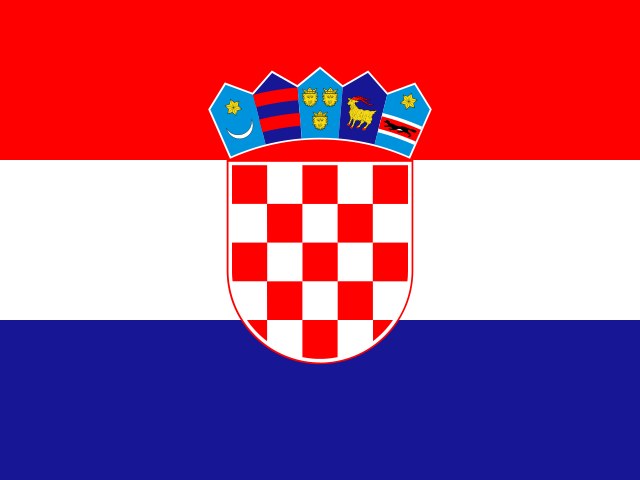 Croatia
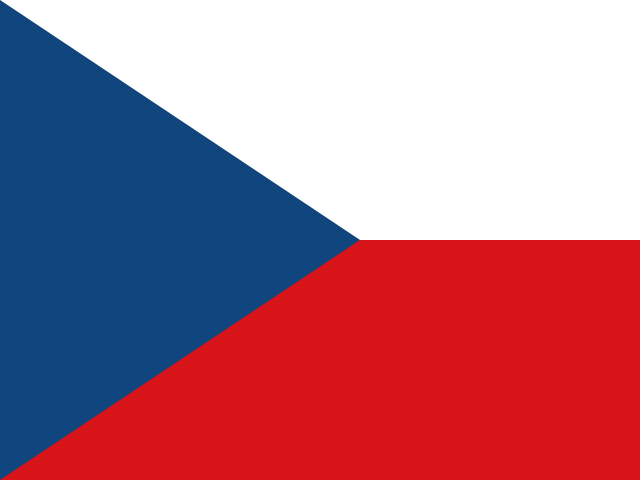 Czech Republic
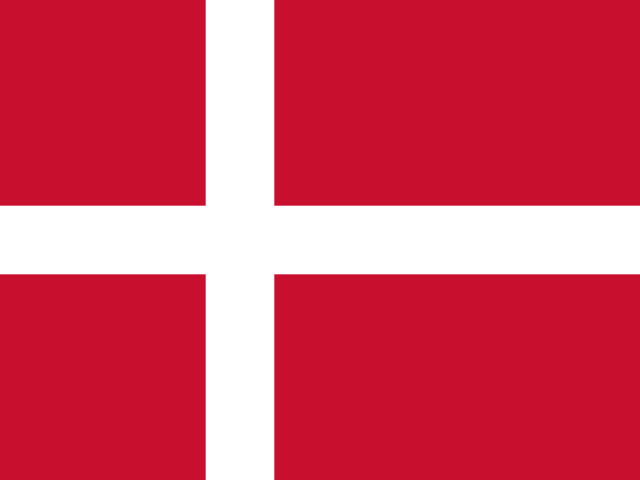 Denmark
 Estonia
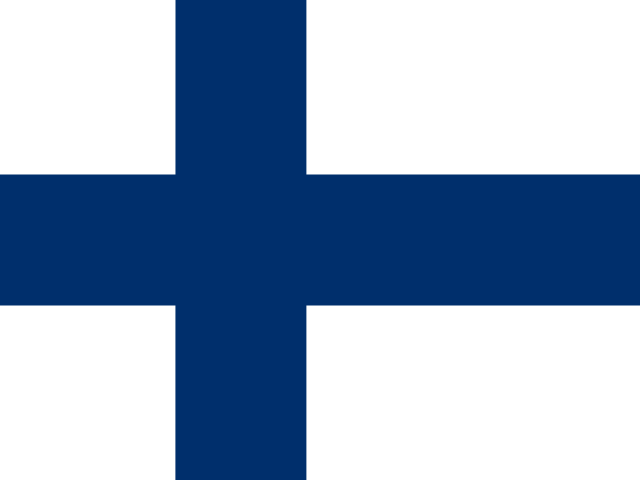 Finland
 France
 Germany
 Greece
 Hungary
 Iceland
 Italy
 Latvia
 Liechtenstein
 Lithuania
 Luxembourg
 Malta
 Norway
 Poland
 Portugal
 Romania
 Slovakia
 Slovenia
 Spain
 Sweden
 Switzerland
- Up to 90 days in any 180
- One visa for every member
- No border checks between members
Whether you need the visa at all depends on your passport. Check the entry rules for Netherlands before you plan the route.
Trips to Netherlands
Day-by-day itineraries by snuck, shaped around you.
Outdoor adventures in Netherlands
The Netherlands is well suited to cycling, walking, boating and beach trips. Its flat countryside has a dense network of cycle paths, while islands, forests and lakes offer plenty of outdoor escapes. May to September is generally the best time to visit, but rain can fall in every month.
Hoge Veluwe National Park
CyclingGelderland
Explore the national park by bicycle through heathland, sand dunes and woodland.
- Winds can be strong.
- When walking in woodland, wear long sleeves and tuck trousers into socks to reduce tick bites.
Texel
CyclingWest Frisian Islands
Warm summer days for swimming and beach visits.Explore the island by bicycle or on foot. Bird watching, swimming, horse riding and tandem skydiving are also available.
- Some beaches are protected nature areas where entry is strictly forbidden.
- Winds can be strong when cycling.
Scheveningen Beach
BeacheThe Hague coastnear The Hague
Warm summer days.Visit the seaside resort from The Hague for swimming, sunbathing and time near the dunes.
Frisian Lakes
SailingFriesland
Go boating on the lakes. The supplied information does not name a boat-hire operator.
North Sea Cycle Route — EuroVelo EV12
CyclingNorth Sea coast
Follow the international coastal cycle route through the Netherlands. Cyclists coming from Britain can link into it using the Dover–Calais or Dover–Dunkirk ferries.
- Coastal winds can be strong.
- Winter can be cold and rainy.
LF 1 / Noordzeeroute
Cycling
Follow LF 1 as part of the long-distance cycle network shared with Belgium.
- Winds can be strong.
- Winter can be cold and rainy.
LF 4 / Midden-Nederlandroute
Cyclingnear The Hague
Follow LF 4 towards The Hague. For an international trip, the German R 1 route connects Berlin with LF 4.
- Winds can be strong.
- Winter can be cold and rainy.
LAW-paden Long-distance Walking Network
HikeAcross the Netherlands
Walk routes in the Dutch LAW-paden network. It connects with Belgium's Grote Route walking network.
- Prepare for rain in every season.
- In forests and dunes, wear long sleeves and tuck trousers into socks to reduce tick bites.
Maastricht Gulpen Cycle Route
CyclingSouth Limburgnear Maastricht
Follow the named cycle route to explore the river valleys of South Limburg.
Maastricht Pietersberg Cycle Route
CyclingLimburgnear Maastricht
Follow the named cycle route along the River Meuse, passing ancient quarries and forts.
Green Heart
Cycling
Explore by bicycle, using the country's numbered routes and signposts to plan your ride.
- Winds can be strong.
- Winter can be cold and rainy.
Zaanstreek-Waterland
CyclingWestern Netherlands
Explore the villages and countryside by bicycle, using numbered cycle routes and signposts.
- Winds can be strong.
- Winter can be cold and rainy.
Fun Forest at Amsterdamse Bos
ClimbingAmsterdamse Bosnear Amsterdam
Visit Fun Forest near the main entrance to Amsterdamse Bos in Amsterdam Zuid for a climbing trail between the trees.
De Delftse Hout
CyclingEast of Delftnear Delft
Rent a bicycle in Delft and ride to De Delftse Hout. Cycle through the woods, walk through the parks or sail on the lake.
- When walking in woodland, wear long sleeves and tuck trousers into socks to reduce tick bites.
Polderpark Cronesteyn
WildlifeEdge of Leidennear Leiden
Visit the park at Polderpad for walks and wildlife watching, especially birds.
West Frisian Islands Beaches
BeacheNorthern Netherlands
A few days for an island visit. Warm summer days.Choose the islands for a beach visit or a stay of a few days.
Zandvoort Beach
Beachenear Zandvoort
Warm summer days.Visit Zandvoort's beach for swimming and sunbathing.
Bloemendaal Beach
Beachenear Bloemendaal
Warm summer days.Visit the beach at Bloemendaal for swimming and sunbathing.
Bergen Beach
Beachenear Bergen
Warm summer days.Visit the beach at Bergen for swimming and sunbathing.
Noordwijk Beach
Beachenear Noordwijk
Warm summer days.Visit Noordwijk's beach for swimming and sunbathing.
Katwijk Beach
Beachenear Katwijk
Warm summer days.Visit Katwijk's beach for swimming and sunbathing.
Kijkduin
BeacheThe Hague coastnear The Hague
Warm summer days.Visit Kijkduin from The Hague for time at the seaside and near the dunes.
Wijdemeren Lakes
SailingWijdemeren
Choose Wijdemeren for boating in a lake-rich area. No specific operator is named.
Kaag Lakes
SailingKaag
Choose Kaag for boating in a lake-rich area. No specific operator is named.
Aalsmeer Lakes
SailingAalsmeer
Choose Aalsmeer for boating in a lake-rich area. No specific operator is named.
Airports, metros and trains in Netherlands
Airports with scheduled flights
- AMSAmsterdam Airport SchipholAmsterdamMain international airport
- EINEindhoven AirportEindhovenMain international airport
- GRQGroningen Airport EeldeGroningenMain international airport
- MSTMaastricht Aachen AirportMaastrichtMain international airport
- RTMRotterdam The Hague AirportRotterdamMain international airport
Metro and subway
- AmsterdamAmsterdam Metro39 stations41.2 kmsince 1977
- RotterdamRotterdam Metro71 stations102.3 kmsince 1968
Trains
- Rail network
- 3,055 km
- Electrified
- 2,314 km
- High-speed lines
- 175 km
- Top speed
- 300 km/h
People and safety in Netherlands
Religion
Most people are No religion. Mixed.
- No religion58%
- Christian36%
- Muslim5%
- Other2%
LGBT+ travellers
Legal and protected
- Same-sex couples can marry.
- Legal gender change is recognised.
- Laws protect against discrimination.
Women travellers
Ranked #8 of 181 countries for women's safety, inclusion and justice.
69% of women say they feel safe walking alone at night where they live.
Who can visit without a visa
Travellers from 93 of 198 countries can visit Netherlands easily: no visa, a visa at the airport, or a short online form.
- Visa not required82
- Freedom of movement11
- Visa required105
Who can visit easily, by part of the world
For each part of the world: how many countries' travellers can come easily. Easy means no visa, a visa at the airport, or a short online form.
- Europe43 of 45 countries
- Americas26 of 35 countries
- Oceania10 of 14 countries
- Asia12 of 50 countries
- Africa2 of 54 countries
Questions
Which territories belong to the Netherlands?
Aruba, Caribbean Netherlands, Curaçao and Sint Maarten.
Do I need a separate visa for the Netherlands's territories?
Often yes. Territories such as Aruba, Caribbean Netherlands Curaçao, and 1 more can have their own entry rules, so check each one before you travel.
When is the best time to visit the Netherlands?
May to September is the best time. April and October can also have mild, sunny weather, but rain is possible throughout the year.
Can I get by with English?
Yes. Most adults speak English reasonably well, and most younger people speak it fluently.
How do I get from Schiphol Airport to Amsterdam?
Take a train from the station under the main airport hall. Check the destination carefully, as trains serve both Amsterdam Centraal and Amsterdam Zuid.
Do I need a car to travel around?
The extensive public transport network is a good way to reach the main sights. A car can help with countryside areas that lack rail connections.
Is cycling easy for visitors?
The flat landscape, dedicated paths and numbered routes make cycling convenient. Strong winds and cold, rainy winter weather can make it harder.
What money should I bring?
The Netherlands uses euros. Some businesses refuse large notes, and most cash machines dispense notes no larger than €50.
Do I need to tip in restaurants?
No. Service charges and taxes are included in published prices, but tips are appreciated; 5–10% is considered generous for good service.
Is tap water safe to drink?
Yes. Dutch tap water is of very high quality, and drinking-water taps are available at most train stations.
 Reviewed by @snuck