
North America
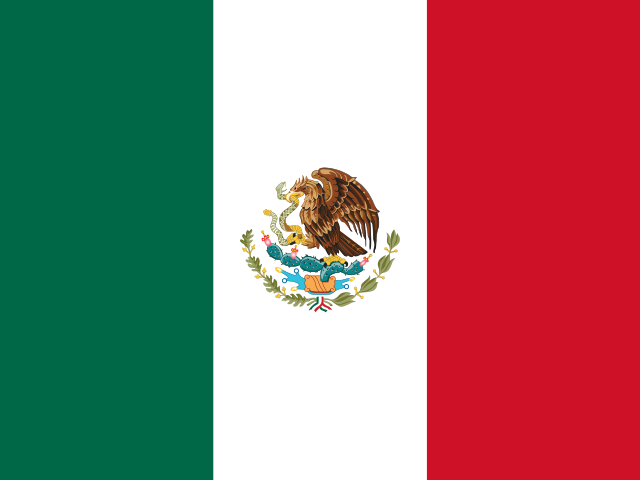 North America
MexicoTravel guide
- Mexico City
- Cancún
- Guadalajara
- Mazatlán
- Monterrey
- Puebla
Mexico offers beaches, ancient ruins, colonial towns, museums and varied regional food. Its landscapes range from deserts and mountains to tropical jungles.
Why go
Explore ancient sites such as Chichen Itza, Tulum and Palenque.
Ride through the mountain scenery of Copper Canyon.
Enjoy beaches and water sports along the long coastline.
Visit colonial towns and smaller towns in the Pueblos Magicos tourism program.
Try regional dishes, local crafts and Mexican art.
Best time to go: The best time depends on the region. April is already very hot on the coast and the Yucatán Peninsula, northern winters can be cold, and hurricanes can affect Caribbean and Gulf coast cities.
Getting there
By land
- Buses connect the United States with Mexico. Some cross directly to interior cities, while others require a change near the border.
- Buses from Central America usually arrive in Tapachula, where you can change to Mexican services.
- Buses from Belize City reach Chetumal, where you can continue by Mexican bus or Tren Maya train.
By sea
- Cruise ships arrive from the United States.
- A boat border crossing is available from Guatemala.
Customs
- Foreign-registered vehicles need the required permits before entering much of the interior. The Baja California peninsula and northern Sonora have exceptions.
- For a vehicle import permit, bring the vehicle title or registration, immigration documents and a valid credit card. The applicant must be the registered owner.
- Border officers may stop and inspect vehicles, including at checkpoints beyond the border.
Getting around
Bus
Long-distance buses reach all major cities and tourist destinations. Executive and first-class buses are generally modern, clean and comfortable. First-class tickets usually cost only slightly more than slower second-class services. First-class buses generally use toll roads, with tolls included in the ticket.
Car
Drive on the right. Foreign driving licences are recognized. Carry Mexican car insurance, which is required. An accident without it can lead to jail. Toll roads are generally faster and better maintained, but can be costly. Drive during daylight where possible, especially in rural areas. Animals can appear suddenly on the road. At army checkpoints, lower your music, remove sunglasses and follow instructions. Ask the rental company for the full price, including insurance, taxes and required fees, before agreeing.
Domestic flight
Major flight hubs include Mexico City, Guadalajara, Cancún and Monterrey. Low-cost airlines include VivaAerobus and Volaris. For long journeys, low-cost flights can compete with bus fares.
Train
Most cities do not have passenger train service. Tren Maya serves the Yucatán Peninsula and Riviera Maya, with access to several archaeological sites. The Copper Canyon railway runs through mountain scenery between Los Mochis and Creel. Tren Interoceánico links the Pacific and Gulf coasts, with another line reaching Palenque for connections to Tren Maya. El Insurgente connects Mexico State with the Mexico City Metro at Observatorio.
What to see and do
Copper Canyon
An enormous canyon system in the northwestern mountains, with a scenic railway.
Mesoamerican Barrier Reef
Coral reefs in the warm waters of the Mexican Caribbean.
Sea of Cortez
See migrating whales, sea lions and dolphins.
Volcano Belt
See high mountain peaks and active, dormant and inactive volcanoes.
Ancient archaeological sites
Explore places such as Chichen Itza, Tulum, Coba, Monte Alban, Calakmul and Palenque.
Pueblos Magicos
These smaller towns offer colonial heritage, cultural traditions or striking natural scenery.
Food and drink
Tacos
Soft tortillas filled with meat such as chicken, steak or pork. Flour tortillas are sometimes used in the north.
Tamales
Corn dough with meat or vegetable fillings. Sweet versions contain fruit or nuts.
Enchiladas
Soft tortillas filled with chicken or meat and covered with green, red or mole sauce.
Quesadillas
Grilled corn tortillas with cheese or fillings such as chicken, beans or squash flowers.
Mole
A regional chilli sauce, sometimes made with cocoa and peanut, often served over chicken or turkey.
Pozole
Chicken or pork broth with corn kernels, served with toppings such as lettuce, radish, onion and chilli.
Money
Mexican peso (MXN), divided into 100 centavos.
- The $ sign usually means pesos. Prices in United States dollars may be marked US$.
- Compare exchange rates at official exchange booths. At arrival airports, look after passing through customs.
- Hotel exchange rates are often poor. Paying merchants in United States dollars can also give you a less favourable rate.
- Carry small notes and coins, especially in smaller towns where shops may struggle to give change.
Tipping: Restaurant tips are usually 10–15%, including food deliveries; tipping is less common at street stalls. Tips are generally not expected in taxis or buses, except on tours, while bag packers, petrol attendants and hotel service staff commonly receive tips.
Typical costs
- Hostel dorm bed: M$100–300 per night, sometimes including breakfast, as listed in November 2021.
- Shop bag packer tip: commonly M$2–5, with more for substantial help carrying bags.
- Petrol attendant tip: commonly M$2–5 per fill.
- Informal parking helper tip: commonly M$3–20, depending on the area.
Language
- Spanish is used by almost everyone and for public signs and documents.
- More than 60 Indigenous languages are officially recognized, including Nahuatl and Yucatec Maya.
- English is often understood at popular attractions and by tour guides, but many drivers, shop workers and police officers do not speak it.
- ¿Cuánto cuesta?
- How much does it cost?
- ¿Es lo menos?
- Is that the lowest price?
- ¿Esto tiene chile? ¿Es picante?
- Does this contain chilli? Is it spicy?
- Platillo tipico
- Local speciality.
- ¡Salud!
- Bless you, said when someone sneezes.
Staying safe
- Check your government's travel advice before choosing your route. Some states have warnings because of crime and drug-related violence.
- Safety varies between neighbourhoods. Stay in populated areas and remain alert when travelling alone.
- Avoid isolated or poor neighbourhoods at night. Visit such areas only with a reputable guide or tour company.
- Use cash and cards discreetly, and put them away promptly.
Local customs
Do
- Be patient about timekeeping; arriving half an hour late is common.
- Say “¡salud!” when someone sneezes.
- Remove hats, caps and sunglasses when entering churches.
- Cover up enough to avoid showing too much skin inside churches.
Don't
- Do not treat lateness as a personal insult.
- Do not assume attitudes towards lesbian, gay, bisexual and transgender travellers are the same everywhere; rural areas can be hostile, while Mexico City and popular beach resorts are more welcoming.
- Do not assume beach clothing is usual everywhere; shorts are less commonly worn away from beaches and northern areas.
Staying healthy
- Drink bottled or purified water and avoid ice that may not be made from purified water. Visit a local clinic promptly if you become ill.
- Choose busy places to eat, while remembering that street-food hygiene can vary. Make sure meat is thoroughly cooked.
- Before visiting rural areas, ask your healthcare provider about malaria medicine.
- Bring effective insect repellent; the source recommends one containing DEET, a mosquito-repelling ingredient.
Phone and internet
- Before travelling, ask your mobile provider whether international roaming is enabled and what calls and data will cost.
- An unlocked phone that uses a SIM card can use a Mexican prepaid SIM.
- Telcel offers broad coverage, though the source describes it as the most expensive provider.
- Telcel SIM cards and credit top-ups are available at Oxxo shops.
Where to stay
- Chain hotels are widely available and are usually clean and comfortable.
- Major beach destinations have many all-inclusive resorts.
- Boutique hotels are found throughout Mexico and often reflect local traditions.
- Hostels offer shared dorms and private rooms, and can be useful places to exchange travel advice.
Outdoor adventures in Mexico
Mexico has coral reefs, long beaches, forest trails and high mountains. You can kayak in the Sea of Cortez, watch monarch butterflies in Michoacán or hike near its major cities. Some trails are unmarked, and beach conditions range from calm bays to strong currents.
Mexican Caribbean reef diving
Scuba divingMexican Caribbeannear Cancún
Half-day trips available from CancúnJoin a dive trip from Cancún. Scuba Diving Cancun offers equipment rental and trips to reefs and sunken ships. Cancun Scuba Center also runs trips to the Mesoamerican Reef, Isla Mujeres and Cozumel.
- Cost: Scuba Diving Cancun half-day trips start at US$69.
Cancún beaches
BeacheQuintana Roonear Cancún
Use the public beach access points along Boulevard Kukulcan in the Hotel Zone. Beaches are open to everyone, though hotels can restrict access through their grounds.
- Cost: Beach access is free.
- Green flags mean safe swimming. Yellow means caution. Red or black means do not swim.
- North-facing beaches have sheltered water. Beaches from about km 6 to km 25 can have rough waves and rip currents.
Copper Canyon
HikeNorthern Mexico
Take the CHEPE railway, also called the Chihuahua al Pacifico Railway, into the canyon region. Hiking, horseback riding and bird watching are available in the area.
- Reaching some places involves rough travel in remote country.
- Many Mexican trails are unmarked. Use a guide wherever local rules require one.
Sea of Cortez sea kayaking
KayakingEastern coast of Baja Californianear La Paz
Go sea kayaking in the Sea of Cortez near La Paz, along the peninsula's eastern coast.
Baja California whale watching
WildlifeBaja Peninsula
December–April for the peninsula's whale migrationVisit the Baja Peninsula for whale watching. Guerrero Negro is one of the named destinations.
Monarch Butterfly Reserves
WildlifeMichoacán highlands
November–MarchVisit the protected butterfly reserves in the highlands of Michoacán.
Sumidero Canyon boat trip
WildlifeChiapasnear Tuxtla Gutiérrez
Take a tour boat from docks on the Río Grijalva near Tuxtla Gutiérrez. Boats travel into the steep-walled national park.
Yucatán cenote diving
Scuba divingYucatán Peninsulanear Cancún
Book a cenote dive with a Cancún operator. Scuba Diving Cancun, Cancun Scuba Center, Seatizen Divers and Manta Divers offer these trips.
Baja California and Caribbean snorkelling
SnorkellingBaja California and the Mexican Caribbean
Snorkel in Baja California, Cancún, Cozumel or Isla Mujeres. From Cancún, Cancun Scuba Center offers snorkelling excursions.
Baja California, Vallarta and Oaxaca surfing
SurfingBaja California, Vallarta and Oaxaca
Choose Baja California, Vallarta or Oaxaca for surfing.
Veracruz white-water rafting
RaftingVeracruz
Head to Veracruz for white-water rafting.
Baja California trekking and cave paintings
TrekBaja California
Visit Baja California for trekking and viewing cave paintings.
- Many trails are unmarked. Follow local rules requiring a guide.
- Carry a first aid kit in remote areas.
Oaxaca beaches and Mazatlán's Olas Altas
BeachePacific Coast
Visit the coast around Huatulco, Mazunte, Zipolite, Puerto Ángel or Puerto Escondido in Oaxaca. In Mazatlán, Olas Altas Beach is four blocks west of Plaza Machado.
Desierto de los Leones National Park
HikeMexico City areanear Mexico City
Take a taxi or private driver to the park, listed as 28 km from Mexico City. Hike from La Venta to El Convento or up to Cruz Blanca.
- Public transport is generally unreliable for reaching these national parks.
- Many trails are unmarked. Follow local guide requirements.
Iztaccíhuatl–Popocatépetl National Park
More to doEstado de México and Pueblanear Mexico City
Reach the park by taxi or private driver from Mexico City. It is listed as 60 km from the city.
- Popocatépetl is an active volcano.
- Public transport is generally unreliable for reaching these national parks.
La Primavera Biosphere Reserve
HikeGuadalajara areanear Guadalajara
Visit the reserve next to Zapopan, in the northern part of the city. Use its 12 marked nature trails for hiking or mountain biking.
Barranca de Huentitán-Oblatos Main Trail
HikeGuadalajara areanear Guadalajara
Take the Mi Macro–Calzada bus line to Mirador, the final station. The park entrance is nearby. Follow the main trail down towards the Santiago River.
Puente de Arcediano Route
HikeBarranca de Huentitán-Oblatosnear Guadalajara
HardTake the Mi Macro–Calzada bus line to Mirador station. Enter the nearby park and follow the route branching from the main trail to Arcediano Bridge.
Barranca de Huentitán-Oblatos Abandoned Railway
HikeGuadalajara areanear Guadalajara
Reach the canyon park via Mirador station on the Mi Macro–Calzada bus line. The abandoned railway is an alternative walking route in the park.
- The route follows a steep, rugged railway line.
El Faro de Mazatlán
Hikenear Mazatlán
Follow signs marked Faro around town, then hike up to the lighthouse. Opening hours are 06:00–17:45.
- Cost: M$30
- Attempt the climb only if you are physically fit.
Estrella Del Mar Sea Turtle Sanctuary
Wildlifenear Mazatlán
Visit the sanctuary at km 10 on Camino Isla de la Piedra.
Cerro de la Silla
HikeMonterrey areanear Monterrey
About 25 minutes uphill to La Virgen viewpointTake an Uber or bus 223 or 93 from Zona Rosa to the trail area. A minimarket near the bus stop sells water.
Cama de Piedra
HikeSierra Las Mitrasnear Monterrey
About 30 minutes uphill to Cama de PiedraBus 23 is reported to run from Alameda metro station to near the trail start. Hike uphill to Cama de Piedra.
Chipinque Park trails and peaks
HikeSan Pedro Garza Garcíanear Monterrey
Allow a separate day for each peak; guided tours start at 07:00 or earlier.Take a taxi or Uber to the entrance. From the gate, allow about an hour on foot to reach the main park area. Book tickets and peak guides through the park website.
- Permit: Buy an entrance ticket online and show confirmation on your phone. Book a park guide at least one day ahead for La M, La Ventana, Las Antenas or El Copete del Águila.
- The named peaks require a guide. Going alone is illegal and dangerous.
- Unmarked trails and sections with climbing aids make it easy to get lost.
Parque Urbano Kabah
WildlifeQuintana Roonear Cancún
Visit the park at Avenida Kabah and Avenida Nichupté. It opens daily from 06:00 to 18:00 and has walking trails.
Airports, metros and trains in Mexico
Airports with scheduled flights
- CJSAbraham González International AirportCiudad JuárezMain international airport
- TLCAdolfo López Mateos International AirportTolucaMain international airport
- AGUAguascalientes International AirportAguascalientesMain international airport
- CULBachigualato Federal International AirportCuliacánMain international airport
- HUXBahías de Huatulco International AirportHuatulcoMain international airport
- CUNCancún International AirportCancúnMain international airport
Metro and subway
- GuadalajaraSITEUR28 stations46.5 kmsince 1994
- Mexico CityMexico City Metro163 stations200.9 kmsince 1969
- MonterreyMetrorrey38 stations40.2 kmsince 1991
Trains
- Rail network
- 23,389 km
- Electrified
- 802 km
People and safety in Mexico
Religion
Most people are Christian. Mostly one faith.
- Christian91%
- No religion8%
LGBT+ travellers
Legal and protected
- Same-sex couples can marry.
- Legal gender change is recognised.
- Laws protect against discrimination.
Women travellers
Ranked #147 of 181 countries for women's safety, inclusion and justice.
41% of women say they feel safe walking alone at night where they live.
Who can visit without a visa
Travellers from 67 of 198 countries can visit Mexico easily: no visa, a visa at the airport, or a short online form.
- Visa not required64
- eTA required3
- eVisa1
- Visa required130
Who can visit easily, by part of the world
For each part of the world: how many countries' travellers can come easily. Easy means no visa, a visa at the airport, or a short online form.
- Europe38 of 46 countries
- Americas15 of 34 countries
- Oceania5 of 14 countries
- Asia9 of 50 countries
- Africa0 of 54 countries
Questions
What money should I use?
Use Mexican pesos. The $ sign usually means pesos, while US$ marks United States dollars.
Can I get around without driving?
Yes. Long-distance buses serve all major cities and tourist destinations, and first-class services are generally comfortable and affordable.
Will I need to speak Spanish?
Spanish is very useful for independent travel. English is often understood at popular attractions, but many drivers, shop workers and police officers do not speak it.
Can I drink the tap water?
The source recommends bottled or purified water. Ask for bottled water in restaurants and avoid ice that may not be made from purified water.
Is all Mexican food spicy?
No, but many traditional dishes can be spicy. Ask “¿Esto tiene chile? ¿Es picante?” to check whether a dish contains chilli or is hot.
How much should I tip?
Restaurant tips are usually 10–15%. Tips are generally not expected in ordinary taxis or buses.
What should I know about the weather?
Weather varies greatly by region. April can be very hot on the coast and Yucatán Peninsula, northern winters can be cold, and Caribbean and Gulf coast cities can face hurricanes.
Can I inspect a budget hotel room before paying?
Yes. Asking to see the room first is not considered rude if you are unsure about comfort or safety.
How can I use my phone in Mexico?
Check roaming charges with your provider before leaving. An unlocked phone can use a Mexican prepaid SIM, and wireless internet is widely available in big-city restaurants.
What number do I call in an emergency?
Call 911 nationwide. Spanish is often needed when asking the police for help.
 Reviewed by @snuck