
Southern Europe
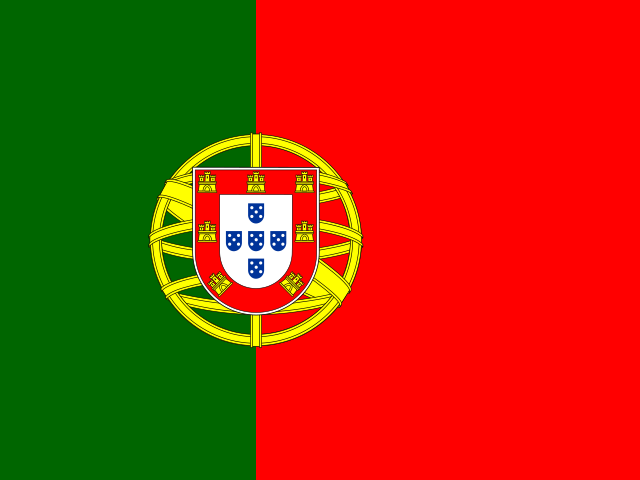 Southern Europe
PortugalTravel guide
- Lisbon
- Angra do Heroísmo
- Aveiro
- Braga
- Coimbra
- Évora
Portugal has beaches, historic places and a strong food culture. Its capital is Lisbon, and its Atlantic islands include Madeira and the Azores.
Why go
Beaches and long, warm summers.
Historic sites from prehistoric times, the Roman Empire and Portugal's age of exploration.
Traditional food, wine, crafts, music and dance.
Giant surf waves at Nazaré.
Religious pilgrimage to Fátima.
Winter skiing in Serra da Estrela.
Best time to go: Spring and summer are usually sunny. July and August can be very hot inland, while autumn and winter are often rainy and windy.
Getting there
By air
- Lisbon Portela Airport is the main air hub, with flights across Europe and connections to the Americas and Africa.
- Porto Francisco Sá Carneiro Airport serves northern Portugal, with European flights and some connections to the Americas and Africa.
- Faro Airport serves the Algarve. Many flights run in the warmer holiday months, with fewer services year-round.
By land
- Portugal's only land border is with Spain. Main road crossings include Vila Real de Santo António, Elvas, Vilar Formoso and Valença do Minho.
- The Celta train connects Vigo in Spain with Porto twice daily.
- A daily regional train runs from Badajoz in Spain through Elvas to Entroncamento, with connections to Lisbon and Porto.
By sea
- Portuguese seaports receive international passenger ships, mainly cruise ships.
Customs
- Portugal belongs to the Schengen area, a group of countries that normally have no immigration checks at their shared borders.
- Temporary border checks may take place during major events or crises.
- Transport operators may check your identity before international flights, ferries or trains, including journeys within the Schengen area.
Getting around
Flights
Flying is the main and fastest way to reach Madeira and the Azores. It is also the best way to travel within these island groups. TAP Air Portugal flies between Lisbon, Porto and Faro. Sevenair serves smaller airports, including Bragança, Cascais, Portimão, Vila Real and Viseu.
Trains
Comboios de Portugal is the main train operator. Trains are usually slightly faster than buses on most routes, but cost more and run less often. Alfa Pendular trains serve major cities, while Intercidades trains reach more inland destinations. Book busy Alfa Pendular services in advance. The source describes a 40% discount when booking at least five days ahead. Children aged 4–12 and people aged 65 or over receive a 50% discount. Travellers aged 13–25 receive a 25% discount. Entroncamento is a main railway junction where the main lines meet.
Metro and suburban trains
Lisbon and Porto have clean, modern metro systems with air conditioning. Suburban trains serve the areas around Lisbon and Porto reasonably well. Watch your bags in stations and on trains, and sit near other passengers instead of in an empty carriage.
Buses
Buses reach places that the railway does not serve. Rede Expressos and Flixbus serve most major mainland destinations. Regional bus companies connect smaller communities.
What to see and do
Pena National Palace, Sintra
A major example of 19th-century Romantic architecture.
Cascais
A luxurious coastal village on the Portuguese Riviera.
Sanctuary of Our Lady of Fátima
One of the world's largest pilgrimage sites devoted to Mary.
Enjoy the beaches
Portugal is known for its beautiful beaches and long, warm summers.
See the giant waves at Nazaré
Its huge surf waves are a popular attraction.
Play golf
Portugal's golf courses are popular with visitors.
Food and drink
Caldo verde
A soup from Minho made with kale, potatoes and spiced smoked sausage.
Bacalhau à Brás
Salt cod with onions, scrambled eggs and fried potatoes.
Sardinhas assadas
Grilled sardines served with potatoes and salad.
Rice dishes
Popular versions include clam, octopus, duck and seafood rice.
Cozido à portuguesa
One of Portugal's national dishes, made with vegetables, meat and smoked sausages.
Portuguese grilled chicken
Chicken marinated in chilli, garlic and olive oil.
Money
Euro (€; currency code EUR). One euro equals 100 cents.
- Cash machines accepting international cards are widely available.
- Multibanco and ATM Express machines mostly have no extra machine fee, though your own bank may charge you.
- Euronet cash machines charge high fees and offer poor exchange rates.
- Currency exchange offices near tourist attractions tend to offer worse rates.
Tipping: Tipping is generally optional. For excellent restaurant service, around 8–10% is appreciated; no tip is expected for a coffee or in bars.
Typical costs
- Some restaurants without menus offer meals for about €5–10 per person. Ask for the price in writing before ordering.
- For a full meal in a coffee shop, an optional tip is €1–2.
- For taxis, the suggested tip is to round up to the next euro and add €1–2.
- The source lists rooms with a private bathroom in simple inns at €25–35 outside the main season and €35–40 in season. These prices date from 2017.
Language
- Portuguese is the official language.
- Mirandese is a recognised regional language spoken around Miranda do Douro.
- English is spoken in many tourist areas, but you cannot rely on finding it everywhere.
- água mineral
- Mineral water.
- cerveja
- Beer.
- açúcar
- Sugar.
- canela
- Cinnamon.
Staying safe
- Portugal is relatively safe, but tourists are targeted by pickpockets.
- Keep money and documents in a money belt or inside pocket. Watch your bags in crowds, queues, shopping areas and on public transport.
- On trains and the metro, sit near other passengers and avoid empty carriages.
- Some areas of Lisbon and Porto are best avoided at night.
Local customs
Do
- Try speaking some Portuguese. Even imperfect attempts are appreciated.
- Start with a Portuguese greeting, then switch to English if needed.
- Ask for help when you need it; local people are generally willing to help visitors.
- Decline an offered drink politely if you do not want one.
Don't
- Do not assume Portuguese and Spanish are the same language.
- If you are not a native Spanish speaker, avoid using Spanish except in emergencies; it can be seen as disrespectful.
- Do not play portable speakers loudly on beaches. The source states that this has been prohibited since 2023, with fines up to €4,000.
Staying healthy
- Major cities have medical and emergency facilities, and public hospitals meet European standards.
- Many municipalities have pharmacies that take turns opening late or for 24 hours. Their details can be found online.
- Portugal's water sources are safe. Bottled mineral water is also available.
- Food and drink businesses follow enforced national health standards. Restaurant star ratings describe luxury, rather than food safety.
Where to stay
- Hotels are widely available throughout Portugal.
- Youth hostels and campsites are available around the country.
- Holiday villas and apartments are another option.
- A residencial or pensão is a simple, home-like inn found in cities and many towns. Check the room quality before choosing one.
Schengen Area
One visa, 29 countries
A Schengen visa from any member lets you travel across all of them, with no passport checks at the borders between them. With it, a trip to Portugal can also take in:
- Austria
- Belgium
- Bulgaria
- Croatia
- Czech Republic
- Denmark
- Estonia
- Finland
- France
- Germany
- Greece
- Hungary
- Iceland
- Italy
- Latvia
- Liechtenstein
- Lithuania
- Luxembourg
- Malta
- Netherlands
- Norway
- Poland
- Romania
- Slovakia
- Slovenia
- Spain
- Sweden
- Switzerland
 Austria
 Belgium
 Bulgaria
 Croatia
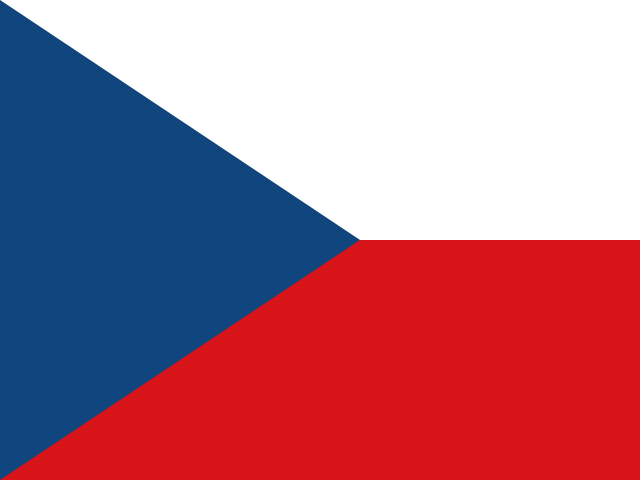 Czech Republic
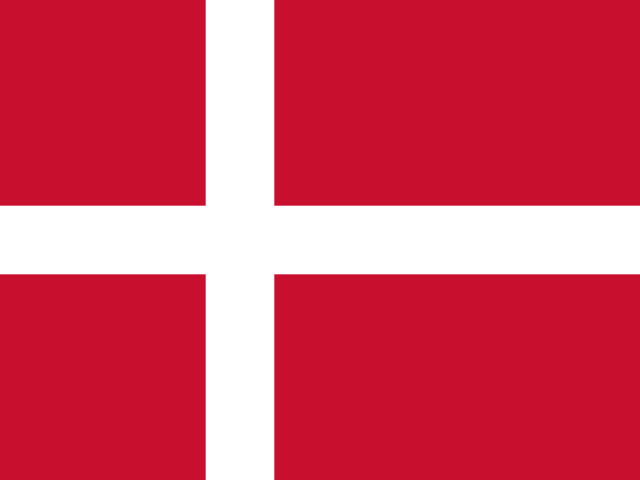 Denmark
 Estonia
 Finland
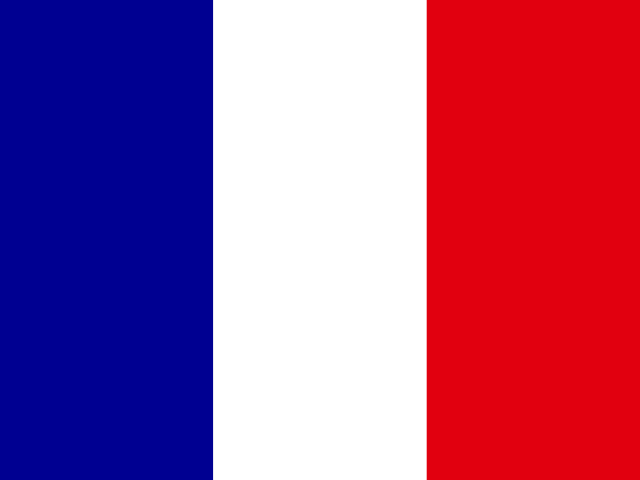 France
 Germany
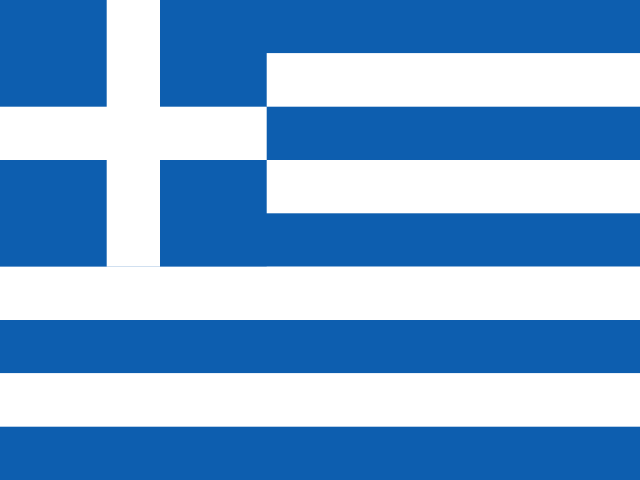 Greece
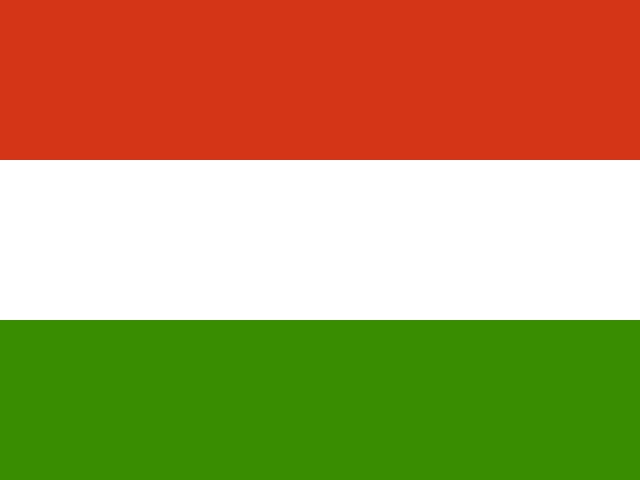 Hungary
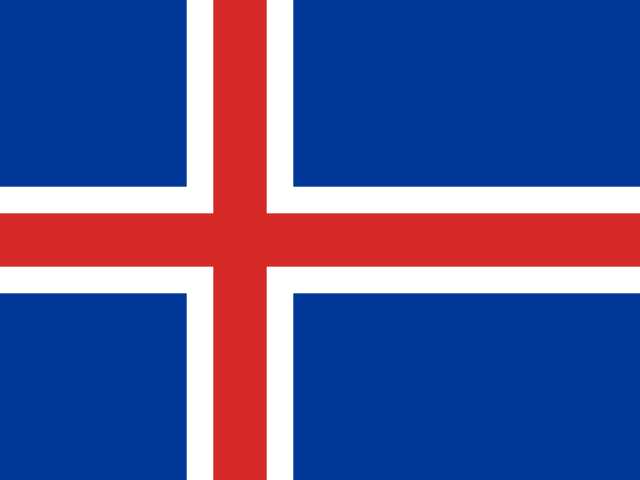 Iceland
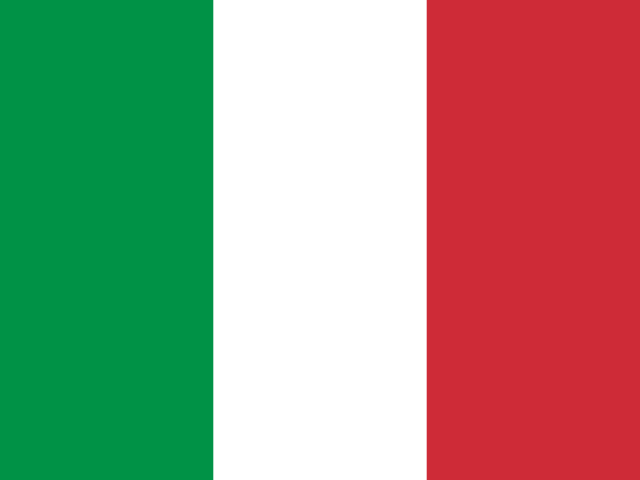 Italy
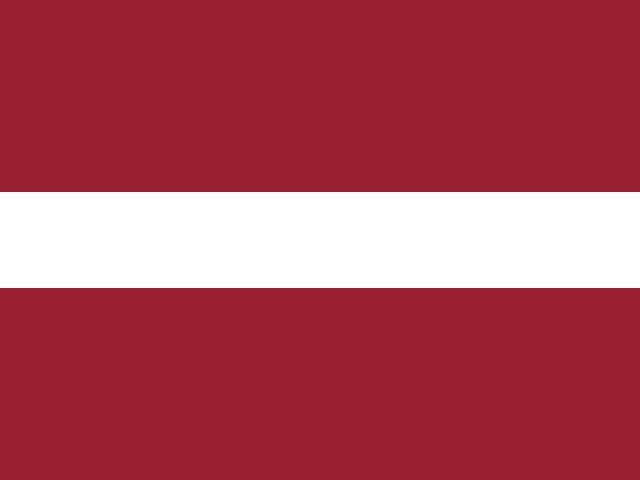 Latvia
 Liechtenstein
 Lithuania
 Luxembourg
 Malta
 Netherlands
 Norway
 Poland
 Romania
 Slovakia
 Slovenia
 Spain
 Sweden
 Switzerland
- Up to 90 days in any 180
- One visa for every member
- No border checks between members
Whether you need the visa at all depends on your passport. Check the entry rules for Portugal before you plan the route.
Trips to Portugal
Day-by-day itineraries by snuck, shaped around you.
Outdoor adventures in Portugal
Portugal offers Atlantic beaches, surfing, lagoon kayaking, woodland walks and bird watching. You can also take sailing lessons, cycle a former railway route or visit thermal spas. In winter, the Serra da Estrela region has skiing.
Nazaré surfing
SurfingSilver Coast, Central Portugal
Head to Nazaré on the Silver Coast. Lesson and equipment arrangements are not specified.
- Nazaré is known for giant surf waves.
Serra da Estrela skiing
SkiingBeiras
WinterVisit the ski resorts in the Serra da Estrela region. Transport and equipment arrangements are not specified.
- Mountain temperatures can fall below freezing in winter.
Marinha Beach
BeacheAlgarvenear Lagoa
Visit Praia da Marinha near Lagoa.
Costa Nova and Barra Beach surfing
SurfingSilver Coast, Central Portugalnear Aveiro
Rent a wetsuit and surfboard from local surf shops at Costa Nova or Barra Beach.
Dunas de São Jacinto woodland paths
HikeAveiro areanear Aveiro
Take the bus to Forte de Barra, then the ferry. Choose from four paths through the woods.
Ria de Aveiro salt pans and bird watching
WildlifeRia de Aveironear Aveiro
Arrange a salt pan and bird watching tour through geral@salinasaveiro.com or +351 234 056 149.
Ria de Aveiro kayaking
KayakingRia de Aveironear Aveiro
An afternoonFind a local guide for a kayaking outing on Ria de Aveiro.
Rio Vouga kayaking
KayakingAveiro areanear Aveiro
An afternoonFind a local guide in the Aveiro area for a kayaking outing on Rio Vouga.
Costa Nova Beach sailing lessons
SailingSilver Coast, Central Portugalnear Aveiro
Ask the local sailing club, CVCN, about sailing lessons at Costa Nova Beach.
Évora Ecopista
CyclingAlentejonear Évora
Rent a bike in Évora and ride along the Ecopista.
São Pedro do Sul thermal spas
Hot springBeirasnear São Pedro do Sul
Visit the thermal spas in São Pedro do Sul. Booking details are not specified.
Caldas da Felgueira thermal spas
Hot springBeiras
Visit the thermal spas at Caldas da Felgueira. Booking details are not specified.
Carvoeiro beaches
BeacheAlgarvenear Lagoa
Visit Carvoeiro near Lagoa in the Algarve.
Portuguese Riviera beaches
BeachePortuguese Rivieranear Lisbon
Visit Praia das Maçãs or Praia Grande in Sintra, or the beaches at Carcavelos, Estoril and Cascais near Lisbon.
Costa da Caparica
BeacheSetúbal
Head to Costa da Caparica in the Setúbal region. Local transport details are not specified.
Zambujeira do Mar
BeacheAlentejo Coast
Visit Zambujeira do Mar on the Alentejo Coast.
Green Coast beaches
BeacheGreen Coast, Northern Portugal
Choose a beach at Viana do Castelo, Póvoa de Varzim, Matosinhos or Espinho.
Ovar, Mira, Buarcos, Peniche and Berlenga beaches
BeacheSilver Coast, Central Portugal
Choose one of these Silver Coast beach destinations. Local access details are not specified.
Aveiro windsurfing
More to doAveiro areanear Aveiro
Rent equipment from local windsurf shops for outings on the river or sea.
Aveiro kitesurfing
More to doAveiro areanear Aveiro
Rent equipment from local windsurf shops for kitesurfing on the river or sea.
Aveiro Moliceiro boat tours
More to doAveironear Aveiro
Join a Moliceiro boat tour leaving from Aveiro's central canal.
Clube dos Galitos mountain biking
CyclingAveironear Aveiro
Contact Clube dos Galitos about its mountain biking activities and annual off-road biking event.
Jardim Oudinot cycling paths
CyclingAveiro harbour areanear Aveiro
Follow the main road towards Aveiro's harbour complex. Jardim Oudinot is on the left, near the main harbour entrance.
Airports, metros and trains in Portugal
Airports with scheduled flights
- FNCCristiano Ronaldo International AirportFunchalMain international airport
- FAOFaro - Gago Coutinho International AirportFaroMain international airport
- OPOFrancisco de Sá Carneiro AirportPortoMain international airport
- PDLJoão Paulo II AirportPonta DelgadaMain international airport
- LISLisbon Humberto Delgado AirportLisbonMain international airport
Metro and subway
- LisbonLisbon Metro56 stations44.2 kmsince 1959
Trains
- Rail network
- 2,527 km
- Electrified
- 1,791 km
- High-speed lines
- 224 km
- Top speed
- 220 km/h
People and safety in Portugal
Religion
Most people are Christian. Mostly one faith.
- Christian85%
- No religion14%
LGBT+ travellers
Legal and protected
- Same-sex couples can marry.
- Legal gender change is recognised.
- Laws protect against discrimination.
Women travellers
Ranked #26 of 181 countries for women's safety, inclusion and justice.
68% of women say they feel safe walking alone at night where they live.
Who can visit without a visa
Travellers from 93 of 198 countries can visit Portugal easily: no visa, a visa at the airport, or a short online form.
- Visa not required83
- Freedom of movement10
- Visa required105
Who can visit easily, by part of the world
For each part of the world: how many countries' travellers can come easily. Easy means no visa, a visa at the airport, or a short online form.
- Europe43 of 45 countries
- Americas26 of 35 countries
- Oceania10 of 14 countries
- Asia12 of 50 countries
- Africa2 of 54 countries
Questions
When is the best time to visit Portugal?
Spring and summer are usually sunny. July and August can be very hot inland, while autumn and winter tend to be rainy and windy.
Can I get around without driving?
Trains connect the main regions, and buses reach many places beyond the rail network. Lisbon and Porto also have metro and suburban train services.
Can I manage with English?
English is spoken in many tourist areas, especially by younger people, but it is not available everywhere. A little Portuguese is appreciated.
What money should I bring?
Portugal uses the euro. Cash machines accepting international cards are widely available, though machine and bank fees can vary.
Do I need to leave a tip?
Tipping is generally optional. Around 8–10% is appreciated for excellent restaurant service, while no tip is expected for a coffee or in bars.
Is Portugal suitable for vegetarians and vegans?
Traditional restaurants can be difficult for these diets. Cities have more suitable restaurants, including some with fully vegan menus, and grocery shops stock vegetarian ingredients.
Is the water safe to drink?
The source describes Portugal's water sources as safe. Bottled mineral water is also available.
What number do I call in an emergency?
Call 112 for police, fire or medical emergencies. The National Health Service also has a 24-hour hotline at 808 24 24 24.
What type of electricity supply does Portugal use?
Portugal uses 230 volts at 50 hertz, with Europlug and Schuko sockets.
Are the Azores in the same time zone as Lisbon?
No. The Azores are one hour behind the rest of Portugal.
 Reviewed by @snuck