
Central Europe
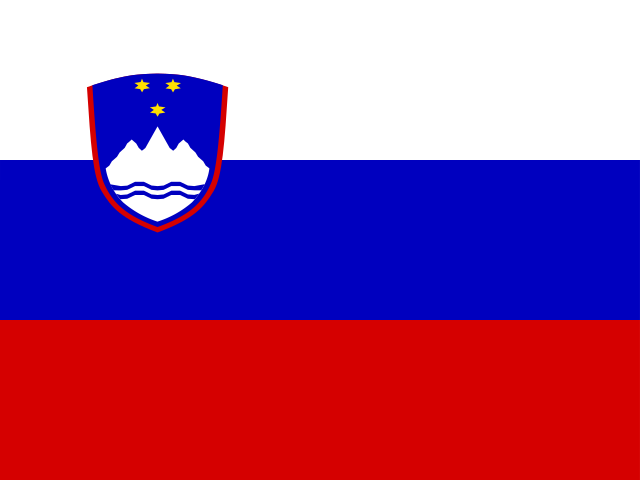 Central Europe
SloveniaTravel guide
- Ljubljana
- Bled
- Celje
- Koper/Capodistria
- Maribor
- Nova Gorica
Slovenia is a small country in central Europe. It has an Adriatic coast, alpine mountains, lakes, caves and rolling hills. Its capital is Ljubljana.
Why go
Lake Bled and its island
The Julian Alps and Triglav National Park
Postojna and Škocjan caves
Piran and the Adriatic coast
The emerald-green Soča River and Trenta valley
Ljubljana's historic buildings and bridges
Best time to go: Winter is popular for skiing in the Julian Alps. Summer brings more boat services on the coast. Ljubljana is especially popular in December for its festive decorations.
Getting there
By air
- Ljubljana Jože Pučnik Airport is Slovenia's main international airport.
- Zagreb Airport in Croatia is an option for eastern Slovenia. Pula and Rijeka airports are within about an hour's drive of most towns in southern and southwestern Slovenia.
- Trieste Airport in Italy is a useful gateway to western Slovenia. Ljubljana is about an hour away by motorway.
By land
- Trains connect Slovenia with Austria, Croatia and Hungary. Main routes reach Ljubljana from Vienna, Villach, Budapest and Zagreb.
- Daily trains connect Trieste with Ljubljana and Udine with Ljubljana via Trieste.
- Buses between Trieste and Koper or Piran are frequent on weekdays. There is also a daily bus between Trieste and Ljubljana.
By sea
- A fast ferry connects Venice and Izola, mainly in summer, on an irregular schedule. The journey takes three hours.
- Venezialines runs a fast ferry between Venice and Piran once a week.
Getting around
Train
Trains reach most destinations, but some routes have gaps or take an indirect path. Many journeys require a change in Ljubljana. Trains are about 30% cheaper than buses. Return-ticket discounts are available at weekends. Buy your ticket before boarding to avoid a surcharge, unless tickets are not sold at your station. InterCity trains have an additional €1.50 charge. Printed departure timetables are yellow and marked 'odhod'. Arrival timetables are white and marked 'prihod'. Watch your arrival time and station names so you know where to get off. Newer trains announce approaching stations. Most trains have free Wi-Fi. A bicycle ticket is valid for the whole calendar day.
Bus
Buses fill gaps in the train network. They can be a better choice for places such as Bled and Piran. Plan ahead because services are sparse on Saturdays and very limited on Sundays. SiMO is an online tool for planning journeys between towns. Arriva Slovenija and FlixBus are major long-distance bus companies. Some larger stations have electronic tools for checking times and fares.
Car
Drive on the right. Roads are generally well maintained and clearly signposted. Register your number plate online for an e-vignette before entering the motorway system. Driving on motorways without the required permit can lead to a fine of €300 or more. Take care on narrow mountain and coastal roads. Speeding and reckless overtaking are major risks. Ljubljana has international and local car rental companies. Local companies may offer cheaper older cars. Some trains offer Motorail, a service that carries your car with you.
What to see and do
Ljubljana
Explore the small capital's historic architecture, Triple Bridge and Prešeren Square. December brings festive decorations.
Lake Bled
This alpine lake has an island and mountain scenery.
Srednja vas and Pokljuka
See traditional villages near Srednja vas. Pokljuka is a starting point for hikes into the Julian Alps.
Postojna caves
Take a 5.3 km ride through caves with large formations hanging from the ceiling and rising from the floor.
Škocjan Caves
Visit a cave system listed by the United Nations Educational, Scientific and Cultural Organization for its heritage value.
Piran
This lively coastal town has architecture that reflects Italian influence.
Food and drink
Slovenian cuisine
Local cooking combines alpine, Italian, Austrian, Hungarian and Balkan influences. Strict vegetarians may find fewer suitable choices.
Pizza
Pizza is well regarded, with some people comparing it favourably with pizza in Italy.
Coastal seafood
Try local seafood when visiting the Adriatic coast.
Slovenian beer
Local beers are available.
Slovenian wine and spirits
The country produces wine and spirits. Wine tasting is an option in the countryside.
Tap water
Tap water is generally safe to drink.
Money
Euro (€; currency code EUR). One euro is divided into 100 cents.
- Euro notes and coins from other euro-using countries are accepted in Slovenia.
- Ask about special international train fares before travelling. Some cheaper tickets are limited and can sell out quickly.
- For return journeys starting in Slovenia, ask about City Star tickets. These have flexible dates but usually require a weekend stay.
Tipping: Tipping is generally not expected. You can round the bill up to the next euro or leave a tip for exceptional service.
Typical costs
- A second-class train ticket from Trieste to Ljubljana costs €8.
- A second-class train ticket from Udine to Ljubljana costs €15.60.
- InterCity trains have a €1.50 surcharge.
- A train ticket for a bicycle costs €1.50, or €3.50 for an electric bicycle, and lasts for the calendar day.
Language
- Slovenian is the national language.
- English is widely spoken by younger adults and many people working with tourists. Older people may not speak it.
- German is useful in parts of eastern Slovenia.
- Italian is spoken on the coast, where it is also an official language.
- Hungarian is spoken by a minority in Prekmurje in the northeast.
- Serbo-Croatian is widely understood, but Slovenian is a separate language.
- Dober dan
- Good day; a polite greeting in villages and when meeting people in the mountains.
- Srečno
- Good luck; commonly said when parting in the mountains.
Staying safe
- Slovenia is generally very safe. Stay aware of your surroundings, including in parts of Ljubljana.
- Petty theft can happen anywhere. Do not leave valuables visible in a parked car while you are away.
- People can become aggressive in crowded bars and clubs. Unwanted grabbing or touching can occur.
- Traffic is the biggest safety risk. Watch for speeding, reckless overtaking and narrow roads.
Local customs
Do
- Try a few Slovenian words. People generally appreciate the effort.
- Shake hands when introduced to someone.
- Bring a bottle of good wine if invited to dinner. Compliment the cook before being asked whether you enjoyed the meal.
- Take off your shoes when entering someone's home. Your host may offer slippers or invite you to keep your shoes on.
- Greet people with 'Dober dan' in small towns, villages and the mountains.
- Expect hosts to repeat an offer after you first refuse. This can be a form of politeness.
Don't
- Do not confuse Slovenia with Slovakia.
- Do not assume Slovenian is the same language as Serbian or Croatian.
- Avoid describing Slovenia as part of Eastern Europe. Many Slovenians identify with central Europe.
- Do not assume Slovenia belonged to the Soviet Bloc. It was part of Yugoslavia, which was neutral during the Cold War.
- Avoid sensitive arguments about territorial disputes with Croatia or the Slovenian civil war during the Second World War and its aftermath.
- Avoid overly enthusiastic praise of Serbia or Russia, as this can stir strong feelings.
- Do not greet someone with a kiss when first introduced. Kissing and hugging are more common between friends.
Staying healthy
- Hygiene standards are high, and tap water is safe to drink.
- Use tick repellent in nature. Ticks can spread borreliosis, also called Lyme disease, and meningitis, an illness affecting the tissues around the brain and spinal cord.
- Venomous adders live in the Julian Alps, though bites are unlikely. Seek medical help if bitten.
- Bears live in southern forests, but attacks are very rare. Food such as sausage and bacon can attract wildlife when camping.
Phone and internet
- Most trains have free Wi-Fi.
- There is an internet cafe in Ljubljana.
Where to stay
- Accommodation ranges from five-star hotels to secluded mountain cottages.
- Mountain huts provide places to stay in the Alps.
- Membership of the Slovenian Alpine Association can give discounts at huts run by member associations. It also includes accident and rescue insurance.
Schengen Area
One visa, 29 countries
A Schengen visa from any member lets you travel across all of them, with no passport checks at the borders between them. With it, a trip to Slovenia can also take in:
- Austria
- Belgium
- Bulgaria
- Croatia
- Czech Republic
- Denmark
- Estonia
- Finland
- France
- Germany
- Greece
- Hungary
- Iceland
- Italy
- Latvia
- Liechtenstein
- Lithuania
- Luxembourg
- Malta
- Netherlands
- Norway
- Poland
- Portugal
- Romania
- Slovakia
- Spain
- Sweden
- Switzerland
 Austria
 Belgium
 Bulgaria
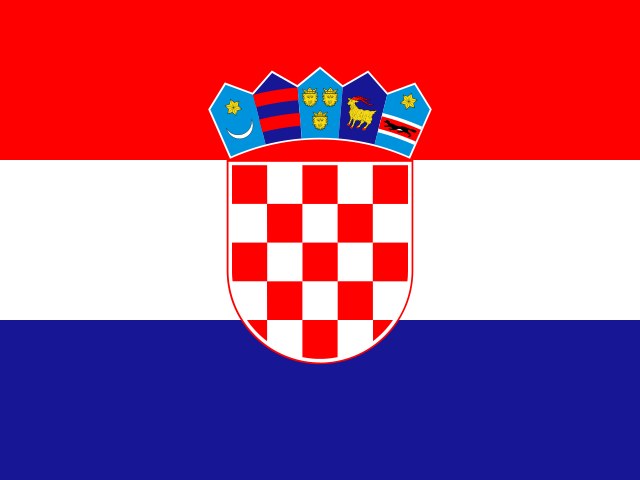 Croatia
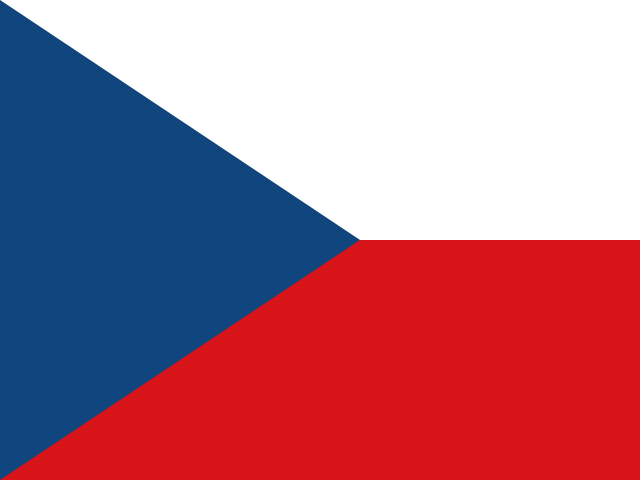 Czech Republic
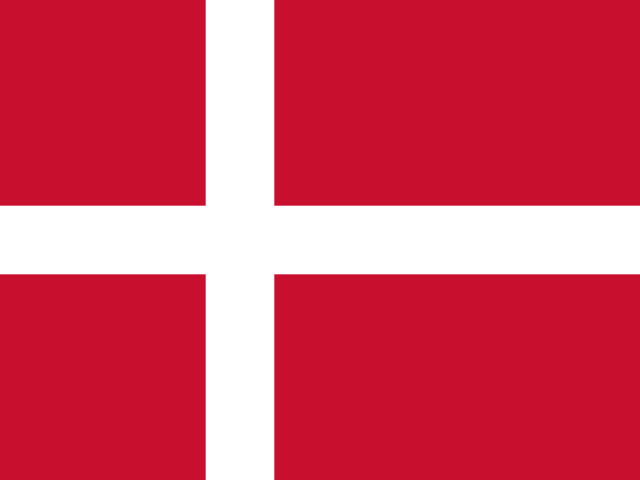 Denmark
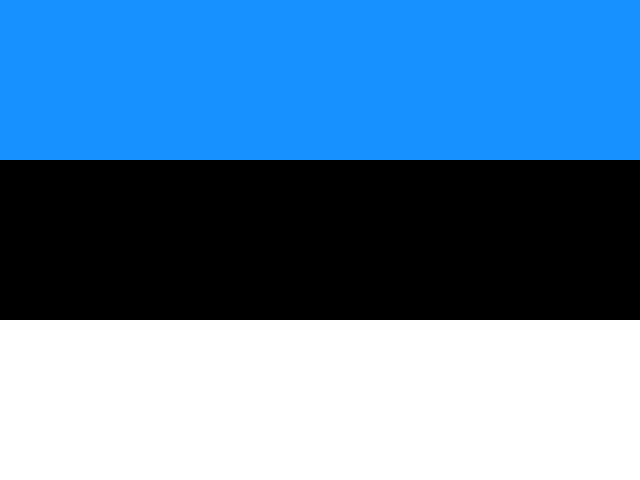 Estonia
 Finland
 France
 Germany
 Greece
 Hungary
 Iceland
 Italy
 Latvia
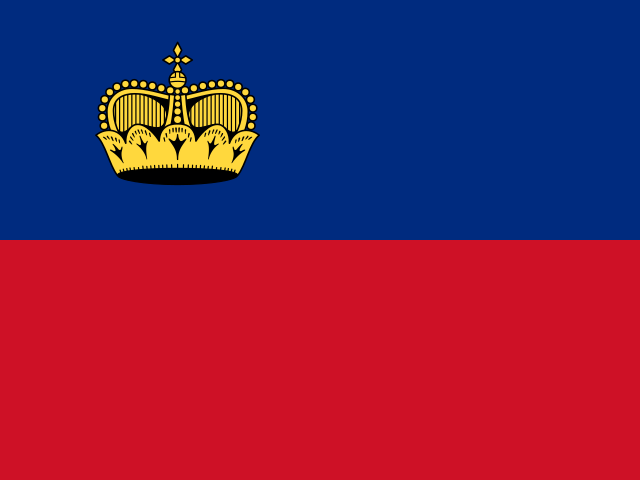 Liechtenstein
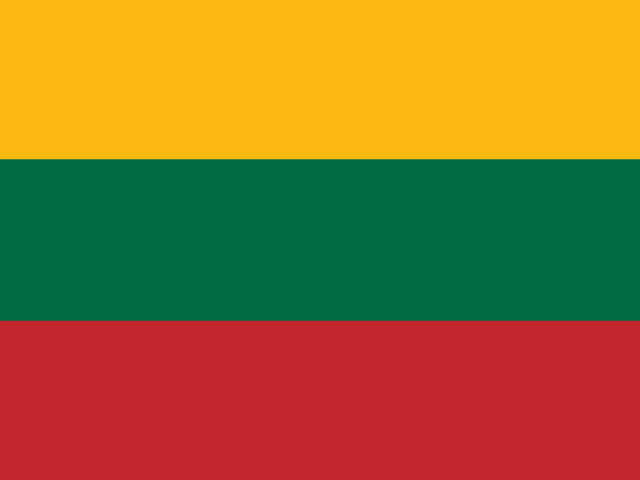 Lithuania
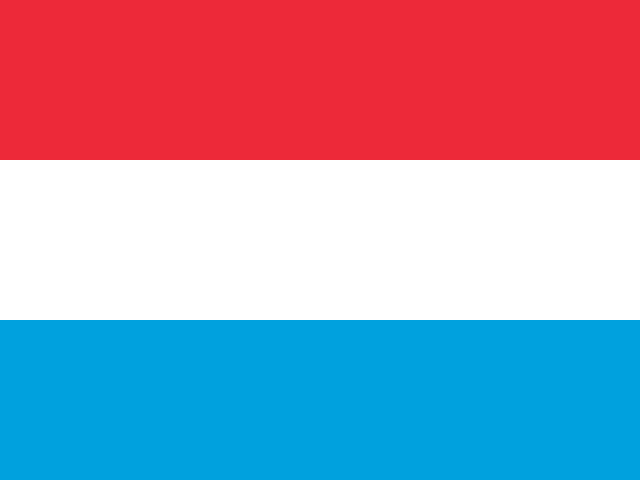 Luxembourg
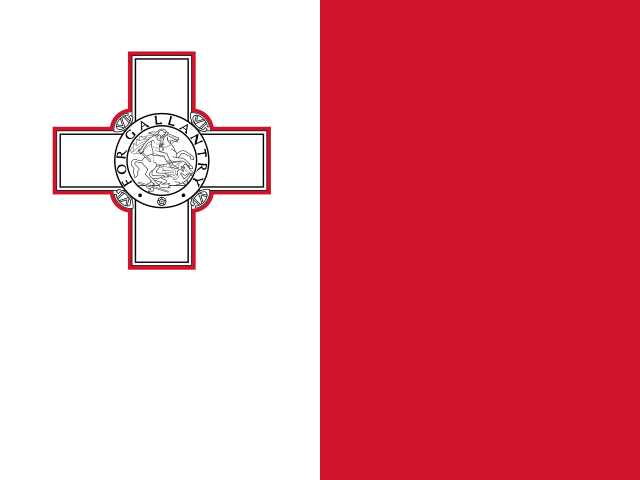 Malta
 Netherlands
 Norway
 Poland
 Portugal
 Romania
 Slovakia
 Spain
 Sweden
 Switzerland
- Up to 90 days in any 180
- One visa for every member
- No border checks between members
Whether you need the visa at all depends on your passport. Check the entry rules for Slovenia before you plan the route.
Outdoor adventures in Slovenia
Slovenia has Alpine mountains, lakes, caves and a short Adriatic coast. You can hike, cycle, raft or kayak in the northwest, explore caves in the southwest, and ski in winter. Thermal pools offer a quieter break.
Triglav National Park and Julian Alps hiking
HikeJulian Alps
Start hikes into the Julian Alps from Pokljuka mountain. Altitude Activities in Bled offers guided hikes, mountaineering and national park day tours.
- Go when the weather allows.
- Use tick repellent.
Posočje rafting
RaftingPosočje, northwestern Slovenianear Bovec
Use the adventure centres around Bovec, Bohinj or Kranjska Gora. Altitude Activities in Bled also offers guided rafting.
Julian Alps kayaking
KayakingJulian Alps
Altitude Activities in Bled offers guided kayaking tours.
- Do not leave valuables visible in your parked car.
Postojna Caves
CaveCoast and Karstnear Postojna
Visit the tourist cave system and take the 5.3 km ride through the caves.
Škocjan Caves
CaveCoast and Karst
Visit the Škocjan cave system in southwestern Slovenia.
Velika Osojnica
HikeLake Blednear Bled
Hike up the 756 m peak at the southwestern corner of Lake Bled. HourAway offers guided and self-guided hiking around Bled.
- Use tick repellent.
Kranjska Gora skiing
SkiingJulian Alpsnear Kranjska Gora
WinterSki at the resort in Kranjska Gora.
Vogel skiing
Skiing
WinterUse Vogel ski resort.
Krvavec skiing
Skiing
WinterUse Krvavec ski resort.
Mariborsko Pohorje skiing
SkiingPohorjenear Maribor
WinterUse Pohorje Ski Resort, which has several parallel slopes served by drag lifts.
Posočje paragliding
ParaglidingNorthwestern Slovenia
Arrange an adventure activity around Bohinj, Bovec or Kranjska Gora. Altitude Activities in Bled offers guided paragliding tours.
Bled-area canyoning
More to doBled and northwestern Slovenianear Bled
Join a guided canyoning tour with Altitude Activities in Bled. Canyoning is also available in Posočje.
Grajsko kopališče swimming
BeacheLake Blednear Bled
Mid-June to SeptemberGo to the Castle Bathing Area on the north shore of Lake Bled, below the castle.
- Cost: €6 daily ticket; €3 after noon.
Šmarna gora
HikeCentral Slovenianear Ljubljana
Easy 30–60 minutes climbingTake bus 8 to Tacenski most, then climb the hill on Ljubljana's northern edge.
- Use tick repellent.
Krim
HikeCentral Slovenianear Ljubljana
2–3 hours climbingReach the area by car, then climb to the 1,107 m summit. The drive is described as taking 30 minutes.
- Bears may be present.
- The last 4 km of road are narrow and unpaved.
Straža
HikeLake Blednear Bled
Hike up the wooded hill southwest of the Grand Hotel Toplice.
- Use tick repellent.
Babji Zob Caves
CaveBohinjska Bela, near Blednear Bled
3 hours Summer; tours on Wednesdays, Saturdays and SundaysJoin a tour meeting at Bohinjska Bela 34, about 4 km southwest of Bled.
Iglica Waterfall rock climbing
ClimbingBohinjska Bela, near Blednear Bled
Head to Iglica Waterfall near Bohinjska Bela, about 4 km southwest of Bled. Altitude Activities in Bled offers guided rock climbing and climbing equipment rental.
Western Loop of Slovenia
CyclingWestern Slovenianear Ljubljana
Several daysStart this bikepacking route in Ljubljana. Bikepacking means travelling by bicycle with your luggage. HourAway rents bikes and offers guided and self-guided multi-day cycling tours.
Ljubljana forest and countryside cycling
CyclingCentral Slovenianear Ljubljana
Rent an electric mountain bike, road bike or gravel bike from HourAway. Guided and self-guided tours are available.
Adriatic Sea diving
Scuba divingSlovenian coast
Head to Slovenia's Adriatic coast for diving.
Piran and Portorož seaside swimming
BeacheCoast and Karstnear Piran and Portorož
Visit the seaside around Piran and Portorož to swim in the Adriatic Sea.
Terme Maribor thermal pools
Hot springMaribornear Maribor
Visit the thermal-water wellness facilities at Hotel Habakuk or Fontana.
Ljubljana and Bled hot-air balloon flights
More to doCentral Slovenia and Blednear Ljubljana or Bled
About 1 hour flying; 3–4 hours for the full programme Sunrise, weather permittingBook with Ballooning Center Barje. For Bled flights, book by email or phone at least a day ahead. In Ljubljana, the launch site is chosen on the day to suit the wind.
- Cost: Ljubljana flights from €180 per person.
- Flights depend on the weather.
Lake Bled fishing
More to doLake Blednear Bled
Buy your daily permit at the tourist office before fishing on Lake Bled.
- Permit: Buy a fishing permit, meaning official permission to fish, from the tourist office.
- Cost: €20 per day for the permit.
Airports, metros and trains in Slovenia
Airports with scheduled flights
- LJULjubljana Jože Pučnik AirportZgornji BrnikMain international airport
Trains
- Rail network
- 1,209 km
- Electrified
- 503 km
People and safety in Slovenia
Religion
Most people are Christian. Mixed.
- Christian78%
- No religion18%
- Muslim4%
LGBT+ travellers
Legal and protected
- Same-sex couples can marry.
- Legal gender change is recognised.
- Laws protect against discrimination.
Women travellers
Ranked #14 of 181 countries for women's safety, inclusion and justice.
79% of women say they feel safe walking alone at night where they live.
Who can visit without a visa
Travellers from 93 of 198 countries can visit Slovenia easily: no visa, a visa at the airport, or a short online form.
- Visa not required82
- Freedom of movement11
- Visa required105
Who can visit easily, by part of the world
For each part of the world: how many countries' travellers can come easily. Easy means no visa, a visa at the airport, or a short online form.
- Europe43 of 45 countries
- Americas26 of 35 countries
- Oceania10 of 14 countries
- Asia12 of 50 countries
- Africa2 of 54 countries
Questions
Can I get by with English?
Many younger adults and people working with tourists speak English. Older people may not, so a few Slovenian words can help.
Can I travel around Slovenia without a car?
Yes, trains reach most destinations and buses fill many gaps. Plan carefully at weekends, especially Sundays, when services are very limited.
What money does Slovenia use?
Slovenia uses the euro. Euro notes and coins from other euro-using countries are accepted.
Do I need to leave a tip?
Tipping is generally not expected. Rounding up the bill or tipping for exceptional service is optional.
Is tap water safe to drink?
Yes, tap water is generally safe to drink, and hygiene standards are high.
What do I need before driving on a motorway?
You need an e-vignette, an electronic road-use permit. Register your vehicle's number plate online before entering the motorway system.
How much time should I allow to explore?
You can see Ljubljana, the Julian Alps, the Karst region and alpine lakes within several days. A more detailed visit takes much longer.
What should I bring to dinner at someone's home?
Bring a bottle of good wine and compliment the cook. Take off your shoes when you enter unless your host tells you to keep them on.
What number should I call in an emergency?
Call 112 for general emergencies or 113 for the police.
What kinds of places can I stay in?
Choices range from five-star hotels to secluded mountain cottages. Mountain huts are another option in the Alps.
 Reviewed by @snuck