
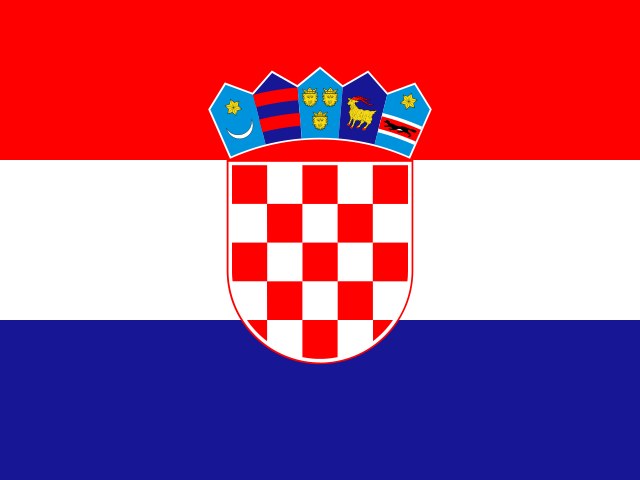
 Southeast Europe
Croatia is a Mediterranean country in Southeastern Europe. It is known for its islands, historic coastal towns and clear sea, while inland areas offer cities, mountains, farms and spas.
Why go
Explore medieval coastal towns such as Dubrovnik and Šibenik.
Visit Zagreb, the capital, for culture and an easy-going city atmosphere.
Travel by ferry to islands in the Adriatic Sea.
Discover national parks, nature parks and protected landscapes.
Visit vineyards and wine cellars in inland Slavonia.
Getting there
By air
- Zagreb is the main airport and the hub for Croatia Airlines. It has flights to major European cities and several destinations farther away.
- Dubrovnik has many seasonal flights across Europe. Its airport is much quieter in winter.
- Other international airports include Split, Zadar, Pula, Rijeka and Osijek.
By land
- Direct international trains connect Croatia with Austria, the Czech Republic, Switzerland, Germany, Hungary and Slovenia. Dubrovnik has no railway station.
- There are no direct trains between Zagreb and Belgrade or Sarajevo.
- Buses from Venice and Trieste connect with Croatian destinations. Tickets for the Venice services to Pula can be bought at the ATVO bus office at Venice bus station.
By sea
- International car ferries connect Croatian ports with Ancona and Bari in Italy. Operators mentioned include Jadrolinija and Blue Line International.
- Venezia Lines runs passenger catamarans between Venice and Poreč, Pula, Rovinj and Rabac.
Getting around
Bus
A wide bus network connects all parts of Croatia. Services between major cities and within regions are frequent. Buses are generally faster than trains for travel between cities. Zagreb Bus Station is the country's busiest bus terminal. Its timetable information is available in Croatian and English.
Train
Trains connect major cities except Dubrovnik. For Dubrovnik, take a train to Split and continue by bus. Rail is the cheapest link between inland Croatia and the coast, but services are less frequent. Buy your ticket before boarding when ticket sales are available at the station. Buying on the train usually costs considerably more. Early reservations can bring substantial discounts. Croatian Railways provides timetables and prices in Croatian and English. Station signs use peron for the platform and kol for its side.
Ferry and boat
Ferries are a useful way to explore the coast and islands. Some islands can only be reached by sea. Jadrolinija is the main national ferry company. Check timetables because schedules change with the season. Outside summer, day trips to remote islands can be difficult or impossible. Services often suit island residents travelling to the mainland. Boat transfers run from Split town and airport to nearby islands. Hiring a yacht without a skipper usually requires a recognised sailing certificate or extensive sailing experience.
Car
Drive on the right and wear a seat belt. Using a mobile phone while driving is not allowed. Coastal roads can be narrow and winding, and some roads in Istria become very slippery when wet. Watch for animals, speeding vehicles and risky overtaking. The general limits are 50 km/h in built-up areas, 90 km/h outside them, 110 km/h on major motor routes and 130 km/h on motorways. Motorways charge tolls. Ask for a receipt at the toll booth to check that you have not been overcharged. Most rental cars have manual gears. Car rental starts at around €40, though the source does not state the rental period. Parking near coastal old towns fills quickly in summer and can be expensive. Parking farther away is often easier and may be free. Daytime headlights are required in winter. Slow down in rain and check your mirrors carefully before entering the overtaking lane.
What to see and do
Dubrovnik
A famous historic coastal city with a distinctive appearance shaped by its past as an independent city-state.
Šibenik
A historic coastal town described as a strong example of Dalmatian character.
Rijeka
A northern coastal city with a different character from the towns farther south.
Zagreb
Croatia's capital combines modern city life, cultural venues and an easy-going atmosphere.
Slavonia
This eastern region includes Osijek and Vukovar, along with vineyards and wine cellars.
National parks and nature parks
Croatia has eight national parks, ten nature parks and many other protected areas.
Food and drink
Kulen and čobanac
Kulen is a spicy sausage from eastern Croatia. Čobanac is a stew made with several meats and plenty of spicy red paprika.
Štrukli
Cheese-filled pasta associated with Hrvatsko Zagorje and Central Croatia.
Sir i vrhnje
Cottage cheese with sour cream, sold fresh at Zagreb's Dolac market.
Police
Oven-baked potatoes covered with bacon, a typical dish from Lika.
Coastal specialities
Try Istrian truffle dishes, Dalmatian pršut cured ham and paški sir cheese from Pag island.
Fish and seafood
Coastal dishes include fresh fish, squid, octopus, crabs and scampi. Some places serve fish caught by local fishermen the night before.
Money
Euro (€; EUR), divided into 100 cents.
- Credit and debit cards are accepted almost everywhere. American Express is not accepted.
- Tourist destinations and tourist goods are much more expensive than other areas and purchases.
- Carry small notes and coins if you want to leave cash tips.
- Check olive oil labels if you want Croatian products. Shops also sell cheaper imported oils and olives.
Tipping: Tipping is voluntary but customary. Round up for drinks; a usual dinner tip is 5–10%, and small keep-the-change tips are also customary for taxi drivers and hairdressers.
Typical costs
- Car rental starts at around €40; the rental period is not stated.
- Accommodation is most expensive from June to September, especially July and August.
- Rural homestays cost slightly more than private rooms and apartments, but include breakfast and home-cooked meals.
- Motorways charge tolls, and parking near coastal old towns can be expensive.
Language
- Croatian is the main language.
- Many younger people speak English well, especially in cities.
- German and Italian are also widely spoken, including by some older people.
- Some people speak French or Russian.
- Older police officers outside Zagreb may not speak English.
- Hrvatska
- Croatia.
- Autobusni kolodvor Zagreb
- Zagreb Bus Station.
- Peron
- Railway platform.
- Kol
- A side of a railway platform.
Staying safe
- All emergencies, including police, fire, ambulance and mountain rescue112
- Police192
- Fire department93
- Emergency medical services94
- Roadside assistance1987
- Croatia is very safe by international standards in most crime categories.
- Carry identification or your passport. Police can search people in public places.
- Never try to bribe a police officer. Doing so can lead to arrest.
- Before hiking, ask locals about possible landmines and obey warning signs. In unfamiliar areas where mines may remain, stay on paved roads or known safe routes.
Local customs
Do
- Approach discussion of the 1990s war with respect. It remains a painful subject.
- Use the names Croatia, Croatian and Croats when referring to the country, language and people.
- Wave thanks when another driver pulls aside to let you pass on a rural road.
Don't
- Do not call Croatia Yugoslavia or call Croats Yugoslav.
- Avoid calling the Croatian language Serbo-Croatian, as some people find this sensitive.
- Avoid describing Croatia as a Balkan country when speaking with locals. Some prefer Mediterranean or Central European.
- Avoid being overly enthusiastic about Serbia or Russia in sensitive conversations, as this can provoke negative reactions.
Staying healthy
- Tap water is safe to drink. Bottled water is also widely available.
- Use sunscreen to protect against sunburn. If you burn, get out of the sun, drink plenty of fluids and rehydrate your skin.
- Ticks in continental Croatia can carry diseases, including Lyme disease and encephalitis, which causes brain inflammation. Be aware of this risk when camping or hiking in summer.
- Wear long sleeves and use insect repellent in Eastern Slavonia, particularly around Kopački Rit near Osijek.
Where to stay
- Hotels increasingly focus on well-furnished four- and five-star accommodation.
- Prices are highest from June to September, especially July and August.
- Many coastal hotels close in winter. Major towns still have at least one place open outside the main season.
- Private rooms and apartments are common. Apartments usually have a kitchen, bathroom and small living area, and often a terrace.
Schengen Area
One visa, 29 countries
A Schengen visa from any member lets you travel across all of them, with no passport checks at the borders between them. With it, a trip to Croatia can also take in:
- Austria
- Belgium
- Bulgaria
- Czech Republic
- Denmark
- Estonia
- Finland
- France
- Germany
- Greece
- Hungary
- Iceland
- Italy
- Latvia
- Liechtenstein
- Lithuania
- Luxembourg
- Malta
- Netherlands
- Norway
- Poland
- Portugal
- Romania
- Slovakia
- Slovenia
- Spain
- Sweden
- Switzerland
 Austria
 Belgium
 Bulgaria
 Czech Republic
 Denmark
 Estonia
 Finland
 France
 Germany
 Greece
 Hungary
 Iceland
 Italy
 Latvia
 Liechtenstein
 Lithuania
 Luxembourg
 Malta
 Netherlands
 Norway
 Poland
 Portugal
 Romania
 Slovakia
 Slovenia
 Spain
 Sweden
 Switzerland
- Up to 90 days in any 180
- One visa for every member
- No border checks between members
Whether you need the visa at all depends on your passport. Check the entry rules for Croatia before you plan the route.
Trips to Croatia
Day-by-day itineraries by snuck, shaped around you.
Outdoor adventures in Croatia
Croatia has coastal islands, sheltered bays, rugged mountains and scenic national parks. Sailing is a major outdoor draw, while inland places include Plitvice National Park, Krka National Park and the mountains of Žumberak.
Dalmatian coast and island sailing
SailingDalmatianear Split or Dubrovnik
Usually Saturday to Saturday in peak season. May–September is peak season. April and October may offer more flexible bookings.Book a yacht through a holiday company or a Croatian charter company. Choose a boat with a crew, or a boat you sail yourself. Most trips leave from Split or nearby marinas, with northern and southern circuits. Dubrovnik is another departure point.
- Avoid all sea activities during strong bura, a powerful wind that blows down from the mountains.
- Carry enough food and drinking water in case unpredictable sea conditions delay you.
Plitvice National Park scenic visit
More to do
Visit Plitvice National Park in Croatia's inland mountain country. Transport and route details are not specified here.
Krka National Park river-valley visit
More to donear Šibenik
Visit the river valley in Krka National Park near Šibenik. Transport and route details are not specified here.
Žumberak mountain visit
More to doŽumberak
Visit the mountainous Žumberak region between Croatia and Slovenia. Transport and route details are not specified here.
- Ask locals about safe areas before hiking.
- In unfamiliar rural areas, stay on marked roads or known safe ground because landmines may remain.
Airports, metros and trains in Croatia
Airports with scheduled flights
- DBVDubrovnik Ruđer Bošković AirportDubrovnikMain international airport
- PUYPula AirportPulaMain international airport
- RJKRijeka AirportRijeka(Omišalj)Main international airport
- SPUSplit Saint Jerome AirportSplitMain international airport
- ZADZadar AirportZadarMain international airport
- ZAGZagreb Franjo Tuđman International AirportVelika GoricaMain international airport
Trains
- Rail network
- 2,604 km
- Electrified
- 985 km
People and safety in Croatia
Religion
Most people are Christian. Mostly one faith.
- Christian88%
- No religion6%
- Jewish4%
- Other2%
- Muslim1%
LGBT+ travellers
Legal
- Same-sex couples can form civil unions, but not marry.
- Legal gender change is recognised.
- Laws protect against discrimination.
Women travellers
Ranked #48 of 181 countries for women's safety, inclusion and justice.
69% of women say they feel safe walking alone at night where they live.
Who can visit without a visa
Travellers from 93 of 198 countries can visit Croatia easily: no visa, a visa at the airport, or a short online form.
- Visa not required83
- Freedom of movement10
- Visa required105
Who can visit easily, by part of the world
For each part of the world: how many countries' travellers can come easily. Easy means no visa, a visa at the airport, or a short online form.
- Europe43 of 45 countries
- Americas26 of 35 countries
- Oceania10 of 14 countries
- Asia12 of 50 countries
- Africa2 of 54 countries
Questions
What money should I bring?
Croatia uses the euro. Credit and debit cards are accepted almost everywhere, but American Express is not.
Can I get around without a car?
Yes. Buses connect all parts of the country, trains serve major cities except Dubrovnik, and ferries connect coastal places and islands.
Will people speak English?
Many younger Croats speak English well, especially in cities. Older people may be more comfortable speaking German or Italian.
Can I drink the tap water?
Yes, tap water in Croatia is safe to drink.
When is accommodation most expensive?
Prices are highest from June to September, especially July and August. Many coastal hotels close during winter.
Can I buy a train ticket at the station?
Yes, buy before boarding where station ticket sales are available. Tickets bought on the train usually cost considerably more.
What local foods can I try?
Options include cheese-filled štrukli, spicy kulen sausage, coastal seafood and creamy kremšnite cake.
Is tipping expected?
Tipping is voluntary but customary. Round up for drinks, or leave about 5–10% for dinner.
Can I visit the islands outside summer?
Some ferry services run outside summer, but day trips to remote islands may be difficult or impossible. Check seasonal timetables before travelling.
What number do I call in an emergency?
Call 112 for police, fire, ambulance or mountain rescue.
 Reviewed by @snuck