
Southeast Europe
 Southeast Europe
RomaniaTravel guide
- Bucharest
- Brașov
- Cluj-Napoca
- Constanța
- Iași
- Sibiu
Romania has mountain scenery, rural villages, historic cities and a busy capital, Bucharest. Its culture and language have strong Latin roots.
Why go
The Carpathian Mountains
Medieval castles and fortresses
The painted monasteries of Southern Bukovina
The Danube Delta
The Black Sea coast
Historic cities and rural villages
Getting there
By air
- Henri Coandă Airport near Bucharest is Romania's largest and busiest airport. It has connections with many major European cities.
- Cluj International Airport serves Cluj-Napoca and is a major entry point for Transylvania.
- Iași International Airport is useful for visiting Moldavia and Southern Bukovina.
By land
- Romania borders Ukraine, Bulgaria, Serbia, Moldova and Hungary.
- International trains connect Romania with other European countries. Long journeys can be slow because of the rail infrastructure.
- Trains are a useful way to reach western and central cities such as Brașov, Sighișoara, Oradea and Cluj-Napoca from Central Europe.
By sea
- Danube cruises run from Passau or Vienna to the Danube Delta. These cruises are expensive.
- Boats are the only way to travel around the Danube Delta and reach Sulina.
Customs
- Yachts arriving from Bulgaria's Black Sea coast may need to stop at Mangalia for passport or harbour checks. Contact the Romanian Border Police or Harbour Master on marine radio channel 16 or 67.
Getting around
Train
The rail network reaches almost every town and many villages. Trains remain a good option for long journeys. Many routes have slow trains and limited departures. Repairs and extreme weather can cause delays. Most trains are run by Căile Ferate Române, the state railway company, usually called CFR. Private companies operate some smaller lines.
Bus and minibus
Buses can be the cheapest way to travel between towns. Look for a bus station called an autogara. Minibuses are sometimes called maxi taxis. They can be faster than trains, but may be crowded, uncomfortable and late. Some longer-distance buses have luggage compartments and air conditioning. Many minibuses have little room for bags and no toilet. Busy services may need a reservation by phone, especially on Fridays, Sundays and near national holidays. Buses are useful on routes poorly served by trains, including Bucharest–Pitești–Râmnicu Vâlcea and Bucharest–Giurgiu.
Car
Drive on the right. Vehicles already on a roundabout have priority. If you bring your own car, buy the road tax sticker called a Rovinieta at the border or a petrol station. Driving without it brings a heavy fine. Allow extra time for narrow roads, village traffic, horse-drawn carts, animals and potholes. The source says winter tyres are compulsory from November to early March, and snow chains are necessary in the mountains in winter. Studded tyres are prohibited. Do not drink alcohol before driving. Police carry out frequent checks and apply a zero-tolerance policy. Car hire may be refused to drivers under 25. American renters need a passport, a valid United States driving licence and an International Driving Permit.
Public transport and taxis
Public transport is cheap and fairly reliable in Bucharest. Heavy traffic can make driving through the centre very slow. Taxis are another option in Bucharest. Some airports have public transport, while others rely on taxis. Keep watch over your belongings on crowded city buses, where pickpockets have opportunities to steal.
What to see and do
Bran Castle
One of Romania's main landmarks.
Painted monasteries of Southern Bukovina
Visit for their painted decoration, beauty and religious history.
Danube Delta
Explore waterways with colonies of pelicans, cranes and migratory birds.
Carpathian Mountains
See mountain landscapes, forests and valleys.
Merry Cemetery in Săpânța
Known for its colourful tombstones.
Transfăgărășan road
The source describes it as one of Europe's most spectacular drives.
Food and drink
Sarmale and ardei umpluți
Sarmale are stuffed cabbage leaves. Ardei umpluți are stuffed peppers.
Mămăligă and bulz
Mămăligă is polenta, a dish made from cornmeal. Bulz is roasted polenta filled with cheese, bacon and sour cream.
Mici
Spiced meat shaped like small sausages, without a casing. They are usually grilled.
Ciorbă
Sour soup comes in several forms. Ciorbă de burtă uses tripe, while ciorbă rădăuțeană uses chicken.
Zacuscă
A rich dip traditionally made in autumn.
Street food
Try covrigi, hot pretzels; langoși, filled hot dough; or gogoși, doughnuts coated in fine sugar.
Money
Romanian leu (RON), plural lei. One leu is divided into 100 bani.
- Use a bank cash machine or a reputable exchange office to get lei. Avoid exchanging money with strangers in the street.
- Bank cash machines are widely available in major cities. Your own bank may charge fees for using your card abroad.
- Compare exchange rates with the National Bank of Romania's rate. The source says a typical exchange office should be within 2–3% of the official rate.
- Look for a clearly displayed “Comision 0%” sign at exchange offices. Choose another office if the commission is unclear or an extra charge applies.
Tipping: Tips of 5–10% are usually expected in restaurants, coffee shops, taxis and hairdressers.
Typical costs
- Food, transport, groceries and accommodation are generally inexpensive. Central Bucharest is more expensive than much of the country.
- The source lists small hatchback rentals from €20–30 per day, excluding fuel.
- The source lists average cars or sport utility vehicles at about €65–90 per day, and luxury vehicles at €170–200.
- Four-star hotels can cost much the same as elsewhere in Europe. Unrated bed and breakfasts can cost as much as, or more than, two- or three-star hotels.
Language
- Romanian is the official language. It is related to Italian, Spanish, French and Portuguese.
- English is the most widely spoken foreign language. Tourism workers often speak it well, but do not assume everyone does.
- Hungarian is widely spoken in parts of Transylvania, including Harghita, Covasna and Mureș.
- German is spoken by some minority communities in Transylvania and Banat.
- Turkish is spoken by a minority in eastern Romania, including Constanța.
- Some people speak French or Russian. Ask before addressing someone in Russian, as its use can cause offence.
- Bună ziua
- Good day or good afternoon. Pronounced roughly “Boo-nuh Zee-wah”.
- Bună dimineața
- Good morning.
- Bună seara
- Good evening.
- Cazare
- Accommodation; a sign on a house means rooms are available.
- Autogara
- Bus station.
- Mâncare de post
- Religious fasting food without meat, dairy products or eggs.
- Comision 0%
- Zero commission; look for this sign at money exchange offices.
Staying safe
- Violence against foreign visitors is rare. Petty theft and common scams are the main concerns described in the source.
- Ask trusted local people about the area around you.
- Watch your belongings on crowded public transport.
- Racial and homophobic prejudice exists, although the source says hate crimes are rare.
Local customs
Do
- Shake hands when meeting people and greeting a group.
- Show respect to older people. Give up public transport seats for older people, pregnant women and very young children.
- Take off your shoes when entering someone's home.
- Dress suitably in churches and observe services quietly.
- Expect hosts to repeat offers of food or hospitality. A polite refusal may be followed by another offer.
Don't
- Do not become loud, abusive or drunk in public.
- Do not describe Romanian as a Slavic language or as related to Hungarian, Turkish or Albanian.
- Do not assume Romania was part of the Russian Empire or Soviet Union. Avoid enthusiastic praise of Russia, which can provoke a hostile response.
- Avoid arguments about tensions between Romanians and ethnic Hungarians.
- Do not confuse Romanians with Roma people or use derogatory terms for Roma people.
- Avoid casually labelling Romania a Balkan country, as some people dislike this description.
- Be sensitive when linking Vlad the Impaler with Dracula. Some Romanians regard Vlad as a national hero.
Staying healthy
- Tap water is generally safe to drink. Bottled water is also commonly used.
- The source warns that fishermen's fish soup in the Danube Delta may be prepared with river water.
Where to stay
- Book ahead in Bucharest, Cluj-Napoca, Brașov and Iași, where finding a room by walking around can be difficult.
- Contacting a hotel directly, including in person, is often cheaper than using a booking agency.
- Look for “cazare” signs on houses. These mean rooms are available to rent.
- People at tourist-area train stations may offer accommodation and often speak English, French or Italian.
Schengen Area
One visa, 29 countries
A Schengen visa from any member lets you travel across all of them, with no passport checks at the borders between them. With it, a trip to Romania can also take in:
- Austria
- Belgium
- Bulgaria
- Croatia
- Czech Republic
- Denmark
- Estonia
- Finland
- France
- Germany
- Greece
- Hungary
- Iceland
- Italy
- Latvia
- Liechtenstein
- Lithuania
- Luxembourg
- Malta
- Netherlands
- Norway
- Poland
- Portugal
- Slovakia
- Slovenia
- Spain
- Sweden
- Switzerland
 Austria
 Belgium
 Bulgaria
 Croatia
 Czech Republic
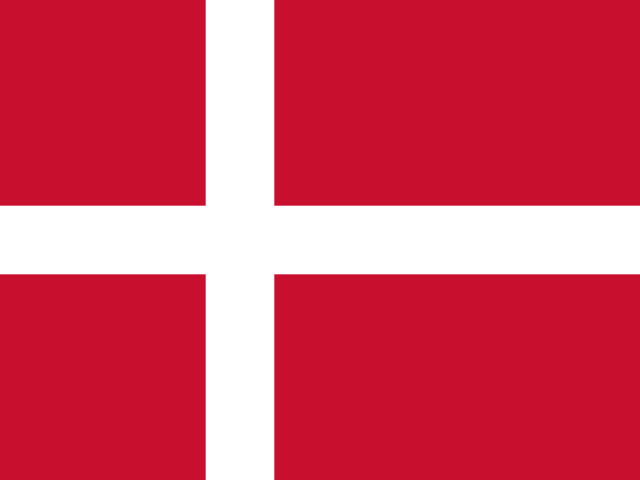 Denmark
 Estonia
 Finland
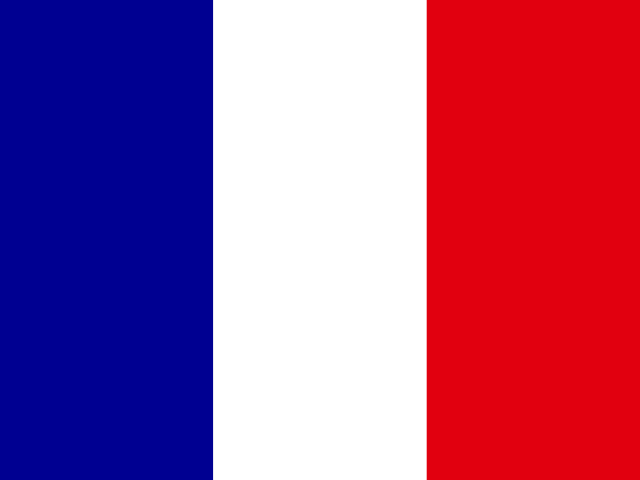 France
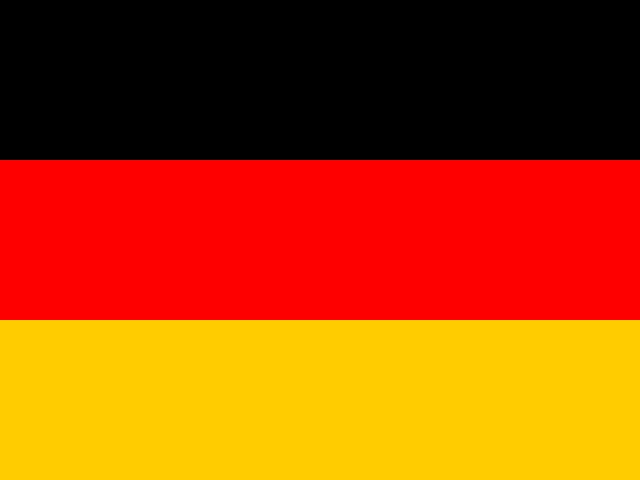 Germany
 Greece
 Hungary
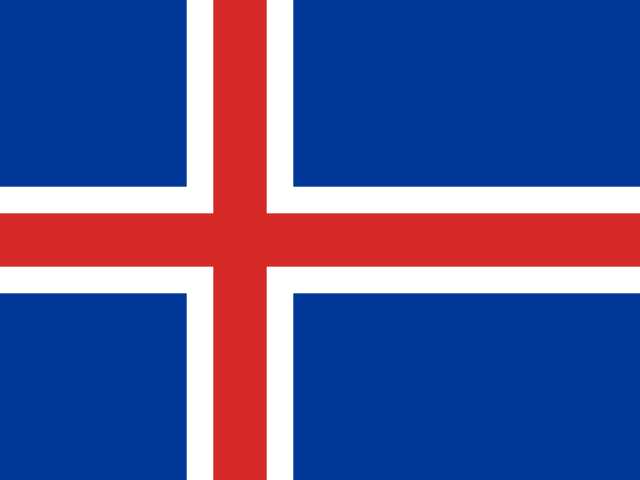 Iceland
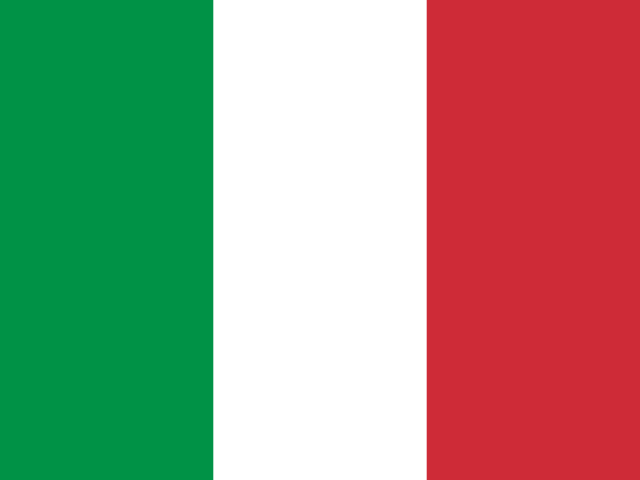 Italy
 Latvia
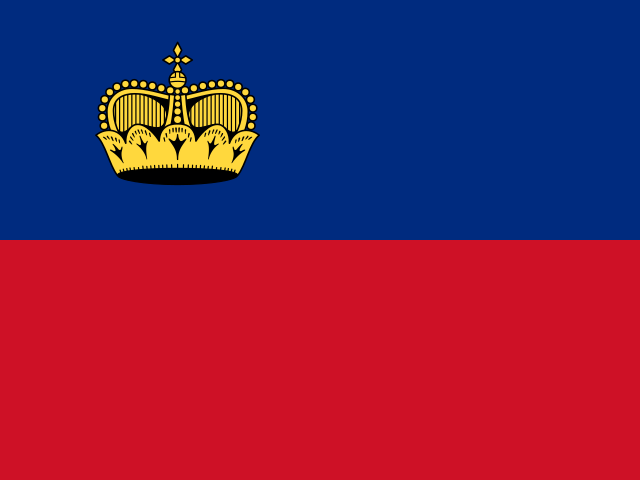 Liechtenstein
 Lithuania
 Luxembourg
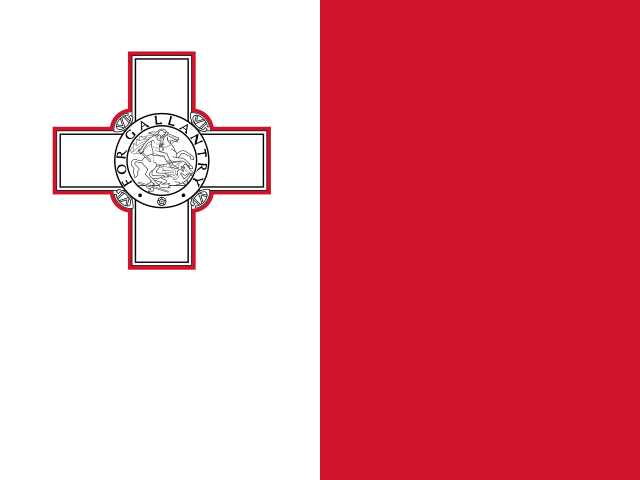 Malta
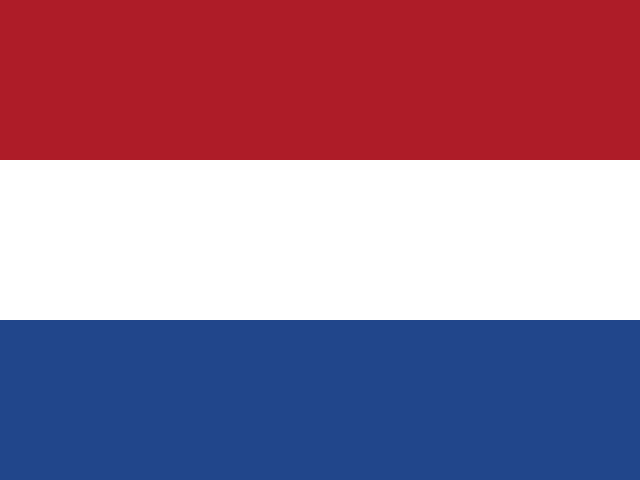 Netherlands
 Norway
 Poland
 Portugal
 Slovakia
 Slovenia
 Spain
 Sweden
 Switzerland
- Up to 90 days in any 180
- One visa for every member
- No border checks between members
Whether you need the visa at all depends on your passport. Check the entry rules for Romania before you plan the route.
Outdoor adventures in Romania
Romania has mountain walks, ski resorts, salt lakes and sandy Black Sea beaches. Hiking ranges from easy walks to seriously challenging routes, with national parks offering good starting points.
Retezat Mountains trekking
TrekRetezat Mountains
Head to the Retezat Mountains for trekking. No starting point or guide arrangements are given.
Poiana Brașov
Skiingnear Brașov
WinterVisit the ski resort, 10 km from Brașov.
Sinaia
Skiingnear Sinaia
WinterHead to Sinaia for its winter sports resort. Transport and booking details are not given.
Predeal
Skiingnear Predeal
WinterHead to Predeal for its winter sports resort. Transport and booking details are not given.
Mamaia beaches
BeacheBlack Sea coastnear Constanța
Summer for beach visits; September–April for walksGo to Mamaia in the northern part of Constanța. ATV rental centres are mentioned near Cleopatra bar at the start of the resort.
- Cost: A seasonal car entrance fee of 3 lei is listed for cars registered outside Constanța county. Paid parking is listed at 3 lei per hour.
Transfăgărășan mountain road
More to doFăgăraș Mountains
July 1–October 31Drive the mountain road or take a private tour from Brașov. The listed tour requires at least two people.
- Cost: 450 lei per person for the listed private tour from Brașov.
Făgăraș Mountains hiking
HikeFăgăraș Mountains
Hiking here is suggested among trips from Sibiu. No trailhead or guide arrangements are given.
Cindrel Mountains hiking
HikeCindrel Mountains
Hiking here is suggested among trips from Sibiu. No trailhead or guide arrangements are given.
Brașov hills and mountains
HikeAround Brașovnear Brașov
Explore the hills and mountains surrounding Brașov. No specific route or starting point is given.
Aventura climbing park
Climbingnear Brașov
Take bus 17 from the city centre, bus 35 from the train station, or bus 21.
- Cost: About 30 lei per person.
Modern Beach
BeacheBlack Sea coastnear Constanța
Visit the beach in central Constanța, near the marina, for swimming or sunbathing.
- The water is described as very shallow, staying below knee height for 20–30 m.
Neptun seaside resort
BeacheBlack Sea coast
SummerHead south from Constanța to Neptun. Transport details are not given.
Păltiniș
Skiing
WinterDrive south from Sibiu through Rășinari, then continue uphill to the road end at the ski resort.
Băile Herculane
Skiingnear Băile Herculane
WinterBăile Herculane is listed as a ski destination. Access and booking details are not given.
Ocna Sibiului salt-lake bathing
More to donear Sibiu
Visit the bathing resort about 15 km northeast of Sibiu. Transport details are not given.
Guided bike tours around Sibiu
CyclingAround Sibiunear Sibiu
Join a guided bike tour around Sibiu. No operator or route is named.
Guided mountain enduro trips from Sibiu
More to doMountains around Sibiunear Sibiu
Join a guided enduro trip, riding a motorcycle in the mountains. No operator is named.
Transalpina mountain road
More to do
Take a drive on Transalpina, suggested among trips from Sibiu. No route details are given.
Releu antenna and ancient seabed walk
HikeAround Iașinear Iași
EasyTake a taxi or maxi-taxi to the area, then follow dirt roads to the giant antenna. Look for the large semicircular cut in the hillside and walk down to the exposed rock wall.
Releu caves
CaveAround Iașinear Iași
Reach the Releu antenna area by taxi or maxi-taxi, then walk along dirt roads. Caves are mentioned around the exposed ancient seabed, but no marked cave route or guide is named.
Ciric and Venetia lake swimming
More to doNorth of Iașinear Iași
SummerLocals swim in the Ciric and Venetia lakes north of Iași. Transport details are not given, and these lakes are described as unsafe for swimming.
- There are no lifeguards, and drownings are reported.
- Dirty water has caused eye and skin conditions.
Cișmigiu Garden boating and ice skating
More to doCentral Bucharestnear Bucharest
Summer for boating; winter for ice skatingVisit Cișmigiu Garden in central Bucharest. Boats can be rented in summer, and ice skating is available in winter.
Herăstrău Park boating
More to doNorthern Bucharestnear Bucharest
SummerVisit Herăstrău Park for boat rental or a boat trip in summer.
Tineretului Park boating
More to donear Bucharest
Rent a boat in Tineretului Park. Rental arrangements are not detailed.
Cluj-Napoca Central Park boating
More to donear Cluj-Napoca
Go to the Chios Casino terrace in Central Park to rent a rowboat or pedal boat. Paddle around the small island in the lake.
Airports, metros and trains in Romania
Airports with scheduled flights
- CLJAvram Iancu Cluj International AirportCluj-NapocaMain international airport
- BCMBacău George Enescu International AirportBacăuMain international airport
- GHVBrașov-Ghimbav International AirportBrașov (Ghimbav)Main international airport
- BBUBucharest Băneasa Aurel Vlaicu International AirportBucharestMain international airport
- OTPBucharest Henri Coandă International AirportOtopeniMain international airport
- CRACraiova International AirportCraiovaMain international airport
Metro and subway
- BucharestBucharest Metro64 stations80.1 kmsince 1979
Trains
- Rail network
- 10,611 km
- Electrified
- 4,032 km
People and safety in Romania
Religion
Most people are Christian. Mostly one faith.
- Christian85%
- Jewish13%
- No religion<1%
LGBT+ travellers
Legal
- Same-sex marriage is not recognised.
- Laws protect against discrimination.
Women travellers
Ranked #43 of 181 countries for women's safety, inclusion and justice.
59% of women say they feel safe walking alone at night where they live.
Who can visit without a visa
Travellers from 92 of 198 countries can visit Romania easily: no visa, a visa at the airport, or a short online form.
- Visa not required82
- Freedom of movement10
- Visa required106
Who can visit easily, by part of the world
For each part of the world: how many countries' travellers can come easily. Easy means no visa, a visa at the airport, or a short online form.
- Europe43 of 45 countries
- Americas26 of 35 countries
- Oceania9 of 14 countries
- Asia12 of 50 countries
- Africa2 of 54 countries
Questions
Can I get by with English?
Tourism workers often speak good English, and younger people commonly know some. Do not assume everyone speaks it.
How should I get Romanian money?
Use a bank cash machine or a reputable exchange office with clearly displayed charges. Avoid street money changers and poor airport exchange rates.
Do I need to book accommodation online?
No. You can contact hotels directly or visit in person, and houses with “cazare” signs offer rooms; booking ahead is advised in the larger cities.
What is a good way to travel between towns?
Trains are a good option for long journeys, though many routes are slow. Buses can be cheaper and serve routes with poor rail connections.
Is Romania safe for visitors?
Violence against visitors is rare. Keep watch for petty theft, especially on crowded buses, and avoid money exchange scams.
Can I drink the tap water?
Tap water is generally safe to drink, although many people choose bottled water.
Can I find vegan food?
Ask for “mâncare de post”, food made for religious fasting without meat, dairy or eggs. It is available throughout the year.
How much should I tip?
A tip of 5–10% is usually expected in restaurants, coffee shops, taxis and hairdressers.
What should I do when visiting someone's home?
Take off your shoes and greet people politely. Hosts may repeat offers of food or drink even after a polite refusal.
What number should I call in an emergency?
Call 112 for police, an ambulance or the fire service.
 Reviewed by @snuck