
Southern Europe
 Southern Europe
GreeceTravel guide
- Athens
- Chania
- Chersonissos
- Heraklion
- Kavala
- Patras
Greece has ancient ruins, medieval churches, beaches and mountains. Its islands and mainland regions have very different landscapes and buildings.
Why go
Explore ancient temples, medieval churches and castles.
Visit islands, sandy beaches and whitewashed coastal towns.
Discover mountain ranges, olive orchards, wine valleys and northern forests.
See different building styles, from whitewashed homes on Paros to pastel-coloured buildings on Corfu.
Best time to go: May–June and September–October have the most pleasant weather. Mid-July to mid-August is the hottest period, while November–February brings fewer tourists and lower prices but is not beach weather.
Getting there
By air
- Athens International Airport is the main airport. It has year-round direct flights from Europe, the Middle East, China and Singapore.
- Thessaloniki Airport has year-round direct flights from across Europe.
- Popular islands have direct summer flights from Europe. The source says winter flights to the islands go through Athens.
By land
- You can enter by car from Albania, North Macedonia, Bulgaria and Turkey.
- International buses mainly leave from Thessaloniki, with some routes from Athens. They connect Greece with most Balkan countries, Turkey, Hungary and Germany.
- The source reports no long-distance international passenger trains as of 2022. It describes restoring the Sofia–Thessaloniki connection in 2027 as an aim.
By sea
- Ferries from Venice, Ancona, Bari and Brindisi connect Italy with Patras and Igoumenitsa. Some also serve the Ionian Islands, mainly in summer.
- Italy–Greece crossings take about 8 hours from Brindisi to Igoumenitsa to 26 hours from Venice to Patras.
Customs
- If arriving on your own boat, pay the special boating tax, TEPAI, by the day you enter Greek waters. It is charged for each calendar month of your stay.
- Boats flying a European Union flag may need proof that value-added tax has been paid. Boats sailing directly from a Schengen country must keep an updated crew list on board.
- Your boat must have liability insurance valid under Greek law. Arrange this before arrival, as officials may ask for proof that cover began by your arrival date.
Getting around
Bus
KTEL is a network of independent bus companies serving almost the whole country. Buses are generally reliable and relatively inexpensive. Some routes to islands near the mainland include the ferry crossing in the bus ticket price. Remote villages may have only one or two buses a day. Some buses stop up to a mile from less-visited archaeological sites. Bus schedules are posted in English in places with significant tourism.
Ferry
Check schedules at boat ticket offices in departure ports. There is no single complete source for all ferry schedules. Connections are usually easier between islands in the same group. Nearby islands in different groups may have fewer direct boats. Winter weather can keep ferries in port for days. Leave room in your plans for delays. August sailings and popular holiday departures can sell out. Plan ahead and arrive promptly for departure. Return to Athens at least a day before your flight home. Weather, strikes or breakdowns can delay your ferry. Athens has three ports: Piraeus, Rafina and Lavrio. Rafina can be a better starting point for islands such as Tinos and Mykonos.
Car
A car helps when exploring rural areas and larger islands. Parking and driving can be difficult in Athens and other big cities. Drive on the right. Mountain roads and village streets can be narrow, with sharp bends. Drivers without a European Union driving licence must carry an international driving permit obtained in their home country. Many newer motorways charge tolls. Carrying a car on a ferry costs extra and limits your choice of boats.
Train
Most rail services run between Athens and Thessaloniki or on their suburban networks. Other lines described in the source have limited, slow services. A bus is often a better choice. Tickets can be booked through the Hellenic Train website.
What to see and do
Ancient ruins, churches and castles
Greece has classical temples and ruins alongside many medieval churches and castles.
Cyclades Islands
This island group is known for whitewashed homes and blue-domed churches.
Ermoupolis and Nafplion
These cities have Neoclassical buildings.
Corfu
See pastel-coloured baroque homes and churches.
Grevená and Kozáni
These places have buildings influenced by Ottoman styles.
Spend time at the beach
Crete, Rhodes, Corfu and Kos have many beaches. Mainland options include Chalkidiki, Epirus and the Peloponnese.
Food and drink
Vegetables, herbs and grains
These form a large part of the traditional Greek diet. Olive oil, lemon and tomatoes are common ingredients.
Seafood
Seafood is widely used in Greek cooking.
Lamb and other meat
Lamb is widely eaten, along with beef, pork and chicken.
Gyros
Pronounced roughly “yee-ros”, this is a popular fast food adapted from Turkish döner kebab. It is generally not served in restaurants that do not specialise in fast food.
Greek alcoholic drinks
The source describes domestic Greek drinks as widely available, generally good quality and mostly inexpensive by European standards.
Imported spirits
Genuine imported drinks can be expensive. Cheap drinks sold as whisky or gin may be imitation alcohol called “bomba”.
Money
Euro (€), currency code EUR. One euro equals 100 cents.
- Banks often offer better exchange rates than currency exchange offices. Their fees can make changing one larger amount cheaper than several small amounts.
- Ask for smaller notes, with nothing larger than €50. Many businesses are reluctant to accept larger notes.
- Currency exchange services are common in larger cities and tourist areas. Usually only larger hotels exchange money for guests.
- Supermarkets can be cheaper for everyday groceries. Bread is cheaper in bakeries.
Tipping: There is no fixed tipping percentage. Restaurant customers may leave a few coins or around €1–2 if pleased with the service; tipping taxi drivers is uncommon.
Typical costs
- The source lists a loaf of bread at about €1 and coffee in a bar at €3–5, using February 2019 prices.
- The source lists beer in a small bar at about €4–5 and a shot of spirits at €4–8, using February 2019 prices.
- The source lists cinema tickets at around €8 per person, using February 2019 prices.
- Most beaches are free, but the source lists some around Athens charging €4–5 per person, using February 2019 prices. Umbrellas or other facilities may cost extra.
- Some island room offers can be around €20–25 for a room or studio in mid-season, according to the source.
- Petrol is listed at €1.80–2.10 per litre as of May 2023.
Language
- Greek is the official language and the first language of most residents.
- English is widely understood, especially in tourism and public transport.
- French, Italian and German are also studied.
- Road signs often show place names in Latin letters. The same place may have several different spellings.
- Ευχαριστώ — ef-khah-rees-TOH
- Thank you.
- Παρακαλώ — pah-rah-kah-LOH
- Please.
Staying safe
- Greece is generally safe and friendly, with low rates of violent crime and theft. Take the same basic precautions you would at home.
- Take extra care in crowded tourist areas and on the Athens metro, where theft is more likely.
- Avoid trouble late at night in busy nightlife resorts. Heavy drinking increases your chance of getting into unsafe situations.
- Drive slowly through villages, where people may be walking in the road. On narrow roads, you may need to pull over or reverse to let another vehicle pass.
Local customs
Do
- Say hello first when entering a cafe or meeting people. Return greetings from strangers in the countryside.
- Learn a few Greek words, such as “thank you” and “please”. This is warmly received.
- Cover shoulders and knees where church rules require it. Some churches and monasteries provide suitable clothing at the entrance.
- In many parts of Greece, put used toilet paper in the bin rather than the toilet to avoid blockages.
Don't
- Do not assume a relaxed pace means laziness or rudeness. Leisure is taken seriously.
- Do not rely on very formal words to show respect. Behaviour matters more, and everyday interactions are often informal.
- Do not assume nudity or topless bathing is accepted everywhere. Use beaches where nudism is tolerated.
Staying healthy
- Mosquitoes can transmit West Nile virus, including in urban areas such as Attica. Wear long sleeves or use mosquito repellent in affected areas.
- In the hottest summer period, avoid heavy outdoor activity between 13:00 and 17:00. Do sightseeing in the cooler morning and spend the afternoon in shade or at the beach.
- Coastal areas and islands can be chilly at night, even after a hot day.
- Public toilets sometimes lack seats. Disposable toilet seat covers may be useful.
Phone and internet
- Most hotels have websites and accept booking requests by email.
- Self-catering studios rarely offer internet access, according to the source.
- Online bus information varies between companies. Most now offer online booking for at least their main city routes.
Where to stay
- Small, family-run guesthouses offer local character and friendly service.
- Hotels often have small rooms and bathrooms, though cleanliness is usually good. More luxurious options are available in cities and popular islands.
- Studios and apartments usually have basic cooking facilities. They may have no reception desk, breakfast service or internet access.
- Most hotels accept bookings by email. Walk-in rooms are often available, but finding one can be difficult on busy islands during peak periods, weekends and major holidays.
Schengen Area
One visa, 29 countries
A Schengen visa from any member lets you travel across all of them, with no passport checks at the borders between them. With it, a trip to Greece can also take in:
- Austria
- Belgium
- Bulgaria
- Croatia
- Czech Republic
- Denmark
- Estonia
- Finland
- France
- Germany
- Hungary
- Iceland
- Italy
- Latvia
- Liechtenstein
- Lithuania
- Luxembourg
- Malta
- Netherlands
- Norway
- Poland
- Portugal
- Romania
- Slovakia
- Slovenia
- Spain
- Sweden
- Switzerland
 Austria
 Belgium
 Bulgaria
 Croatia
 Czech Republic
 Denmark
 Estonia
 Finland
 France
 Germany
 Hungary
 Iceland
 Italy
 Latvia
 Liechtenstein
 Lithuania
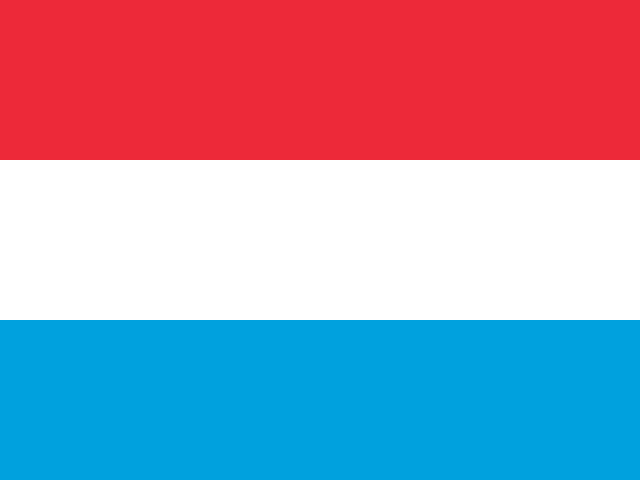 Luxembourg
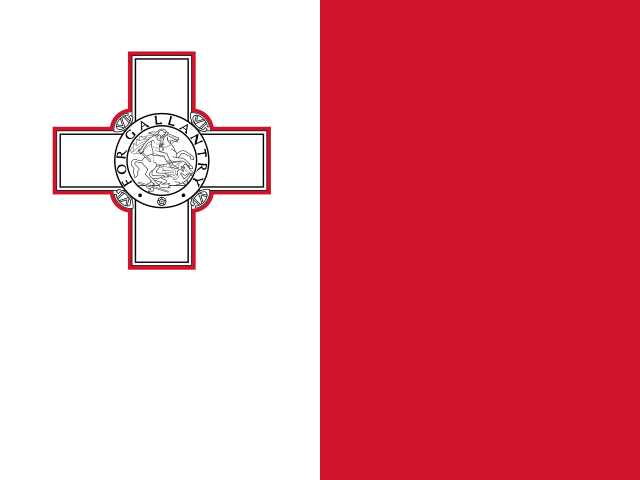 Malta
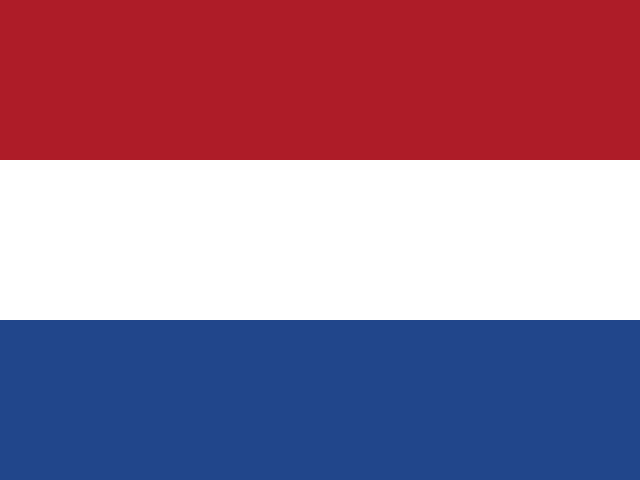 Netherlands
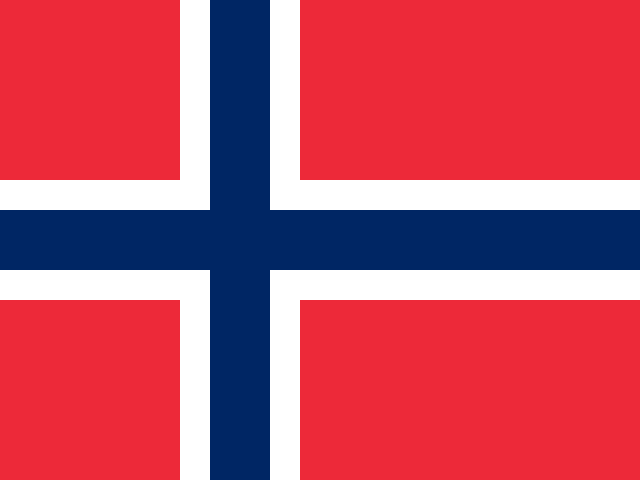 Norway
 Poland
 Portugal
 Romania
 Slovakia
 Slovenia
 Spain
 Sweden
 Switzerland
- Up to 90 days in any 180
- One visa for every member
- No border checks between members
Whether you need the visa at all depends on your passport. Check the entry rules for Greece before you plan the route.
Trips to Greece
Day-by-day itineraries by snuck, shaped around you.
Outdoor adventures in Greece
Greece has mountain walks, deep gorges, sandy beaches and many islands to explore by boat. You can also try rafting, diving, climbing and horse riding. May–June and September–October have the most pleasant weather, while midsummer afternoons can be very hot.
Mount Olympus hiking
HikeThessaly
Mount Olympus is a popular hiking area. Access routes and guide arrangements are not specified.
- During midsummer, avoid heavy outdoor activity between 13:00 and 17:00.
Samaria Gorge and other Cretan gorges
HikeCretenear Chania
Samaria Gorge: day trip from ChaniaVisit Samaria Gorge as a day trip from Chania. Transport and walking-route details are not specified.
Elafonissi Beach
BeacheCretenear Chania
Take the KTEL bus from Chania. One daily departure is listed at 09:00.
- Cost: Bus: €11 each way
Balos Beach
BeacheCretenear Kissamos
Visit from Kissamos, which can be reached by bus. The onward journey to the beach is not specified.
Greek island sailing
SailingIonian Islands, Cyclades, Saronic Gulf Islands, Dodecanese, Sporades and North Aegean Islands
Aegean: spring and autumnSail between islands using marinas and small town harbours. The Ionian Islands suit novice sailors because winds are mild and distances are short.
- Strong Meltemi winds can reach force 8 in the Aegean in July and August. These conditions suit experienced boat captains.
- Distances between the North Aegean Islands are greater.
Epirus national parks hiking
HikeEpirus, Northern Greece
Explore the national parks in Epirus for hiking. Individual parks, routes and access details are not specified.
Rhodope Mountains hiking
HikeNorthern Greece
Head to the Rhodope Mountains for hiking. Starting points and guide arrangements are not specified.
Parnitha National Park hiking
HikeAtticanear Athens
Walk the park's well-marked paths. Transport to the park is not specified.
- During midsummer, avoid heavy outdoor activity between 13:00 and 17:00.
Parnitha National Park mountain biking
CyclingAtticanear Athens
Go mountain biking in the Parnitha National Park area. Bike hire and specific routes are not listed.
- During midsummer, avoid heavy outdoor activity between 13:00 and 17:00.
Nestos River rafting
RaftingNorthern Greecenear Kavala
Rafting trips take place on the Nestos River. Operators and meeting points are not specified.
Nestos River canoe trips
More to doNorthern Greecenear Kavala
Take a canoe trip on the Nestos River. Booking and departure details are not specified.
Kavala and Palio diving
Scuba divingNorthern Greecenear Kavala
Contact a diving school at Kavala harbour or in the suburb of Palio.
Sailing from Kavala and Irakliza
SailingNorthern Greece and the North Aegeannear Kavala
Spring and autumn for Aegean sailingRent a sailing boat at Kavala harbour or Irakliza. Listed companies include Phionasailing, Kavalayachting, Egeasyachting and North Sailing.
- Strong Meltemi winds can reach force 8 in the Aegean in July and August.
Kavala Water Road
HikeNorthern Greecenear Kavala
Start at the end of 13is Septemvriou Street. Follow the Water Road from the aqueduct towards the water source.
Pangeon area hikes
HikeNorthern Greecenear Kavala
Explore routes around Nikissiani, Paleohori and Mesoropi. Guided hikes in the wider area are offered by Adventure Thasos Kavala and Olympic Tours.
Nestos Gorge and Nestos Delta walks
HikeNorthern Greecenear Kavala
Walk routes along Nestos Gorge and Nestos Delta. Adventure Thasos Kavala and Olympic Tours offer guided hikes in the wider area.
Karteros rock climbing
ClimbingCretenear Heraklion
Climb the 15 m rock in Karteros, east of Heraklion. Safety equipment is provided.
- Safety equipment is provided.
Karteros beach horse riding
More to doCretenear Heraklion
Ride on Karteros beach or take lessons at Ippikos Omilos Hrakliou, 6 km east of Heraklion.
Heraklion Sailing Club lessons and trips
SailingCretenear Heraklion
Arrange lessons, sailing trips or yacht hire through Heraklion Sailing Club. It is east of the Port Authorities, in the former port refrigeration plant.
Kavala mountain enduro tours
More to doNorthern Greecenear Kavala
Join an organised mountain tour on an off-road motorcycle. Operator names are not specified.
South Athens beaches
BeacheAtticanear Athens
When the weather is goodTake bus A2, B2 or E22 from Sygrou metro station, or the tram from Syntagma. Get off along the coast.
Kavala and nearby beaches
BeacheNorthern Greecenear Kavala
Use city buses for Kavala's city beaches. Batis Multiplex and Tosca are reached by public bus from the main bus terminal.
- Rapsani and Aspri Amos are described as not very clean.
Star Beach
BeacheCretenear Hersonissos
Visit Star Beach in Hersonissos. Transport and water-sport booking details are not specified.
Amoudara Beach
BeacheCretenear Heraklion
Head to Amoudara, Heraklion's beach area. Transport details are not specified.
Gerani Beach sea turtles
WildlifeCretenear Chania
Visit Gerani Beach in the Maleme area, west of Chania. No wildlife tour or viewing arrangements are specified.
Airports, metros and trains in Greece
Airports with scheduled flights
- ATHAthens Eleftherios Venizelos International AirportSpata-ArtemidaMain international airport
- CHQChania International AirportSoudaMain international airport
- CFUCorfu Ioannis Kapodistrias International AirportKerkyra (Corfu)Main international airport
- HERHeraklion International Nikos Kazantzakis AirportHeraklionMain international airport
- KVAKavala Alexander the Great International AirportKavalaMain international airport
- EFLKefalonia International Airport "Anna Pollatou"Kefallinia IslandMain international airport
Metro and subway
- AthensAthens Metro66 stations91.7 kmsince 1904
- ThessalonikiThessaloniki Metro18 stations14.38 kmsince 2024
Trains
- Rail network
- 2,240 km
- Electrified
- 764 km
- High-speed lines
- 160 km
- Top speed
- 200 km/h
People and safety in Greece
Religion
Most people are Christian. Mostly one faith.
- Christian88%
- No religion6%
- Muslim5%
LGBT+ travellers
Legal and protected
- Same-sex couples can marry.
- Laws protect against discrimination.
Women travellers
Ranked #60 of 181 countries for women's safety, inclusion and justice.
51% of women say they feel safe walking alone at night where they live.
Who can visit without a visa
Travellers from 93 of 198 countries can visit Greece easily: no visa, a visa at the airport, or a short online form.
- Visa not required82
- Freedom of movement11
- Visa required105
Who can visit easily, by part of the world
For each part of the world: how many countries' travellers can come easily. Easy means no visa, a visa at the airport, or a short online form.
- Europe43 of 45 countries
- Americas26 of 35 countries
- Oceania10 of 14 countries
- Asia12 of 50 countries
- Africa2 of 54 countries
Questions
When is the best time to visit Greece?
May–June and September–October have the most pleasant weather. Mid-July to mid-August is the hottest period.
Can I travel around Greece without renting a car?
Yes. Buses serve almost the whole country, while ferries and flights connect islands; taxis and walking can cover shorter journeys.
Can I buy ferry tickets without booking online?
Yes, boat ticket offices at departure ports sell tickets and display schedules. Popular departures can sell out in high season and on holiday weekends.
Will I manage if I only speak English?
English is widely understood in tourism and public transport. Place names often appear in Latin letters, though spellings can vary.
What money should I carry?
Greece uses the euro. Ask for smaller notes and avoid notes larger than €50, which many businesses are reluctant to accept.
Do I need to tip?
There is no fixed percentage. Restaurant customers may leave a few coins or around €1–2 for good service, while taxi tips are uncommon.
Can I find accommodation after I arrive?
Often, yes, but rooms can be hard to find on crowded islands in peak season, on weekends and during major holidays. A local travel agency or cafe owner may help you find a room.
Is Greece safe for visitors?
Greece is generally safe, but take care with belongings in crowds and on the Athens metro. Avoid trouble around nightlife areas, especially late at night.
What should I wear when visiting churches?
Some churches require women to cover their shoulders and everyone to cover their knees. Suitable clothing is often available at entrances.
Can I flush toilet paper?
In many parts of Greece, including islands, toilet paper should go in the bin rather than the bowl to prevent blockages.
 Reviewed by @snuck