
Southern Europe
 Southern Europe
MaltaTravel guide
- Valletta
- Cottonera
- Marsaxlokk
- Mdina
- Mosta
- Rabat
Malta is an island country in the Mediterranean Sea, between Sicily and North Africa. Its capital is Valletta. Visitors come for historic buildings, beaches, diving and the smaller islands of Gozo and Comino.
Why go
Explore Valletta's museums, historic streets and St John's Co-Cathedral.
Visit Mdina, the old capital, which becomes peaceful when day visitors leave.
See ancient temples on Malta and Gozo.
Enjoy Gozo's quiet countryside, Citadel and Inland Sea.
Swim, snorkel or dive around Malta, Gozo and Comino.
Best time to go: Summer suits visitors who want hot, dry weather. Winters are wet and windy. Diving, snorkelling and tennis are available all year.
Getting there
By air
- Malta International Airport is in Luqa and is the country's only airport. It has flights from Europe and Mediterranean countries.
- Buses leave from outside the terminal for places including Valletta, Sliema and St. Julian's. Ticket machines and timetables are by the bus station.
- The bus journey to Valletta or Sliema takes about 30–70 minutes, depending on traffic.
By sea
- Fast ferries run from Catania and Pozzallo in Sicily. The stated journey times are three hours from Catania and 90 minutes from Pozzallo.
- Wind can make the sea rough.
Customs
- Travel operators may check your identity before international flights or ferry trips, even within the Schengen travel area.
- There are normally no immigration checks between countries in the Schengen travel area. Temporary checks may take place during major events or crises.
- The source says visitors from outside the European Union must complete a landing card. It describes cards being available on some arriving flights or in the airport entrance hall.
Getting around
Bus
Regular services use modern buses with air conditioning. Bus fares are low compared with Western Europe. Expect busy streets and possible traffic delays. Malta has no rail transport.
Hire car
Drive on the left. Malta follows British driving rules. Every driver must bring their driving licence to be covered by the rental company's insurance. Rental desks are available inside the airport. Some local firms meet customers at the airport instead. Booking online is cheaper than hiring on arrival. Ask whether the rental company provides a satellite navigation device. Its maps can be inaccurate and may direct you the wrong way along a one-way street.
Ferry to Gozo
Gozo is about 5 km northwest of Malta. The crossing from Cirkewwa harbour takes about 25 minutes. Gozo has a quieter, rural atmosphere.
What to see and do
Mdina
The old capital has fortress walls, historic architecture and wide views. It is especially peaceful in the evening.
Valletta
Malta's capital has museums, cultural sites and shops.
St John's Co-Cathedral
See Caravaggio paintings, tapestries and the tombs of famous knights. The crypt is closed to tourists.
Megalithic Temples
These ancient buildings are on the United Nations Educational, Scientific and Cultural Organization's World Heritage List. Sites include Ggantija, Hagar Qim, Mnajdra and Tarxien.
Hypogeum
Only 60 visitors are allowed each day, so tickets need to be booked well ahead.
Gozo
Visit the Citadel and Inland Sea, and enjoy the island's quiet countryside.
Food and drink
Pastizzi
Small savoury pastries found widely across Malta.
Fenkata
A rabbit feast, usually starting with spaghetti in rabbit sauce. The rabbit meat follows, stewed or fried.
Soppa ta' l-armla
Widow's soup combines seasonal vegetables with a thick tomato stock.
Bigilla
A spread made from broad beans and herbs, often served with water biscuits.
Ġbejniet
Small cheeses made from goat's or sheep's milk. They may be fresh, dried or peppered.
Maltese sausage
Spiced pork sausage with coriander seeds and parsley. It is often included in a Maltese platter.
Money
Euro (€), currency code EUR
- One euro is divided into 100 cents.
- Exchange dollars, pounds or other currencies at a bank or currency exchange office before spending.
- Euro coins from other euro-using countries are accepted, even when their designs differ.
- The source states that Lombard Bank does not charge a cash-machine withdrawal fee.
Tipping: Tips to parking attendants are voluntary. The source gives no general guidance on restaurant or hotel tipping.
Typical costs
- In February 2020, the source listed a one-way adult airport bus ticket at €2 in summer and €1.50 in winter. These are historical prices.
- Most public parking areas are free. Paid parking areas, such as the airport, have signs.
- Last-minute Hypogeum tickets have a large price increase, but the source gives no amount.
Language
- Maltese and English are the official languages.
- Virtually all Maltese citizens speak English fluently.
- Italian is widely understood and spoken.
- Some people speak basic French, but few are fluent.
Staying safe
- Malta is generally considered safe.
- Take extra care in Paceville at night, where some visitors can become rowdy.
- People of colour have experienced racial discrimination in Malta.
- Check road signs when using satellite navigation. Maps may direct you the wrong way along a one-way street.
Local customs
Do
- Cover your knees and shoulders when visiting churches.
- Men should remove hats and sunglasses inside churches.
- Arrive before Mass starts if you wish to visit a church. Entry may be refused once the service has begun.
- Remember that Maltese people may speak loudly without being angry.
Don't
- Avoid loud, drunken behaviour, especially outside St. Julian's and Paceville.
- Do not assume that tourist drinking behaviour is welcomed everywhere.
- Do not enter churches in clothing that leaves your knees or shoulders uncovered.
Staying healthy
- The sun can be fierce in spring and summer. Apply plenty of sunscreen to avoid sunburn.
- Tap water is safe to drink. It can taste slightly salty because much of it comes from seawater with the salt removed.
- Many public toilets are free and usually clean. Toilet paper is not always provided.
- Sea temperatures range from about 14°C in February and March to about 26°C in August.
Schengen Area
One visa, 29 countries
A Schengen visa from any member lets you travel across all of them, with no passport checks at the borders between them. With it, a trip to Malta can also take in:
- Austria
- Belgium
- Bulgaria
- Croatia
- Czech Republic
- Denmark
- Estonia
- Finland
- France
- Germany
- Greece
- Hungary
- Iceland
- Italy
- Latvia
- Liechtenstein
- Lithuania
- Luxembourg
- Netherlands
- Norway
- Poland
- Portugal
- Romania
- Slovakia
- Slovenia
- Spain
- Sweden
- Switzerland
 Austria
 Belgium
 Bulgaria
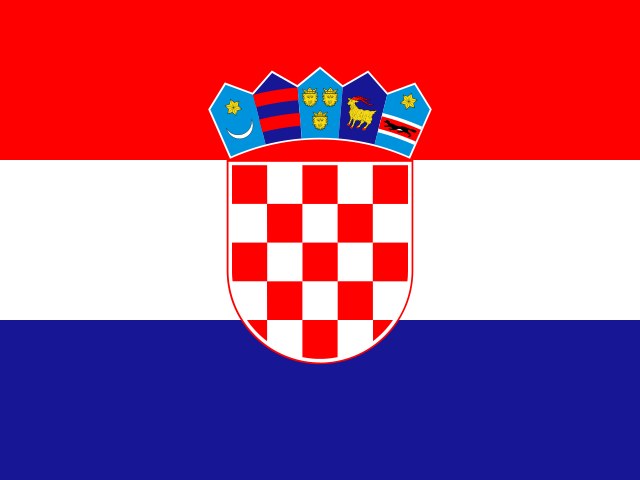 Croatia
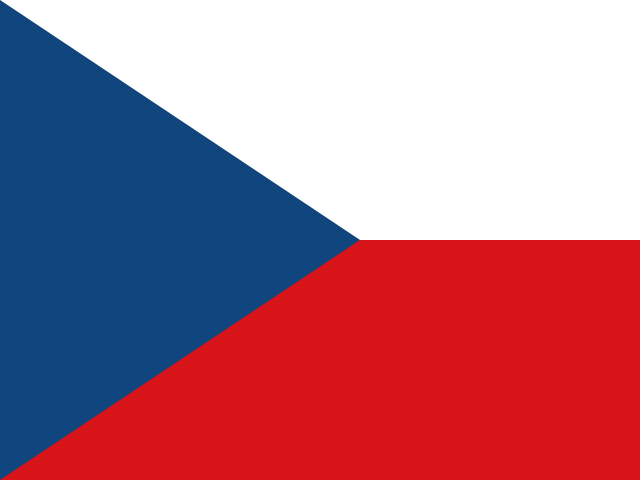 Czech Republic
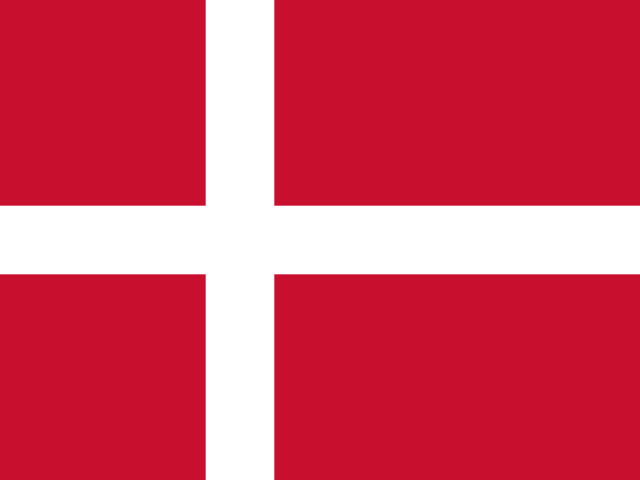 Denmark
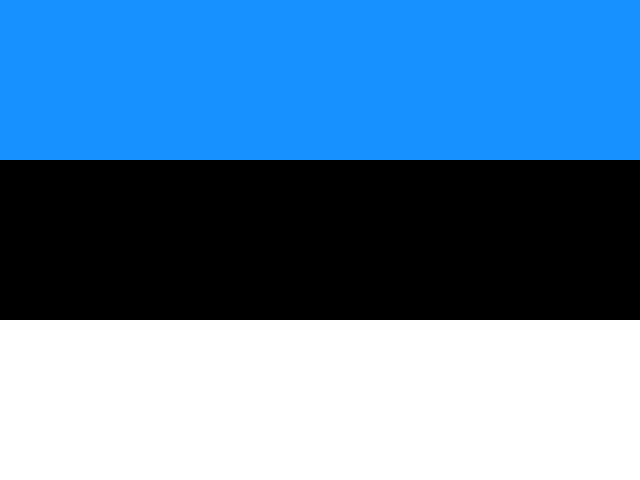 Estonia
 Finland
 France
 Germany
 Greece
 Hungary
 Iceland
 Italy
 Latvia
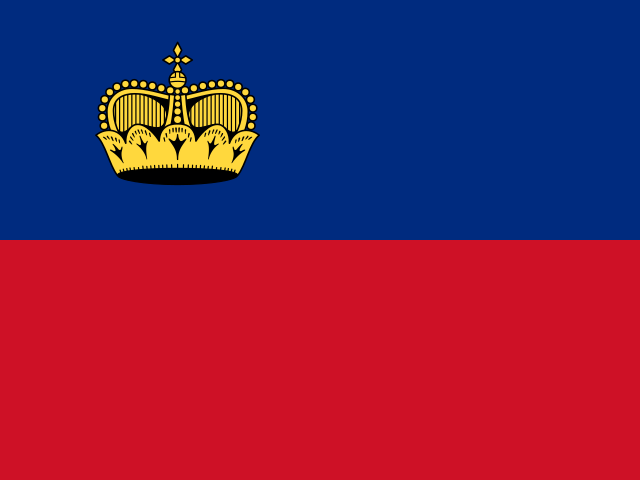 Liechtenstein
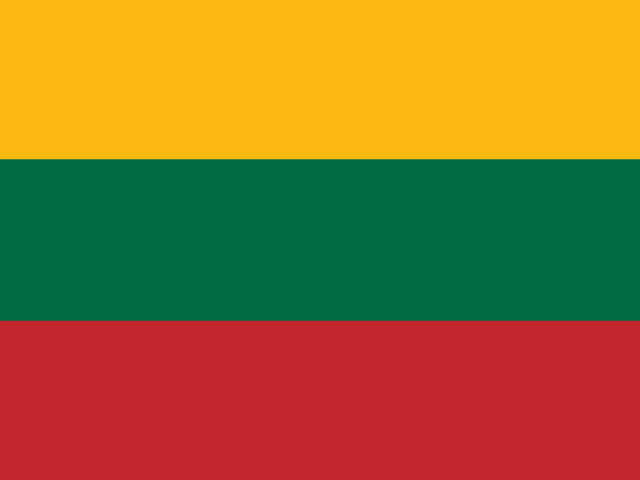 Lithuania
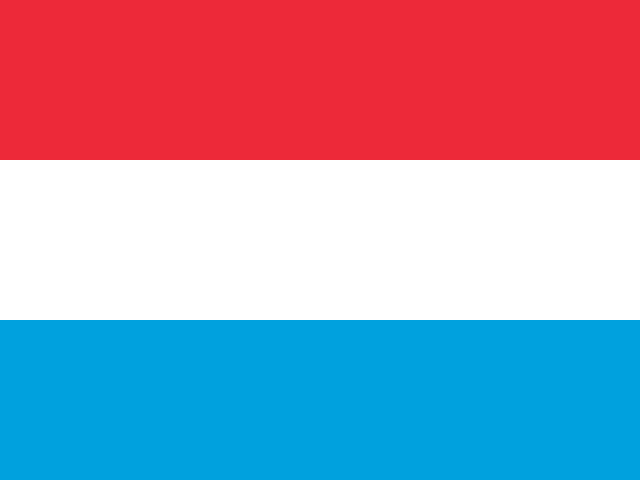 Luxembourg
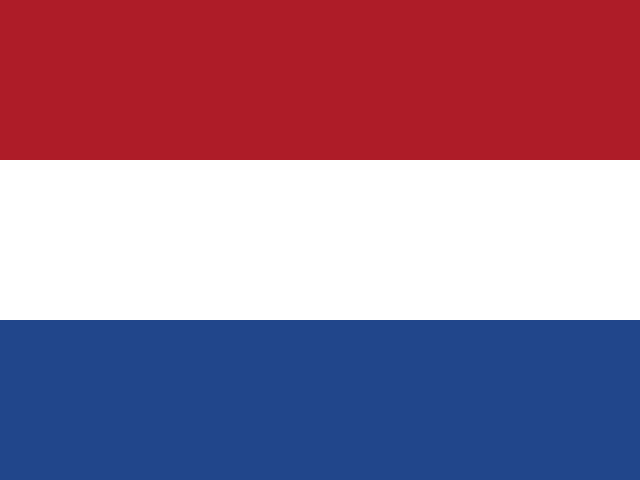 Netherlands
 Norway
 Poland
 Portugal
 Romania
 Slovakia
 Slovenia
 Spain
 Sweden
 Switzerland
- Up to 90 days in any 180
- One visa for every member
- No border checks between members
Whether you need the visa at all depends on your passport. Check the entry rules for Malta before you plan the route.
Outdoor adventures in Malta
Malta offers sandy beaches, rocky swimming spots, coastal walks and clear water for diving and snorkelling. Gozo has rural coastal scenery, while Comino offers quieter, rocky shores and a sense of isolation.
Golden Bay
BeacheNorthwest Malta
Visit the sandy beach on Malta's northwest coast.
- Apply sunblock generously in spring and summer.
Blue Grotto boat trip
More to doSouthern Malta
Take a small traditional boat with a local guide. Boats leave from a signposted pier just off the main road along the south coast.
St. Peter's Pool
BeacheDelimara, southern Maltanear Marsaxlokk
From Marsaxlokk harbour, take a small boat to a pier near the pool. The boat journey takes about 20 minutes. You can also walk over the hill in about 40 minutes.
- Cost: Boat from Marsaxlokk: €5 per person.
- Bring swimming shoes.
- Apply sunblock generously in spring and summer.
Inland Sea diving
Scuba divingGozo
Year-round; more marine life in warmer months.Reach Gozo by the 25-minute sea crossing from Cirkewwa, then visit the Inland Sea for diving.
- Water around Malta can be as cool as 14°C in February and March.
Malta reef and wreck diving
Scuba divingMalta
Year-round; warmer months for more marine life.Most dive sites are close to shore, and most dives start from the shore.
- Water temperatures range from about 14°C in February and March to 26°C in August.
Gozo snorkelling
SnorkellingGozo
Year-round; warmer months for more marine life.Take the 25-minute sea crossing from Cirkewwa to Gozo and explore its rocky coastal swimming spots.
- Water around Malta can fall to about 14°C in February and March.
- Apply sunblock generously in spring and summer.
Comino snorkelling
SnorkellingComino
Year-round; warmer months for more marine life.Snorkel around Comino's rocky coastal swimming spots.
- Water around Malta can fall to about 14°C in February and March.
- Apply sunblock generously in spring and summer.
Għajn Tuffieħa
BeacheMalta Island
Visit the bay just behind Golden Bay.
- Apply sunblock generously in spring and summer.
Mellieħa sandy beaches
BeacheMalta Islandnear Mellieħa
Use Mellieħa as the starting point for visiting the surrounding sandy beaches.
- Apply sunblock generously in spring and summer.
Gozo coastal hiking
HikeGozo
Reach Gozo by the 25-minute crossing from Cirkewwa, then explore the coast on foot.
- Apply sunblock generously in spring and summer.
- Winters can be wet and windy.
Valletta Coastal Walk
HikeMalta Islandnear Valletta
About 30 minutes. Dry weather only.Start at the mooring where the Sliema ferry leaves. Walk over the rocks towards the peninsula's tip, continue around it, and return to the city beside the Malta Experience.
- Wear proper shoes because parts of the route cross bare rock.
- Only do this walk in dry weather.
St. Thomas Bay swimming
BeacheMalta Islandnear Marsaskala
Summer.Visit the inlet about 1 km beyond Marsaskala. It has two small sandy beaches for swimming.
- Apply sunblock generously in spring and summer.
Ghallis surfing
SurfingMalta Island
Surf at Ghallis, one of Malta's named coastal surf spots.
- Apply sunblock generously in spring and summer.
Palm Beach surfing
SurfingMalta Island
Surf at Palm Beach, one of Malta's named coastal surf spots.
- Apply sunblock generously in spring and summer.
St. Thomas surfing
SurfingMalta Island
Surf at St. Thomas, one of Malta's named coastal surf spots.
- Apply sunblock generously in spring and summer.
Sailing around Malta
SailingMalta
Explore Malta's coastal scenery by sailboat.
- Apply sunblock generously in spring and summer.
Marsaxlokk bay swimming
BeacheMalta Islandnear Marsaxlokk
Use the small beach on the northeast side of Marsaxlokk bay.
- Apply sunblock generously in spring and summer.
Swimming below Fort St. Angelo
BeacheCottoneranear Birgu (Vittoriosa)
After leaving the fort, turn right and follow the little-used path along the peninsula. Go up the stairs and through the small old gateway to reach the swimming spot.
- Apply sunblock generously in spring and summer.
Airports, metros and trains in Malta
Airports with scheduled flights
- MLAMalta International AirportVallettaMain international airport
People and safety in Malta
Religion
Most people are Christian. Mostly one faith.
- Christian97%
- No religion3%
LGBT+ travellers
Legal and protected
- Same-sex couples can marry.
- Legal gender change is recognised.
- Laws protect against discrimination.
Women travellers
Ranked #30 of 181 countries for women's safety, inclusion and justice.
56% of women say they feel safe walking alone at night where they live.
Who can visit without a visa
Travellers from 93 of 198 countries can visit Malta easily: no visa, a visa at the airport, or a short online form.
- Visa not required82
- Freedom of movement11
- Visa required105
Who can visit easily, by part of the world
For each part of the world: how many countries' travellers can come easily. Easy means no visa, a visa at the airport, or a short online form.
- Europe43 of 45 countries
- Americas26 of 35 countries
- Oceania10 of 14 countries
- Asia12 of 50 countries
- Africa2 of 54 countries
Questions
Can I manage with English?
Yes. English is an official language, and virtually all Maltese citizens speak it fluently.
What is the weather like?
Summers are hot and dry. Winters are wet and windy.
How do I get from the airport to my destination?
Buses leave from outside the terminal for places including Valletta, Sliema and St. Julian's. Official taxis have fixed fares shown on a board in arrivals.
Can I get around without hiring a car?
Yes. Malta has modern buses with air conditioning, and distances are relatively short. There are no trains.
What money should I bring?
Malta uses the euro. Other major currencies are not accepted for everyday purchases, so exchange them at a bank or currency exchange office.
Is tap water safe to drink?
Yes. It may taste slightly salty because much of it is made from seawater with the salt removed.
Do I need to book the Hypogeum ahead?
Yes. Only 60 visitors are admitted each day, so book well in advance. Last-minute tickets may be available the day before at a much higher price.
What local food should I try?
Try pastizzi, which are small savoury pastries, or fenkata, a rabbit feast. Maltese bread with oil, tomato paste and toppings is another local option.
What should I wear when visiting a church?
Cover your knees and shoulders. Men should remove hats and sunglasses.
Do I have to tip parking attendants?
No. Parking tips are voluntary, even if an attendant calls them donations and insists that everyone pays. A sign will show if the parking itself requires payment.
 Reviewed by @snuck