
South America
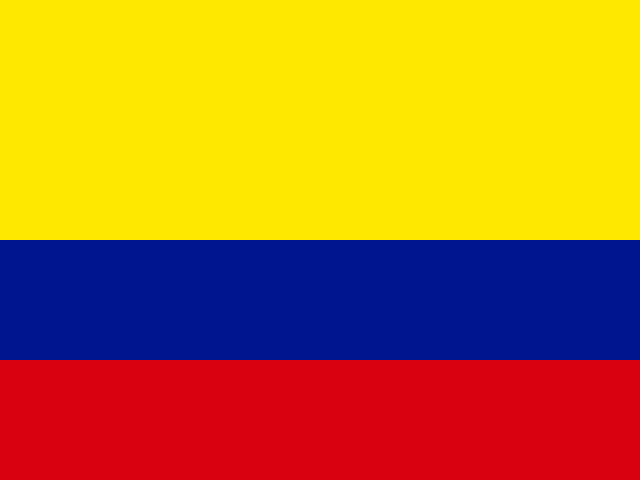 South America
ColombiaTravel guide
- Bogotá
- Barranquilla
- Cali
- Cartagena
- Manizales
- Medellín
Colombia is in northwest South America, with Caribbean and Pacific coasts. It has mountains, Amazon jungle, historic towns, beaches and lively cities. Bogotá is the capital.
Why go
Explore Bogotá's historic streets, bookstores and theatre scene.
Walk along Cartagena's old city walls.
Visit coffee plantations and mountain towns in the Coffee Triangle.
Enjoy tropical beaches or the quieter island of Providencia.
Discover salsa in Cali and the Carnival of Barranquilla.
See landscapes ranging from snowy mountains to deserts and Amazon jungle.
Best time to go: Temperatures depend more on height above sea level than the time of year. Rainy seasons vary by region, so there is no single best time for the whole country.
Getting there
By air
- International flights serve Bogotá, Medellín, Cali, Cartagena, Barranquilla and other cities.
- Colombian airlines require proof of onward travel before you board a flight into the country.
- Medellín has two airports. José María Córdova handles international and longer domestic flights, while Olaya Herrera handles regional and some domestic flights.
By land
- The Tulcán–Ipiales crossing at Rumichaca connects Ecuador and Colombia.
- The source reports that the Venezuela land border was closed as of 1 March 2026. It advises avoiding all but essential travel near that border.
- There is no road from Panama to Colombia. Small roads from Brazil and Peru do not connect to major Colombian cities or regions.
By sea
- Sailboats travel from Portobelo in Panama to Cartagena. Trips take five nights, including three days exploring the San Blas islands.
- Another route runs from Puerto Obaldia in Panama to Capurganá. From there, take a boat to Turbo for buses to Medellín and Montería.
Getting around
Domestic flights
Flying is common because mountains make journeys between cities slow. Domestic airlines include Avianca, Clic, Jetsmart Colombia, LATAM Colombia, Satena and Wingo. Some airline websites make payment difficult. You can pay at airports or official ticket offices.
Buses
Bus travel is widespread, but comfort and service vary. You can usually buy a ticket at the terminal for the next available bus. Some companies do not sell tickets more than a few hours ahead. Check when the first and last buses leave. Long trips can be slow because of mountain roads and truck traffic. Consider flying for journeys longer than five hours. High mountain routes can cause both travel sickness and altitude sickness. RedBus.co can help identify companies and estimate fares, but its displayed departure times may be wrong. Remote areas may have few roads or buses. Ask locally about safety before travelling.
Taxis
Request a taxi by phone or app instead of stopping one in the street. The source says this costs the same. Official taxi ranks at airports, bus terminals and shopping malls are also safe options. Taxi crime is a serious risk in major cities.
Driving
Drive on the right. Most cars have manual gears. Foreign visitors may drive with an international driving licence. Insurance is required. The stated speed limits are 30 kilometres per hour in residential areas, 60 in urban areas and 80 nationally. Main roads connect major Andean cities and the Caribbean coast, but many smaller roads are unpaved. Landslides during the rainy season can cause long delays or close roads for days. The driving section identifies November to February as a period of risk. There are many toll crossings.
What to see and do
Bogotá
Explore historic streets, bookstores and a busy cultural scene.
Cartagena
Walk the old city's walls and see its Spanish colonial history.
Villa de Leyva
Visit a historic town with Spanish colonial buildings.
Lost City
Reach ancient Tayrona ruins by trekking through jungle-covered mountains.
Coffee Triangle
See coffee plantations, mountain scenery and towns with a mild climate.
Providencia
Enjoy a peaceful Caribbean island retreat.
Food and drink
Arepas and buñuelos
Arepas are thick corn cakes, often made with cheese and served with butter. Buñuelos are deep-fried corn flour balls with cheese in the dough.
Tamales
Recipes vary by region. In Bogotá and central Colombia, they contain maize, pork or chicken, vegetables and eggs, steamed in plantain leaves.
Ajiaco
A Bogotá chicken soup made with three kinds of potato and herbs. It comes with rice, avocado, corn, cream and capers.
Sancocho
A filling soup with many regional versions. Chicken is common inland, while coastal versions use fish.
Bandeja paisa
A large plate of rice, beans, fried plantain, arepa, egg, sausage and pork crackling with meat attached.
Empanadas
Potato and meat wrapped in a yellow crust. Colombian versions differ from those in Mexico and Argentina.
Money
Colombian peso (COP), usually shown with the $ symbol.
- Most banks and currency exchange businesses accept major currencies such as US dollars and euros.
- If there is no price label, ask before buying. Say “¿Cuánto cuesta?” meaning “How much does it cost?”
- Bargaining is common with street sellers. The source gives 10–15% as a generally accepted reduction.
- To decline a street seller, say “gracias” and give a small wave.
Tipping: Nice restaurants generally add 10% to the bill; the source suggests adding it if absent. Taxi tips are uncommon, rounding up small bills is common, and tips for private guides are optional.
Typical costs
- Long-distance bus journeys rarely cost more than US$55 one way, according to the source.
- Road tolls are about US$3 per crossing.
- Five-night sailboat trips from Panama to Cartagena cost US$550–700 in the source.
Language
- Spanish is the official language.
- Some Indigenous communities also speak their own languages.
- An English-based Creole is spoken in San Andrés and Providencia.
- Some people know basic English, but many situations require Spanish.
- Por favor
- Please.
- Muchas gracias
- Thank you very much.
- ¿Cuánto cuesta?
- How much does it cost?
- Gracias
- Thank you; also useful when declining a street seller.
- Caminatas / excursiones
- Walks or excursions.
- La propina
- The tip.
Staying safe
- Safety varies greatly by region. Stay alert outside major cities and keep up with government travel advice.
- Avoid poorer city areas at night. Downtown areas can also have violent crime.
- Use taxis requested by phone or app, or take one from an official taxi rank.
- Stay on main roads between major cities. Avoid wandering into remote jungle areas.
Local customs
Do
- Use polite language, including “por favor” and “muchas gracias.”
- Take your cues from local people about how formally to address others.
- If showing someone's height with your hand, hold your palm sideways.
- Join in dancing if you wish; people are often happy to teach visitors.
Don't
- Avoid tactless remarks about Colombia's history of violence.
- Do not point at people or objects with your finger, as this can seem rude.
- Do not show someone's height with your palm facing down; that gesture is used for animals or objects.
- Do not assume that close or sensual dancing is an invitation to romance or sex.
Staying healthy
- Tap water is drinkable in most major cities, including Bogotá and Medellín. Use bottled water outside major cities and along the Caribbean coast.
- Avoid ice and drinks made with water that is not bottled or boiled. Ask how drinks are prepared.
- Mosquitoes in lowland areas can spread malaria, yellow fever and dengue. Use insect repellent regularly, especially in rural areas.
- The source recommends yellow fever vaccination and says it is required for entry to many national parks.
Where to stay
- Hostels are available.
- Bed and breakfasts include options meeting Western standards.
- Hotels range up to five-star properties.
- Apartments can be rented by the day.
Outdoor adventures in Colombia
Colombia has jungle treks, high volcanic mountains, wildlife-rich forests and beaches on both the Caribbean and Pacific coasts. You can explore by boat, hike with a guide, dive around an island nature reserve or relax in mountain hot springs.
Ciudad Perdida de Teyuni
TrekCaribbean coastnear Santa Marta
Trek through jungle-covered mountains near Santa Marta to reach the remains of the Tayrona city.
Tayrona National Park
BeacheCaribbean coast
Visit the national park for its coastline.
Los Nevados National Park
TrekAndesnear Manizales
Day trips to the lower areasJoin a guided day trip from Manizales. Trips usually leave at 5 AM and visit places such as Laguna Verde, the Valley of Tombs and the high mountain grasslands called páramo.
- Permit: An authorized guide is required for day trips into the lower areas.
- Visitor areas reach about 3,000–4,500 m. Spend time getting used to the altitude before your trip.
- Physical preparation is needed.
Islas del Rosario
SnorkellingCaribbean coastnear Cartagena
Day tourBook a boat tour through an agent or inside the marina in Cartagena. Tours commonly include lunch and a stop at Playa Blanca.
- Permit: A park entry fee applies.
- Cost: Some tours are advertised at about COP$50,000, with COP$15,000 extra for snorkelling. Another quoted option is COP$75,000 per seat or COP$700,000 for a private small boat. Harbour tax and park entry may be extra.
Playa Blanca
BeacheIsla Barú, Caribbean coastnear Cartagena
About 1 hour by cargo boat or 1½ hours overland; an overnight stay is suggested. Afternoons are quieter after tour boats leave.Take a round-trip tour boat from central Cartagena. Another option is a bus to Pasacaballos from Calle 30 and Carrera 17, followed by a taxi or motorcycle taxi. Cargo boats also leave Mercado Bazurto except on Sundays; arrive before 9 AM.
- Cost: The listed overland fares are COP$1,900 for the bus and COP$10,000 per person for the taxi. Cargo boat fares were about COP$20,000 each way in December 2008. Boat taxes and other fares vary.
- The central Cartagena round-trip boat option is described as safer than the cargo boat.
Isla Gorgona
Scuba divingPacific coast
Visit the island nature reserve for diving and wildlife watching.
Providencia
BeacheColombian Caribbean islands
Stay on the remote Caribbean island for a quiet coastal break.
Amacayacu National Park
WildlifeAmazon rainforest
Explore the remote rainforest park by boat.
Monserrate
HikeAndesnear Bogotá
HardHike up the mountain above Santa Fé to the Sanctuary of Monserrate. A funicular railway is an alternative way up.
Parque Arví
HikeEastern slopes of the Medellín valleynear Medellín
Take Metrocable line L, a 20-minute ride, or the Santa Elena bus from Carrera 42 and Calle 50 near Parque Berrío. Join a guided trail walk in the park.
- Cost: Park entry is free. Guided hikes cost COP$40,000 for foreigners. The Santa Elena bus costs COP$3,000, and the butterfly dome costs COP$5,000.
- Walking the trails without a guide is described as unsafe.
Lake Calima windsurfing
SurfingNear Calinear Cali
About 1½ hours' drive from CaliDrive from Cali to Lake Calima for windsurfing.
- Cost: Accommodation is quoted at about 30 dollars per night.
Birdwatching west of Cali
WildlifeWestern Andes and Pacific foothillsnear Cali
Early morningArrange a local guide and transport along the old road toward Buenaventura. Named birdwatching sites include Km 18, Finca Alejandría, San Cipriano and the Anchicayá valley.
Parque El Salado walks and zip line
More to doEnvigadonear Medellín
Take the Metro to Envigado, then the connecting bus to Parque El Salado. Walk the park paths or take the short zip-line course.
Los Yarumos eco-park
HikeAndesnear Manizales
Visit the eco-park in Manizales and follow its hiking trails and nature walks.
Cristo Rey hill
HikeCalinear Cali
Walk up the hill to the Cristo Rey statue for views over Cali.
- Do not walk alone; the area is described as unsafe.
Cerro de las Tres Cruces
HikeCalinear Cali
Sunday morningHike up the hill to the three crosses for views across Cali.
- Go only on Sundays, when military presence is generally higher because of the number of hikers.
Barranquilla to Salgar coastal ride
CyclingCaribbean coastnear Barranquilla
Cycle along the coastal road from Barranquilla to Salgar, about 20 km outside the city.
Bocas de Ceniza breakwater
HikeMagdalena River mouthnear Barranquilla
Daytime only, if visitingFollow the road to Las Flores, then gravel Calle 106 toward the breakwater. You can cycle much of the route or get a motorcycle or horse-and-cart lift, but the final kilometre or so must be walked.
- Theft and robbery at knifepoint have occurred. Many residents advise tourists to avoid the site.
- The final stretch becomes a rough scramble across rocks.
Bay of Cholon water sports and eco hikes
More to doIsla Barúnear Cartagena
Day trip or overnight stayTake a day tour from Cartagena to Sportbaru in the Bay of Cholon, or stay overnight in its beachfront cabins.
Termales del Otoño
Hot springGallinazo, near Manizalesnear Manizales
Take a taxi from Manizales, or a white-and-orange Gran Caldas bus marked Gallinazo. Buses leave the city centre and can be hailed along Avenida Kevin Ángel.
Termales Tierra Viva
Hot springGallinazo, near Manizalesnear Manizales
Take a white-and-orange Gran Caldas bus marked Gallinazo from central Manizales or along Avenida Kevin Ángel. Buses can drop visitors directly at the hot springs.
Termales del Santa Rosa
Hot springCoffee region
Entry covers the whole day. Night for the illuminated waterfallsVisit the lower or upper hot-spring pools, or stay at the hotel.
- Cost: The hotel is quoted at COP$150,000 per person, including all meals, pool entry and private wading pools.
- Upper pools are closer to the spring and have hotter water.
Termales del Nevado
Hot springManizales regionnear Manizales
Visit the hot-spring resort to soak in its pools.
- Upper pools are closer to the spring and have hotter water.
Hotel Termales del Ruiz
Hot springHighlands east of Manizalesnear Manizales
About 1½ hours from ManizalesTravel east from Manizales to this remote, high-altitude hot-spring hotel.
Motolombia mountain ATV tours
More to doMountains around Calinear Cali
Book a guided ATV tour with Motolombia in Cali. An ATV is a small, four-wheeled off-road vehicle.
Airports, metros and trains in Colombia
Airports with scheduled flights
- CLOAlfonso Bonilla Aragon International AirportCaliMain international airport
- BOGEl Dorado International AirportBogotaMain international airport
- BAQErnesto Cortissoz International AirportBarranquillaMain international airport
- ADZGustavo Rojas Pinilla International AirportSan AndrésMain international airport
- MDEJose Maria Córdova International AirportMedellínMain international airport
- CTGRafael Nuñez International AirportCartagenaMain international airport
Metro and subway
- MedellínMedellín Metro27 stations31.3 kmsince 1995
Trains
- Rail network
- 1,663 km
People and safety in Colombia
Religion
Most people are Christian. Mostly one faith.
- Christian96%
- No religion4%
- Folk religions1%
- Other<1%
LGBT+ travellers
Legal and protected
- Same-sex couples can marry.
- Legal gender change is recognised.
- Laws protect against discrimination.
Women travellers
Ranked #149 of 181 countries for women's safety, inclusion and justice.
42% of women say they feel safe walking alone at night where they live.
Who can visit without a visa
Travellers from 103 of 198 countries can visit Colombia easily: no visa, a visa at the airport, or a short online form.
- Visa not required101
- Freedom of movement2
- eVisa91
- Visa required4
Who can visit easily, by part of the world
For each part of the world: how many countries' travellers can come easily. Easy means no visa, a visa at the airport, or a short online form.
- Europe45 of 46 countries
- Americas31 of 34 countries
- Oceania9 of 14 countries
- Asia17 of 50 countries
- Africa1 of 54 countries
Questions
Do I need to speak Spanish?
Learning basic Spanish will help a lot. Some Colombians speak English, but you will encounter situations where nobody does.
What clothes should I pack?
Pack for the places you plan to visit. Coastal areas are hot and humid, while Bogotá and other highland areas can be cold enough to need a coat.
Can I buy travel tickets in person?
Yes. Bus tickets are commonly bought at terminals, and domestic flights can be paid for at airports or official ticket offices.
How should I get a taxi?
Request one by phone or app, or use an official taxi rank. The source warns against hailing taxis in the street because of taxi crime.
What money does Colombia use?
Colombia uses the Colombian peso, abbreviated COP. Prices usually use the $ symbol.
Can I drink the tap water?
Tap water is drinkable in most major cities, including Bogotá and Medellín. Use bottled water in the countryside and along the Caribbean coast.
Is Colombian food very spicy?
The source says it is much less spicy than Mexican food. Common meals include meat, rice, potatoes and avocado.
Should I leave a tip?
Nice restaurants generally add 10% to the bill, so check first. Taxi tips are uncommon, and tips for private guides are optional.
What accommodation is available?
Options include hostels, bed and breakfasts, hotels up to five stars, daily apartment rentals and private country estates.
What number should I call in an emergency?
Call 123.
 Reviewed by @snuck