
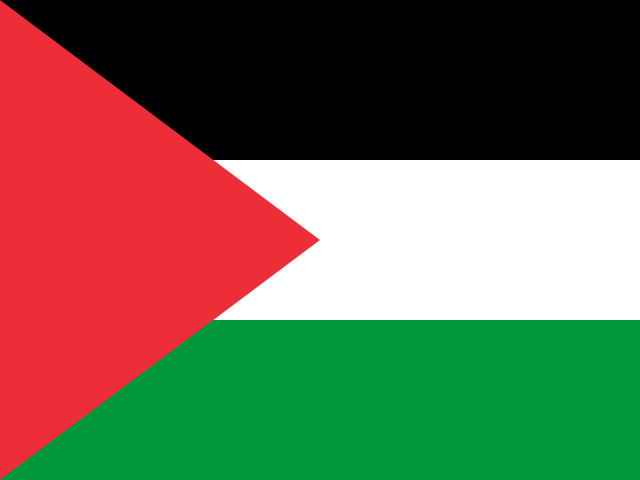
 Western Asia
The Palestinian territories consist of two separate areas: the West Bank and the Gaza Strip. They have important religious and historic sites. The source's warning, updated 17 July 2026, says no part of the region is safe for travel because of ongoing hostilities and military operations.
Why go
Bethlehem's Church of the Nativity and nearby religious sites.
Hebron's old town, holy sites and traditional crafts.
Jericho's ancient ruins and mosaic floors.
Nablus's old city and famous cheese dessert.
Getting around
Bus
Routes and operating times are limited, except around Jerusalem. Buses often wait until full before leaving. You can hail one on any road.
Shared taxi
Shared taxis are usually quicker than buses and slightly more expensive. They often wait until full before leaving. Ask the fare before taking a taxi to Taybeh village from Ramallah's bus station.
Car
A private car is a convenient way to explore the West Bank. Traffic drives on the right. Cars with green Palestinian plates can be hired in Ramallah, but the source is unclear whether foreigners may drive them. Cars with yellow plates can be hired in Jerusalem and driven in Israel and the West Bank.
What to see and do
Church of the Nativity, Bethlehem
Built over the cave traditionally believed to be Jesus's birthplace, it is sacred to Christians and Muslims.
Shepherd's Field and Solomon's Pools
Shepherd's Field is linked to the announcement of Jesus's birth. Solomon's Pools are a few kilometres outside Bethlehem.
Banksy art in Bethlehem
The city has four examples of Banksy's graffiti.
Monastery of Mar Saba
This striking monastery is near Bethlehem.
Hebron
Visit the Tomb of the Patriarchs and Matriarchs and the old town's winding alleys and markets. Pottery workshops and glass blowers show local crafts.
Jericho
Hisham's Palace has mosaic floors within the remains of a seventh-century royal complex. The Monastery of Gerasimus of the Jordan is another nearby religious sight.
Food and drink
Shawarma and falafel sandwiches
Popular foods among Palestinians.
Hummus and olives
Common foods, usually eaten with bread. Eating a meal without bread is unusual.
Mansaf
A popular dish of rice with meat, usually lamb.
Knafeh
A cheese dessert soaked in sweet syrup and topped with shredded filo pastry. Nablus is famous for its local variety.
Alcohol in restaurants
Alcohol is often available in restaurants in cities such as Ramallah. Public drunkenness can be seen as rude.
Taybeh Beer
A mild Palestinian beer with versions containing 5% and 6% alcohol. Its brewery is in Taybeh village.
Money
Israeli new shekel (ILS), written ₪ or NIS.
- One shekel is divided into 100 agorot.
- US dollars are widely accepted in tourist shops, including in Jericho and Bethlehem.
- Old banknotes are still accepted as new designs are introduced.
- The newer ₪50 note has colours similar to the older ₪20 note.
Typical costs
- Shared taxi: ₪10 per 20 km.
- Falafel sandwich: ₪5–8.
- Falafel, hummus and salad: ₪10–15 together, or ₪3–5 separately.
- Oranges, shaddock or grapefruit: ₪10 for 3 kg.
- Hostel: ₪50–70.
Language
- Palestinian Arabic is the main language.
- Many people also understand standard Arabic or Egyptian Arabic through their use in regional media.
Staying safe
- The source's warning, updated 17 July 2026, says no part of the region is safe for travel. Hostilities continue in Gaza, where food, medicine and other necessities are running short.
- Israeli military operations, including air strikes, also take place in the West Bank. Monitor local news because conditions can change suddenly.
- Carry your original passport at all times, as both Israeli and Palestinian security services may ask for it. Keep a copy hidden in your hotel room.
- Expect unexpected checkpoint delays and keep travel documents in order. Crossing on foot and taking a taxi afterwards may be quicker than crossing in a vehicle.
Local customs
Do
- Dress conservatively; men should also avoid shorts.
- Remove your shoes before entering places of worship.
- Women should cover their heads when entering a mosque. Covering the face is usually unnecessary.
- Respect local religious customs; most West Bank residents are Muslims who do not drink alcohol.
Don't
- Avoid wearing or displaying Jewish symbols, which may be viewed as hostile because of their association with the Israeli occupation.
- Avoid public drunkenness, which can be considered rude.
Staying healthy
- Drink bottled water. Be careful with local water and ice cubes.
- Outside Israeli settlements, running water is available only three days a week.
- Gaza has shortages of food, medicine and other necessities because of the conflict.
Where to stay
- Stays with Palestinian host families can be arranged through organisations.
- Inexpensive hostels are available in larger cities such as Jericho, Nablus and Ramallah.
Outdoor adventures in Palestine
The Palestinian territories have historic walking routes, desert hiking trails and a Dead Sea coastline. Travel is currently unsafe throughout the region because of ongoing hostilities and military operations, so outdoor trips should be postponed.
The Nativity Trail
Trek
The route follows the journey of Joseph and Mary from Nazareth to Bethlehem. Consider hiring a local guide when conditions allow travel. Postpone the trek while the region is unsafe.
- Military operations and violence can affect travel.
- Checkpoints can cause unexpected delays.
Abraham's Path
Trek
Walk the Palestinian branch of this international route when conditions allow travel. Consider hiring a local guide. Postpone the walk while the region is unsafe.
- Monitor local news because security conditions can change suddenly.
- Keep away from political demonstrations.
Judaean Desert hiking trails
HikeJudaean Desert
Consider a local guide for the desert trails when conditions allow travel. No specific trailhead or transport connection is identified. Postpone hiking while the region is unsafe.
- Military operations can affect travel in the West Bank.
- Security conditions can change suddenly.
Dead Sea coastline
BeacheWest Bank
The West Bank has a Dead Sea coastline, but no specific beach entrance or transport connection is identified. Postpone a visit while the region is unsafe.
- No part of the region is currently safe for travel.
- Travel controls and checkpoints can cause unexpected delays.
People and safety in Palestine
Religion
Most people are Muslim. Mostly one faith.
- Muslim98%
- Christian2%
LGBT+ travellers
Legal
- Same-sex couples can form civil unions, but not marry.
- Legal gender change is not recognised.
- Some laws protect against discrimination.
Women travellers
Ranked #167 of 181 countries for women's safety, inclusion and justice.
56% of women say they feel safe walking alone at night where they live.
Who can visit without a visa
Travellers from 184 of 198 countries can visit Palestine easily: no visa, a visa at the airport, or a short online form.
- Visa not required184
- Visa required14
Who can visit easily, by part of the world
For each part of the world: how many countries' travellers can come easily. Easy means no visa, a visa at the airport, or a short online form.
- Europe46 of 46 countries
- Oceania14 of 14 countries
- Americas34 of 35 countries
- Africa50 of 54 countries
- Asia40 of 49 countries
Questions
Is it safe to visit?
The source's warning, updated 17 July 2026, says no part of the region is safe for travel. It reports continuing hostilities in Gaza and Israeli military operations in the West Bank.
Are the West Bank and Gaza connected?
They are two physically separate areas of the Palestinian territories.
What money should I carry?
The local currency is the Israeli new shekel. US dollars are also widely accepted in tourist shops, including in Jericho and Bethlehem.
How do shared taxis work?
They often wait until full before leaving. They are usually quicker than buses and slightly more expensive.
What language do people speak?
Palestinian Arabic is the main language. Many people also understand standard Arabic or Egyptian Arabic.
Can I drink the tap water?
The source recommends bottled water and warns about local water, including ice cubes.
What should I wear at religious sites?
Dress conservatively and remove your shoes before entering places of worship. Women should cover their heads in mosques, but usually do not need to cover their faces.
What food is common?
Shawarma, falafel, hummus and olives are popular. Bread is a normal part of meals, and Nablus is famous for knafeh, a sweet cheese dessert.
What accommodation is available?
Host-family stays can be arranged through organisations. Larger cities such as Jericho, Nablus and Ramallah have inexpensive hostels.
What electricity supply is used?
The supply is 230 volts at 50 hertz. The source lists Europlug, Type H and BS 546 plugs.
 Reviewed by @snuck