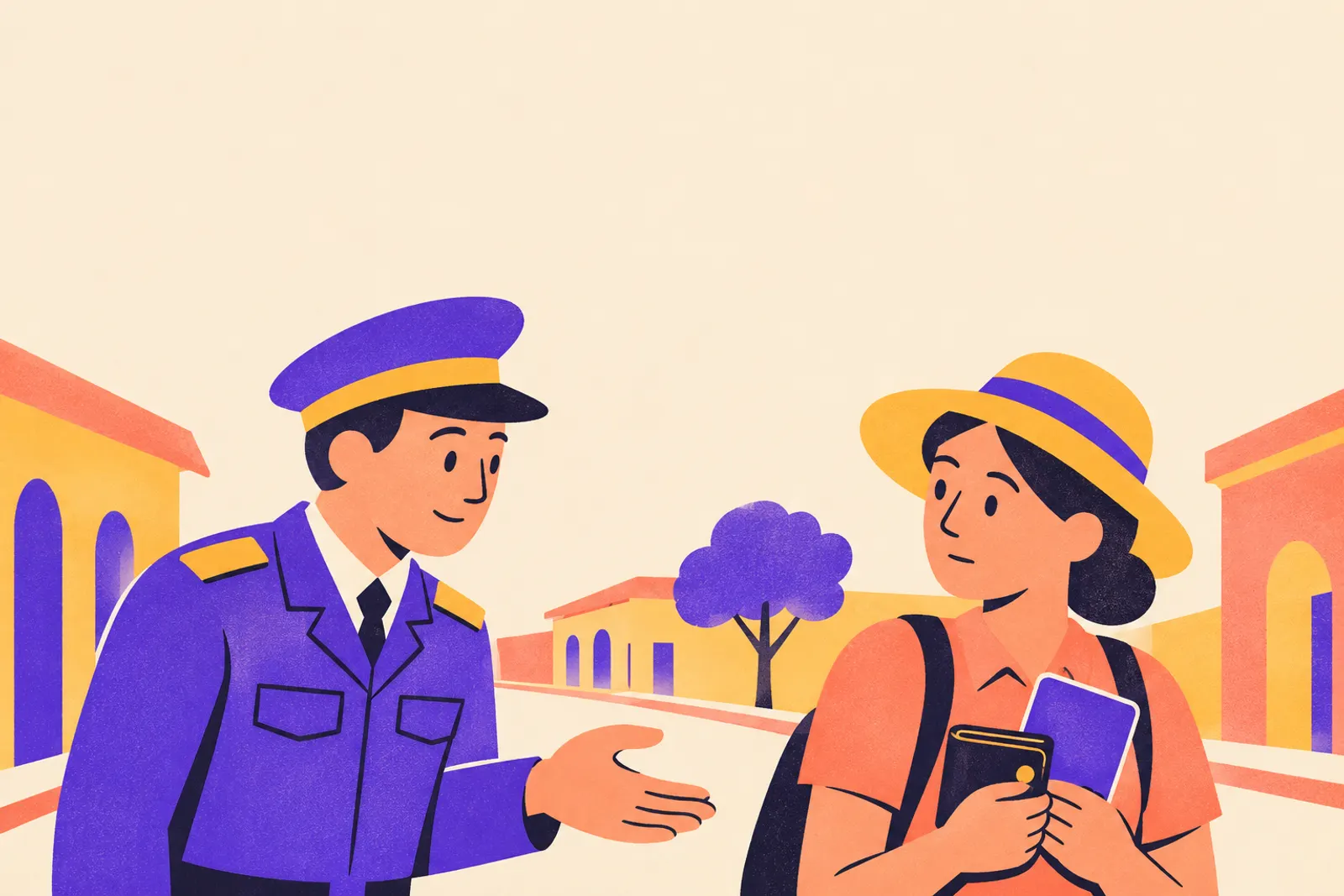
Scam in Ivory CoastFake officials
Demands for bribes at military checkpoints in Ivory Coast
How it works
An officer may pressure a traveller for an unofficial payment during a checkpoint stop. Bribes are described as commonplace in Abidjan, especially when travelling in a private car. A checkpoint stop alone does not mean someone is trying to obtain a bribe.
Warning signs
- An officer asks for money without clearly explaining an official charge.
- A demand for payment comes without a receipt or formal process.
How to avoid it
- Stay calm and respectful during checks.
- Keep travel documents accessible.
- Ask politely what a payment is for and whether an official receipt is available.
- Allow extra journey time so delays do not pressure you into paying quickly.
If it happens to you
Avoid an argument or physical resistance. If safe, ask for the officer's details and an official receipt. Once away from the checkpoint, write down what happened and seek advice from your embassy or the police.
- Get somewhere safe. Leave any confrontation and do not chase a thief or resist an armed attacker.
- Check what is missing. If cards or a phone were stolen, block cards and secure affected accounts as soon as possible.
- Save useful evidence. Keep receipts, booking records and messages. Write down the time, location, vehicle details and what happened.
- Report the incident to the police. Ask for a report or reference number if one is available.
- Contact your embassy or consulate if your passport was stolen, you were threatened or you need help dealing with local authorities.
- Contact your insurer and any relevant payment provider promptly. Explain what happened and ask what evidence they need.
What travellers report
Posts about this scam on other sites, summarised in our words. Open one to read the original.
- Web2015Côte d’Ivoire: Extortion by Security ForcesHuman Rights Watch documented soldiers, gendarmes and police demanding daily payments from drivers at checkpoints and detaining those who refused.Read on Web
- Web2010Afraid and ForgottenHuman Rights Watch reported systematic checkpoint extortion by government security forces and rebel forces, with drivers and passengers compelled to pay bribes.Read on Web
Questions
What is the demands for bribes at military checkpoints scam in Ivory Coast?
An officer may pressure a traveller for an unofficial payment during a checkpoint stop. Bribes are described as commonplace in Abidjan, especially when travelling in a private car. A checkpoint stop alone does not mean someone is trying to obtain a bribe.
How can I spot it early?
An officer asks for money without clearly explaining an official charge. A demand for payment comes without a receipt or formal process.
How do I avoid demands for bribes at military checkpoints in Ivory Coast?
Stay calm and respectful during checks. Keep travel documents accessible. Ask politely what a payment is for and whether an official receipt is available. Allow extra journey time so delays do not pressure you into paying quickly.
What should I do if it happens to me?
Avoid an argument or physical resistance. If safe, ask for the officer's details and an official receipt. Once away from the checkpoint, write down what happened and seek advice from your embassy or the police.
Where in Ivory Coast does this happen?
Military checkpoints in Abidjan and on intercity roads. It has been reported in Abidjan.
How common is this scam in Ivory Coast?
Common. The main tourist risks described for Côte d'Ivoire are taxi overcharging, demands for bribes at checkpoints, pickpocketing and carjacking. Most specific warnings concern Abidjan, especially airport taxis, crowded transport areas and driving late at night. The airport itself has improved security and a better reputation than before.
Who can I report it to?
Police: report theft, threats, carjacking or fraud at a police station once you are safe. Bring any evidence and ask for a report or reference number. Your embassy or consulate: use its official contact details for help with a stolen passport, serious threats or concerns about an encounter with officials. Your bank or card issuer: use the official banking app or a verified contact number to block stolen cards and report unauthorised transactions. Travel insurer: contact the insurer through its official claims channel. Keep police paperwork, receipts and evidence of the loss.
 Reviewed by @snuck