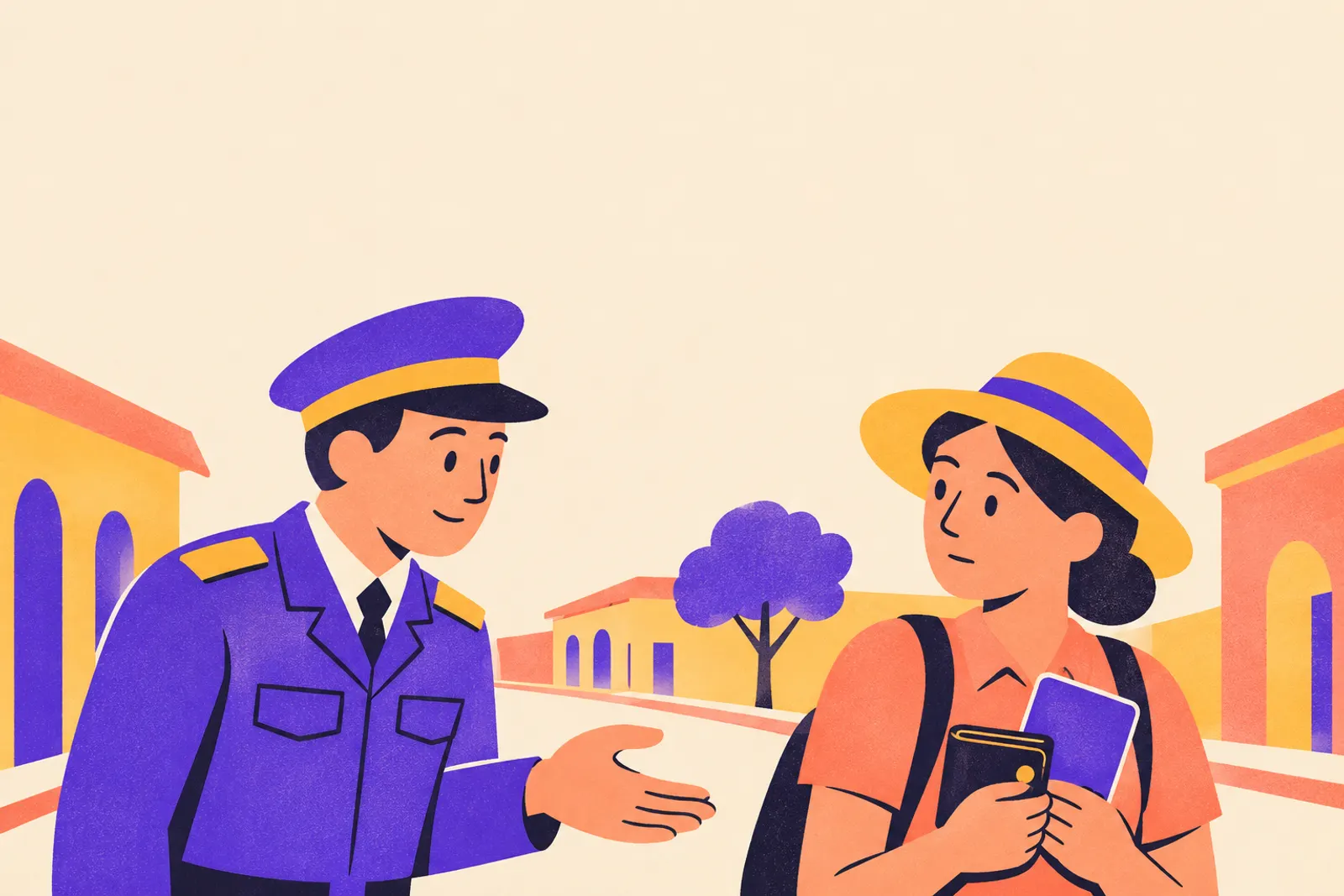
Scam in UkraineFake officials
Document checks used to seek bribes in Ukraine
How it works
Past accounts describe police using elaborate passport or prohibited-item checks to create pressure for a bribe. Older customs accounts mention surrendering an item and paying a supposed fine. There are no recent reports of official corruption affecting tourists.
Warning signs
- A document check becomes threatening or unusually theatrical.
- An official seeks an informal payment to settle the issue.
How to avoid it
- Carry your passport.
- Follow local rules, including road-crossing rules.
- Avoid drinking in the street.
- Stay calm and request embassy contact if needed.
If it happens to you
Avoid arguing. Ask for the matter to be handled formally and report suspected corruption to police online when safe.
- Move to a safe, staffed place. Avoid chasing anyone or escalating a confrontation.
- Check what is missing. If cards or your phone were stolen, contact the relevant providers and secure your accounts.
- Save receipts, messages and transaction records. Write down the time, location and a description of what happened.
- Report the scam or theft to police. Request a report or reference number for insurance or bank claims.
- Contact your embassy or consulate if your passport is missing, you are detained or you need help finding assistance.
- Contact your insurer and card issuer where relevant. If fake alcohol may have caused poisoning, seek urgent medical help.
Questions
What is the document checks used to seek bribes scam in Ukraine?
Past accounts describe police using elaborate passport or prohibited-item checks to create pressure for a bribe. Older customs accounts mention surrendering an item and paying a supposed fine. There are no recent reports of official corruption affecting tourists.
How can I spot it early?
A document check becomes threatening or unusually theatrical. An official seeks an informal payment to settle the issue.
How do I avoid document checks used to seek bribes in Ukraine?
Carry your passport. Follow local rules, including road-crossing rules. Avoid drinking in the street. Stay calm and request embassy contact if needed.
What should I do if it happens to me?
Avoid arguing. Ask for the matter to be handled formally and report suspected corruption to police online when safe.
Where in Ukraine does this happen?
Kyiv tourist areas at night, including Maydan. Customs officials are also mentioned in older accounts. It has been reported in Kyiv.
How common is this scam in Ukraine?
Occasional. Tourist scams and robberies are fairly common in Ukraine, especially in Kyiv, where pickpocketing and the wallet or found-money scam are concerns. Other risks include dishonest currency exchanges, fake police, baggage theft and fake alcohol; petty crime is described as lower in Lviv. Ukraine is at war, so this scam guide does not cover all travel risks.
Are there similar scams in Ukraine?
Yes: fake police approaches.
Who can I report it to?
Police: report theft, robbery or fraud at a police station. Bring any receipts, messages and transaction details, and request a report reference. Police online: report suspected official corruption online. No reporting address is provided. Your embassy or consulate: use the contact details and emergency number saved before your trip. Seek help with detention, a stolen passport or serious difficulties. Card issuer or bank: use the official banking app or a verified contact number to block stolen cards and report unauthorized transactions. Station staff or baggage-storage staff: report missing stored baggage immediately. Provide the locker number, storage receipt and approximate time. Travel insurer: contact the insurer through its official claims channel. Keep police reports, receipts and evidence of the loss.
 Reviewed by @snuck