Scam in FijiShopping
Personal questions leading to overpriced souvenirs in Fiji
How it works
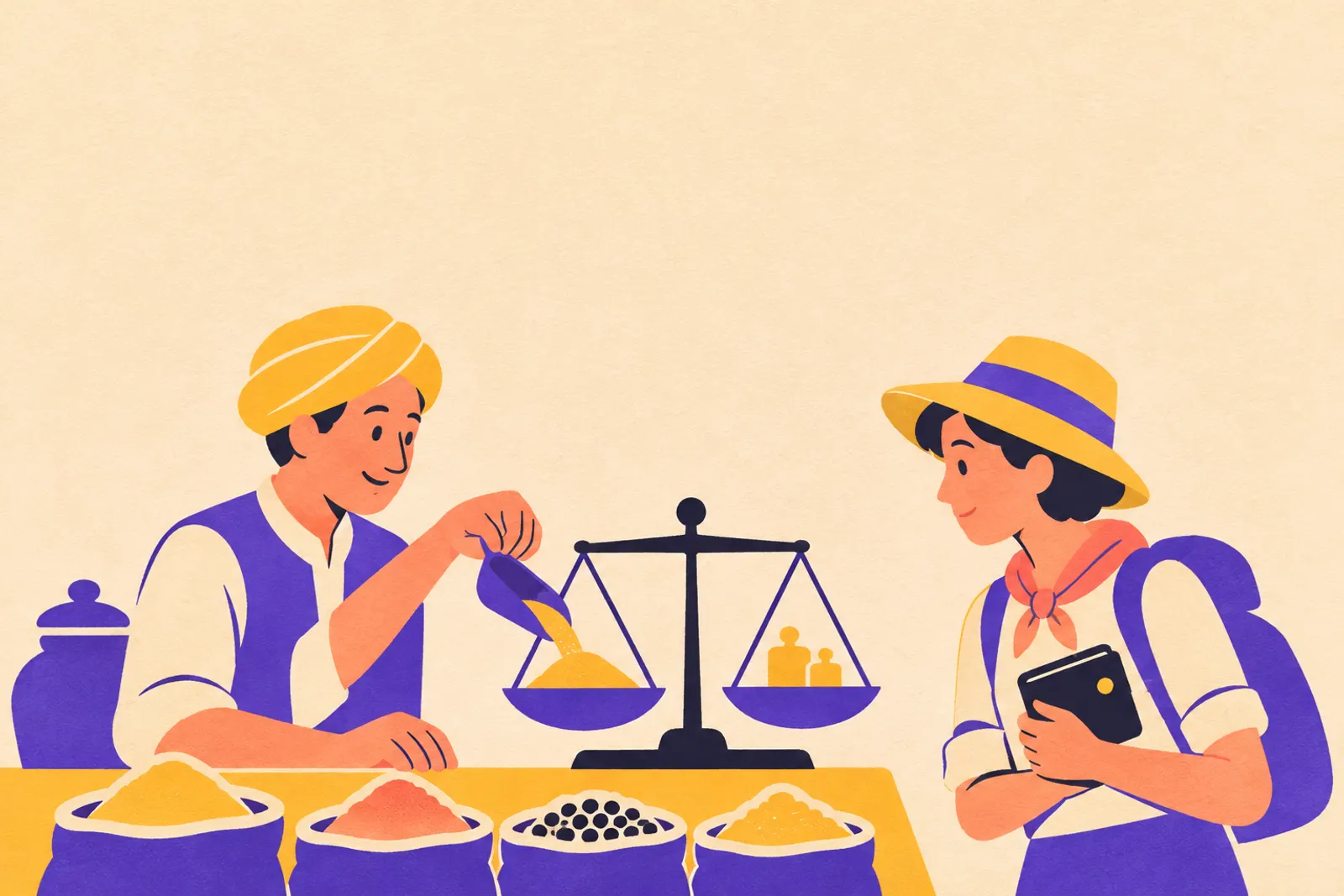
Someone asks your name and country, then tries to lead you to a shop. They offer souvenirs at heavily inflated prices and may say they made the goods themselves.
Warning signs
- A stranger asks your name and country, then quickly suggests a shop visit.
- They want you to follow them to another location.
- They push you to buy a supposedly handmade souvenir.
How to avoid it
- Decline unsolicited invitations to shops.
- Choose shops yourself and compare prices.
- Do not feel obliged to buy because someone has been friendly.
- Leave if the sales pressure makes you uncomfortable.
If it happens to you
Decline the purchase and leave. If you already paid, keep any receipt and ask for a refund if it feels safe.
- Get somewhere safe. If threatened, do not fight over money or belongings.
- Seek medical help promptly if you are injured or have been assaulted.
- Block stolen cards and secure any accounts accessible from a stolen phone.
- Write down what happened. Keep receipts, messages, payment records and useful identifying details.
- Report the incident to police. Ask for a report reference or written record if available.
- Contact your insurer. If your passport was stolen, contact your embassy or consulate for help replacing it.
What travellers report
Posts about this scam on other sites, summarised in our words. Open one to read the original.
- Travel blog2015How To Avoid Scams in FijiThe guide reports tourists in Nadi and Suva being asked their names before unsolicited sword carvings prompted demands of up to FJ$50.Read on Travel blog
- Redditr/travel2022Visited Morocco, the people really let me down.A commenter recounts a Fiji shopkeeper asking their name, carving it incorrectly onto an unwanted statue and demanding AU$150.Read on Reddit
Questions
What is the personal questions leading to overpriced souvenirs scam in Fiji?
Someone asks your name and country, then tries to lead you to a shop. They offer souvenirs at heavily inflated prices and may say they made the goods themselves.
How can I spot it early?
A stranger asks your name and country, then quickly suggests a shop visit. They want you to follow them to another location. They push you to buy a supposedly handmade souvenir.
How do I avoid personal questions leading to overpriced souvenirs in Fiji?
Decline unsolicited invitations to shops. Choose shops yourself and compare prices. Do not feel obliged to buy because someone has been friendly. Leave if the sales pressure makes you uncomfortable.
What should I do if it happens to me?
Decline the purchase and leave. If you already paid, keep any receipt and ask for a refund if it feels safe.
Where in Fiji does this happen?
Places where strangers approach visitors in Suva and lead them to shops. It has been reported in Suva.
How common is this scam in Fiji?
Common. Tourist scams in Fiji include overpriced souvenirs, pushy sellers, misleading free offers and taxi fares that cost more than a metered ride. Pickpocketing and petty theft also occur, while more serious robbery is a concern after dark, especially in Suva and the outer suburbs of Suva and Nadi.
Are there similar scams in Fiji?
Yes: pushy market selling.
Who can I report it to?
Police in Nadi: there is a police station in the centre of Queens Road. Take any receipts, incident notes and identifying details you have. Local police elsewhere in Fiji: report theft, robbery, threats or assault to local police. Ask hotel staff to help you find a station if needed. Police responses can sometimes be limited. Village chief: if a small item has been taken as borrowing in a village, speak with the chief. They may help arrange its return. Card issuer or bank: use its official app or verified contact details to block stolen cards and report unauthorised payments. Travel insurer: use the claims or assistance contact in your policy. Keep receipts and any police report details. Your embassy or consulate: use its official contact details for help with a stolen passport or a serious incident.
 Reviewed by @snuck