Scam in PakistanShopping
Poor-quality goods sold at high prices in Pakistan
How it works
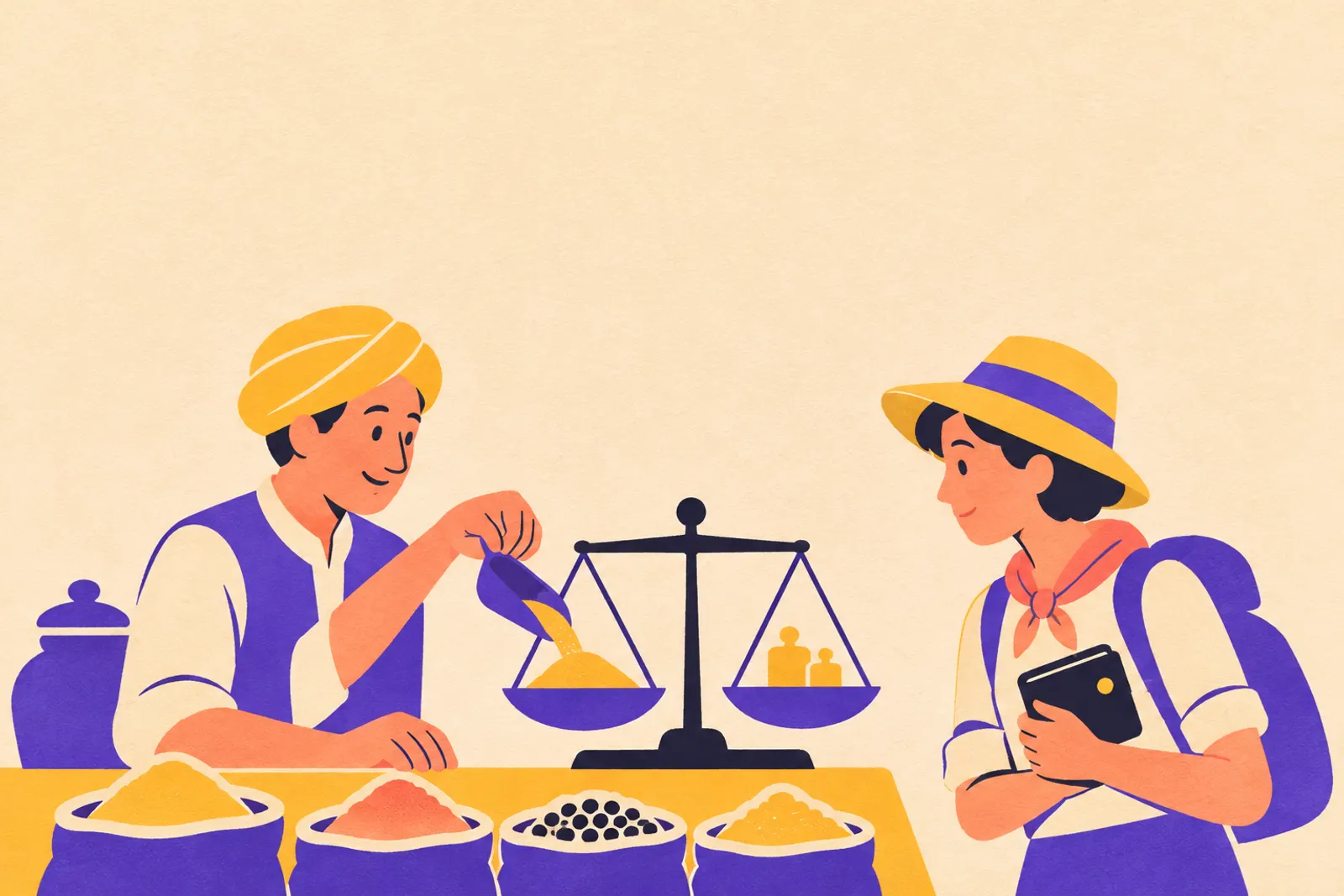
Some sellers charge high prices for goods of poor quality. Shoppers who do not know the product or normal price are easier to mislead.
Warning signs
- The item has visible faults or poor finishing.
- The seller discourages you from checking it.
- Similar goods nearby cost much less.
How to avoid it
- Inspect the exact item before paying.
- Test goods where practical.
- Compare both quality and price at other shops.
- Ask a trusted local to help judge the purchase.
If it happens to you
Keep the item, receipt, and any messages about its quality. Ask the seller for a refund or replacement.
- Get to a safe, staffed public place. Do not chase a thief or continue a confrontation.
- Check what is missing. Freeze stolen cards, contact your card issuer, and secure or remotely lock a stolen phone.
- Save receipts, booking details, messages, and photos. Write down the time, place, amount, and a description of what happened.
- Report theft, threats, or fraud to the police. Ask for a report or reference number and keep a copy.
- Contact your embassy or consulate if your passport is missing or you need urgent assistance. Tell your insurer and any booking or payment provider involved.
What travellers report
Posts about this scam on other sites, summarised in our words. Open one to read the original.
Questions
What is the poor-quality goods sold at high prices scam in Pakistan?
Some sellers charge high prices for goods of poor quality. Shoppers who do not know the product or normal price are easier to mislead.
How can I spot it early?
The item has visible faults or poor finishing. The seller discourages you from checking it. Similar goods nearby cost much less.
How do I avoid poor-quality goods sold at high prices in Pakistan?
Inspect the exact item before paying. Test goods where practical. Compare both quality and price at other shops. Ask a trusted local to help judge the purchase.
What should I do if it happens to me?
Keep the item, receipt, and any messages about its quality. Ask the seller for a refund or replacement.
Where in Pakistan does this happen?
Bazaars and street vendors in Karachi. It has been reported in Karachi.
How common is this scam in Pakistan?
Common. The main tourist traps in Pakistan are inflated taxi and rickshaw fares, higher shopping prices for foreigners, and pressure from airport touts. Other risks include poor-quality goods sold at high prices, refilled water bottles, pickpockets in crowded parts of Lahore, and bag snatching in Karachi. Agree prices early, check what you buy, and keep your cash and phone secure.
Are there similar scams in Pakistan?
Yes: higher shopping prices for visitors, the 'no change' claim, rickshaw shopping detours.
Who can I report it to?
Police: report theft, threats, or fraud at a police station. Ask for a written report or reference number. For emergencies, police helpline 15 is listed; the country-wide instructions specify calling from a landline. Airport staff: for a porter dispute or pressure from touts, seek help at a staffed airport desk. Give the location and explain what was agreed or paid. Card issuer or bank: use your bank's app or official contact number to freeze missing cards and report disputed payments. Embassy or consulate: use its official emergency contact details for passport loss, serious threats, or difficulty obtaining help. Keep these details available before travelling. Insurer or booking provider: contact the provider through its official support channel. Keep receipts, evidence, and any police report for a claim or payment dispute.
What number do I call in an emergency in Pakistan?
Police; country-wide instructions specify a landline: 15, Ambulance; landline or mobile: 115, Ambulance and emergency rescue; Rescue 1122: 1122, Police rescue from a cellphone in Faisalabad only: 911.
 Reviewed by @snuck