Scam in NamibiaTaxis
Shared-taxi fare overcharging in Namibia
How it works
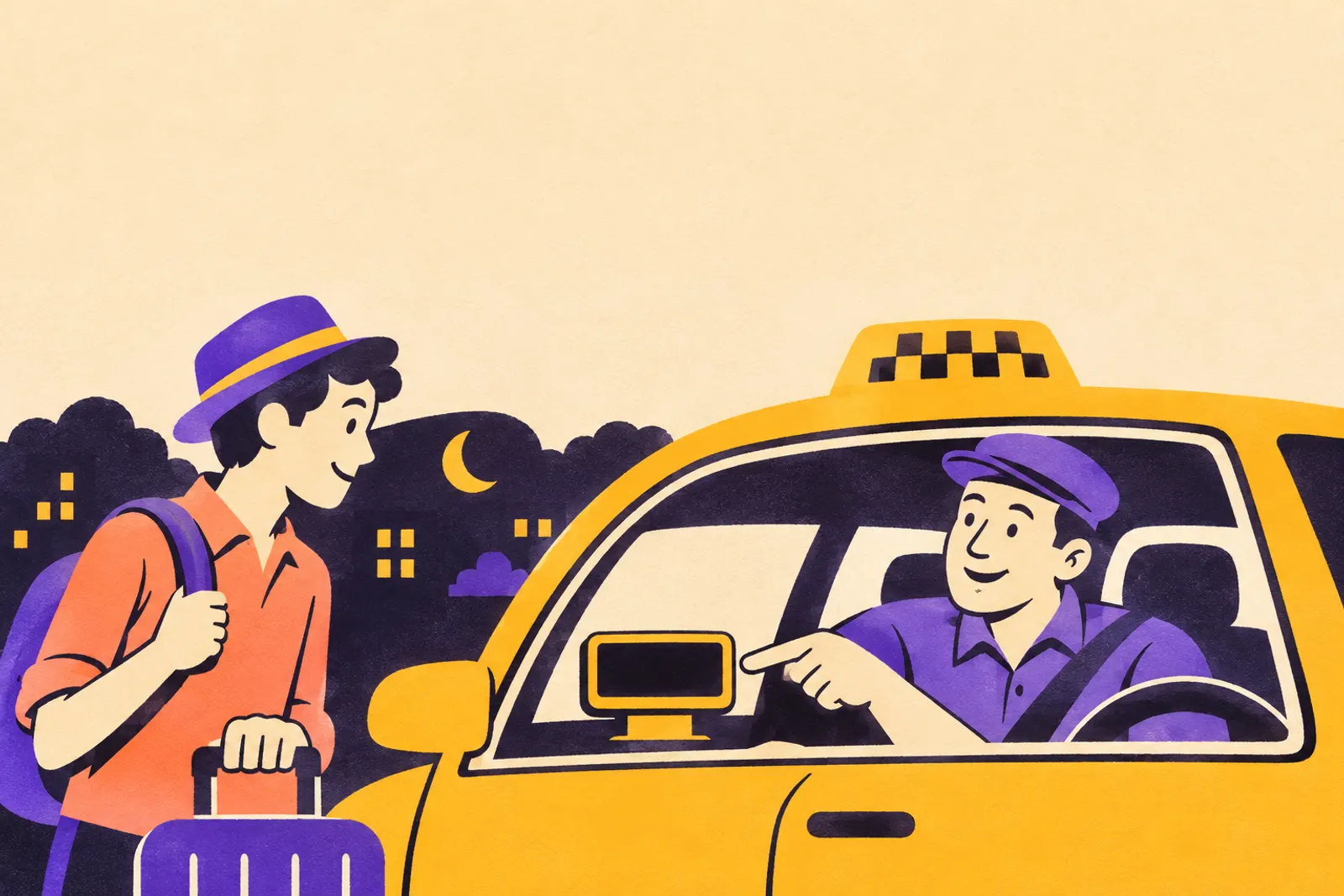
Shared-taxi fares are regulated and are not open to bargaining. Some drivers charge tourists more because they do not know the standard fare.
Warning signs
- The quoted fare is higher than the standard fare you checked.
- The driver tries to bargain over a regulated shared-taxi fare.
How to avoid it
- Check the standard fare with your accommodation before travelling.
- Confirm the fare before getting in.
- Check whether you are taking a shared taxi or a dedicated radio taxi.
If it happens to you
Question the charge calmly if it is safe. Keep the journey details and report suspected fraud to police. Leave the situation if the driver becomes threatening.
- Get to a safe place. Do not chase a thief or resist a robbery.
- Freeze or block missing cards immediately. Tell your card issuer about any suspicious transactions.
- Write down what happened, including the time, place and any vehicle details you can safely remember. Save receipts and messages.
- Report the incident to police and ask for a report reference or copy.
- Contact your insurer. If a passport was stolen, contact your embassy or consulate. Tell the rental company if its vehicle was involved.
What travellers report
Posts about this scam on other sites, summarised in our words. Open one to read the original.
- WebWikivoyageNamibia – Travel guide at WikivoyageThe community travel guide explicitly warns that shared-taxi drivers may overcharge tourists unfamiliar with regulated fares.Read on Web
- News2026Bus and taxi association warns operators against overcharging passengersNamibia's bus and taxi association warns operators against overcharging after passengers questioned purported fare increases, although the report does not identify tourists specifically.Read on News
Questions
What is the shared-taxi fare overcharging scam in Namibia?
Shared-taxi fares are regulated and are not open to bargaining. Some drivers charge tourists more because they do not know the standard fare.
How can I spot it early?
The quoted fare is higher than the standard fare you checked. The driver tries to bargain over a regulated shared-taxi fare.
How do I avoid shared-taxi fare overcharging in Namibia?
Check the standard fare with your accommodation before travelling. Confirm the fare before getting in. Check whether you are taking a shared taxi or a dedicated radio taxi.
What should I do if it happens to me?
Question the charge calmly if it is safe. Keep the journey details and report suspected fraud to police. Leave the situation if the driver becomes threatening.
Where in Namibia does this happen?
Shared taxis within towns and between towns.
How common is this scam in Namibia?
Occasional. Theft is a concern in Namibia, and pickpockets can target visitors. Travellers should also watch for shared-taxi overcharging, ATM card traps and robberies involving taxi drivers. Exact scam frequencies are not available.
Who can I report it to?
Police: report theft, robbery or suspected fraud at a police station. Give the details you recorded and ask for a report reference or copy. Card issuer or bank: use the official banking app or a trusted contact number to block a missing or trapped card and report suspicious transactions. Embassy or consulate: contact your country's embassy or consulate through its official contact details if your passport is stolen or you need consular help. Travel insurer: contact the insurer through your policy's assistance channel. Keep police reports, receipts and other evidence for a claim. Rental company: use the contact details in your rental agreement if the vehicle is stolen or involved in a robbery.
 Reviewed by @snuck