Scam in CongoTaxis
Taxi fare disputes in Congo
How it works
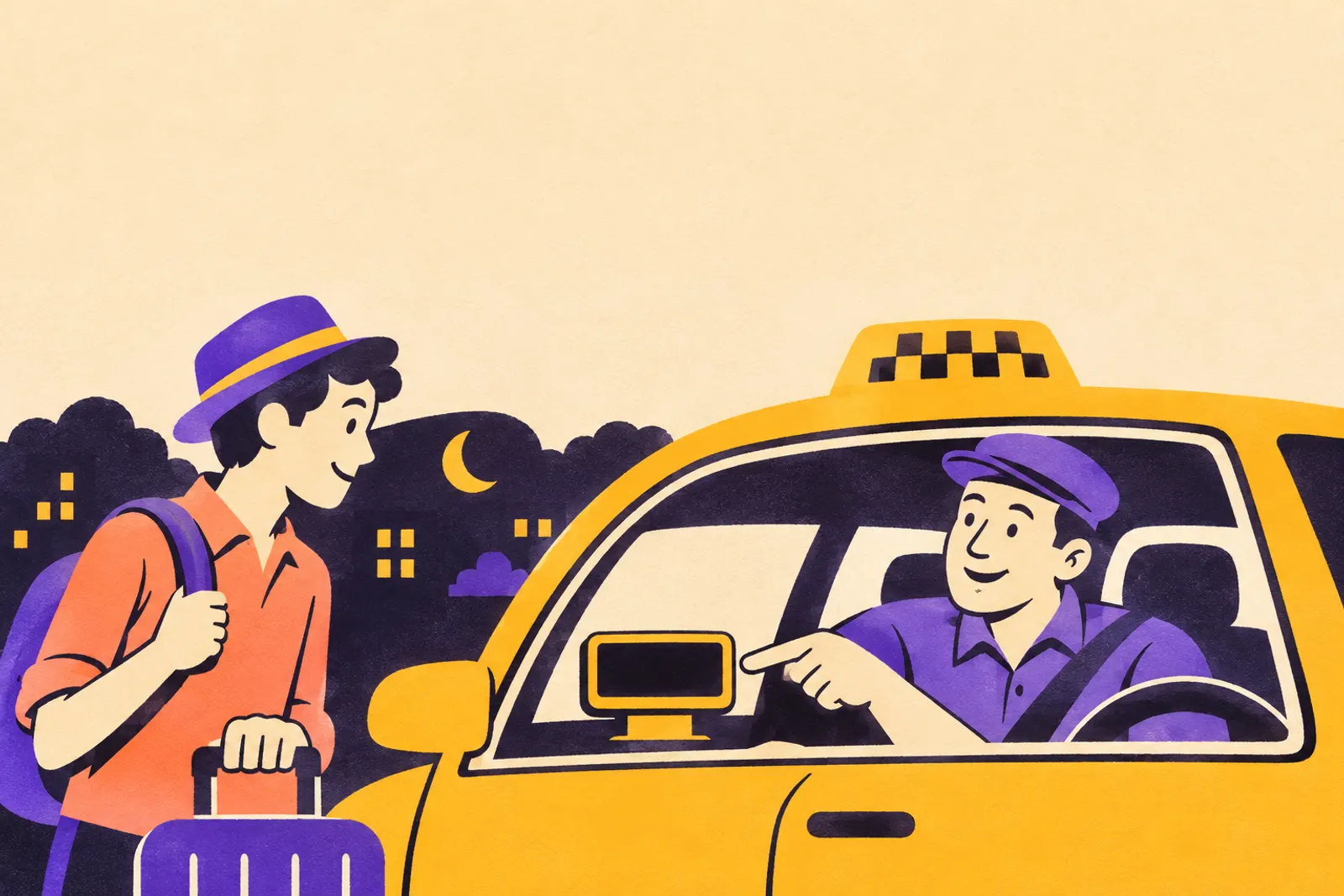
Taxis have no meters. If you start a journey without agreeing on the fare, you leave the price open to dispute. In Pointe-Noire, shared rides and direct trips have different prices, so make sure you agree on which service you want.
Warning signs
- The driver wants to leave before agreeing on a price.
- You and the driver have not agreed whether the trip is shared or direct.
- The quoted price or service changes before departure.
How to avoid it
- Agree on the total fare before getting in.
- Confirm the destination and whether the taxi will collect other passengers.
- Ask your accommodation to help negotiate if you cannot discuss the fare in French.
- Keep small notes ready so you can pay the agreed amount.
If it happens to you
Stay calm and repeat the agreed fare. If the dispute continues, seek help at your accommodation or another staffed public place. Avoid a confrontation.
- Move to a safe, staffed place. Avoid chasing anyone or escalating an argument.
- Write down what happened, including the time, location, amount and any description you remember.
- Keep receipts, booking records and screenshots. Gather evidence only when it is safe.
- If a card or phone was stolen, contact your card issuer and secure your accounts promptly.
- Report theft or fraud to local police. Ask for a report or reference number if available.
- Contact your insurer about a claim. If your passport was stolen, contact your embassy or consulate.
What travellers report
Posts about this scam on other sites, summarised in our words. Open one to read the original.
- News2025Transport : les taximen à l’aéroport de Pointe-Noire abusent des passagersThe newspaper reports frequent heated disputes at Pointe-Noire airport as taxi drivers demand fares above agreed official prices and prevent competing drivers from collecting passengers.Read on News
- Travel blogCongo Brazzaville: Guía para Viajar por LibreThe traveller reports that drivers initially requested inflated fares, sometimes twice the usual price, and that both motorcycle taxis and car taxis required bargaining.Read on Travel blog
- Government adviceRepublic of Congo (Brazzaville) travel adviceCanadian travel advice recommends negotiating taxi fares in advance or requesting the meter and carrying small bills, although it does not describe a specific fare dispute.Read on Government advice
Questions
What is the taxi fare disputes scam in Congo?
Taxis have no meters. If you start a journey without agreeing on the fare, you leave the price open to dispute. In Pointe-Noire, shared rides and direct trips have different prices, so make sure you agree on which service you want.
How can I spot it early?
The driver wants to leave before agreeing on a price. You and the driver have not agreed whether the trip is shared or direct. The quoted price or service changes before departure.
How do I avoid taxi fare disputes in Congo?
Agree on the total fare before getting in. Confirm the destination and whether the taxi will collect other passengers. Ask your accommodation to help negotiate if you cannot discuss the fare in French. Keep small notes ready so you can pay the agreed amount.
What should I do if it happens to me?
Stay calm and repeat the agreed fare. If the dispute continues, seek help at your accommodation or another staffed public place. Avoid a confrontation.
Where in Congo does this happen?
Taxis across the country
How much can it cost me?
Fare guides differ: Brazzaville city trips are listed at FCFA 700 and FCFA 1,000, with FCFA 3,000 from the airport to the centre. Pointe-Noire direct trips are FCFA 700–1,000, shared trips FCFA 150–350, and airport trips FCFA 1,000–2,000. Dolisie city trips are FCFA 700. These are reference fares, not scam losses.
How common is this scam in Congo?
Occasional. The main concerns for visitors are taxi fare disputes, higher prices for visitors at an artisan market, and poor exchange rates for British pounds. There is no clear basis for saying how often scams happen, and high prices alone do not mean someone is cheating you.
Who can I report it to?
Local police: report theft, threats or suspected fraud. Ask your accommodation to help you find where to report and assist with French if needed. Card issuer or bank: use your banking app or the issuer's official contact details to freeze a stolen card and report transactions you did not authorise. Embassy or consulate: use official contact details to ask for help after passport theft or a serious incident. Travel insurer: contact the claims service and keep receipts, evidence and any police report.
 Reviewed by @snuck