Scam in IsraelTaxis
Taxi meter refusal and inflated fixed fares in Israel
How it works
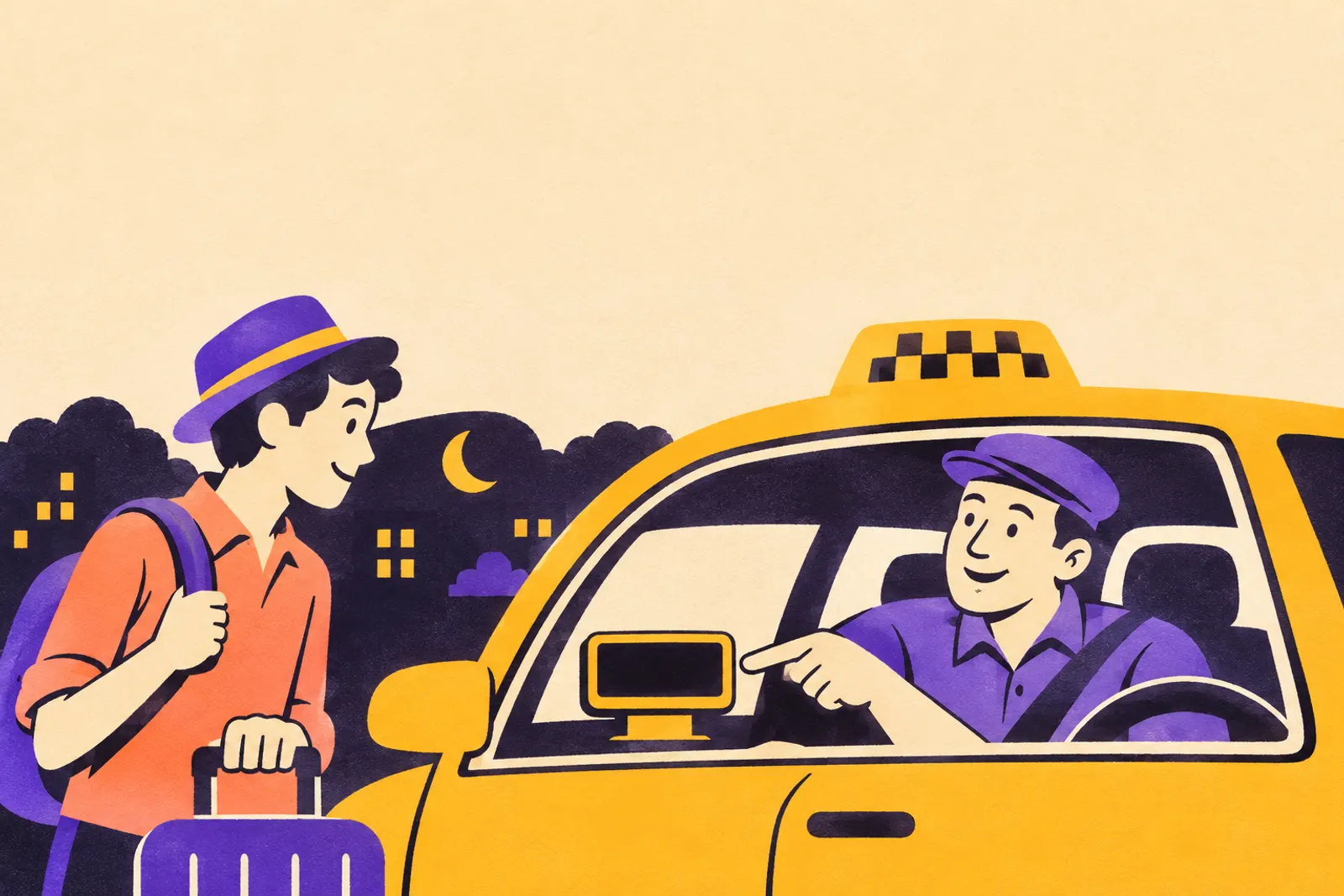
The driver leaves the meter off, claims it is broken, or pushes a fixed fare that benefits the driver. You may then face a demand for too much money at the end. Some drivers become aggressive during payment disputes.
Warning signs
- The meter is off as the driver prepares to leave.
- The driver says the meter is broken.
- The driver insists on a fixed fare you cannot judge.
How to avoid it
- Ask for the meter, called moneh, before the taxi moves.
- If the driver refuses, leave before the ride starts and take another taxi.
- Accept a fixed fare only when you know what the trip should cost.
- Use Gett/GetTaxi to see the fixed or metered fare arrangement.
If it happens to you
Avoid an argument if the driver becomes threatening. Paying may be safer than letting the dispute escalate. Note the taxi number, request an official receipt, and contact the local taxi authority.
- Get to a safe place. Do not chase a thief or continue an argument with an aggressive driver.
- Record what happened. Save receipts, booking records, screenshots, the time, location and any taxi number.
- Freeze stolen cards and contact the card issuer. If your phone is missing, secure the accounts linked to it.
- Report theft or threats to police. Call 100 if you need urgent police help. Ask how to obtain a report for insurance.
- For a taxi dispute, contact the local taxi authority or the booking service. Give the taxi number and payment details.
- Contact your insurer about a claim. If your passport was stolen, contact your embassy or consulate.
What travellers report
Posts about this scam on other sites, summarised in our words. Open one to read the original.
- Redditr/Israel2025Taxi: meter or flat fare?Passengers report taxis refusing metered journeys, and a Canadian tourist describes an airport driver charging US$80 without a receipt.Read on Reddit
- Redditr/Israel2022What are some tourist traps tourist should look out for?Commenters warn that airport taxi drivers demand inflated dollar fares and advise refusing drivers who will not use the meter.Read on Reddit
- News2025Majority of Israeli taxi drivers commit meter violations, undercover investigation revealsAn undercover investigation reports widespread taxi meter violations in Israel.Read on News
Questions
What is the taxi meter refusal and inflated fixed fares scam in Israel?
The driver leaves the meter off, claims it is broken, or pushes a fixed fare that benefits the driver. You may then face a demand for too much money at the end. Some drivers become aggressive during payment disputes.
How can I spot it early?
The meter is off as the driver prepares to leave. The driver says the meter is broken. The driver insists on a fixed fare you cannot judge.
How do I avoid taxi meter refusal and inflated fixed fares in Israel?
Ask for the meter, called moneh, before the taxi moves. If the driver refuses, leave before the ride starts and take another taxi. Accept a fixed fare only when you know what the trip should cost. Use Gett/GetTaxi to see the fixed or metered fare arrangement.
What should I do if it happens to me?
Avoid an argument if the driver becomes threatening. Paying may be safer than letting the dispute escalate. Note the taxi number, request an official receipt, and contact the local taxi authority.
Where in Israel does this happen?
Taxis across Israel, with specific warnings for Jerusalem, Tel Aviv and Eilat. It has been reported in Jerusalem, Tel Aviv, Eilat.
How common is this scam in Israel?
Common. Taxi overcharging is a known risk in Israel, especially when drivers refuse to use the meter or take a longer route. Other risks include poor exchange rates when paying in foreign currency, change disputes in taxis, and theft of unattended belongings on Tel Aviv beaches.
Are there similar scams in Israel?
Yes: taxi detours to increase the fare, taxi driver claims to have no change.
Who can I report it to?
Police: report theft, threats or other suspected crime. Call 100 for urgent police help. Emergency services have English-speaking operators. Local taxi authority: report taxi overcharging using the number displayed on the outside of the taxi. Include the receipt, route and time if available. Taxi booking service: use the service's support channel to report a fare or route dispute. Keep the trip and payment records. Card issuer: use your banking app or the issuer's official contact details to freeze a missing card and report payments you did not authorize. Travel insurer: contact the claims service and keep receipts, evidence of ownership and any police report. Embassy or consulate: contact your country's embassy or consulate through its official channels if your passport is stolen.
What number do I call in an emergency in Israel?
Police: 100, Ambulance — Magen David Adom: 101, Fire department: 102, Home Front Command — civil defense: 104.
 Reviewed by @snuck