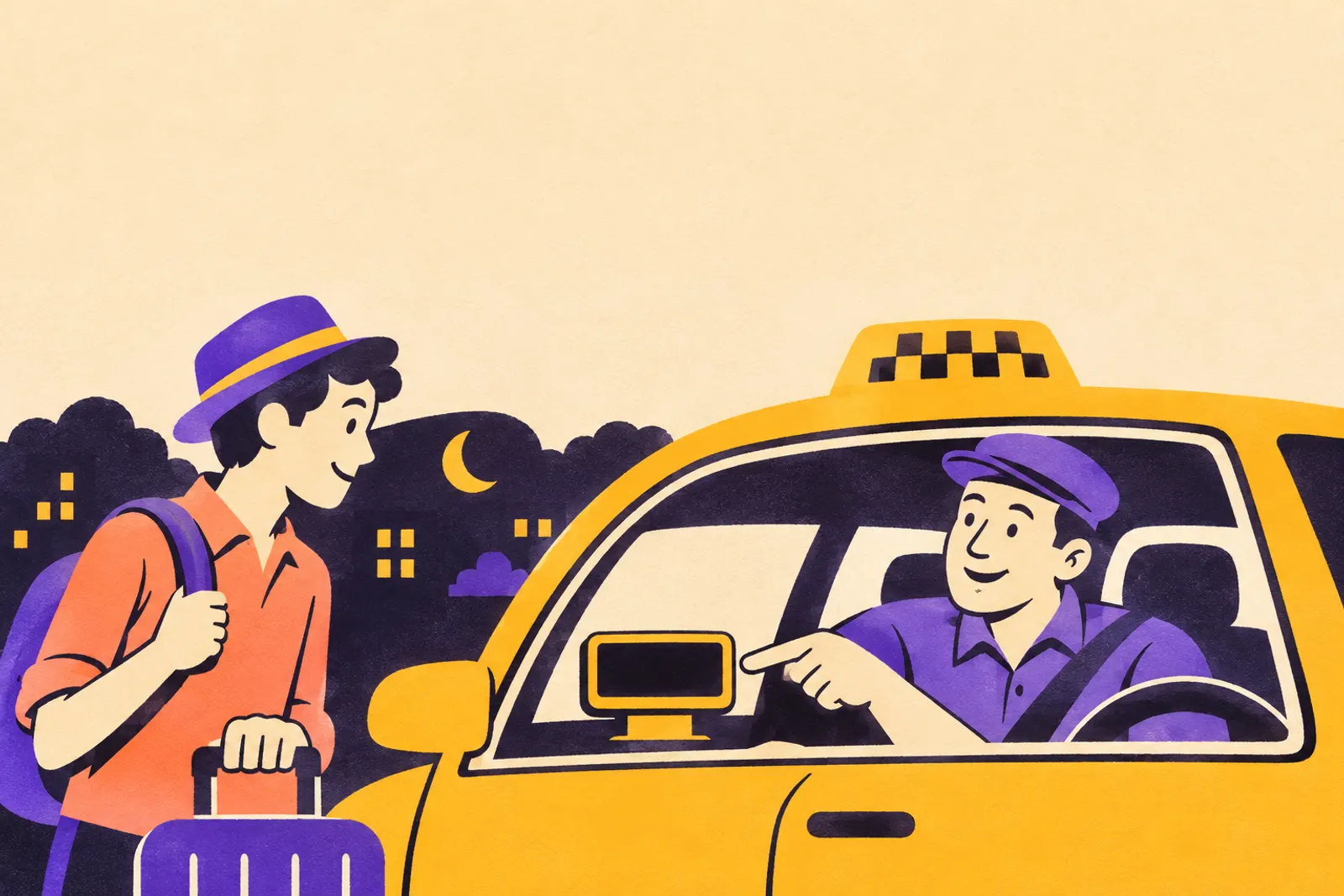
Scam in TunisiaTaxis
Taxi overcharging and refusal to use the meter in Tunisia
How it works
A driver quotes an inflated fare or avoids using the meter. Taxis outside expensive hotels in Tunis may quote two or three times the metered fare. Airport drivers may ask much more than the usual fare, especially at night.
Warning signs
- The driver refuses to start the meter.
- The quoted fare is much higher than your hotel's estimate.
- The meter uses the wrong day or night setting.
How to avoid it
- For city trips, ask for the meter and check its setting.
- Leave before the trip starts if the driver refuses.
- Walk away from an expensive hotel before hailing a taxi, or use inDrive.
- For a private long-distance trip, agree on the fare before leaving.
If it happens to you
If you have not left, get out and choose another taxi. If a dispute starts during the trip, ask to stop somewhere public and seek help if needed.
- Move to a safe, public place. Avoid a confrontation if someone becomes aggressive.
- Freeze missing or compromised cards immediately through your bank or card issuer.
- Write down what happened, including the time, place, amount and any vehicle or business details.
- Keep receipts, bills, booking records and other evidence. Take photos only when safe.
- Report theft, threats or suspected fraud to police. Tell hotel management or airport staff when relevant, and ask for a written record.
- Contact your insurer about a claim. Contact your embassy or consulate if your passport was stolen or you need help replacing travel documents.
Questions
What is the taxi overcharging and refusal to use the meter scam in Tunisia?
A driver quotes an inflated fare or avoids using the meter. Taxis outside expensive hotels in Tunis may quote two or three times the metered fare. Airport drivers may ask much more than the usual fare, especially at night.
How can I spot it early?
The driver refuses to start the meter. The quoted fare is much higher than your hotel's estimate. The meter uses the wrong day or night setting.
How do I avoid taxi overcharging and refusal to use the meter in Tunisia?
For city trips, ask for the meter and check its setting. Leave before the trip starts if the driver refuses. Walk away from an expensive hotel before hailing a taxi, or use inDrive. For a private long-distance trip, agree on the fare before leaving.
What should I do if it happens to me?
If you have not left, get out and choose another taxi. If a dispute starts during the trip, ask to stop somewhere public and seek help if needed.
Where in Tunisia does this happen?
Tunis-Carthage Airport, outside expensive hotels in Tunis, and taxis elsewhere in Tunisia It has been reported in Tunis.
How much can it cost me?
Outside expensive Tunis hotels, quotes may be 2–3 times the metered fare. At Tunis-Carthage Airport, some drivers ask up to 40 DT at night. The supplied fare examples are about 5–7 DT by day and 10 DT at night to central Tunis.
How common is this scam in Tunisia?
Common. Persistent sellers, unwanted guides and inflated bills are recurring problems for visitors to Tunisia. Theft is widely reported, including from hotel rooms, room safes and airports. Taxi overcharging and pressure to visit shops also need care.
Are there similar scams in Tunisia?
Yes: airport taxi luggage pressure, tampered taxi meters.
Who can I report it to?
Police: report theft, threats or suspected fraud. Bring a clear account and any receipts or identifying details. Ask for a written report or reference. Bank or card issuer: use your banking app or the issuer's official contact channel to freeze cards and report unauthorised transactions. Hotel management: report missing room valuables promptly. Ask management to document the incident and help you contact police. Airport staff: ask for immediate help with airport theft or a driver refusing to return luggage. Request a supervisor for a disputed official cash count. Embassy or consulate: use your government's official contact details if your passport is stolen or you need help with replacement travel documents. Travel insurer: contact the insurer through its official claims channel. Keep police records, receipts and evidence of the loss.
 Reviewed by @snuck