
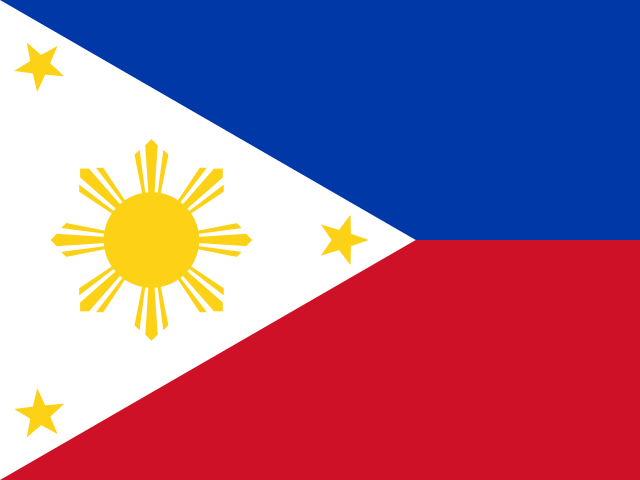
 South-Eastern Asia
The Philippines is a country of more than 7,100 islands in Southeast Asia. It has beaches, coral reefs, mountains, rainforests and a mix of cultural influences.
Why go
Sandy beaches and excellent diving.
Old Spanish churches and local festivals.
Mountains, rainforests and coral reefs.
Regional food and widely spoken English.
Best time to go: November to February generally brings cooler, drier weather. Christmas and New Year can be expensive and busy; weather patterns differ in some eastern areas.
Getting there
By air
- Most visitors arrive by plane. Philippine Airlines, Cebu Pacific and AirAsia offer international and domestic flights.
- Ninoy Aquino International Airport in Metro Manila is the main arrival airport.
- Cebu, Clark and Davao are alternatives to Manila. These airports also connect to domestic destinations.
By sea
- Passenger ship services are limited. Ports may have limited facilities for immigration and customs checks.
- Aleson Shipping Lines connects Sandakan in Malaysia with Zamboanga. The source warns that this route may be dangerous.
Customs
- Restrictions on bringing plants, animals and food are strictly enforced.
- Bringing prohibited goods into the country is not allowed.
- Proof of yellow fever vaccination is required when arriving from a country where the disease is regularly present.
Getting around
Domestic flights
Flying is the easiest way to move between islands. Many routes connect through Manila, Cebu or Clark. Delays of two to three hours can occur. Leave plenty of time between separately booked flights. Book well ahead for Christmas, Holy Week and other busy periods. Advertised sale fares usually exclude taxes and fuel charges. Allow extra time for airport security checks.
Buses
Provincial buses are a cheap way to travel across much of the country. Some routes include a ferry crossing, which may cost extra. Luxury buses can have reclining seats or beds, toilets and personal screens. Their fares can be similar to airfares. Ordinary buses are more crowded, have no air conditioning and are less safe. Conductors collect fares and help passengers. Larger stations may require advance ticket purchase and a security check. Older buses may have no toilet, though longer journeys usually include a stop. Smoking and vaping are prohibited on buses and at terminals or stops.
Trains
Intercity and overnight railway services are suspended. Luzon has limited commuter trains between Calamba, San Pablo and Lucena, and between Sipocot, Naga and Legazpi. These are slower than buses and have limited hours. Metro Manila has one metro service and two light rail services.
Cars and motorcycles
Traffic keeps to the right. Most road signs are in English. Road quality varies from paved expressways to narrow dirt roads. Town streets often have blind corners. Many drivers ignore traffic rules, and road rage is a serious problem. Be especially careful around motorcycles. Foreign driving licences are valid for up to 90 days after arrival. After that, a Philippine licence is required. Some cars are banned from roads on certain weekdays according to the last digit of their number plate.
What to see and do
Beaches and coral reefs
The country has a long coastline, sandy beaches and many coral reefs.
Old Spanish churches
These churches offer a way to explore local history, art and architecture.
Mountains and rainforests
Many larger islands have mountainous interiors, with forests and varied wildlife.
National parks
The country has around 60–70 national parks, including mountain and coral reef areas.
Diving
The Philippines has excellent diving and many coral reefs.
Sailing and board sailing
Boracay offers sailing, while Boracay, Subic Bay and Anilao are main destinations for board sailing.
Food and drink
Filipino cooking
Dishes often use garlic, onions, ginger and vinegar, with sweet, sour and salty flavours. Rice is the main staple, though some areas favour corn.
Carinderias
These budget eateries serve prepared dishes, often for less than ₱50 per main. Food is cooked earlier, so it may not always be the safest choice.
Turo-turo
These eateries let you point to the dishes you want served.
Local fast food
Jollibee serves burgers, fried chicken and spaghetti; Greenwich serves pizza; Mang Inasal serves chicken barbecue.
Street food
Popular foods include isaw, or chicken intestines, and kwek-kwek, battered and fried boiled duck eggs. Hygiene varies, and mall versions are described as safer.
Tropical fruit
Fruit is widely sold in supermarkets and farmers' markets. Farmers' markets often have better prices.
Money
Philippine peso (PHP), written ₱. One peso equals 100 centavos.
- Cash is widely needed. Do not rely on being able to pay in US dollars.
- Carry small notes and coins. Smaller towns may have few cash machines or none.
- Drivers and some shops may insist on coins in the morning so they can give change later.
- Avoid displaying large amounts of cash or expensive belongings.
Tipping: Tips are not always expected. Restaurants and hotels may add an 8–12% service charge; taxi passengers commonly round up or add ₱20–50.
Typical costs
- Backpacker dorm beds and some basic lodging start at ₱200 per night.
- A basic fan room can cost ₱300 per night, while an air-conditioned room can cost ₱500.
- Main dishes at budget eateries can cost less than ₱50.
- A jeepney ride can cost as little as ₱10 for the first 4 km.
- Flights between Manila and Cebu can cost as little as ₱999; Manila to Davao can cost as little as ₱1595.
- Internet cafés can cost ₱12–20 per hour.
- Local beer is around ₱35 in supermarkets and around ₱60 in many bars.
- Hotel prices generally exclude 12% value-added tax and an 8–10% service charge.
Language
- English and Filipino are official languages.
- Filipino is a standard form of Tagalog.
- Many people speak some English, but ability varies. Local language knowledge is more useful outside cities and main tourist areas.
- The country has more than 100 native languages, including Cebuano, Hiligaynon, Waray and Ilocano.
- Filipino Sign Language is the official sign language.
- Brownout
- A power cut in Philippine English.
- Rubber shoes
- Sneakers or trainers in Philippine English.
- Pasalubong
- A gift or souvenir brought home for friends or family.
- Merienda
- A mid-morning or afternoon snack.
Staying safe
- The source advises avoiding the Sulu Archipelago and Mindanao because of attacks, kidnapping and fighting.
- Avoid boat travel across the Sulu Sea and near the coastal areas of Palawan, the Celebes Sea and Mindanao. Armed pirates have taken hostages and killed foreigners.
- Pickpocketing, bag snatching and robbery occur, especially in crowded or rough parts of large cities.
- Keep expensive belongings and large amounts of cash out of sight.
Local customs
Do
- Wait until your host invites you to start eating.
- Use serving spoons when provided; some people strongly object to shared food touching used utensils.
- Be aware that people often pray before meals.
- Recognize that regional languages are distinct languages, rather than simply forms of Tagalog.
Don't
- Do not sing or argue while eating; this is considered rude.
- Do not refuse food offered by a host or leave the table while others are still eating; the source describes these as rude.
- Do not assume everyone welcomes Tagalog as the national language; some regional communities resent its status.
Staying healthy
- Expect high heat and humidity. Typical temperatures range from 25°C to 32°C.
- March to May can be extremely hot and is less comfortable for sightseeing.
- Carry a raincoat, umbrella or light jacket for changing weather. Mountain areas can be cool at night.
- Food hygiene varies at street stalls and eateries serving food cooked earlier. Street food sold in malls is described as safer.
Phone and internet
- Internet cafés offer paid access, with prices depending on location.
- Coin-operated pisonet computers can cost ₱1 for five minutes, or ₱12 per hour.
- Larger internet cafés can charge ₱20 per hour.
Where to stay
- Choices range from backpacker inns to luxury hotels and resorts. Remote areas have fewer options.
- Hostel dorm beds and basic pension houses can start at ₱200 per night.
- Homestays, also called transient homes, are common in provincial tourist towns. Some provide both meals and lodging.
- Cheap rooms may have only a fan and shared washing facilities. A private shower may have no hot water.
Trips to Philippines
Day-by-day itineraries by snuck, shaped around you.
Outdoor adventures in Philippines
The Philippines is best known for its beaches, coral reefs and diving, including shipwrecks, sharks and huge groups of sardines. Inland, you can explore caves, trek in the mountains, cycle and go whitewater rafting. November to February generally brings drier, cooler weather, but seasons vary across the islands.
Boracay beaches and water sports
BeacheBoracay
Base yourself on Boracay for its beaches and range of water sports.
Coron wreck diving and island kayaking
Scuba divingCalamian Islands, Palawan
Visit Coron for wreck diving. Rent a kayak to explore around the islands.
- The supplied travel warning advises against boat travel across the Sulu Sea and near coastal areas of Palawan because of armed piracy.
El Nido diving, beaches and climbing
Scuba divingPalawan
Use the coastal town of El Nido as your destination for diving, beaches and limestone scenery. It is also named as a rock-climbing destination.
- The supplied travel warning advises against boat travel across the Sulu Sea and near coastal areas of Palawan because of armed piracy.
Tubbataha Reefs Natural Park diving
Scuba divingPalawannear Puerto Princesa
Take a live-aboard boat from Puerto Princesa. These are longer diving trips where you stay on the boat.
- The supplied travel warning advises against boat travel across the Sulu Sea and near coastal areas of Palawan because of armed piracy.
Malapascua Island thresher-shark diving
Scuba divingCebu Province
Choose Malapascua Island for diving focused on thresher sharks.
Moalboal sardine diving
Scuba divingCebu Province
Head to Moalboal for diving among large groups of sardines.
Sabang diving and Puerto Galera beaches
Scuba divingMindoro
Use one of Sabang's diving schools in the Puerto Galera area. Choose White Beach on the other side of Puerto Galera for a quieter beach stay.
Donsol whale-shark diving
Scuba diving
Visit Donsol for diving to see whale sharks.
Alona Beach and Panglao Island
BeacheBohol Province
Stay on Panglao Island, where Alona Beach is the most popular destination. Resorts range from affordable to luxury.
Mactan Island beaches
BeacheCebu
Choose Mactan Island as a beach destination in Cebu.
Santa Cruz Island beaches
BeacheZamboanga
Santa Cruz Island is named as a beach destination in Zamboanga. Access arrangements are not specified.
- The supplied travel warning advises avoiding Mindanao because of attacks and kidnapping.
- It also warns against boat travel in Mindanao waters because of armed piracy.
Pagudpud beaches
BeacheIlocos
Choose Pagudpud as a beach destination in Ilocos.
Laiya Beach
BeacheBatangas
Head to Laiya Beach in Batangas for a beach visit.
White Island
BeacheCamiguin
White Island is named as a beach destination in Camiguin. Access arrangements are not specified.
Subic Bay and Anilao windsurfing
SurfingSubic Bay; Anilao, Batangas
Choose Subic Bay or Anilao for windsurfing, which uses a sail attached to a board.
Sagada caving
CaveLuzon
Head to Sagada for caving. Specific caves and tour arrangements are not described.
Mabinay caving
CaveNegros
Head to Mabinay for caving. Specific caves and tour arrangements are not described.
Mountain biking in Baguio, Banaue, Davao, Iloilo, Mount Apo and Guimaras
CyclingVarious locations
Choose one of these named mountain-biking destinations. Cycling tours are available in the country, but individual routes and operators are not specified.
- The supplied travel warning advises avoiding Mindanao because of attacks and kidnapping; this affects planning for Davao and Mount Apo.
- Mountain areas can be cool during November to March. Bring a light jacket.
Rock climbing at Apo Island, Atimonan, Putting Bato and Wawa Gorge
Climbing
Choose among these named climbing destinations. Routes, equipment hire and guide arrangements are not specified.
Sea kayaking in Caramoan, Palawan, Samar and Siargao
KayakingCaramoan Islands, Camarines Sur; Palawan; Samar; Siargao
Choose one of these sea-kayaking destinations. Launch points and hire arrangements are not specified.
- The supplied travel warning advises against boat travel across the Sulu Sea and near coastal areas of Palawan because of armed piracy.
- The supplied travel warning advises avoiding Mindanao because of attacks and kidnapping.
Mount Kanlaon trekking
Trek
Mount Kanlaon is named as a trekking destination. Routes and guide arrangements are not specified.
- Mountain areas can be cool during November to March. Bring a light jacket.
- Weather can change quickly. Have rain protection ready.
Mount Pulag trekking
Trek
Mount Pulag is named as a trekking destination. Routes and guide arrangements are not specified.
- Mountain areas can be cool during November to March. Bring a light jacket.
- Weather can change quickly. Have rain protection ready.
Cagayan de Oro River whitewater rafting
RaftingNorthern Mindanaonear Cagayan de Oro
The Cagayan de Oro River is named for whitewater rafting. Operators and departure points are not specified.
- The supplied travel warning advises avoiding Mindanao because of attacks and kidnapping.
Whitewater rafting near Davao
RaftingSouthern Mindanaonear Davao
Rafting is described near Davao. The river, operators and departure points are not specified.
- The supplied travel warning advises avoiding Mindanao because of attacks and kidnapping.
Clark hot-air-balloon festival and aerial sports
More to doClark, Angeles, Pampanganear Angeles
January and FebruaryVisit the annual festival in Clark for hot-air-balloon displays, skydiving and other activities.
Airports, metros and trains in Philippines
Airports with scheduled flights
- BCDBacolod-Silay International AirportBacolod CityMain international airport
- DRPBicol International AirportLegazpiMain international airport
- TAGBohol-Panglao International AirportPanglaoMain international airport
- CRKClark International Airport / Clark Air BaseMabalacatMain international airport
- DVOFrancisco Bangoy International AirportDavaoMain international airport
- GESGeneral Santos International AirportGeneral SantosMain international airport
Metro and subway
- ManilaManila Light Rail Transit System38 stations43.5 kmsince 1984
- ManilaManila Metro Rail Transit System13 stations16.9 kmsince 1999
Trains
- Rail network
- 532 km
- Electrified
- 53 km
People and safety in Philippines
Religion
Most people are Christian. Mostly one faith.
- Christian85%
- Muslim6%
- Other5%
- Buddhist2%
- No religion1%
LGBT+ travellers
Legal
- Same-sex marriage is not recognised.
- Legal gender change is not recognised.
- Some laws protect against discrimination.
Women travellers
Ranked #131 of 181 countries for women's safety, inclusion and justice.
58% of women say they feel safe walking alone at night where they live.
Who can visit without a visa
Travellers from 162 of 198 countries can visit Philippines easily: no visa, a visa at the airport, or a short online form.
- Visa not required162
- eVisa11
- Visa required25
Who can visit easily, by part of the world
For each part of the world: how many countries' travellers can come easily. Easy means no visa, a visa at the airport, or a short online form.
- Americas34 of 35 countries
- Oceania12 of 14 countries
- Africa46 of 54 countries
- Europe37 of 46 countries
- Asia33 of 49 countries
Questions
When is the best time to visit?
November to February generally has cooler, drier weather. Christmas and New Year are busy, and some eastern areas have different rainy seasons.
Can I get by with English?
Many people speak some English, especially in cities and tourist areas. English ability can be more limited elsewhere.
Should I carry cash?
Yes. Cash is widely needed, and small notes and coins are useful because shops and drivers may struggle to give change.
How do I travel between islands?
Planes and boats are important for island travel. Flying is the easiest option, and many domestic routes connect through Manila, Cebu or Clark.
Can I find somewhere to stay without booking online?
Many small hotels do not accept online reservations. Homestays, pension houses and tourist inns are available, though choices are limited in remote areas.
Is Filipino food very spicy?
It is generally less spicy than other Southeast Asian cuisines. Many dishes get their flavour from garlic, onions, ginger and vinegar.
Do I need to tip?
Tips are not always expected, and hotels or restaurants may add a service charge. Taxi passengers commonly round up or add ₱20–50.
Are there areas I should avoid?
The source advises avoiding the Sulu Archipelago and Mindanao because of attacks and kidnapping. It also warns against boat travel in several southern waters because of armed pirates.
What electricity supply does the country use?
The supply is 220 volts at 60 hertz. The source lists two-pin and three-pin American-style sockets and Europlug sockets.
Where can I use the internet?
Internet cafés provide paid access. The source gives prices of about ₱12–20 per hour, depending on the type and location.
 Reviewed by @snuck