
Central Asia
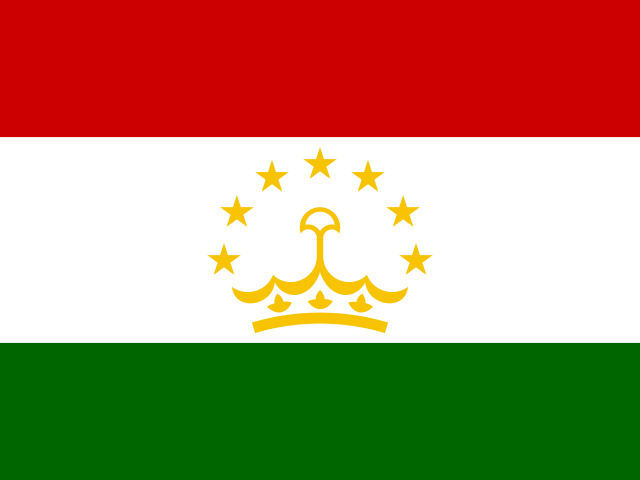 Central Asia
TajikistanTravel guide
- Dushanbe
- Bokhtar
- Isfara
- Istaravshan
- Khorugh
- Khujand
Tajikistan is a landlocked country on the ancient Silk Road in Central Asia. It has high mountains, blue mountain lakes, historic cities and welcoming people.
Why go
Explore Silk Road cities such as Khujand and Istaravshan.
See the mountain scenery of the Pamirs.
Walk in the easier-to-reach Fann Mountains.
Visit ancient settlements at Sarazm and Panjakent.
Best time to go: Mid-May to early June or August to early September are described as the most comfortable times. Summer can be extremely hot, while mountain nights can be cold even in summer.
Getting there
By air
- Dushanbe International Airport has flights from cities including Istanbul, Delhi, Dubai, Tashkent and several Russian cities. Many international routes run only once a week.
- Khujand airport has flights from several Russian cities and a weekly flight from Ürümqi.
- Tajik Air and Somon Air tickets can be bought at an airport or an Aviakassa ticket office in town. The source reports that Somon Air's website did not process payments as of March 2025.
By land
- Common routes from Uzbekistan include Tashkent to Khujand and Samarkand to Panjakent. Private cars and minibuses travel these routes.
- International buses connect Tashkent with Dushanbe.
- The Pamir Highway connects Osh in Kyrgyzstan with Khorugh and Dushanbe. It is rough, needs a four-wheel-drive vehicle and can be blocked by winter snow or spring mudslides.
By sea
- The source describes a ferry across the Pyanj River between Afghanistan and Tajikistan for roughly US$10 one way. It reportedly runs about three times a day except Sundays, but the source warns that a bridge may end the service.
Customs
- The number of items you can take out of the country may be limited.
- The source states that possessing or exporting unprocessed stones and metals, or jewellery without a mark of authenticity, is illegal.
- These items must be declared when leaving, even if you have a shop receipt showing a legal purchase.
Getting around
City buses
Dushanbe and Khujand have city buses, but no published route maps. Ask a local person or the driver whether the bus goes to your stop. Major stops are displayed above the windscreen and doors. The official payment method is a bus card, available free from Dushanbe City offices and topped up at orange payment kiosks. Many drivers also accept coins and small notes. A Dushanbe bus ride costs 1.8 somoni by card or 2 somoni in cash. Do not expect the driver to change a note larger than 20 somoni.
Domestic flights
Flights link Dushanbe with Khujand and Khorugh. Flying may be the only safe way between the north and south when winter closes mountain roads. Wind and winter fog can delay or cancel flights. If weather cancels your flight, the ticket remains valid for the next available service. Buy tickets at an airport or an Aviakassa ticket office. Ticket sellers near Dushanbe's Green Market can help with flight times. Arrive early and carry your passport and visa, as these are checked on domestic flights.
Trains
Limited trains connect Dushanbe with Kulob and Shahrtuz through Bokhtar. The international Moscow trains can also be used for local journeys. Trains are very slow, sometimes travelling at only 25 kilometres per hour. They offer a chance to meet local people and see the landscape. Taking photographs of stations and trains is forbidden.
Driving
An international driving licence is required. Speeding, poor vehicle condition and missing or unused seat belts make traffic dangerous. Mountain roads are often rough and journeys take longer than distances suggest. Some routes need an off-road vehicle. Snow can close roads in winter, and landslides can block them in spring. Check road conditions with the authorities before leaving. Avoid driving outside towns after dark. Mountain roads have few protective barriers, and lighting is limited. Fuel stations and repair garages are scarce outside towns. Carry reserve fuel and consider a satellite phone for emergencies. Turning right at a red light is illegal unless a sign allows it.
What to see and do
Sarazm
This ancient settlement near Panjakent is a United Nations Educational, Scientific and Cultural Organization (UNESCO) World Heritage Site.
Tajik National Park
This World Heritage Site covers the Pamir mountains in eastern Tajikistan.
Zeravshan Valley
This World Heritage Site includes Ancient Panjakent.
Khujand and Istaravshan
These cities offer a chance to explore Tajikistan's Silk Road history.
Trek in the Fann Mountains
These mountains are easier to reach than the Pamirs and offer good walking routes.
Explore the Pamirs
The region has striking mountain scenery, trekking routes and unclimbed peaks.
Food and drink
Osh
Rice cooked with beef or mutton and carrots, also called plov or pilaf. It may come as an individual serving or a shared plate.
Qurutob
The national dish combines flaky bread, vegetables and a sauce made from sour dried cheese. It contains no meat and is traditionally eaten by hand from a shared plate.
Laghman
Noodle soup with vegetables and lamb or beef. Some Dushanbe restaurants also serve stir-fried versions.
Sambusa
Baked pastries similar to samosas.
Shashlik
Fish, liver, chicken, mutton or beef grilled over coals.
Mantu
Steamed meat dumplings served with sour cream and fried onions.
Money
Tajikistani somoni (TJS). One somoni is divided into 100 diram.
- Cash is the main way to pay. Payments must be made in somoni, so have some before leaving a land border.
- Cash machines are mainly at banks. The source identifies Visa as the most widely accepted card and warns that other cards may not work.
- Bring US dollars or euros to exchange at a bank. Cash machines may offer a dollar option without actually dispensing dollars.
- For foreign currency, visit the town's main bank office with your passport and card.
Typical costs
- Dushanbe city bus: 1.8 somoni with a bus card or 2 somoni in cash.
- Dushanbe–Khujand flight: about 400 somoni.
- Khujand–Oybek border taxi: 50–100 somoni, depending on the time of day.
- Newer hotels offering Western standards: around US$70–220 per room.
- Mountain guesthouses in places such as Kalaikhum and Khorog: around US$40 per person, including meals.
- Formal Pamir homestays: around US$10 per person per night.
Language
- Tajik is the national and official language, written in Cyrillic letters. It is a form of Persian.
- Russian is widely used for communication between different communities, as well as in government and business.
- Uzbek is spoken in northern Tajikistan.
- English is limited, even in Dushanbe. Some younger people and service workers can hold a basic conversation.
- Чанд пул аст? (Chand pul ast?)
- How much does it cost?
Staying safe
- Petty theft aimed at tourists is described as uncommon, though pickpockets can be present in bazaars. Take normal care of your belongings.
- Keep informed about security conditions, especially in the Pamirs and near the Afghan border. Fighting is rare but can occur.
- Avoid walking alone after sunset or travelling alone to rural areas. Travel in a group at night.
- Police help may be slow or limited. If you are a crime victim, contact your embassy for help.
Local customs
Do
- Dress modestly in public. Headscarves and face coverings are not the norm.
- Place your right hand over your heart when speaking to an older person as a sign of respect.
- Learn a few Tajik words, as people take pride in their language.
- Check mosque entry rules before visiting. Some mosques allow female visitors under specific conditions.
- Expect that young people may approach simply to say hello or practise English.
Don't
- Avoid wearing shorts if you want to avoid disapproving looks, especially as a man.
- Do not make unfavourable comparisons with neighbouring Afghanistan, as these can cause offence.
- Avoid discussions about Russia and the war in Ukraine, as views vary.
- Same-sex activity is legal, but social attitudes are conservative and there are no specific protections against discrimination or harassment. Visitors in same-sex relationships should be cautious about public displays of affection.
Staying healthy
- Do not drink tap water, as water treatment is unreliable and waterborne illnesses occur. Use bottled water and avoid ice.
- Take care with street food and avoid unwashed fruit and vegetables. Wash produce with distilled water and cook food thoroughly.
- Altitude sickness is a serious risk in the Pamir mountains.
- Healthcare is very limited. Health insurance and insurance covering transport for urgent medical treatment are strongly recommended.
Phone and internet
- The source recommends taking a local person and their passport when buying a SIM card, as this makes the process simpler.
- Local advice in the source identifies Megafon as the only network working in the Pamirs.
- The source lists a SIM card at US$1 and a one-month package at US$10 for unlimited social media use and 3 gigabytes of Google use.
- Orange payment kiosks let you add money using your Tajik phone number. Plan ahead if you will be away from towns when a monthly payment is due.
Where to stay
- Dushanbe has large hotels, including the Hyatt Regency and Tajikistan hotel. Many older hotels are described as expensive for their condition.
- Some newer hotels offer Western standards for around US$70–220 per room.
- The Aga Khan's Mountain Societies Development Support Programme runs guesthouses in places such as Kalaikhum and Khorog. Accommodation with meals is around US$40 per person.
- Formal homestays around Murghab cost around US$10 per person per night. Expect a family home with basic facilities, sometimes without running water and with an outside toilet.
Outdoor adventures in Tajikistan
Tajikistan offers high mountains, turquoise lakes, trekking and climbing. The Pamirs have remote mountain scenery, while the easier-to-reach Fann Mountains offer another base for outdoor trips. Hot springs around Khorugh add a gentler option.
Pamir Mountains trekking
TrekPamirs
Explore the trekking routes in the Pamir Mountains. No specific route or transport arrangements are described.
- There is a substantial risk of altitude sickness.
- High mountain areas can be hot during the day and very cold at night.
Fann Mountains trekking
TrekZeravshan Valley
Use Khujand as a starting point for trips into the Fann Mountains. The mountains are described as easy to reach, but no specific transport or trail is given.
- Do not travel alone in rural areas.
Pamir Mountains climbing
ClimbingPamirs
The Pamirs offer mountain climbing, including unclimbed peaks. No specific peak, climbing route or operator is named.
- There is a substantial risk of altitude sickness.
- Mountain temperatures can fall sharply after dark.
Fann Mountains climbing
ClimbingZeravshan Valley
Travel into the Fann Mountains, using Khujand as a starting point. No specific climbing route or operator is named.
- Do not travel alone in rural areas.
Julandee hot springs
Hot springPamirsnear Khorugh
Head from Khorugh towards Murghab to reach the high-altitude hot spring resort. Rooms and food are available.
- Cost: Rooms: US$10–15.
- The resort is at high altitude, where altitude sickness is a concern.
Climb behind Julandee hot springs
ClimbingPamirsnear Khorugh
Reach Julandee on the way from Khorugh towards Murghab. The climb is behind the hot springs; no marked route or guide arrangement is described.
- The area is at high altitude, where altitude sickness is a concern.
- High mountain areas can become very cold after dark.
Garm Chashma hot spring
Hot springPamirsnear Khorugh
Travel from Khorugh towards Ishkashim to visit the hot spring and resort area. No transport service is specified.
Vanj Valley and Bear Glacier visit
More to doPamirs
Use a suitable vehicle to travel to the upper Vanj Valley. Villagers in Poy Mazur may host visitors.
- Cost: A gift of US$10–15 is suggested if villagers host you.
- A good vehicle is needed to reach the upper valley.
- Do not travel alone in rural areas.
Wakhan guided trekking
TrekWakhannear Khorugh
Arrange a trip with Jusuf, an English-speaking trekking and travel guide listed in Khorugh. He also has a homestay in Khaskhorugh, 35 kilometres along the road from Khorugh towards Ishkashim.
- Keep informed about security conditions near the Afghan border.
- Altitude sickness is a substantial concern in the Pamir Mountains.
Gharm mountain hot springs
Hot springKarategin
Visit the mountain hot springs around Gharm in Karategin. No specific spring, transport service or visitor facilities are described.
Zumrad lake boating
More to doFerghana Valleynear Isfara
Outside winter, when the weather is fine.Visit the Zumrad sanatorium from Isfara and go boating on its small lake.
- Cost: 3–5 somoni for boating.
Syr Darya river cruise
More to doFerghana Valleynear Khujand
Check in Khujand whether a river cruise is operating. Cruises may run periodically, but no operator or schedule is given.
- Swimming is not recommended: currents can be deceptively strong and the water is polluted.
Airports, metros and trains in Tajikistan
Airports with scheduled flights
- KQTBokhtar International AirportBokhtarMain international airport
- DYUDushanbe International AirportDushanbeMain international airport
- LBDKhujand International AirportKhujandMain international airport
- TJUKulob International AirportKulobMain international airport
Trains
- Rail network
- 616 km
People and safety in Tajikistan
Religion
Most people are Muslim. Mostly one faith.
- Muslim97%
- Christian2%
- No religion2%
LGBT+ travellers
Legal in law, risky in places
- Same-sex marriage is not recognised.
- Legal gender change is recognised.
Check your own government's travel advice before you go, and be careful with public displays of affection and dating apps.
Women travellers
Ranked #89 of 181 countries for women's safety, inclusion and justice.
93% of women say they feel safe walking alone at night where they live.
Who can visit without a visa
Travellers from 98 of 198 countries can visit Tajikistan easily: no visa, a visa at the airport, or a short online form.
- Visa not required92
- Visa on arrival6
- eVisa72
- Visa required28
Who can visit easily, by part of the world
For each part of the world: how many countries' travellers can come easily. Easy means no visa, a visa at the airport, or a short online form.
- Europe42 of 46 countries
- Asia29 of 49 countries
- Americas17 of 35 countries
- Oceania4 of 14 countries
- Africa6 of 54 countries
Questions
When is the most comfortable time to visit?
Mid-May to early June or August to early September are described as the most comfortable periods. Mountain nights can still be cold.
Can I travel without speaking Tajik or Russian?
English is limited, even in Dushanbe. Knowing some Tajik or Russian is important for independent travel.
Can I rely on my bank card?
Cash is the main payment method, and payments must be in somoni. Visa is the most widely accepted card at cash machines, while other cards may not work.
Can I buy flight tickets in person?
Yes. Tajik Air and Somon Air tickets can be bought at an airport or an Aviakassa ticket office in town.
How do I find the right city bus?
Dushanbe and Khujand do not have published bus route maps. Ask a local person or the driver, and look for major stops displayed on the bus.
Is tap water safe to drink?
No. Drink bottled water and avoid ice, including drinks made with ice.
Where can I stay on a small budget?
Pamir homestays are listed at around US$10 per person per night. Facilities are basic, and some homes have no running water or indoor toilet.
What local food should I try?
Osh is a common rice dish with meat and carrots. Qurutob, the national dish, combines flaky bread, vegetables and sour cheese sauce without meat.
Is it easy to travel through the mountains in winter?
No. Snow closes mountain passes, and flights may be the only safe link between the north and south, though weather can also cancel flights.
Can I bargain when shopping?
Bargaining is encouraged in bazaars. It is uncommon in regular shops.
 Reviewed by @snuck