
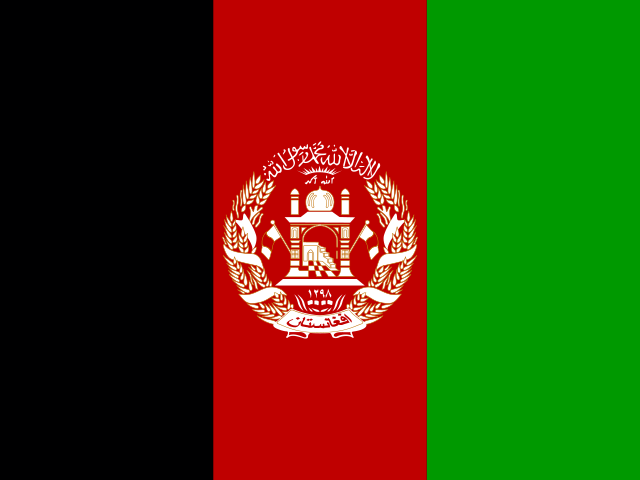
 Southern Asia
Afghanistan is a mountainous, landlocked country with historic sites, Islamic architecture and strong traditions of hospitality. Many governments advise against all travel because of war, attacks, kidnapping and arbitrary detention, and help from embassies may be limited.
Why go
Bamiyan Valley has ancient monastery caves, fortress ruins and the empty niches where large Buddhist statues once stood.
Band-e Amir National Park has six connected blue lakes surrounded by dry mountains.
Herat, Mazar-i-Sharif and Balkh have important mosques and historic buildings.
The Wakhan Corridor has remote mountain communities and alpine scenery.
Best time to go: Kabul has its most pleasant weather in April, May and September. This describes the weather only; serious security risks remain.
Getting there
By air
- Kabul International Airport is the main entry point. Visitors using an electronic visa must enter here.
- Ariana Afghan Airlines and Kam Air are based in Kabul. The source says these airlines and the airport do not meet international safety standards.
- FlyDubai, Etihad Airways and Turkish Airlines operate regular flights. The source says these airlines meet international safety standards.
By land
- Border crossings can close at short notice, and entry and exit rules can change without warning. The source reports war between Pakistan and Afghanistan in 2026 and warns of border fighting.
- The route from Peshawar in Pakistan goes through Torkham and the Khyber Pass towards Jalalabad. The route from Quetta to Kandahar is closed to travellers who are citizens of neither border country.
- The Mashad–Herat crossing from Iran is open to foreigners. Regular buses run this route, but drug checks by Iranian border police can cause delays.
Customs
- Declare goods that may be banned or subject to tax or customs charges.
- Alcohol, illegal drugs, pork products, pornography and obscene material are banned. Literature considered subversive or against Islam is also banned.
- Drones need government permission before import. Without it, they will be seized at the border.
Getting around
Guides and travel permits
Foreign tourists cannot sightsee independently. Arrange activities through a licensed tour operator or a registered local guide under Afghan Tour. Register at the Ministry of Information and Culture in Kabul on arrival. Tourist permits cost about 1,000 afghanis for each province visited. Permits are checked at police checkpoints and must be registered with local tourist offices. Getting them can take considerable time, and officials require a translator or guide. You can ask your hotel to help find an agency or guide. Guides can help with language, travel arrangements and safety information.
Domestic flights
Ariana Afghan Airlines and Kam Air fly between Kabul, Herat, Mazar-i-Sharif and Kandahar.
Road travel
Major routes include the Kabul–Mazar-i-Sharif Highway through the Salang Tunnel and the Kabul–Kandahar Highway. More than 90% of roads are local dirt or gravel tracks. Rain and melting snow can quickly turn them to mud. Repairs can close the Salang Tunnel and major highways or restrict traffic. Snow can block roads in winter, and avalanches are a risk.
What to see and do
Bamiyan Valley
See ancient monastery caves, the empty niches of the destroyed Buddhist statues, Shahr-e Gholghola ruins and the red fortress at Shah-e Zohak.
Band-e Amir National Park
Six connected blue lakes sit among dry mountains at 2,900 metres. Access rules change and sometimes restrict women from entering.
Blue Mosque, Mazar-i-Sharif
This major cultural centre is known for its colourful tilework.
Great Mosque and Herat Citadel
The mosque has mosaics from the Timurid period. The ancient citadel offers wide views over the city.
Mosques of Balkh
Balkh has the Green Mosque and the ninth-century Haji Piyada Mosque, described as the country's oldest known Islamic structure.
Minaret of Jam
This 65-metre tower in Ghor province has carved brickwork and blue calligraphic tiles. River erosion threatens it, and the source reports restoration work underway in 2026.
Food and drink
Kabuli pulao
Afghanistan's national dish combines rice, lentils, raisins, carrots and lamb. Nuts may also be added.
Afghan breads
Naan is thin, long and oval; obi non is a thicker, round Uzbek-style bread. Lavash is very thin and often served under meat or stew.
Chalao and palao
Chalao is fluffy white rice usually served with stew. Palao has meat, stock, herbs or stew mixed in before baking.
Qorma
These stews usually start with fried onions and may contain meat, vegetables, fruit and spices.
Mantu
Steamed dumplings contain onion and minced beef. They usually come with tomato sauce, a yogurt or goat-cheese sauce, and dried mint.
Ashak
These Kabul dumplings contain leeks. They are topped with a garlic yogurt or goat-cheese sauce and seasoned minced meat.
Money
Afghan afghani (AFN), written as Afs or ؋.
- Banknotes range from 1 to 1,000 afghanis.
- Exchange rates change. The source's July 2026 rates were about 66 afghanis per US dollar, 75 per euro and 88 per British pound.
Typical costs
- Tourist permits cost about 1,000 afghanis for each province visited.
- A shared taxi from Peshawar to Torkham cost 2,000 Pakistani rupees in 2025.
- A shared taxi from Torkham to Kabul cost US$15 in 2025 and took about five hours.
- International calls to Europe or the United States typically cost less than US$0.50 per minute.
Language
- Dari and Pashto are the official languages. Dari is widely used between people with different first languages.
- Pashto is especially common near Pakistan. Urdu is also spoken in some border areas, while Persian is spoken near Iran.
- Minority languages include Uzbek, Turkmen, Pashayi, Baloch and Nuristani.
- Very few Afghans speak English, though you are more likely to find English speakers in Kabul.
- Some people understand Hindi, and Urdu speakers can also be found in Kabul.
Staying safe
- Many governments advise against all travel, and non-essential travel is strongly discouraged. Embassy help may be limited, including access to detained visitors.
- The source reports that Pakistan declared war in 2026 and bombed Afghan cities, including Kabul and Kandahar. Check the situation before travel and pay attention to air raid sirens.
- The Islamic State in Khorasan Province is an armed extremist group that targets foreigners, hotels and places foreigners visit. Kidnapping and banditry are also risks.
- Foreign visitors risk arbitrary arrest and accusations of spying, which can lead to months of detention or execution. Citizens of neighbouring countries and people with both Afghan and another nationality face particular risk.
Local customs
Do
- Dress as modestly as possible. Rules on modesty are especially strict for women.
- Treat hospitality with care, as it is central to Afghan culture. Refusing tea may be seen as rejecting a host's goodwill.
- Be very sensitive around people who worked for the former government, foreign organisations, human rights groups or the media. Some fear for their lives.
Don't
- Do not eat or drink in public during daylight hours in Ramadan. The ban is enforced by law.
- Do not use or bring alcohol or recreational drugs. Hookah tobacco is also covered by the Taliban's zero-tolerance approach.
- Do not take part in anything that could be seen as political activism.
Laws to know
- Daily purchases must be paid for in afghanis. Domestic payments in foreign currencies, including US dollars and Pakistani rupees, are prohibited.
Staying healthy
- See a travel doctor before departure about vaccinations and health risks. Malaria, tuberculosis, meningitis, hepatitis, cholera and rabies are concerns, and rural health services are limited.
- Use sealed bottled water for drinking and brushing your teeth. Choose hot, freshly cooked food, as food hygiene can be poor and travellers' diarrhoea is common.
- Avoid animals, especially dogs and cats, and discuss rabies vaccination before travel. Even after vaccination, a scratch from an infected animal needs urgent medical treatment.
- Bring your prescription medicines from home with an official doctor's prescription. Pain relief and diarrhoea medicines can be hard to find outside major cities.
Phone and internet
- SIM cards are available, and mobile service works in most cities.
- Outside major cities, phone options are limited to satellite phones.
- Afghanistan's international calling code is +93. Within Afghanistan, add 0 before a fixed-line area code when calling from another area.
- Reliable wireless internet is rare outside high-end hotels in Kabul.
Where to stay
- Accommodation for foreign visitors is limited and regulated. Hotels and guesthouses generally need official government clearance letters before accepting foreign guests.
- High-end hotels in Kabul offer strong security barriers, backup generators and international-standard facilities.
- Herat, Mazar-i-Sharif and Jalalabad have locally run mid-range hotels. These may offer private bathrooms and dining, but security varies greatly.
- Remote areas and trekking routes rely on village homestays and basic tea-house lodgings. Expect shared floor mattresses, communal pit toilets and no running water.
Outdoor adventures in Afghanistan
Afghanistan has mountain treks, remote valleys and striking blue lakes. Many governments advise against all travel because of attacks, kidnapping, arbitrary detention and armed conflict. Foreign visitors must arrange activities through licensed tour operators or registered local guides.
Band-e Amir National Park lakes
HikeBamiyan province, Hindu Kushnear Bamiyan
Arrange a lake visit through a licensed tour operator or registered local guide under Afghan Tour. The park is not far from Bamiyan.
- Permit: Register at the Ministry of Information and Culture in Kabul on arrival. A tourist permit, meaning official permission to visit, is required for each province.
- Cost: Approximately 1,000 AFN per province for the tourist permit; this is not a stated park admission fee.
- Access rules change and sometimes prevent women from entering.
- The park is at 2,900 metres. Altitude sickness is a risk in some mountain areas.
Wakhan Corridor and Wakhan National Park
TrekNortheast Afghanistan
Arrange the trek through a licensed tour operator or registered local guide under Afghan Tour. Rural trekking requires a local guide and special security permission.
- Permit: Registration in Kabul and a tourist permit for each province are required. Rural trekking also requires special security permission.
- Cost: Approximately 1,000 AFN per province for the tourist permit; guiding and trekking costs are not given.
- Expect checkpoints and rough terrain.
- Altitude sickness is a risk in some mountain areas.
Panjshir Valley towards Anjuman Pass
TrekPanjshir Valley
Arrange a valley trek towards Anjuman Pass through a licensed tour operator or registered local guide under Afghan Tour. A local guide is required.
- Permit: Registration in Kabul and a tourist permit for each province are required. Rural trekking also requires special security permission.
- Cost: Approximately 1,000 AFN per province for the tourist permit; guiding and trekking costs are not given.
- Rural trekking involves checkpoints and rough terrain.
- Stay on well-worn paths and avoid areas marked with red-and-white-painted rocks.
Shah Foladi wilderness trekking
TrekCentral Afghanistan
Arrange a wilderness trek through a licensed tour operator or registered local guide under Afghan Tour. A local guide and special security permission are required.
- Permit: Registration in Kabul and a tourist permit for each province are required. Rural trekking also requires special security permission.
- Cost: Approximately 1,000 AFN per province for the tourist permit; guiding and trekking costs are not given.
- Expect checkpoints and rough terrain.
- Stay on well-worn paths because of landmines and unexploded weapons.
Airports, metros and trains in Afghanistan
Airports with scheduled flights
- KDHAhmad Shah Baba International AirportKandaharMain international airport
- HEAHerat - Khwaja Abdullah Ansari International AirportGuzaraMain international airport
- KBLKabul International AirportKabulMain international airport
- MZRMazar-i-Sharif International AirportMazar-i-SharifMain international airport
Trains
- Rail network
- 75 km
People and safety in Afghanistan
Religion
Most people are Muslim. Mostly one faith.
- Muslim100%
LGBT+ travellers
Illegal, with the death penalty in law
- The law allows death penalty.
- Legal gender change is not recognised.
Check your own government's travel advice before you go, and be careful with public displays of affection and dating apps.
Women travellers
Ranked #181 of 181 countries for women's safety, inclusion and justice.
25% of women say they feel safe walking alone at night where they live.
Who can visit without a visa
Travellers from 0 of 198 countries can visit Afghanistan easily: no visa, a visa at the airport, or a short online form.
- eVisa177
- Visa required18
- Admission restricted1
- Admission refused2
Who can visit easily, by part of the world
For each part of the world: how many countries' travellers can come easily. Easy means no visa, a visa at the airport, or a short online form.
- Africa0 of 54 countries
- Asia0 of 49 countries
- Europe0 of 46 countries
- Americas0 of 35 countries
- Oceania0 of 14 countries
Questions
Is Afghanistan suitable for a first trip abroad?
Many governments advise against all travel, and the source urges even adventurous travellers to consider going elsewhere. War, attacks, kidnapping and arbitrary detention remain serious risks.
Can I visit sights on my own?
No. Foreign tourists must arrange activities through licensed tour operators or registered local guides under Afghan Tour, register in Kabul and obtain provincial permits.
When is the weather most comfortable?
Kabul has its most pleasant weather in April, May and September. Lowland summer temperatures can exceed 50°C, while highland winters bring freezing temperatures and snow.
Can I manage with English?
Very few Afghans speak English, though Kabul offers a better chance of finding English speakers. Dari and Pashto are the official languages.
Can I pay for purchases in US dollars?
No. Domestic purchases must be paid for in afghanis, and using foreign currencies for local transactions is prohibited.
Can I arrange a hotel after arriving?
Hotel options for foreigners are limited, and properties generally require official government clearance letters before check-in. Independent booking is therefore difficult.
Is tap water safe?
No. Use sealed bottled water for drinking and brushing your teeth.
What food is common?
Rice dishes, bread, stews, dumplings and kebabs are common, and most dishes are not spicy. Kabuli pulao is the national dish.
Are there restrictions specifically affecting women?
Strict modesty rules apply especially to women. Access rules at Band-e Amir sometimes restrict women from entering, and the source warns of widespread violence against women.
Will my phone and internet work outside Kabul?
Mobile service is available in most cities, but options outside major cities are limited to satellite phones. Reliable wireless internet is rare outside high-end Kabul hotels.
 Reviewed by @snuck