
Northern Africa
 Northern Africa
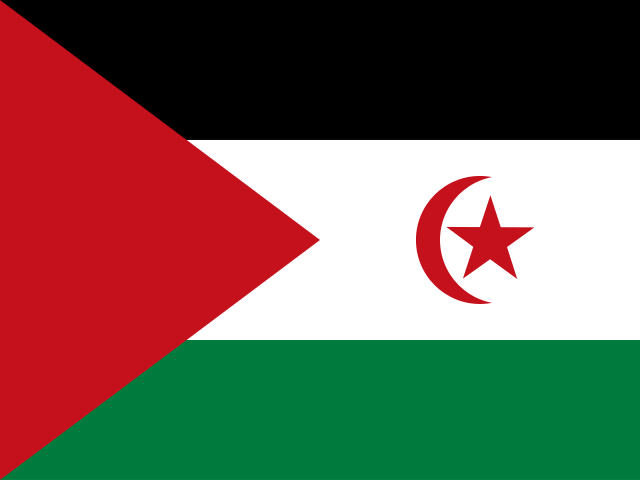
Western SaharaTravel guide
Western Sahara is a disputed territory on the Atlantic coast of North Africa. Morocco controls most of the territory and almost all its coast. Much of the land is dry desert, and areas near the Berm, the sand wall dividing the two sides, contain landmines.
Why go
Saharan desert scenery.
Remains of Spanish colonial rule in El Aaiún, also called Laayoune.
Long, unspoiled beaches, though much of the coast is rocky.
Fresh seafood in coastal cities such as Ad Dakhla.
Traditional Sahrawi crafts in markets and specialist shops.
Getting there
By air
- Hassan I Airport in Laayoune has flights from Spain, the Canary Islands and several Moroccan cities.
- Dakhla Airport has flights from Agadir, Casablanca and, seasonally, the Canary Islands.
- Passport checks apply even on domestic flights and are stricter than elsewhere in Morocco.
By land
- Buses connect the larger cities and can drop passengers along the road on request.
- From Morocco, the coastal N1 road runs south through Laayoune, Boujdour and Dakhla towards Mauritania.
- The crossing from Mauritania passes through a strip of land between border posts with landmines, bandits and false guides. Cross only in full daylight with a reliable guide or a convoy; truck drivers at the border may help you join one.
By sea
- The source reports discussion of restoring a ferry between the Canary Islands and Tarfaya, but gives no confirmed operating service.
Customs
- Moroccan entry conditions apply in the area administered by Morocco.
- Independent travel is restricted, and travellers may be turned back, especially during political tension.
- Travellers suspected of journalistic work or an interest in political or humanitarian issues may be refused entry.
Getting around
Bus
Buses connect the larger cities. Drivers can drop passengers anywhere along the road when asked. Carry enough water for at least 24 hours in case the bus breaks down.
Car
A car is convenient because public transport mainly serves larger settlements. Drive on the right. Refuel before every long stretch, as settlements and facilities can be 150–200 kilometres apart. Road conditions can change suddenly, especially after rain. Do not copy other drivers' high speeds. Avoid off-road travel unless you know the area is free of mines or have a reliable guide. Follow existing tracks where possible. Carry a mobile phone, plenty of water and warm clothing in case you must spend the night in the car. Expect police checkpoints near towns and along the route. Copies of your personal, passport, journey and vehicle details can make checks quicker. Speed checks occur in Western Sahara, including near the southern exit of Laayoune.
What to see and do
Saharan desert
Much of the territory is desert, with wide desert landscapes.
El Aaiún
The city has remains of Spanish colonial rule.
Coastal beaches
Some unspoiled beaches stretch for miles, although much of the coastline is rocky and unsuitable for beach visits.
Browse markets in Laayoune and Smara
Traditional open-air markets sell Sahrawi crafts alongside Moroccan market goods.
Visit craft shops in Ad Dakhla
Look for camel-bone jewellery, silver daggers, woven rugs and camel leather goods.
Explore traditional clothing and local foods
Markets sell blue darra robes, colourful melhfa wraps, dates and desert truffles.
Food and drink
Fish and seafood
Coastal restaurants serve fresh, affordable seafood. In Ad Dakhla, choices include octopus, squid, sardines, sea bream and oysters.
Camel meat
A staple of Sahrawi cooking, served in a slow-cooked stew called a tagine, grilled on skewers or boiled with rice.
Tidgit
Dried camel meat is ground and mixed with melted camel hump fat and dates.
Sahrawi couscous
Often darker than Moroccan couscous and sometimes made with barley flour. It is served in a shared dish with camel meat or lamb and root vegetables.
Tirest
A thick porridge made with wheat flour, water and salt, mixed with clarified butter or camel milk.
Moroccan dishes
Restaurants commonly serve chicken, beef or vegetable tagines, roast chicken with fries, and harira, a tomato, lentil and chickpea soup.
Money
Moroccan dirham (MAD) in the Moroccan-controlled area.
- Prices may show dirhams as Dh, Dhs, DH or Dhm.
- One dirham is divided into 100 centimes. Banknotes come in 20, 50, 100 and 200 dirhams.
- The Sahrawi peseta, Algerian dinar and Mauritanian ouguiya circulate in refugee camps and the area controlled by the Sahrawi Arab Democratic Republic.
Tipping: In casual diners, round up the bill or leave 5–10 dirhams. In upscale seafood restaurants in Ad Dakhla, 10% is standard for good service.
Typical costs
- Prices are generally lower than in Morocco, partly because of government subsidies.
- Fresh fish and seafood are described as very cheap.
- For a budget meal, markets sell dates, local goat cheese, olives and fresh bread.
Language
- Hassaniya Arabic is the native language of most people. Speakers of Standard Arabic may not understand it, and Standard Arabic is not widely spoken.
- Moroccan Arabic is widely used in streets and workplaces.
- French is spoken by many people who moved from Morocco and by some locals who deal with tourists.
- Spanish is uncommon and is mainly spoken by older people who learned it during Spanish rule.
- English is even less common than Spanish.
- People are generally patient when there is no shared language and often use gestures. Written notes may not help much because literacy levels are low.
Staying safe
- Avoid the Berm and the area extending 30–50 kilometres west of it because of landmines. Many governments advise against travel near the Berm or east of it.
- Missing warning signs do not mean an area is safe. Weather has removed many signs, and thousands of mines remain on the Moroccan side of the wall.
- The area immediately east of the Berm should be treated as off-limits. Gates used by United Nations patrols are not open to ordinary travellers.
- Political violence is uncommon but can escalate, and foreigners may be expelled. Some fighting has occurred during the 2020s.
Local customs
Do
- Dress modestly in public and cover your shoulders and knees, especially at religious sites and traditional markets.
- Respect Islamic customs. Foreign women do not have to cover their heads, but doing so can show respect in traditional settings.
- During Ramadan, expect most restaurants to stay closed until dusk and working hours to be shorter. Ramadan is the Islamic month of daytime fasting.
Don't
- Do not eat or drink in public during daylight hours in Ramadan, even if you are not Muslim.
- Do not express political opinions or ask residents about their political loyalties. These conversations can put local people at risk.
- Do not publicly carry maps showing Western Sahara as separate from Morocco.
- Do not assume alcohol is socially accepted. Drinking is strongly frowned upon and largely limited to high-end tourist hotels.
Staying healthy
- Carry enough water for at least 24 hours, whether travelling by car or bus, in case the vehicle breaks down.
- Ask about tap water quality before drinking it, or drink bottled water.
- Do not touch unknown plants or fruit beside the road. Some fruit resembling tiny watermelons or cucumbers can be poisonous even to touch.
- Watch for scorpions when climbing rock formations. Cobras are very rare but are sometimes seen after several days of hot winds blowing west.
Phone and internet
- Internet cafes and public phone shops are easy to find in cities, though connection speeds vary.
- Most cafes, restaurants and hotels offer free Wi-Fi.
- Mobile coverage exists along the N1 road. Carry a mobile phone in case your vehicle breaks down.
Outdoor adventures in Western Sahara
Western Sahara has desert dunes and long, unspoiled beaches, though much of the coast is rocky and unsuitable for beach visits. Rare stone formations offer some climbing, but wildlife and other natural sights are limited. Areas around the Berm, the sand wall dividing the territory, contain landmines and are extremely dangerous.
Saharan desert and dunes
More to do
Travel by private car or bus is mentioned, but no desert route or guided tour is specified.
- Avoid the Berm and surrounding areas. Landmines extend 30–50 km west of the wall, and areas immediately east are also dangerous.
- Carry enough water for at least 24 hours in case your vehicle breaks down.
Atlantic coast beaches
BeacheAtlantic coast
No individual beach or access route is specified.
- Thick morning fog can greatly reduce coastal visibility until noon.
Climbing rare stone formations
Climbing
No climbing location, access route or guide service is specified.
- Watch for scorpions when climbing stone formations.
- Cobras are very rare but are sometimes seen after several days of hot winds blowing west.
Airports, metros and trains in Western Sahara
Airports with scheduled flights
- VILDakhla AirportDakhlaMain international airport
- EUNLaayoune Hassan I International AirportEl AaiúnMain international airport
People and safety in Western Sahara
LGBT+ travellers
Same-sex relationships are illegal
Check your own government's travel advice before you go, and be careful with public displays of affection and dating apps.
Who can visit without a visa
Travellers from 0 of 1 countries can visit Western Sahara easily: no visa, a visa at the airport, or a short online form.
- Visa required1
Who can visit easily, by part of the world
For each part of the world: how many countries' travellers can come easily. Easy means no visa, a visa at the airport, or a short online form.
- Asia0 of 1 countries
Questions
Is Western Sahara safe for a first visit?
There are serious landmine risks near the Berm and restrictions on travel. Avoid the Berm, the area 30–50 kilometres west of it and territory to its east; remote roads also need careful preparation.
What weather should I prepare for?
Expect hot, dry days and cold nights. Coastal mornings can be foggy, and rare rain can cause flash floods.
How can I travel between towns?
Buses connect the larger cities and can stop along the road on request. A car gives more freedom, but you need fuel, water and supplies for long gaps between settlements.
What money is used?
The Moroccan-controlled area uses the Moroccan dirham, with the currency code MAD.
Can I get by with English?
English is rarely spoken. Moroccan Arabic is widely used, French is spoken by many people, and locals are generally patient with gestures.
What food can I expect?
Moroccan dishes are common in restaurants, and coastal towns have fresh, affordable seafood. Traditional Sahrawi food, including camel dishes, is more often found in homes or desert camps.
Can I drink tap water?
Quality varies. Ask before drinking it, or choose bottled water.
What should I wear?
Cover your shoulders and knees in public, especially at religious sites and traditional markets. Foreign women are not legally required to cover their heads.
Will I have phone and internet access?
Mobile coverage exists along the N1 road. Cities have internet cafes, and most cafes, restaurants and hotels offer free Wi-Fi, though speeds vary.
What changes during Ramadan?
Most restaurants close until dusk, and working hours are shorter. Visitors who are not Muslim should still avoid eating or drinking in public during daylight hours.
 Reviewed by @snuck