Scam in South KoreaTaxis
Inflated taxi fares and refusal to use the meter in South Korea
How it works
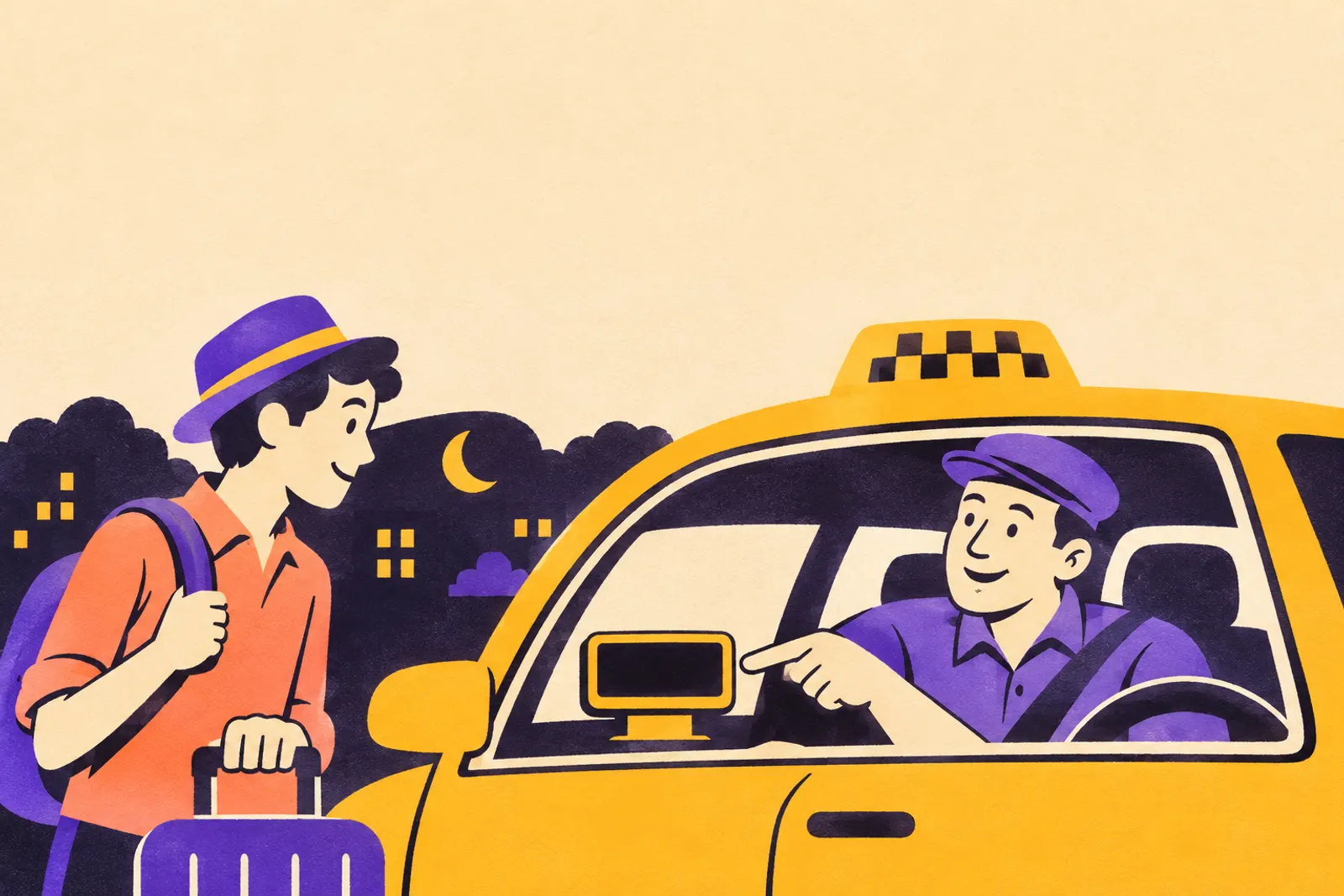
A driver may try to charge a high fixed fare instead of using the meter. This is specifically reported around Busan port. In Seoul, travellers are also advised to check that the driver starts the meter.
Warning signs
- The driver quotes a fixed fare instead of starting the meter.
- The driver refuses your request to use the meter.
How to avoid it
- Check that the meter is running at the start of the ride.
- In Busan, insist on the meter and get out before the trip starts if the driver refuses.
- Consider booking through Kakao Taxi, I.m Taxi, TADA or Uber.
- Ask for a receipt.
If it happens to you
Keep the receipt and note the vehicle details. In Seoul, photograph the driver's ID above the glove box if you can do so safely, then report the details to the taxi company.
- Move to a safe place. Avoid arguments or physical confrontation. If you are threatened or cannot leave, call police on 112.
- Write down what happened while you remember it. Save receipts, messages, payment records and any booking details.
- Record useful details safely, such as the vehicle number or business name. For a suspected taxi rip-off in Seoul, photograph the driver's ID above the glove box if safe.
- If a card or phone is missing, contact your card issuer and secure affected accounts. Ask about disputing any payment you did not authorise.
- Report the incident to police. Ask for an interpreter if needed and keep any report reference. Report a taxi complaint to the taxi company too.
- Contact your insurer if you may claim for a loss. If your passport is missing, contact your embassy or consulate for replacement advice.
What travellers report
Posts about this scam on other sites, summarised in our words. Open one to read the original.
- Redditr/koreatravel2024Avoid this taxi scam lollllA traveller reports that a driver claimed to have forgotten to activate the meter and charged their companions twice what another party paid.Read on Reddit
- Redditr/koreatravel2026Has Korea changed a lot from 2016?A returning visitor recalls a taxi driver switching off the meter while claiming to know a faster route and charging 40,000 won from Hongdae to Myeongdong.Read on Reddit
- Government advice2025Seoul Simplifies Taxi Complaint Reports for International Tourists with QR CodesSeoul describes illegal taxi practices targeting international tourists and explains how complaints are checked against meter usage, trip details and fare records.Read on Government advice
Questions
What is the inflated taxi fares and refusal to use the meter scam in South Korea?
A driver may try to charge a high fixed fare instead of using the meter. This is specifically reported around Busan port. In Seoul, travellers are also advised to check that the driver starts the meter.
How can I spot it early?
The driver quotes a fixed fare instead of starting the meter. The driver refuses your request to use the meter.
How do I avoid inflated taxi fares and refusal to use the meter in South Korea?
Check that the meter is running at the start of the ride. In Busan, insist on the meter and get out before the trip starts if the driver refuses. Consider booking through Kakao Taxi, I.m Taxi, TADA or Uber. Ask for a receipt.
What should I do if it happens to me?
Keep the receipt and note the vehicle details. In Seoul, photograph the driver's ID above the glove box if you can do so safely, then report the details to the taxi company.
Where in South Korea does this happen?
Around the Busan port area and on taxi rides in Seoul It has been reported in Busan, Seoul.
How much can it cost me?
Inflated fixed fares in Busan can be as much as ₩20,000.
How common is this scam in South Korea?
Occasional. South Korea is generally very safe, and tourist scams are occasional rather than widespread. Watch for taxi overcharging, unlicensed taxis, fake monks asking for money, and friendly invitations to ceremonies that end with a payment demand. Pickpocketing is not very common in Seoul, but keep your belongings secure.
Are there similar scams in South Korea?
Yes: unlicensed taxis, taxi detours to increase the fare, being steered towards a more expensive taxi.
Who can I report it to?
Police: call 112 for a police emergency. For non-emergency police enquiries, call 110. You can also visit a district police station. Police have interpreters on call. Taxi company: report the journey details, receipt and vehicle information. For a suspected rip-off in Seoul, include a photograph of the driver's ID above the glove box if you obtained one safely. Card issuer or bank: use your banking app or a trusted contact number to freeze a missing card, report unfamiliar payments and ask about a dispute. Embassy or consulate: contact your country's embassy or consulate if your passport is lost or stolen. Use its official contact details. Travel insurer: contact your insurer through your policy's claims channel. Keep police report details, receipts and evidence of the loss.
What number do I call in an emergency in South Korea?
Police emergency: 112, Non-emergency police enquiries: 110, Fire and ambulance: 119.
 Reviewed by @snuck