Scam in MadagascarTheft
Pickpocketing in markets and on public transport in Madagascar
How it works
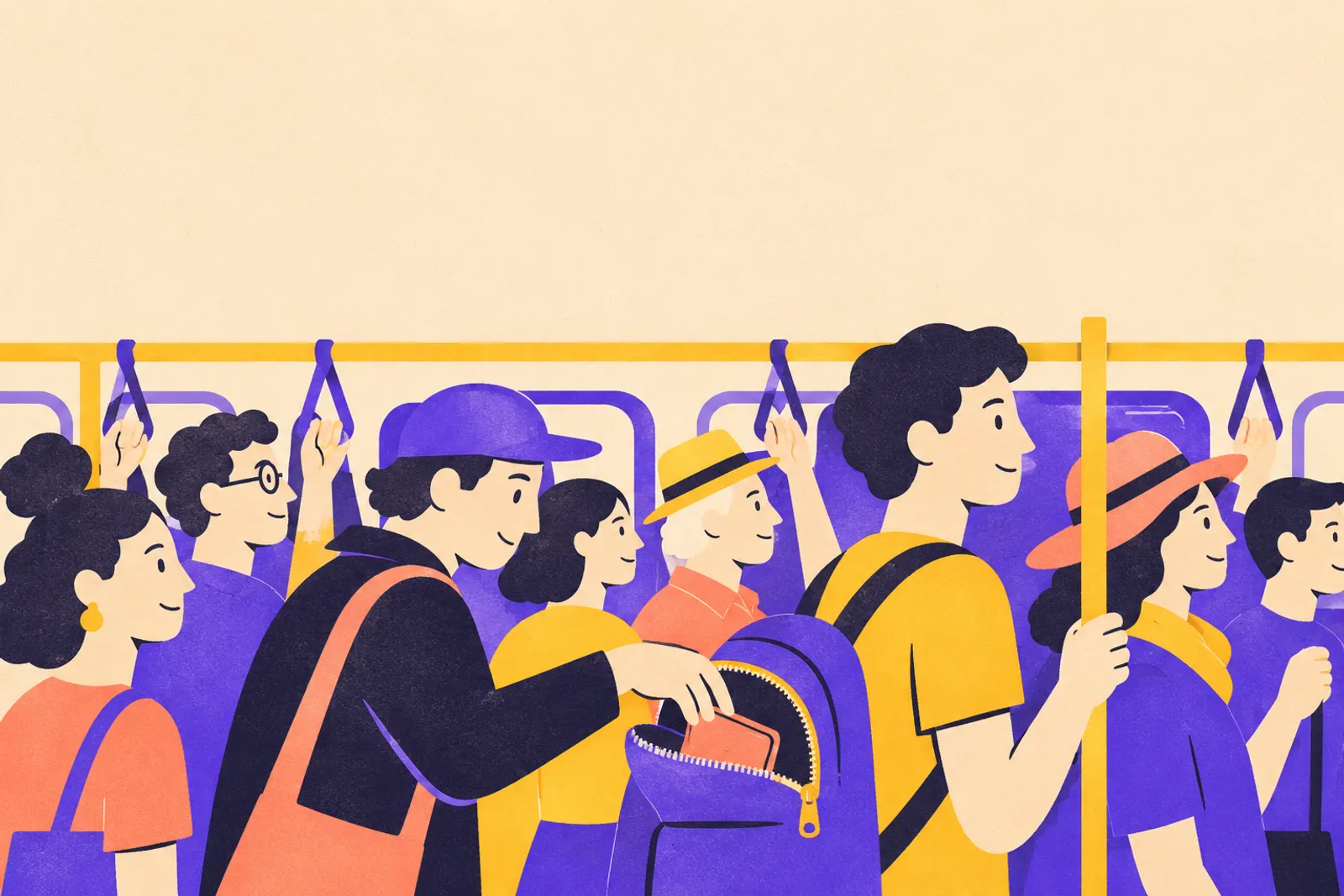
Thieves take belongings while travellers are in crowded places. Visible valuables and large amounts of cash can attract attention.
Warning signs
- Crowding makes it hard to keep track of your bag.
- Your phone, wallet or camera is easy for someone else to reach.
- People can see your cash when you pay.
How to avoid it
- Keep your bag closed and in front of you in crowds.
- Keep phones and wallets out of back pockets.
- Carry small notes and keep spare cash separate.
- Keep jewellery and expensive cameras out of sight when possible.
If it happens to you
Move somewhere safe and check what is missing. In a busy market, shouting “Mpangalatra” can alert people nearby, but only do this if it feels safe. Do not chase or physically confront the thief.
- Move to a safe place. Do not chase a thief or let a payment dispute become physical.
- Check what is missing. If your phone was taken, use another device to secure important accounts and contact your mobile provider.
- Freeze missing cards and contact your card issuer about any payments you did not authorise.
- Save receipts, booking messages, screenshots and details of the place, time and people involved.
- Report theft or fraud to the police. Ask for a report or reference number, especially if you will make an insurance claim.
- Contact your insurer. If your passport is missing, contact your embassy or consulate about replacement travel documents.
What travellers report
Posts about this scam on other sites, summarised in our words. Open one to read the original.
- Government advice2026Madagascar Travel Advice & Safety | SmartravellerAustralian travel advice reports common pickpocketing in crowded markets and warns of theft and other crime involving urban and rural minibuses.Read on Government advice
- Government advice2026Travel advice and advisories for MadagascarCanadian authorities warn that pickpocketing is common, identify Analakely market as a risk area and caution that shared taxis pose a robbery risk.Read on Government advice
- Government adviceMadagascar | Travel Advice | Department Of Foreign Affairs | Ireland.ie | Ireland.ieIrish travel advice warns about pickpockets in street markets and airports and urges travellers to guard belongings at train and bus stations.Read on Government advice
Questions
What is the pickpocketing in markets and on public transport scam in Madagascar?
Thieves take belongings while travellers are in crowded places. Visible valuables and large amounts of cash can attract attention.
How can I spot it early?
Crowding makes it hard to keep track of your bag. Your phone, wallet or camera is easy for someone else to reach. People can see your cash when you pay.
How do I avoid pickpocketing in markets and on public transport in Madagascar?
Keep your bag closed and in front of you in crowds. Keep phones and wallets out of back pockets. Carry small notes and keep spare cash separate. Keep jewellery and expensive cameras out of sight when possible.
What should I do if it happens to me?
Move somewhere safe and check what is missing. In a busy market, shouting “Mpangalatra” can alert people nearby, but only do this if it feels safe. Do not chase or physically confront the thief.
Where in Madagascar does this happen?
Busy markets and public transport
How common is this scam in Madagascar?
Common. Madagascar is described as fairly safe, but pickpocketing is common in busy markets and on public transport. Visitors should also watch for high airport taxi quotes, poor currency conversion rates and unsolicited photo offers that lead to requests for money. Persistent begging happens, but asking for help is not itself a scam.
Who can I report it to?
Police: report theft or suspected fraud. Give the location, time, missing items and any evidence. Ask for a written report or reference number. Card issuer or bank: use your banking app or the issuer's official contact details to freeze a missing card and report unauthorised transactions. Accommodation reception: ask for help finding police assistance, explaining a local payment dispute or arranging safe onward transport. Travel insurer: contact the claims service using your policy details. Keep receipts and any police report. Your embassy or consulate: use its official contact details if your passport is stolen or you need consular assistance.
 Reviewed by @snuck