
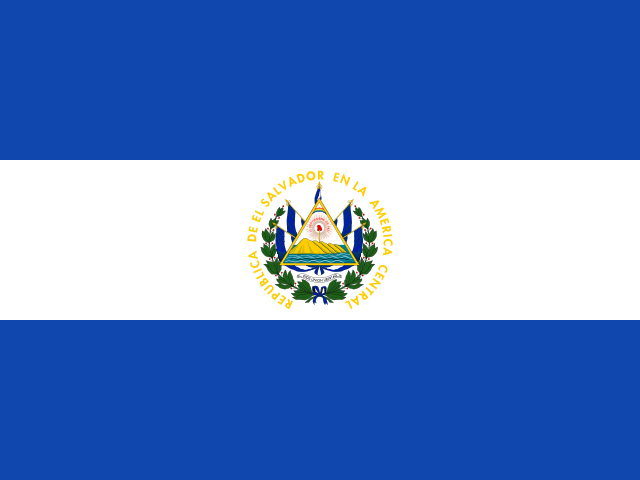
 Central America
El Salvador is the smallest country in Central America. It has Pacific beaches, mountain forests, lakes and volcanoes. Its capital is San Salvador.
Why go
Pacific beaches with surfing at La Libertad, El Sunzal, El Zonte and El Cuco.
Mountain forests at Bosque El Imposible and Montecristo Cloud Forest.
Volcano hikes at Santa Ana, Chaparrastique, Izalco and El Boqueron.
Mayan sites at San Andrés, Joya de Cerén and Tazumal.
Colonial towns such as Apaneca, Juayua, Panchimalco and Suchitoto.
Best time to go: The dry season runs from November to April. The rainy season runs from May to October. The coast is warm, while mountain areas are cooler.
Getting there
By air
- Most visitors arrive at El Salvador International Airport, whose airport code is SAL. It is near San Juan Talpa, about 50 km or a 45-minute drive south of San Salvador.
- Airlines serving the country include Avianca, Volaris, American Airlines, Copa, Delta, Iberia and United.
- Compare fares, especially for flights within Central America. Avianca fares can be high, and Volaris El Salvador offers a budget alternative.
By land
- The Pan-American Highway, also called CA-1, is the main road through the country. It is described as a safe route for entering El Salvador.
- Smaller roads can be in poor condition and become worse during the rainy season.
- Comfort Lines runs buses between Guatemala City and San Salvador.
Getting around
Bus
Domestic buses are frequent and usually cheap. Even the longest rides generally cost no more than $2–3. Routes with one or two digits serve local areas. Routes with three digits travel between towns and cities. Ask the fare collector or someone at the station where the bus goes and when it leaves. HorarioDeBuses.com also has route information and station maps. Watch out for scams on buses. The source does not describe the specific tricks.
Microbus
Microbuses are inexpensive but often very crowded. Theft is a risk.
Uber and taxi
Uber is readily available around the airport and in San Salvador. Trips across town rarely cost more than a few dollars. Outside these areas, waits may be long or no vehicle may be available. For a return trip from a tourist area, you can ask your airport driver for a phone number and arrange a pickup directly. Drivers may negotiate a price similar to the outward Uber fare. Taxis are another way to get around.
Rental car
Rental companies include Alamo and Hertz. Small roads can be dangerous, especially in the rainy season. Avoid driving at night. Avoid stopping at accident scenes, as they may be staged.
What to see and do
Bosque El Imposible and Montecristo Cloud Forest
Explore mountain forests. Bosque El Imposible is a well-maintained national park in the west.
Joya de Cerén, San Andrés and Tazumal
Visit Mayan sites. Joya de Cerén is a World Heritage Site, and Tazumal has a large pyramid and a museum.
Apaneca, Juayua, Panchimalco and Suchitoto
Visit colonial towns.
La Isla de Méndez
See a fishing village known for its hospitality and remote coconut islands.
Isla de Olomega
This island in the department of San Miguel is a destination for nature tourism.
San Salvador
The capital has seafood restaurants, shopping, entertainment and nightlife.
Food and drink
Pupusas
Round corn tortillas filled with cheese and other ingredients, often shredded pork. Olocuilta has more than 50 pupusa stands.
Fried plantains
Usually served with beans, sour cream and cheese, sometimes with eggs.
Panes con pavo
Salvadoran turkey sandwiches.
Cóctel de conchas
A coastal dish of black clams, lime juice, onions, tomatoes, cilantro and chillies in a spicy black sauce. A bowl costs about $3.
Rice, beans and seafood
Rice and beans are common foods. Seafood is especially common along the coast.
Supermarket food
La Despensa de Don Juan and Super Selectos sell local produce and international foods. Shopping at supermarkets can cost less than eating out every night.
Money
U.S. dollar ($) and Bitcoin.
- Carry $1, $5, $10 and $20 bills. Many shops will not accept $50 or $100 bills.
- Banks can exchange large bills for smaller ones. Petrol stations may also be useful for getting change.
- Banco Hipotecario offers free cash-machine withdrawals with Visa.
- Watch what street vendors charge other customers. Some raise prices sharply for people they think are foreign.
Typical costs
- Hotel room: $30–60.
- Simple meal: $3–5.
- San Salvador city bus: $0.25–0.35.
- Long domestic bus ride: usually no more than $2–3.
- Internet access: about $1 per hour.
- Bag of sliced mango: about $0.25.
Language
- Spanish is the official language.
- Many people also speak English.
- Some elders in small western towns speak Pipil, also called Nahuat or Nawat.
- Señor
- A formal way to address a man.
- Señora
- A formal way to address a woman.
- Usted
- A formal way to say 'you'.
Staying safe
- Public safety has improved greatly, but normal travel precautions still matter.
- Avoid displaying expensive jewellery, cameras or watches in public.
- Armed police and soldiers are common. Carry a digital copy or clear photocopy of your passport and another identity document, such as a driving licence.
- If carrying your original passport, keep it in a secure money belt under your clothes.
Local customs
Do
- Address people you do not know formally, using señor, señora or usted.
- Be aware that Salvadoran society is socially conservative and strongly influenced by traditional and religious values.
Don't
- Avoid public displays of affection outside designated safe spaces or modern tourist areas if you are a lesbian, gay, bisexual or transgender traveller.
Staying healthy
- Do not drink tap water.
- If you are not used to street food, wait until you have adjusted before trying it.
- For a first pupusa, consider a restaurant. Food you can watch being cooked may sometimes be safer than food prepared out of sight.
- Pharmacies are easy to find around the country.
Phone and internet
- Internet access costs about $1 per hour.
Where to stay
- Hotel rooms generally cost $30–60.
- San Miguel has higher-end hotels on Avenida Roosevelt near the Metrocentro shopping mall.
- Budget hotels in San Miguel are near the bus terminal.
Central America-4 (CA-4)
One visa, 4 countries
Guatemala, El Salvador, Honduras and Nicaragua share one entry: a visa or entry stamp for one covers all four. With it, a trip to El Salvador can also take in:
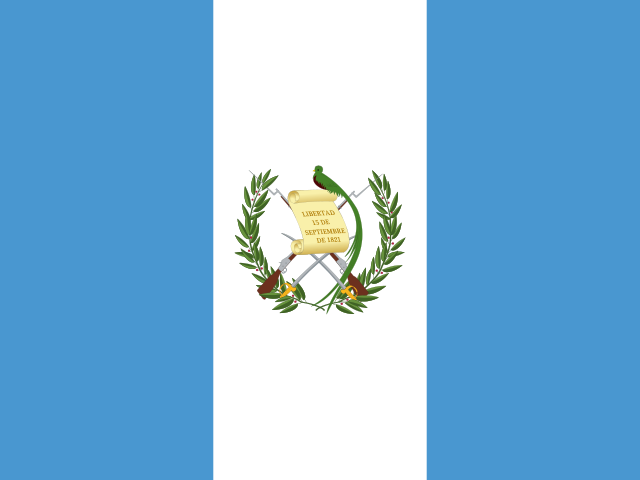 Guatemala
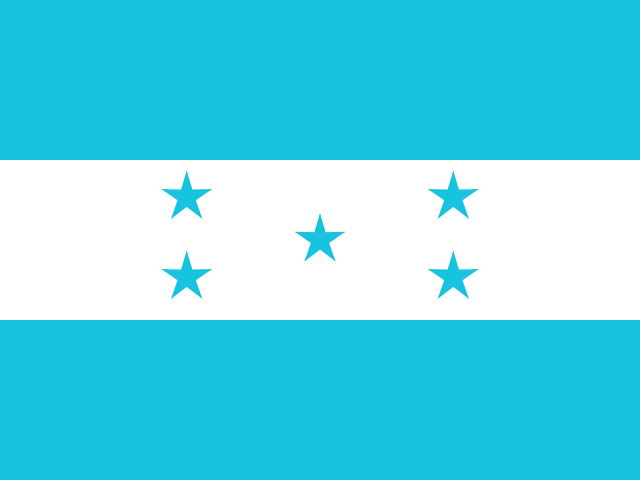 Honduras
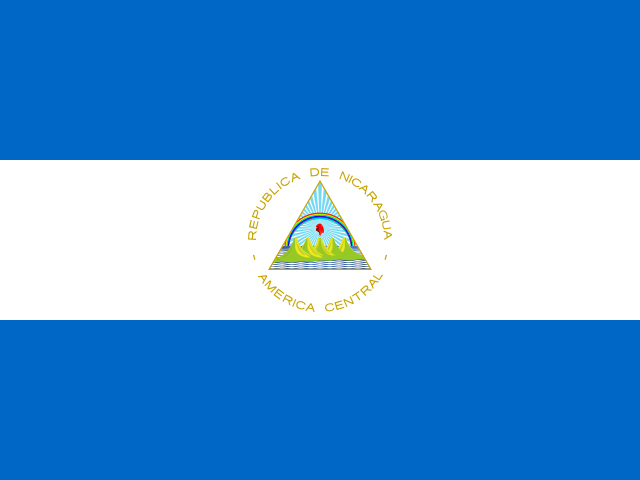 Nicaragua
- 90 days in total across the four
- One entry stamp
Whether you need the visa at all depends on your passport. Check the entry rules for El Salvador before you plan the route.
Outdoor adventures in El Salvador
El Salvador has Pacific surf beaches, forest parks, volcano hikes and lakes for water sports. The coast is warm, the mountains are cooler, and the dry season runs from November to April.
Surfing at La Libertad
Surfingnear San Salvador
Head to La Libertad, near San Salvador, for surfing.
Surfing at El Sunzal
Surfing
Choose El Sunzal as your surfing destination.
Surfing at El Zonte
Surfing
Head to El Zonte, also called Bitcoin Beach, for surfing.
Surfing at El Cuco
SurfingEastern El Salvadornear San Miguel
Head to El Cuco, near San Miguel, for surfing and beach time.
Santa Ana volcano hike
Hike
Choose Santa Ana volcano for a volcano hike.
Izalco volcano hike
Hike
Choose Izalco volcano for a volcano hike.
El Boqueron volcano hike
Hike
Choose El Boqueron for a volcano hike.
Chaparrastique volcano hike
HikeSan Miguelnear San Miguel
Head to Chaparrastique in San Miguel for volcano hiking.
- Chaparrastique is one of the country's most active volcanoes.
El Imposible National Park
HikeWestern El Salvador
Visit El Imposible National Park in the west for nature hiking.
Water sports at Coatepeque Lake
More to donear Santa Ana
Head to Coatepeque Lake near Santa Ana for windsurfing, swimming or jet skiing.
Stand-up paddleboarding at Intipuca Beach
More to doSan Miguel beaches
Head to Intipuca Beach for stand-up paddleboarding.
Water sports at Playa El Esteron
More to doSan Miguel beaches
Head to Playa El Esteron for water skiing, tubing, wakeboarding, parasailing or jet skiing.
Isla de Olomega nature hikes and lake tours
HikeSan Miguel
Take a lake tour to Isla de Olomega on Lake Olomega, where nature hikes are also an option.
Los Volcanes National Park
More to do
Visit Los Volcanes National Park, also known as Cerro Verde.
Montecristo Cloud Forest
More to do
Visit Montecristo National Park for its cloud forest.
El Pital mountain visit
More to do
Head to El Pital to visit the mountain and its rural surroundings.
San Diego and San Felipe Las Barras National Park
More to do
Visit San Diego and San Felipe Las Barras National Park.
Playa Las Flores
BeacheSan Miguel beaches
Choose Playa Las Flores for a beach visit in the San Miguel area.
Airports, metros and trains in El Salvador
Airports with scheduled flights
- SALEl Salvador International Airport Saint Óscar Arnulfo Romero y GaldámezSan Salvador (San Luis Talpa)Main international airport
Trains
- Rail network
- 562 km
People and safety in El Salvador
Religion
Most people are Christian. Mostly one faith.
- Christian88%
- No religion11%
- Folk religions<1%
LGBT+ travellers
Legal
- Same-sex marriage is not recognised.
- Laws protect against discrimination.
Women travellers
Ranked #87 of 181 countries for women's safety, inclusion and justice.
85% of women say they feel safe walking alone at night where they live.
Who can visit without a visa
Travellers from 88 of 198 countries can visit El Salvador easily: no visa, a visa at the airport, or a short online form.
- Visa not required88
- eVisa44
- Visa required65
- Entry permit required1
Who can visit easily, by part of the world
For each part of the world: how many countries' travellers can come easily. Easy means no visa, a visa at the airport, or a short online form.
- Europe40 of 46 countries
- Americas26 of 34 countries
- Oceania7 of 14 countries
- Asia12 of 50 countries
- Africa3 of 54 countries
Questions
When is the dry season?
The dry season runs from November to April. Rain is more common from May to October.
Where will I arrive if I fly?
Most visitors land at El Salvador International Airport near San Juan Talpa. It is about 50 km or a 45-minute drive south of San Salvador.
Can I get around by bus?
Yes. Domestic buses are frequent and cheap, but routes can be confusing; ask the fare collector or someone at the station for help.
What money should I carry?
U.S. dollars are an official currency, along with Bitcoin. Carry small bills of $20 or less because many shops refuse $50 and $100 bills.
Will people speak English?
Many people speak English, but Spanish is the official language.
What local food should I try?
Pupusas are a common Salvadoran dish. They are round corn tortillas filled with cheese and other ingredients, often shredded pork.
Can I drink tap water?
No. The source advises against drinking tap water.
Where can I go surfing?
Surfing destinations include La Libertad, El Sunzal, El Zonte and El Cuco.
How much does a hotel room cost?
Expect to pay about $30–60 for a hotel room. San Miguel also has budget hotels near its bus terminal.
What identity documents should I carry while exploring?
Carry a digital copy or clear photocopy of your passport with another identity document. If you prefer to carry the original passport, keep it in a secure money belt under your clothes.
 Reviewed by @snuck