
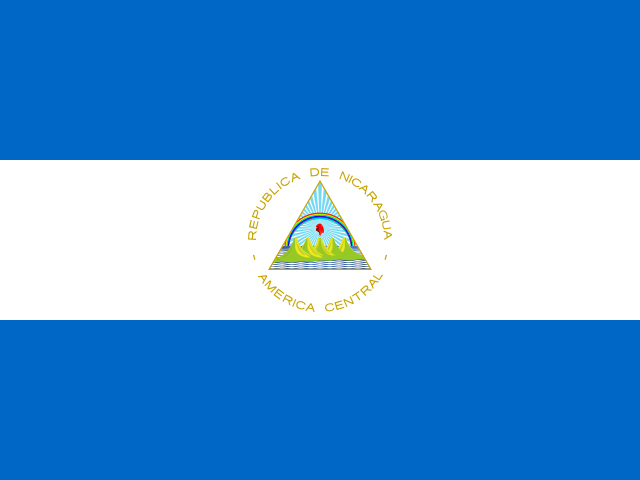
 Central America
Nicaragua is the largest country in Central America by area. It is known for its lakes, volcanoes, colonial buildings and beaches. Its capital is Managua.
Why go
Lake Nicaragua, also called Cocibolca, is the largest freshwater lake in Central America.
Ometepe island has two volcanoes: Concepción and Maderas.
Granada and León have many colonial buildings and churches.
Protected areas such as Indio-Maiz and Bosawas offer wildlife sights.
Beaches line both coasts, with San Juan del Sur known as a party resort.
Best time to go: November to April is the dry season on the Pacific side. The Caribbean coast gets rain even during the dry season, and the northern highlands can be cold and foggy.
Getting there
By air
- The main arrival airport is Augusto C. Sandino Airport in Managua. Its airport code is MGA.
- Flying into Liberia or San José in Costa Rica may suit trips to southwestern Nicaragua or the Rio San Juan region. You must pass through immigration in both countries.
- Taxis wait outside Managua airport, but they are relatively expensive. The source gives US$25 for the trip to downtown Managua.
By land
- International buses connect Managua with San José, San Salvador and Honduras. Some continue to Panama City or Guatemala City.
- Buy international bus tickets ahead of time if possible. Buses between major cities can fill up days before departure.
- A cheaper option is to take a local bus to the border, cross on foot and take another bus on the other side. This takes longer.
By sea
- The source reports a passenger ferry between La Unión in El Salvador and Corinto in Nicaragua.
- The boat route between Los Chiles and San Carlos no longer has scheduled service, according to the boat section of the source.
Customs
- The source says passports must have at least six months left before expiry.
- The source lists several different entry charges, depending on the crossing and type of charge. Bring small US dollar notes and exact change where possible.
- The land departure tax is listed as US$4, payable in US dollars. The US$32 air departure tax is included in fares with some major airlines.
Getting around
Local buses
Buses are the main way to travel around Nicaragua. Many are old school buses and can be very crowded. On most routes, buying a ticket a day ahead can secure a numbered seat. Keep valuables in a small bag that stays in your sight. Large luggage may be carried at the back or on the roof. Managua has several bus terminals serving different regions. Check which terminal you need before setting out.
Minibuses
Minibuses connect Managua with places such as Granada, León, Masaya and Chinandega. They usually cost more than school buses but make fewer stops. Many leave from across the road from Universidad Centroamericana, a university in Managua. Locals call these the UCA minibuses. Services run through the day into late afternoon or early evening, depending on the route. Sunday hours are shorter, and vehicles can be packed.
Taxis
Use a taxi to avoid walking through poorly lit areas at night. Agree on the fare before taking an airport taxi. Some drivers start with a high price when they see a foreign visitor. Shared taxis carry a robbery risk because drivers may work with other passengers. Keep taxi windows closed, especially in Managua traffic jams and at red lights.
Domestic flights
Flights can save time when travelling to the Caribbean coast or Corn Islands. The source gives about 1.5 hours to the Corn Islands, compared with a full day overland. Planes can fill quickly, so arrange your ticket ahead of time. Baggage limits are very small. Check the allowance before choosing a flight.
What to see and do
Ometepe
See Concepción and Maderas volcanoes on an island in Lake Nicaragua. The island also has wildlife.
Mombacho
This impressive volcano is near Granada.
Masaya volcano
You can drive up when conditions are considered safe enough.
Granada and León
Explore colonial buildings and many churches. León has one of Central America's largest churches.
Lake Nicaragua
Enjoy lake views and sunsets along the shore.
Indio-Maiz and Bosawas
These protected areas are places to see wildlife.
Food and drink
Gallo pinto
Rice mixed with small red beans, often eaten for breakfast. Cheese, fried plantain and cabbage salad are also common vegetarian options.
Nacatamal
A large tamal with pork or beef and seasonings, wrapped in a banana leaf. Home sellers often offer it on Fridays, Saturdays and Sundays.
Indio viejo
A cornmeal dish with shredded chicken or beef, flavoured with mint.
Quesillo
Soft cheese, pickled onion and thin sour cream wrapped in a thick corn tortilla. Nagarote and La Paz Centro are well known for it.
Vigorón
A dish of pork rind, yuca and cabbage salad. Chilli can be added.
Carne en baho
Beef, yuca, sweet potato, potato and other ingredients steamed in plantain leaves for several hours.
Money
Nicaraguan córdoba, written as C$. Its international currency code is NIO.
- Carry córdobas for buses, taxis, small meals and everyday purchases. The source suggests keeping about C$500 in small notes.
- Many places accept US dollars, but the rate may be poor and change usually comes in córdobas.
- Bring small, undamaged US dollar notes. US$50 and US$100 notes are often refused outside banks, and even US$20 notes can be hard to change.
- Bring your passport when exchanging money at a bank.
Typical costs
- Local buses: about US$1 or less for short trips, and US$3–4 for longer trips.
- Street meals: C$30–70. A typical dinner is listed at under US$3.
- Nacatamales: C$35–40.
- Fresh drinks: usually C$10–20.
- Hammocks: US$2–3; hostel dorm beds: US$5–9.
- Private double rooms: US$10–35, depending on facilities.
- Simple family-run lodging can cost under US$5.
- Room prices can double or triple in San Juan del Sur during Easter week.
Language
- Spanish is the official language.
- English is not widely spoken outside larger, more expensive hotels.
- Creole English and indigenous languages are spoken along the Caribbean coast and in the remote Bosawas area.
- Usted
- A polite way to say 'you' to one person.
- Ustedes
- 'You' when speaking to a group.
- ¿Qué onda?
- An informal 'What's up?'
- Dale pues
- 'Alright then', often used when ending a conversation.
- Hay nacatamales
- 'We have nacatamales', often seen outside homes selling them.
- Agua purificada
- Purified water.
- Hielo
- Ice.
- Propina
- Tip.
Staying safe
- Do not travel alone at night. Take a taxi through poorly lit areas and stay alert in Managua.
- Travel with a group or a trusted Spanish speaker when possible.
- Keep bags and valuables in sight on crowded buses. Keep taxi windows closed to prevent theft through an open window.
- Avoid protest areas and large urban gatherings. Foreigners are prohibited from taking part in local politics.
Local customs
Do
- Use usted with strangers, older people and people in official roles. Use informal forms after being invited to do so.
- Use Don for a man or Doña for a woman before their given name as a polite form of address.
- Keep your clothes and appearance tidy.
- Understand that nicknames and comments about weight may be intended as ordinary conversation rather than insults.
Don't
- Do not ridicule people's religion or try openly to convert them.
- Do not go topless on the beach.
- Do not copy local slang carelessly, especially with older people, police, soldiers or border officials.
Staying healthy
- Bottled water is readily available. For fresh drinks and ice, check that purified water was used.
- Use insect repellent containing DEET, an insect-repelling ingredient, especially in remote areas.
- The source reports dengue and Zika in Nicaragua. It identifies the Caribbean coast and the Rio San Juan east of San Carlos as areas of concern for malaria.
- A doctor may advise hepatitis A and typhoid vaccinations. These do not give full protection against illness from food or water.
Where to stay
- Choices range from hammocks and hostel dorms to private rooms. Luxury accommodation is mainly in major cities and a few resorts.
- Look for signs saying pensión, huésped or hospedaje for simple, often family-run lodging. Ask when the doors are locked if you plan to go out at night.
- Backpacker hostels can be found in Granada, San Juan del Sur, Ometepe, Masaya, Managua and León.
- Easter week brings a sharp rise in room prices. Christmas and New Year bring a smaller rise.
Central America-4 (CA-4)
One visa, 4 countries
Guatemala, El Salvador, Honduras and Nicaragua share one entry: a visa or entry stamp for one covers all four. With it, a trip to Nicaragua can also take in:
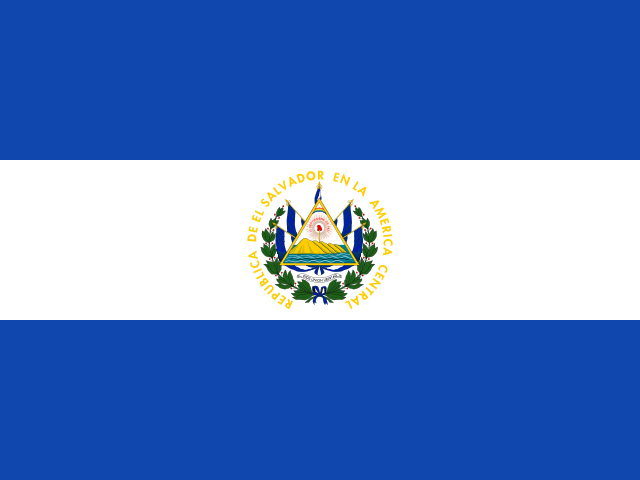 El Salvador
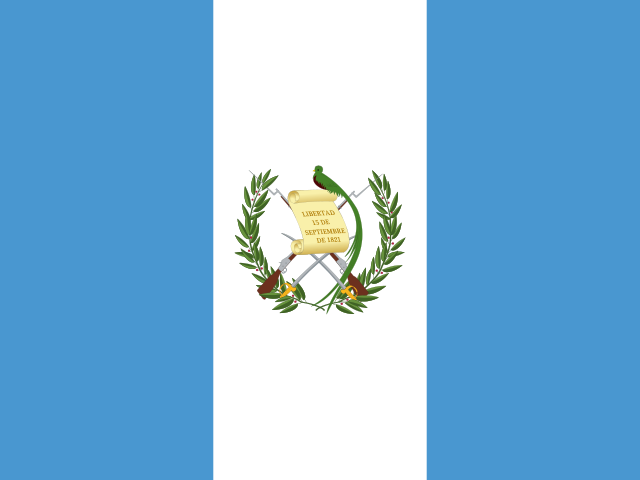 Guatemala
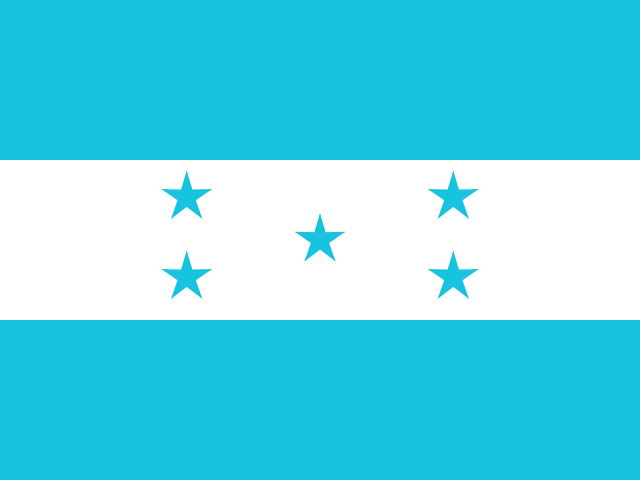 Honduras
- 90 days in total across the four
- One entry stamp
Whether you need the visa at all depends on your passport. Check the entry rules for Nicaragua before you plan the route.
Outdoor adventures in Nicaragua
Nicaragua has volcanoes, crater lakes, rainforest wildlife and beaches on two coasts. Outdoor options include surfing on the Pacific coast, diving around the Corn Islands and exploring Ometepe in Lake Nicaragua.
Volcán Masaya
HikeCapital Regionnear Masaya
Climb up the volcano or drive up when conditions allow.
- Driving up depends on whether volcanic conditions are considered safe.
Ometepe wildlife watching
WildlifeSouthern Pacific Coast
Look for wildlife on Ometepe, an island in Lake Nicaragua. Specific routes and guide arrangements are not specified.
- Wear insect repellent containing DEET.
Big Corn Island diving
Scuba divingCaribbean Nicaragua
Dive around Big Corn Island. Operators and access arrangements are not specified.
Little Corn Island diving
Scuba divingCaribbean Nicaragua
Dive around Little Corn Island. Operators and access arrangements are not specified.
Southern Pacific Coast surfing
SurfingSouthern Pacific Coast
Surf at spots along the Southern Pacific Coast. Specific breaks, lessons and operators are not specified.
San Juan del Sur
BeacheSouthern Pacific Coastnear San Juan del Sur
November–April is the Pacific dry season.Visit the beach resort of San Juan del Sur on the Pacific coast.
- Do not travel alone at night.
Laguna de Apoyo
Beache
Visit the dark sand beaches around Laguna de Apoyo. Transport and access arrangements are not specified.
Somoto Canyon visit
More to doNorthern Highlands
Tour Somoto Canyon in the Northern Highlands. Specific routes and operators are not specified.
Volcán Mombacho viewing
More to donear Granada
Visit the volcano near Granada. Transport and walking routes are not specified.
Volcán Concepción viewing
More to doSouthern Pacific Coast
See Concepción on Ometepe in Lake Nicaragua. Access and climbing arrangements are not specified.
Volcán Maderas viewing
More to doSouthern Pacific Coast
See Maderas on Ometepe in Lake Nicaragua. Access and walking routes are not specified.
Volcán Cosigüina viewing
More to do
Visit Volcán Cosigüina. Transport and walking routes are not specified.
Indio-Maiz rainforest wildlife watching
WildlifeRio San Juan Regionnear El Castillo
Use El Castillo as an entry point for the nearby jungle and Indio-Maiz reserve. Specific tours and routes are not specified.
- Wear insect repellent containing DEET.
- Rain becomes more frequent farther east.
Bosawas wildlife watching
WildlifeCaribbean Nicaragua
Look for wildlife in the protected area of Bosawas in northeastern Nicaragua. Access and guide arrangements are not specified.
- Wear insect repellent containing DEET.
- Expect rain even during the Caribbean dry season.
Ometepe motorbike exploration
More to doSouthern Pacific Coast
Ride a motorbike around Ometepe. Rental providers and routes are not specified.
- Do not travel alone at night.
Lake Nicaragua shoreline views and sunsets
More to do
Sunset for evening views.Enjoy lake views and sunsets from the shores of Lake Nicaragua. Specific viewing points are not specified.
Airports, metros and trains in Nicaragua
Airports with scheduled flights
- MGAAugusto C. Sandino (Managua) International AirportManaguaMain international airport
People and safety in Nicaragua
Religion
Most people are Christian. Mostly one faith.
- Christian86%
- No religion13%
- Folk religions1%
LGBT+ travellers
Legal
- Same-sex marriage is not recognised.
- Some laws protect against discrimination.
Women travellers
Ranked #107 of 181 countries for women's safety, inclusion and justice.
54% of women say they feel safe walking alone at night where they live.
Who can visit without a visa
Travellers from 133 of 198 countries can visit Nicaragua easily: no visa, a visa at the airport, or a short online form.
- Visa not required86
- Visa on arrival47
- eVisa10
- Visa required55
Who can visit easily, by part of the world
For each part of the world: how many countries' travellers can come easily. Easy means no visa, a visa at the airport, or a short online form.
- Europe40 of 46 countries
- Oceania11 of 14 countries
- Americas25 of 34 countries
- Africa32 of 54 countries
- Asia25 of 50 countries
Questions
When is the dry season?
The Pacific side has a dry season from November to April. The Caribbean coast is wetter and still gets rain during these months.
Can I travel around without a car?
Yes. Buses are the main transport, minibuses connect many nearby cities, and boats serve islands such as Ometepe.
Should I carry cash?
Carry small córdoba notes for buses, taxis and small purchases. Many larger shops and hotels take cards, but some add a payment charge.
Will people speak English?
Do not expect much English outside larger, more expensive hotels. Creole English is spoken along the Caribbean coast.
Can I find vegetarian food?
Rice and beans, cheese, fried plantain and cabbage salad are common. Explain clearly that you do not eat chicken either, because some people treat it as separate from meat.
Can I drink tap water?
The source describes Managua's tap water as safe but recommends bottled water. Check that juices and ice are made with purified water.
Is it safe to walk around at night?
The source advises against travelling alone at night. Take a taxi to avoid poorly lit areas.
Is accommodation expensive?
The source lists hostel dorm beds at US$5–9 and private double rooms at US$10–35. Rates rise sharply during Easter week.
What if I need medical care and do not speak Spanish?
Hospital staff may speak little English, so bring a bilingual person if possible. The source lists several private hospitals in Managua.
What should I wear?
People value a tidy appearance. Long trousers can also help with mosquitoes, and women should not go topless on beaches.
 Reviewed by @snuck