
Central America
 Central America
HondurasTravel guide
- Tegucigalpa
- La Ceiba
- El Progreso
- Comayagua
- Gracias
- Puerto Cortes
Honduras has ancient Maya ruins, colonial towns, rainforests and beaches on the Pacific and Caribbean coasts. Cities and popular visitor areas have good services, but rural areas can have basic facilities.
Why go
Explore the ancient Maya ruins at Copán.
Visit the colonial towns of Gracias and Comayagua.
Enjoy beaches, coral reefs, diving and snorkeling in the Bay Islands.
Explore the rainforest and wildlife of the Mosquito Coast.
Best time to go: Tegucigalpa has a dry season from December to May. The Caribbean coast has its heaviest rain from September to February. Honduras is hot and humid almost all year, with cooler temperatures in the mountains.
Getting there
By air
- International airports serve San Pedro Sula, Palmerola near Tegucigalpa, and Roatán.
- The source lists flights from cities including Atlanta, Miami, Madrid, Mexico City, New York, San Salvador and Houston.
- Domestic flights can be cancelled, and refunds are not guaranteed. Have another way to reach your international departure airport if you plan to connect from a domestic flight.
By land
- You can drive into Honduras from Guatemala, El Salvador or Nicaragua. Watch for speeding and aggressive driving.
- International buses connect Honduras with Managua, San Salvador and Guatemala City.
- Most buses serving San Pedro Sula use the Main Metropolitan Bus Terminal on the south side of the city. Taxis and local buses connect it with the city centre.
By sea
- Boats from Belize arrive at Caribbean ports such as Puerto Cortés.
- Cruise ships commonly stop at the Bay Islands. The source lists Norwegian Cruise Line, Princess Cruises and Carnival Cruises.
Getting around
Bus
Buses connect major cities and towns, including San Pedro Sula, Tegucigalpa, Copán Ruinas, Tela and La Ceiba. Local buses are affordable, but journeys take longer when they make more stops. Ask local people about fares and where to get off. Robberies are common on public buses. The source recommends private bus companies or buses called rapiditos as safer options.
Taxi
At night, use a taxi sent by a dispatcher over the radio. In Tegucigalpa, check that the taxi has a radio or walkie-talkie. The source reports armed robberies involving taxis. A taxi can provide a backup if a domestic flight is cancelled. The source gives La Ceiba to San Pedro Sula as an example.
Car
Drive on the right. Small roads can be in poor condition, especially during the rainy season. Avoid driving at night, and keep doors locked and windows closed. Rural roads can have carjackings and violent attacks. Watch for speeding vehicles and drivers passing on hills or bends. After an accident, record the other driver's details and wait for police before moving vehicles. If someone is seriously injured, police may arrest the other person involved even if that person did not cause the accident.
Ferry
Regular boats connect La Ceiba with Roatán and Utila. The source gives crossing times of about 80 minutes to Roatán and 60 minutes to Utila. Arrive about an hour early to buy tickets and check luggage. Both routes leave from the same dock in La Ceiba. During Semana Santa, or Easter week, ferry waits can reach eight hours. The source recommends flying during this period. The journey towards Roatán can be uncomfortable if you get seasick. Consider the wind conditions before travelling.
What to see and do
Copán
See ancient Maya ruins in western Honduras, recognised as a World Heritage Site.
Gracias and Comayagua
Visit two of the country's colonial towns.
Roatán and Utila
Enjoy islands known for beaches, clear water and coral reefs.
Mosquito Coast
Explore a large rainforest region in northeastern Honduras, with tropical wildlife and communities that maintain traditional ways of life.
Birdlife
Look for birds including Ara macao, the country's national bird.
Dive or snorkel in the Bay Islands
The islands have exceptional reefs, and diving schools on Utila and Roatán offer training to become a certified diver.
Food and drink
Plato típico
A lunch of rice, beef, fried beans and fried plantains. It may include chimol, a fresh salsa made with vegetables, herbs and lime juice.
Baleadas
Thick flour tortillas filled with refried beans, cheese and cream. Special versions usually add eggs and may include avocado or meat.
Tacos
Meat rolled in a corn tortilla and deep-fried.
Enchiladas
Flat fried corn tortillas topped with ground beef, cheese and red sauce.
Macheteadas
A sweet tortilla treat made with flour and sugar.
Honduran coffee
The source highlights coffee from Copán, Cloud Forest coffee and coffee from Lepaera. Coffee from Lepaera can be difficult to find locally because much is exported.
Money
Honduran lempira (HNL), written as L.
- Many businesses accept US dollars as well as lempiras. US dollars are the main currency used on the Bay Islands.
- Carry US dollar bills smaller than US$20. Torn bills or bills with writing or stamps may be refused.
- Cash machines are available in most cities, and nearly all offer English. Some dispense both US dollars and lempiras.
- Bring cash to the Bay Islands because cash machines are limited.
Typical costs
- A simple baleada costs as little as L10–15 in the source.
- A baleada with eggs and possible extras such as avocado or meat costs L30–50 in the source.
- The source lists return ferry tickets to Roatán at US$43 for general class and US$53 for prima class.
- The source lists a return ferry ticket to Utila at about US$30.
- The source gives US$50–100 as an example taxi fare from La Ceiba to San Pedro Sula after a flight cancellation.
Language
- Spanish is the main language.
- English is uncommon outside the largest towns and the Bay Islands.
- Local languages include Lenca, Miskitu and Garifuna.
Staying safe
- Violent crime and robbery occur in cities and smaller towns. Stay aware of your surroundings and take care when travelling alone.
- Thieves may wait outside tourist hotels in Tegucigalpa and San Pedro Sula. Robberies can happen at night and during daylight.
- Use a taxi sent by a radio dispatcher at night. Avoid driving after dark.
- Choose private bus companies or rapiditos where possible, as robberies are common on public buses.
Local customs
Do
- Treat local people politely and respect the difficulties faced by people living in poverty.
- Show equal respect to women and men.
- Respect aid workers and their work, even if you disagree with their organisation's message.
Don't
- Avoid commenting on people's accents or language skills, even as a compliment. Language differences can carry social stigma.
- Do not assume you understand local customs when approaching groups or choosing people to spend time with.
Staying healthy
- Drink bottled water and use it to brush your teeth. Do not use tap water unless you know it is safe.
- Malaria occurs in rural areas, Roatán and other Bay Islands. Dengue fever occurs in both cities and rural areas.
- Carry a first aid kit and keep contact phone numbers with you.
- When hiking or spending time outdoors, be prepared for snakes, spiders, scorpions, mosquitoes and ticks.
Where to stay
- Cities and popular visitor areas have good hotels and services.
- Good hotels can also be found in small towns if you pay more, but rural facilities may be basic.
- The source names the Intercontinental in Tegucigalpa as one accommodation option.
- Some hotels have backup generators, but others do not. Plan for power cuts.
Central America-4 (CA-4)
One visa, 4 countries
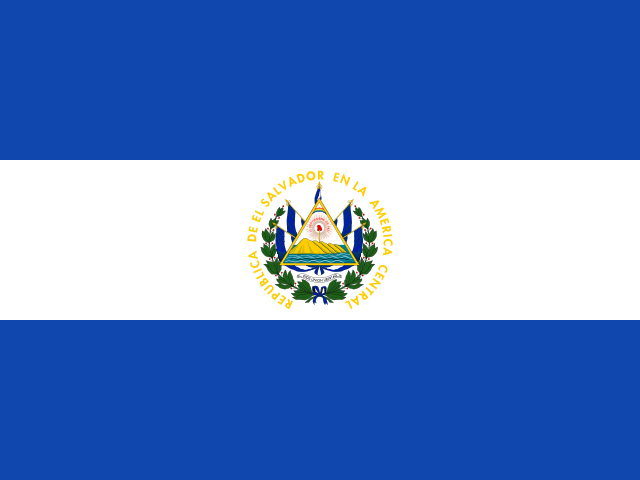
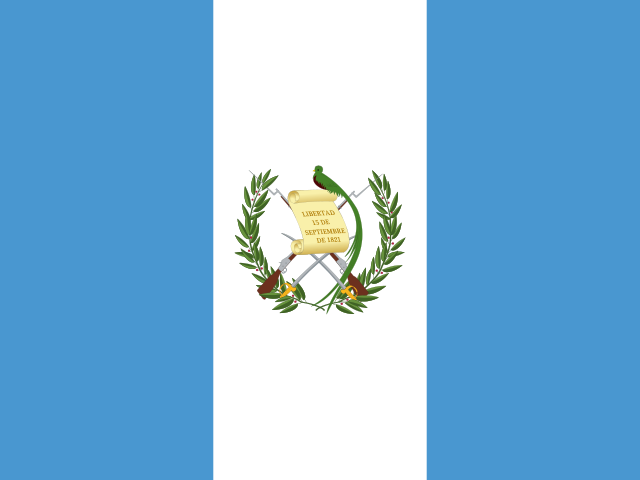
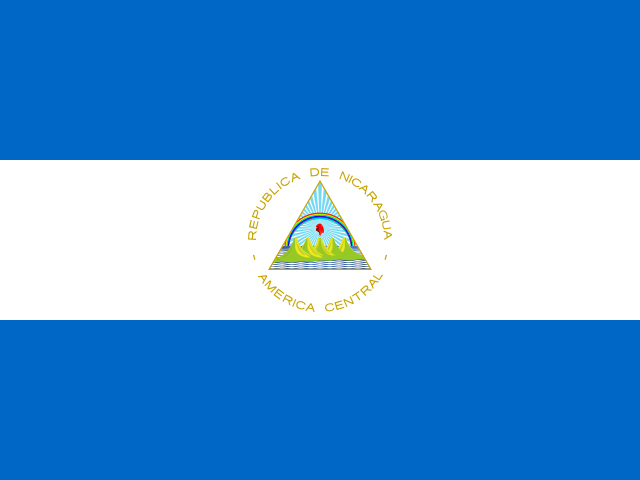
Guatemala, El Salvador, Honduras and Nicaragua share one entry: a visa or entry stamp for one covers all four. With it, a trip to Honduras can also take in:
 El Salvador
 Guatemala
 Nicaragua
- 90 days in total across the four
- One entry stamp
Whether you need the visa at all depends on your passport. Check the entry rules for Honduras before you plan the route.
Outdoor adventures in Honduras
Honduras has coral reefs, Caribbean beaches, cloud forests and tropical rainforest. The Bay Islands are known for diving and snorkelling, while the mainland offers hiking, rafting, wildlife trips and hot springs. The country is hot and humid for much of the year, with cooler mountain areas.
Roatán scuba diving
Scuba divingBay Islands
Use a diving school on Roatán. Schools offer training to become a certified diver.
Utila scuba diving
Scuba divingBay Islands
Use a diving school on Utila to train for a diving qualification.
Bay Islands reef snorkelling
SnorkellingBay Islands
Visit Utila, Roatán, Guanaja or the Hog Islands for snorkelling. Trip arrangements are not specified.
Celaque National Park
HikeWestern Hondurasnear Gracias
Use Gracias as the starting point for a visit to the park.
- Be prepared for snakes, spiders, scorpions, mosquitoes and ticks when hiking.
Río Cangrejal rafting
RaftingLa Ceiba areanear La Ceiba
Arrange rafting through Villas Pico Bonito, Hotel Rio Rafting or Omega Tours Adventure Company and Eco Jungle Lodge.
La Tigra National Park
HikeHonduran Highlandsnear Tegucigalpa
Visit the park for cloud forest hiking. Transport and guide arrangements are not specified.
- Cost: L240 for foreign visitors.
- Be prepared for mosquitoes.
Pico Bonito trails
HikeLa Ceiba areanear La Ceiba
Visit The Lodge at Pico Bonito as a day visitor to walk its trails and climb its lookout towers. Villas Pico Bonito also offers hiking. Hotel Rio Rafting has access to the national park across a hanging bridge.
Cuero y Salado Wildlife Refuge
WildlifeLa Ceiba areanear La Ceiba
Reserve with the Cuero y Salado Foundation. Take an old train through pineapple fields, then join a motorboat or canoe tour of the lagoon.
- Bring sunscreen, a hat and water.
Cusuco National Park cloud forest visit
More to donear San Pedro Sula
Travel from San Pedro Sula along a trail that requires a four-wheel-drive vehicle.
Río Plátano Biosphere Reserve
More to doCaribbean Honduras
Access and tour arrangements are not specified.
Mosquito Coast rainforest exploration
WildlifeNortheastern Honduras
Access and tour arrangements are not specified.
- Be prepared for snakes, spiders, scorpions, mosquitoes and ticks outdoors.
- Use bottled water in outlying areas.
Lake Yojoa nature day trip
More to do
A day trip from El Progreso.Visit on a day trip from El Progreso. Transport arrangements are not specified.
Pico Bonito mountain biking
CyclingLa Ceiba areanear La Ceiba
Arrange mountain biking through Villas Pico Bonito, near Río Cangrejal south of La Ceiba.
Pico Bonito zip lining
More to doLa Ceiba areanear La Ceiba
Arrange zip lining through Villas Pico Bonito, near Río Cangrejal south of La Ceiba.
Utila hiking
HikeBay Islands
Hiking is available on Utila. Routes and guide arrangements are not specified.
Utila kayaking
KayakingBay Islands
Kayaking is available on Utila. Launch points and rental arrangements are not specified.
Utila beach visit
BeacheBay Islands
Visit the beach on Utila. Beach access details are not specified.
El Porvenir beach and river tubing
BeacheLa Ceiba areanear La Ceiba
Visit El Porvenir beach. A river beside the sea provides a freshwater area for floating in a tube.
Tela beach day trip
BeacheCaribbean Hondurasnear Tela
A day trip from El Progreso.Visit the beach town of Tela on a day trip from El Progreso.
Comayagua Mountain National Park exploration
More to doComayagua areanear Comayagua
Explore the park in the Comayagua area. Routes, transport and guide arrangements are not specified.
Arcilaca public hot springs
Hot springWestern Hondurasnear Gracias
About 20 minutes by mototaxi or one hour on foot from Gracias. Weekdays other than Friday night.Take a mototaxi from Gracias, or walk using a map from a hotel lobby. You can negotiate a price for the driver to wait.
- Cost: L50 entry per person; mototaxi about L50 per person.
Termas del Rio
Hot springWestern Hondurasnear Gracias
About 15 minutes by bus, then a five-minute walk. Friday nights, weekends and public holidays.Take a bus towards Santa Rosa, La Iguala or Lepaera and get off at the entrance. Walk down the private road. By car, drive about 7 km towards Santa Rosa and look for the entrance on the left after the large bridge.
- Cost: L60 entry.
Airports, metros and trains in Honduras
Airports with scheduled flights
- RTBJuan Manuel Gálvez International AirportCoxen HoleMain international airport
- XPLPalmerola International AirportPalmerolaMain international airport
- SAPRamón Villeda Morales International AirportSan Pedro SulaMain international airport
Trains
- Rail network
- 67 km
People and safety in Honduras
Religion
Most people are Christian. Mostly one faith.
- Christian88%
- No religion11%
- Folk religions1%
- Other<1%
LGBT+ travellers
Legal
- Same-sex marriage is not recognised.
- Laws protect against discrimination.
Women travellers
Ranked #144 of 181 countries for women's safety, inclusion and justice.
54% of women say they feel safe walking alone at night where they live.
Who can visit without a visa
Travellers from 88 of 198 countries can visit Honduras easily: no visa, a visa at the airport, or a short online form.
- Visa not required88
- Visa required110
Who can visit easily, by part of the world
For each part of the world: how many countries' travellers can come easily. Easy means no visa, a visa at the airport, or a short online form.
- Europe40 of 46 countries
- Americas25 of 34 countries
- Oceania7 of 14 countries
- Asia13 of 50 countries
- Africa3 of 54 countries
Questions
When is the dry season?
Tegucigalpa has a dry season from December to May. The Caribbean coast has its heaviest rain from September to February.
Can I use US dollars?
Many businesses accept US dollars, and they are the main currency used on the Bay Islands. Carry small, undamaged bills below US$20.
Will people speak English?
English is uncommon outside the largest towns and the Bay Islands. Spanish is the main language.
How do I reach Roatán or Utila from the mainland?
Regular boats leave La Ceiba for both islands. The source gives journey times of about 80 minutes to Roatán and 60 minutes to Utila.
Is tap water safe to drink?
Do not use tap water unless you know it is safe. The source recommends bottled water for drinking and brushing your teeth.
What local food should I try?
Baleadas are thick flour tortillas with beans, cheese and cream. Another common meal is plato típico, with rice, beef, fried beans and fried plantains.
Where can I learn to dive?
Utila and Roatán have well-known diving schools where you can train to become a certified diver.
What should I do about transport at night?
Use a taxi sent by a dispatcher over the radio. The source recommends avoiding driving at night.
What plug adapter should I bring?
Honduras uses 110 volts at 60 hertz and two-prong North American plugs. Three-prong grounded sockets are less common, so a two-prong adapter can be useful.
What is the telephone country code?
The country code for Honduras is +504.
 Reviewed by @snuck