
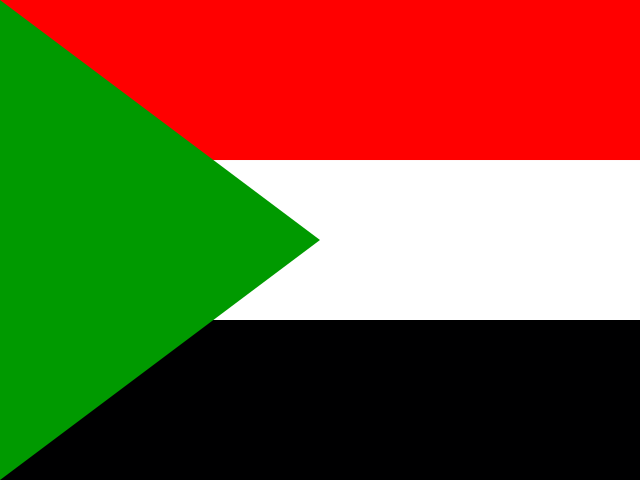
 Northern Africa
Sudan is a large country in Northeast Africa with ancient sites and a tradition of hospitality. Civil war has made travel dangerous, and food, water and fuel may be unavailable. Consular help is severely limited.
Why go
The pyramids of Meroe and the ancient sites of Naqa and Musawwarat.
Sufi drumming and trance dancing in Omdurman.
Tuti Island, where the two branches of the Nile meet.
Red Sea diving near Port Sudan.
Getting there
By air
- Port Sudan airport remains open with international services. The source lists connections with Cairo and Jeddah.
- Khartoum Airport closed after it was seized on 15 April 2023 during fighting.
- War has severely disrupted air travel, and most other airports are closed or have very limited services.
By land
- Travel from Chad and South Sudan is dangerous and strongly discouraged. The borders with South Sudan and Eritrea are also dangerous.
- The road border with Egypt closes from time to time. Check whether it is open before attempting the journey.
- When the border is open, buses run from Aswan in Egypt. Border delays can last five to six hours.
By sea
- The source describes a weekly ferry from Aswan in Egypt to Wadi Halfa, leaving for Sudan on Mondays and returning on Wednesdays. It does not confirm whether this service continues during the war.
- The ferry is described as old and crowded, with food and drink available on board.
Customs
- Customs clearance can take hours.
- Do not bring alcohol into Sudan. Importing it can lead to severe penalties.
Getting around
Domestic flights
War has severely disrupted domestic flights. Expect changing schedules and cancellations. Most airports are closed or have only limited services. The source warns about Sudan Airways' poor safety record and says it was banned from European Union airspace for safety reasons.
Trains
Much of the railway network is in poor condition. The source describes services between Khartoum and Atbara, a weekly Wadi Halfa service and occasional Nyala services. It does not confirm their wartime operation. Sudan Railways Corporation is the country's only train operator.
Cars and drivers
Driving is chaotic. Visitors with little experience of driving abroad are advised to hire a taxi or driver. A vehicle with four-wheel drive is essential in much of the country because many roads are dirt or sand tracks. Sudan's main highway is paved for much of its length.
Buses and shared trucks
Buses run frequently on busy routes. In remote areas, people often use trucks or Toyota Hilux pickups called boxes. These can be crowded. Shared vehicles usually leave when full, which can take half a day. You can hire a whole vehicle if you can afford it.
What to see and do
Pyramids of Meroe
These pyramids are about two and a half hours north of Khartoum. Permits are required before visiting.
Naqa and Musawwarat
These ancient sites lie along the route towards Meroe, and Musawwarat is an important archaeological site. Permits are required, and the approach includes sandy tracks.
Sufi rituals in Omdurman
The source describes welcoming gatherings with drumming and trance dancing on Fridays, about an hour before sunset. They take place northwest of the Nile in Omdurman.
Nile dam south of Khartoum
The dam is about one and a half hours south of Khartoum. The wide stretch of Nile downstream is popular with day visitors on Fridays and Saturdays.
Walk around Tuti Island
A walk around the island can take about four hours. Its quieter northern section has shady lanes and irrigated fields.
Dive near Port Sudan
The source describes diving from boats where visitors stay overnight or from the Red Sea Resort. November to February can bring wind and rough seas.
Food and drink
Tea
Tea is commonly served black and sweet.
Karkade
A hibiscus drink served hot or chilled.
Aradeeb
A drink made from tamarind.
Gongleiz
A drink made from baobab fruit.
Madeeda
A filling drink made with ingredients such as dates or millet, fresh milk and usually plenty of sugar. Ask whether a reduced-sugar version is available.
Sudanese coffee
Thick, strong coffee sold in many markets, sometimes flavoured with cardamom or ginger.
Money
Sudanese pound (SDG), divided into 100 piastres.
- Bring foreign cash, preferably United States dollars. British pounds and euros can also be exchanged at banks in large cities.
- Not every bank exchanges foreign currency. The source also lists money changers and Western Union payout agents in Khartoum.
- Travellers cheques are not accepted.
- People may quote prices using old currency units or leave out thousands. Ask whether a price is in new Sudanese pounds before paying.
Typical costs
- The source quotes US$33 per person for the Aswan–Wadi Halfa ferry, but does not confirm a current fare.
- Entry is paid separately at each of the Meroe, Naqa and Musawwarat sites. The source gives no fixed prices.
Language
- Arabic and English are official languages.
- Sudanese Arabic is the local form of Arabic and is most people's first language.
- English is normally a second language.
- Modern Standard Arabic is taught at school and can help with communication in major cities.
- جنية الجديد — jeneh al-jedid
- New pound; use this when checking which currency units a quoted price means.
Staying safe
- Sudan is in a civil war affecting Khartoum and other areas. Food, water and fuel may be unavailable.
- Travel to western, central and southern Sudan, especially Darfur, is dangerous and strongly discouraged.
- The borders with South Sudan and Eritrea are dangerous. Overland travel from Chad and South Sudan is strongly discouraged.
- Terrorist attacks and kidnapping are likely. Consular support is severely limited.
Local customs
Do
- Respect Ramadan fasting customs. Most restaurants close until dusk, and working hours are reduced.
- Allow for Ramadan dates to vary with local observations.
- Expect hospitality to be taken seriously. The source describes Sudanese people as sociable and welcoming.
Don't
- Do not eat or drink in public during daylight hours in Ramadan, even if you are not Muslim.
- Do not smoke in public during daylight hours in Ramadan.
Staying healthy
- Malaria is a risk, especially during the rainy season. Seek medical help if you develop symptoms that could be malaria.
- Drink bottled water or use water purification tablets. Avoid tap water, ice and fruit drinks made with local water.
- Keep water purification supplies within reach on long public transport journeys. Bottled water can be scarce at remote stops.
- Wash your hands often and carry antibacterial wipes or gel. The source warns that sanitation can be poor and banknotes can be very dirty.
Phone and internet
- Internet and telephone services are unreliable. They may be blocked or suspended at short notice.
Outdoor adventures in Sudan
Sudan has Red Sea diving and snorkelling, plus a walk through the shady lanes and fields of Tuti Island. Civil war makes travel dangerous, and food, water and fuel may be unavailable. Consular help is severely limited.
Sanganeb diving and snorkelling
Scuba divingRed Sea coastnear Port Sudan
Boats with accommodation on board leave from Port Sudan. Contact them directly through their websites. Sanganeb is less than two hours from the coast.
- November to February can bring strong winds and rough seas.
- Rough boat journeys can cause seasickness.
Sha'ab Rumi diving and snorkelling
Scuba divingRed Sea coastnear Port Sudan
Contact a boat operator through its website for a trip from Port Sudan. Boats with accommodation on board operate from the port. Sha'ab Rumi is less than one hour from the coast.
- November to February can bring strong winds and rough seas.
- Rough boat journeys can cause seasickness.
Sudan Red Sea Resort diving
Scuba divingRed Sea coastnear Port Sudan
The resort is 30 km north of Port Sudan and is described as a land-based starting point for diving.
- November to February can bring strong winds and rough seas.
- A dinghy journey from the coast can take two and a half hours in rough seas.
Tuti Island walk
HikeCentral Sudannear Khartoum
About four hoursThe walk goes around Tuti Island, where the two branches of the Nile meet. Details of how to reach the island are not given.
- Khartoum and central Sudan are affected by civil war; travel is dangerous and strongly discouraged.
- Use bottled water or treat water with purification tablets.
Airports, metros and trains in Sudan
Airports with scheduled flights
- KRTKhartoum International AirportKhartoumMain international airport
- PZUPort Sudan New International AirportPort SudanMain international airport
Trains
- Rail network
- 6,084 km
People and safety in Sudan
Religion
Most people are Muslim. Mostly one faith.
- Muslim91%
- Christian5%
- Folk religions3%
- No religion1%
LGBT+ travellers
Same-sex relationships are illegal
- The law allows life imprisonment.
Check your own government's travel advice before you go, and be careful with public displays of affection and dating apps.
Women travellers
Ranked #177 of 181 countries for women's safety, inclusion and justice.
52% of women say they feel safe walking alone at night where they live.
Who can visit without a visa
Travellers from 9 of 198 countries can visit Sudan easily: no visa, a visa at the airport, or a short online form.
- Visa not required5
- Visa on arrival4
- eVisa2
- Visa required185
- Admission refused2
Who can visit easily, by part of the world
For each part of the world: how many countries' travellers can come easily. Easy means no visa, a visa at the airport, or a short online form.
- Asia7 of 50 countries
- Africa2 of 53 countries
- Europe0 of 46 countries
- Americas0 of 35 countries
- Oceania0 of 14 countries
Questions
Is Sudan safe for a first visit?
Civil war makes travel dangerous, and basic supplies may be unavailable. Terrorist attacks and kidnapping are likely, and consular help is severely limited.
Which airport is open?
Port Sudan airport remains open with international services. Khartoum Airport is closed because of the fighting.
What money should I bring?
The source recommends foreign cash, preferably United States dollars. British pounds and euros can also be exchanged, but travellers cheques are not accepted.
Can I get by with English?
English is an official language and is normally a second language. Arabic is most people's first language.
Should I drive myself?
Driving is chaotic, and visitors with little experience of driving abroad are advised to hire a taxi or driver. Many routes require a vehicle with four-wheel drive.
Can I drink the tap water?
The source advises against it. Use bottled water or purification tablets, and avoid ice and drinks made with local water.
Can I buy or drink alcohol?
Alcohol is illegal. Local brews may also contain unsafe water or poisonous substances.
What changes during Ramadan?
Most restaurants close until dusk and working hours are reduced. Visitors should avoid eating, drinking or smoking in public during daylight hours.
Will my internet connection be reliable?
Internet and telephone services are unreliable and can be blocked or suspended at short notice.
Do I need permission to visit the ancient sites?
Permits are required before visiting Meroe, Naqa and Musawwarat. Entry is paid separately at each site.
 Reviewed by @snuck