Scam in BulgariaTaxis
Taxi payment in foreign currency in Bulgaria
How it works
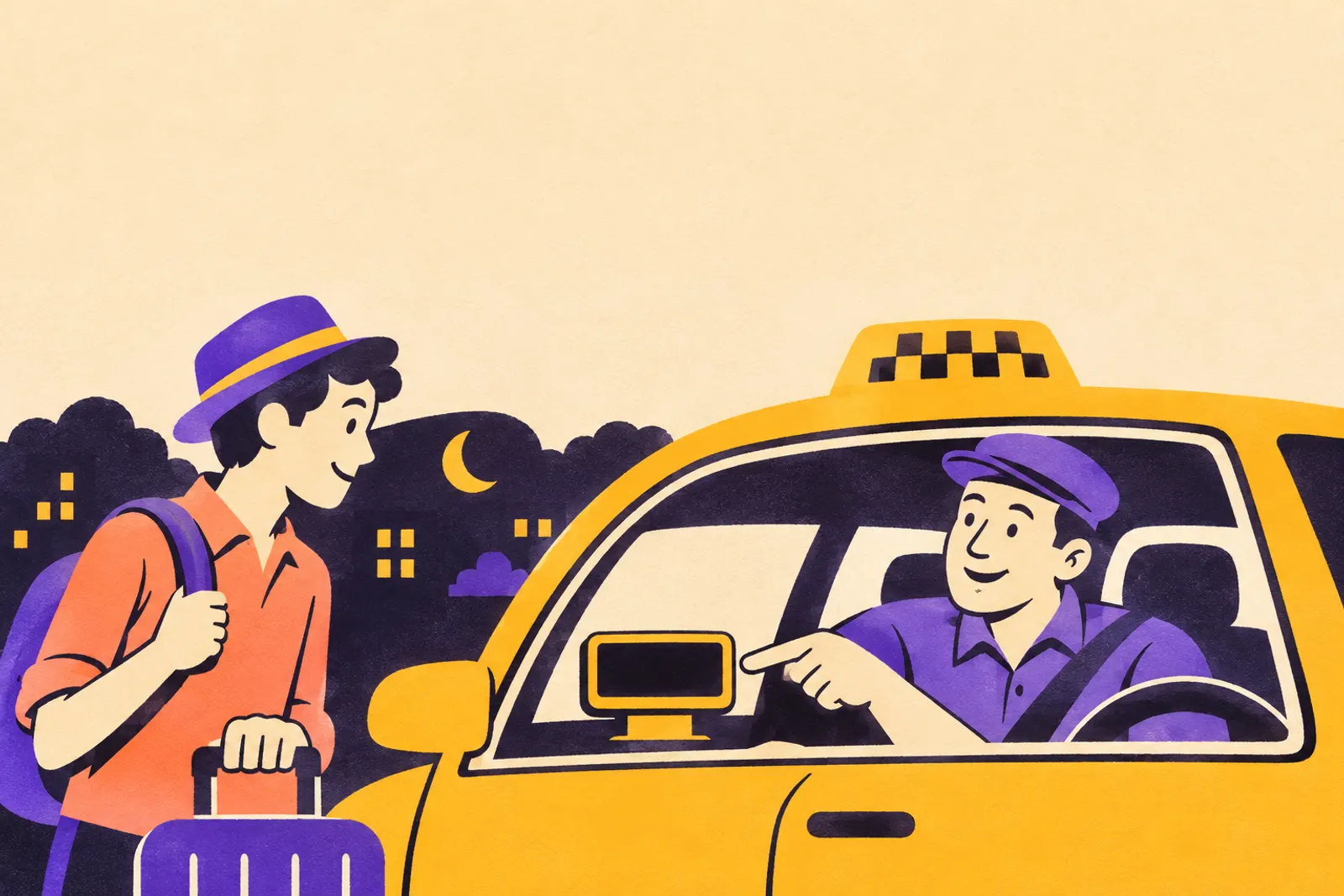
The driver asks for payment in a currency other than euro and uses a false exchange rate to increase the bill.
Warning signs
- The driver suggests paying in a currency other than euro.
- The driver converts the fare using an unexplained exchange rate.
How to avoid it
- Carry euros for taxi payments.
- Confirm payment in euros before the journey.
- Check the meter total before paying.
If it happens to you
Ask for the fare in euros and request a receipt. Keep evidence of any disputed payment.
- Move to a safe, staffed place. Do not chase a thief or argue with someone who is threatening you.
- Freeze stolen or compromised cards and contact your card issuer. Report any unauthorised transactions.
- Save evidence. Keep receipts, messages, booking records and the time and location. For taxi disputes, record the taxi's details.
- Report theft or fraud to police. Call 112 if you face immediate danger or need emergency help.
- Contact your insurer, booking provider or rental company where relevant. Ask what records they need.
- If your passport was stolen, contact your embassy or consulate for replacement travel-document advice.
What travellers report
Posts about this scam on other sites, summarised in our words. Open one to read the original.
Questions
What is the taxi payment in foreign currency scam in Bulgaria?
The driver asks for payment in a currency other than euro and uses a false exchange rate to increase the bill.
How can I spot it early?
The driver suggests paying in a currency other than euro. The driver converts the fare using an unexplained exchange rate.
How do I avoid taxi payment in foreign currency in Bulgaria?
Carry euros for taxi payments. Confirm payment in euros before the journey. Check the meter total before paying.
What should I do if it happens to me?
Ask for the fare in euros and request a receipt. Keep evidence of any disputed payment.
Where in Bulgaria does this happen?
Across Bulgaria, especially where dishonest drivers target visitors at Sofia Airport and Sofia Central Station.
How common is this scam in Bulgaria?
Common. Bulgaria is generally safe, but taxi scams, pickpocketing, money-changing tricks and ATM skimming are concerns for visitors. Take extra care at transport hubs, around waiting taxis and in summer crowds.
Are there similar scams in Bulgaria?
Yes: inflated taxi rates, taxi touts and copied company logos, rigged taxi meter.
Who can I report it to?
Police: report theft, fraud or threats and provide the evidence you have. For a taxi fare complaint, keep the receipt because it provides proof of the transaction. Emergency services: call 112 for an emergency. If it does not connect, use the relevant backup number listed below. Card issuer or bank: use your banking app or a verified contact number to freeze the card and report unauthorised payments or withdrawals. Booking provider or payment service: report a fraudulent booking through its official support channel. Include the listing, messages and payment record. Travel insurer or vehicle rental company: contact its official claims or assistance service. Keep receipts, police-report details and other evidence. Embassy or consulate: contact your country's embassy or consulate through its official contact details if your passport is stolen or you need consular help.
What number do I call in an emergency in Bulgaria?
All emergency services: 112, Police backup if 112 does not connect: 166, Ambulance backup if 112 does not connect: 150, Fire department backup if 112 does not connect: 160.
 Reviewed by @snuck